






 We do what's right for you...


What Is the Post-Prandial Glucose Normal Range After Eating?
Dr. Juhee Chandra
Advice on post-meal glucose is often reduced to a single number. That simplicity is appealing. It is also misleading. I approach the Post-Prandial Glucose Normal Range as a pattern across time, not a solitary checkpoint. It is basically how your body handles a meal from first bite to baseline. That is the only way to judge control, adjust therapy smartly, and avoid the quiet drift into risk.
Post-Prandial Glucose Normal Ranges by Time Intervals
I use the Post-Prandial Glucose Normal Range in three time slices: the early peak, the standard 2-hour point, and the return phase. Each window reveals different physiology. Together they provide a dependable picture. For clinicians, this is routine. For everyone else, it is the practical way to turn numbers into action.
Normal Range at 1 Hour After Eating
The first hour captures the peak. In healthy physiology, the post-meal rise should be brisk then contained. I look for patterns in the Post-Prandial Glucose Normal Range that show a climb and a controlled crest. A modest peak followed by a steady decline is reassuring. A very high spike suggests excess carbohydrate load, delayed insulin action, or both. If I see persistent sharp peaks, I review meal composition, timing of medication, and activity.
- If readings surge and stay high beyond 60 to 75 minutes, the meal profile or dosing likely needs refinement.
- If the peak is modest but the drop is slow, consider fat or protein effects delaying clearance.
In pregnancy care, clinicians often set tighter first-hour targets to protect maternal and fetal outcomes, and PMC highlights a 1-hour threshold used in gestational protocols. The point is not the single figure. It is the trajectory your body shows after routine meals.
Normal Range at 2 Hours After Eating
The two-hour reading is the standard reference for most people. It reflects how well glucose is cleared after the peak. In a stable Post-Prandial Glucose Normal Range, values at this point should be well controlled relative to the meal’s size and content. As StatPearls explains, many clinical references use a two-hour threshold to define normality and to exclude frank diabetes in diagnostic settings.
When I interpret 2-hour results, I match them to the meal and to the person’s overall targets. A high reading after a low-carb lunch means something different than the same figure after a large, high-glycaemic meal. Context matters. So does repeatability across days.
Normal Range at 3 Hours After Eating
By three hours, I expect a trend toward baseline. The Post-Prandial Glucose Normal Range at this stage should show a clear taper unless very high fat or high protein delayed the peak. If values remain elevated, I consider late gastric emptying, stacking of meals, snacking, or suboptimal medication timing. A low reading at three hours, especially after strenuous activity, may indicate the earlier dose was too strong for the meal.
This is where a pattern view helps. Repeat the same meal on different days and watch the curve. A consistent three-hour overshoot suggests an adjustment is due.
Variations Based on Age Groups
Age shifts the curve. Older adults often display slower glucose clearance and a slightly blunted early insulin response. The Post-Prandial Glucose Normal Range therefore nudges upward in late life, even without diabetes. I account for this by tightening meal composition, encouraging shorter post-meal walks, and sometimes adjusting medication timing. Roughly speaking, the aim is a gentler peak and a dependable descent. Aggressive targets can backfire if hypoglycaemia risk rises. Balance is the goal.
Differences Between Non-Diabetics and Pre-Diabetics
Non-diabetic individuals usually keep post-meal readings controlled with a narrow peak and fast return. In prediabetes, the Post-Prandial Glucose Normal Range broadens and the curve often flattens at a higher level. That is a signal of reduced insulin sensitivity or impaired first-phase insulin release. If I see that pattern, I focus on fibre, protein pairing, carb quality, and brief post-meal activity. Small changes here often shrink the peak and shorten the tail.
Target Ranges for Type 1 and Type 2 Diabetes
Personalised targets matter. For many adults with diabetes, a practical Post-Prandial Glucose Normal Range sits below common 2-hour goals used in clinic. As Diabetes Care summarises for current standards, keeping post-meal values under well-recognised thresholds reduces complication risk. I align target selection with hypoglycaemia risk, comorbidities, and the person’s daily realities. Tighter does not always mean better if it drives lows or adds unmanageable complexity. Precision beats perfection.
|
Timing |
Pattern I Aim For |
|
1 hour |
Moderate peak, not excessive for meal size. Clear transition to decline. |
|
2 hours |
Noticeable drop from peak. Within agreed personal target range. |
|
3 hours |
Close to baseline unless a high-fat meal delayed absorption. |
Factors Affecting Postprandial Blood Glucose Levels
Post-meal responses are driven by what is eaten, when activity happens, and how hormones respond. The Post-Prandial Glucose Normal Range lives at the intersection of these elements. Here is how I parse them in practice.
Impact of Carbohydrate Content and Glycaemic Index
Quantity and quality of carbohydrate set the stage. Higher glycaemic index foods hit faster. They create a steeper ascent that pushes against your Post-Prandial Glucose Normal Range. Lower GI and higher fibre choices slow absorption and flatten the curve. I also watch portion size. A small serving of a higher GI food, paired with protein and vegetables, can behave better than expected.
- Prioritise fibre from vegetables, legumes, and whole grains.
- Pair carbohydrate with protein to slow delivery.
- Reserve rapidly absorbed carbs for exercise or hypo correction.
Role of Protein and Fat in Glucose Response
Protein and fat extend the curve. They delay gastric emptying and can shift the peak later. The Post-Prandial Glucose Normal Range then looks flatter at first and higher at two to three hours. In Type 1 diabetes, high protein meals may require dosing strategies that recognise delayed glucose excursions. In Type 2, the same principle applies, though medication tools differ. The method is simple. Match the meal’s macronutrient profile to the expected curve and calibrate timing accordingly.
Effects of Physical Activity Timing
Timing is often the highest leverage variable. Light to moderate movement after eating improves disposal of glucose into muscle. Start too soon and the effect can be modest. Start during the expected peak and the benefit often multiplies. As Nutrients reports in a randomised trial, initiating activity within a defined post-meal window reduced postprandial glucose compared with sitting still.
In practice, I suggest short, comfortable walks after larger meals. Ten to twenty minutes is plenty for most. Short, frequent bouts beat heroic sessions that never happen.
Influence of Stress and Sleep Quality
Stress hormones raise glucose by design. Poor sleep does the same by impairing insulin sensitivity. A polished meal plan cannot rescue a body running on adrenaline and four hours of sleep. I treat stress and sleep as core levers of the Post-Prandial Glucose Normal Range. Simple steps help. A consistent bedtime, light evening meals, brief breathwork before eating. Small, boring habits produce outsized gains here.
Medication Timing and Effectiveness
Medication that works at the wrong time, does not work. For oral agents and prandial insulin, timing is a decisive factor. Dosing just before or just after a meal can change the entire curve. The Post-Prandial Glucose Normal Range rewards precision. I align administration with expected absorption and the meal profile. That includes recognising delayed peaks from fat and protein so that action lines up with reality, not the clock.
Testing Methods and Monitoring Guidelines
Measurement turns guesswork into decisions. I select methods based on the question at hand. Spot checks show a snapshot. Continuous devices reveal the movie. Both belong in a professional toolkit, and both can anchor a clear view of the Post-Prandial Glucose Normal Range.
How to Perform a Postprandial Glucose Test
A postprandial glucose test is straightforward. Eat a typical meal. Note the start time. Check at agreed intervals. I prefer a standardised meal for comparison across days. That controls the variables. For those who cannot tolerate formal glucose loading, everyday meals still deliver actionable data. The principle remains the same. Observe the rise, identify the peak, and ensure a steady return toward baseline.
- Record meal composition and start time.
- Measure at 60, 90, and 120 minutes, with an optional 180-minute check.
- Log activity, medication timing, and sleep quality.
Best Times to Check Blood Sugar After Meals
I typically advise checks at one hour to understand the peak, then again at two hours to confirm clearance. If high fat or high protein predominates, a three-hour check adds clarity. This schedule provides a dependable profile of the Post-Prandial Glucose Normal Range without excessive testing. Frequent testing around new meals can accelerate learning and reduce long-term guesswork.
Continuous Glucose Monitoring vs Fingerstick Testing
CGM offers the full curve. Fingersticks offer precision at a point in time. Both are useful. As PMC notes, transitioning to CGM has been linked with a meaningful reduction in HbA1c for insulin users, reflecting better day-to-day decisions. I still rely on fingersticks during rapid changes, when CGM lag is more noticeable. Used together, they give reliability and context.
Quick comparison
- CGM: trends, alarms, context for the Post-Prandial Glucose Normal Range.
- Fingerstick: point accuracy, no interstitial lag, useful for confirmation.
Interpreting Your Test Results
I interpret numbers against three anchors: the meal, the timing, and the personal target. A high value after a large, refined carbohydrate meal says less than a modest rise after a low-carb lunch. Repetition reveals the truth. If frequent highs appear, that often signals insulin resistance developing to some extent, which raises cardiometabolic risk over time. I then prioritise diet quality, activity after meals, and medication timing to reshape the curve.
When to Contact Your Healthcare Provider
Contact your clinician if repeated post-meal values remain above your target range. Also call if hypoglycaemia follows routine doses, or if illness, steroids, or major stress push the curve out of control. Bring structured logs. A short, clean dataset accelerates therapy changes and reduces trial and error.
Managing Postprandial Hyperglycemia
Postprandial hyperglycemia erodes control quietly. It damages confidence and, over years, it harms tissues. I address it with simple changes executed consistently. The tools are ordinary. The discipline is the challenge.
Dietary Strategies to Control Post-Meal Spikes
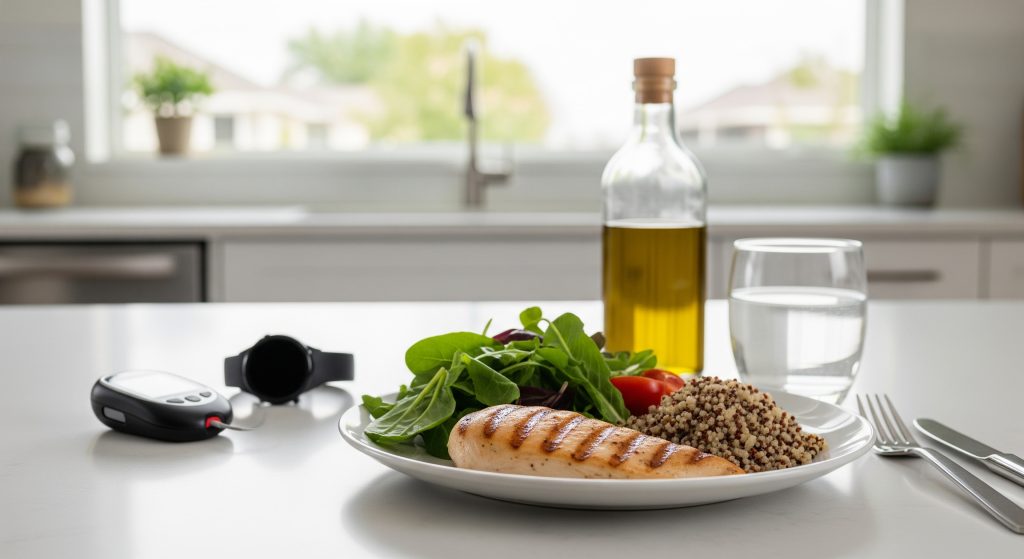
I prioritise fibre, protein pairing, and food order. Start with protein and vegetables. Then eat carbohydrates. This sequence often reduces the peak and improves satiety. The Post-Prandial Glucose Normal Range responds well to lower glycaemic load meals eaten unhurriedly. One practical example: grill chicken with leafy greens and olive oil, then add a small portion of quinoa. The curve is flatter and the energy lasts longer.
- Choose legumes, non-starchy vegetables, and intact whole grains.
- Use vinegar or lemon in dressings to modestly slow gastric emptying.
- Keep portions honest. Portion creep hides in plain sight.
Exercise Timing for Optimal Glucose Control
Movement after eating is one of the fastest wins. A short, moderate walk 20 to 30 minutes after the first bite can blunt the peak and speed the return. As Diabetes Spectrum summarises, starting post-meal activity within the early window often delivers the best effect on peaks without heavy effort. If time is tight, split it. Two short walks can work as well as one longer bout.
Medication Adjustments and Options
For those on insulin, matching dose type and timing to the meal composition is essential. Rapid-acting analogues give flexibility when meals vary. In Type 2 diabetes, metformin, GLP-1 receptor therapies, and agents targeting post-meal spikes can be combined judiciously. The Post-Prandial Glucose Normal Range improves when medication action meets the curve, not just the clock. I also consider pre-bolus timing for rapid insulins and review late spikes that may need split dosing in select cases.
Natural Methods to Lower Post-Meal Glucose
Natural strategies are not soft options. They are the base layer. Eat more fibre, especially from beans and vegetables. Use protein to slow carb delivery. Walk after meals. Sleep regularly. Manage stress with brief, repeatable practices. Some evidence supports specific supplements for modest effects, but I treat those as adjuncts. The core behaviours still carry most of the benefit for the Post-Prandial Glucose Normal Range.
Long-Term Complications of Poor Control
Chronic post-meal elevations contribute to vascular injury, neuropathy, and kidney strain. Not immediately. Gradually and then obviously. Sustained control within your Post-Prandial Glucose Normal Range reduces cumulative exposure and lowers risk. That is the payoff. Consistent, unflashy stability today protects function years from now.
Maintaining Healthy Post-Prandial Glucose Levels
Maintenance is a system, not a streak. I use a simple loop: plan, observe, adjust.
- Plan meals with fibre and protein first. Reserve quickly absorbed carbs for when they are earned by activity.
- Observe by checking the early peak and the two-hour decline. Add a three-hour check after high-fat meals.
- Adjust medication timing and portion size to fit the curve, not the other way round.
Two practical habits sustain the Post-Prandial Glucose Normal Range. First, a 10 to 20 minute walk after the largest meal of the day. Second, a standardised meal once a week to benchmark progress. Small moves, repeated, create durable control.
What should blood sugar be 2 hours after eating for non-diabetics?
For most healthy adults, two-hour values should return to a controlled range relative to the meal size. I expect a clear decline from the peak and a level consistent with a stable Post-Prandial Glucose Normal Range. Context still matters. A heavier, high glycaemic meal will run higher than a light, high fibre lunch.
Is 140 mg/dL normal after eating?
It can be, depending on timing and meal content. Around the one-hour peak, some individuals will touch that level briefly then fall. By two hours, the Post-Prandial Glucose Normal Range should show a downward trend well below peak values for most people without diabetes.
How long does blood sugar stay elevated after eating?
Typically 2 to 3 hours. High fat or high protein meals can delay the peak, so the curve can shift later. I rely on a one-hour and a two-hour reading to map the pattern. A three-hour check can help confirm the return toward baseline in your Post-Prandial Glucose Normal Range.
What foods cause the highest post-meal glucose spikes?
Refined carbohydrates and sugary drinks cause the fastest rise. Large portions of low fibre starches also push the peak. Pairing carbohydrate with protein and vegetables reduces the ascent and helps keep values within your Post-Prandial Glucose Normal Range.
Should I test blood sugar 1 or 2 hours after eating?
Both add value. A one-hour check locates the peak. A two-hour check shows clearance. If meals are high in fat, a three-hour check can add clarity. This approach gives a full view of your Post-Prandial Glucose Normal Range without excessive testing.
What is considered postprandial hyperglycemia?
It is a sustained elevation after meals beyond your agreed target range, commonly judged at the two-hour point. I also look for repeated sharp peaks that do not resolve promptly. Those patterns fall outside a healthy Post-Prandial Glucose Normal Range and warrant action.
Can stress affect post-meal blood sugar readings?
Yes. Stress hormones raise glucose and blunt insulin’s effect. Poor sleep amplifies the problem. Even well designed meals can produce higher curves under stress. Managing stress and sleep helps protect your Post-Prandial Glucose Normal Range day to day.
I use the phrase Post-Prandial Glucose Normal Range to signal the theme clearly for those searching. This includes normal blood glucose after eating in practical terms. I also cover postprandial hyperglycemia and how a postprandial glucose test informs daily decisions.

