






 We do what's right for you...


How to Lower Hemoglobin: Diet, Lifestyle Changes & More
Dr. Juhee Chandra
Common advice on iron and energy often pushes more red meat, more supplements, and more fortification. For someone with elevated levels, that playbook backfires. In this guide, I outline how to decrease hemoglobin with measured changes that respect physiology and clinical prudence. The goal is simple. Lower risk without compromising health or performance.
Best Natural Methods to Reduce Hemoglobin Levels
1. Stay Adequately Hydrated
I start with hydration because concentration effects can mimic a spike. Dehydration thickens blood and can inflate readings. If the question is how to decrease hemoglobin without harsh measures, correcting fluid status is the lowest risk lever. It is also quick to implement.
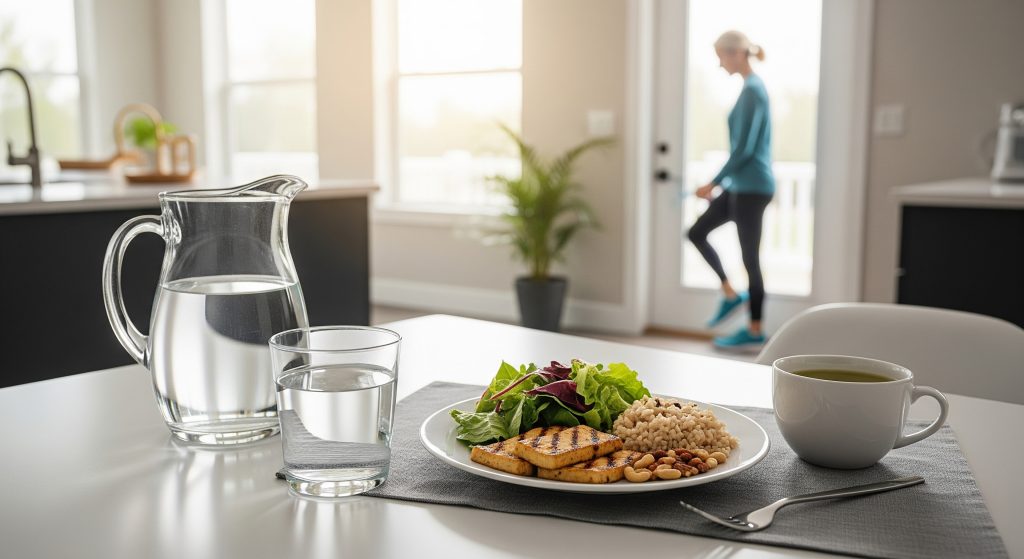
A practical baseline is to set a daily intake target. As Apollo 247 advises, **2 to 3 litres** per day helps balance viscosity. I counsel clients to split this across the waking day. Front load a glass on rising. Maintain steady intake before mid-afternoon checks. It keeps readings comparable.
Morning tests are often higher due to overnight fluid loss. Afternoon readings can drift lower as hydration improves. For consistent tracking on how to decrease hemoglobin, book blood draws at the same time of day. It sounds simple. It reduces false alarms.
- Plain water as the staple, with light electrolytes in heat or heavy sweat.
- Avoid aggressive diuretics around testing windows.
- Use a bottle with volume markers to keep intake honest.
2. Follow a Low-Iron Diet Plan
Dietary iron drives hemoglobin production. To explore how to decrease hemoglobin with food, focus on limiting heme iron first. Heme iron from animal sources is highly bioavailable. It moves the needle faster than plant forms.
My rule of thumb is measured, not extreme. Reduce red meat to occasional. Swap in poultry or plant proteins on most days. Pair this with meal combinations that blunt iron uptake. I detail these strategies below.
3. Quit Smoking Immediately
Smoking raises carbon monoxide levels. That reduces oxygen delivery and stimulates red cell production. If the brief is how to decrease hemoglobin and keep it there, cessation is non-negotiable. The benefit is not only in the number. It reduces clot risk and improves exercise tolerance.
I have seen levels normalise over weeks to months after quitting, though timelines vary. There are withdrawal hurdles. There is also a clear upside. Less carboxyhaemoglobin, less stimulus for overproduction.
4. Engage in Moderate Exercise
Exercise belongs in the plan. Intense endurance work can increase red cell mass. Moderate exercise does not. It improves oxygen use and supports metabolic efficiency. This is the better route if the aim is how to decrease hemoglobin without compromising fitness.
- Good defaults: brisk walking, swimming, cycling on flat routes, yoga.
- Limit long high-altitude efforts or hypoxic training blocks.
- Use heart rate zones conservatively during the reduction phase.
Two examples make this tangible. A 30 minute brisk walk at lunch and 20 minutes of mobility in the evening. Sustainable and protective.
5. Move to Lower Altitudes
Altitude stimulates erythropoiesis. That is its advantage for endurance athletes and its drawback for those who need lower levels. If relocation is possible, even temporarily, descending helps. It removes a chronic signal to produce more red blood cells.
At elevations above **10,000 feet**, the haematological response strengthens. As Mayo Clinic highlights in a discussion on polycythaemia vera, higher elevations can exacerbate symptoms. My operational guidance is conservative. Minimise exposure until levels are back in range. Then reassess tolerance with your clinician.
6. Avoid Performance-Enhancing Substances
Two categories matter most here. Synthetic erythropoietin and blood doping practices. Both drive hemoglobin higher. If the remit is how to decrease hemoglobin safely, avoid any substance or method marketed to boost oxygen delivery.
There is also a quieter risk. Certain corticosteroids and anabolic agents can alter red cell production. Review all supplements and medications with your clinician. Grey market products complicate the picture. They also carry legal and health risks.
Strategic Dietary Modifications for High Hemoglobin
Foods to Strictly Limit or Avoid
Food choices set the daily baseline. To make progress on how to decrease hemoglobin, limit these items:
- Red meat cuts, liver, and organ meats.
- Iron fortified cereals and energy bars.
- Dark leafy greens in large quantities when paired with vitamin C rich foods.
- Shellfish like clams and oysters during the reduction phase.
This is not about permanent bans. It is a targeted phase to bring levels down. Once stable, reintroductions can be tested. The case is stronger where there are known causes of high hemoglobin levels, such as chronic lung disease, high altitude residence, or smoking history.
|
Food to limit |
Better swap during reduction phase |
|
Red meat mains |
Poultry, tofu, or lentil based dishes |
|
Fortified breakfast cereals |
Plain oats with nuts and berries |
|
Shellfish platters |
White fish or egg based options |
|
Spinach salads plus citrus |
Mixed leaves with avocado and seeds |
Vitamin C and Iron Absorption Connection
The link between vitamin C and iron absorption is well established. Vitamin C enhances non haem iron uptake by converting ferric to ferrous iron. If the objective is how to decrease hemoglobin, separate vitamin C rich foods from iron heavy meals. It reduces absorption at the source.
- Keep citrus, berries, kiwi, and peppers away from meat or legume mains.
- Schedule vitamin C supplements at least two hours distant from iron rich meals.
- When reintroducing iron, re pair vitamin C for better uptake if levels dip too low.
This is a controllable lever. Small changes at meal level add up over weeks. It is basically a timing problem, not a deprivation burden.
Best Protein Sources for Hemoglobin Control
Protein is non negotiable for recovery and satiety. The trick is to choose sources with lower readily absorbable iron. This keeps nutrition on track while working on how to decrease hemoglobin.
- Firm tofu and tempeh, rich in protein and minerals.
- Low fat dairy and eggs in moderated portions.
- Legumes such as chickpeas, black beans, and lentils.
- Nuts and seeds for texture and healthy fats.
A simple plate template works: half vegetables, a quarter whole grains, a quarter low heme protein. Add olive oil and herbs. It is satisfying. It also supports the plan.
Beverages That Help Lower Iron Absorption
Certain beverages reduce iron absorption. They do this by binding non haem iron in the gut. For anyone focusing on how to decrease hemoglobin with diet, this is an easy daily habit.
- Black tea or green tea with or shortly after iron heavy meals.
- Coffee spaced near iron rich foods, not far away.
- Cocoa and some herbal infusions that are polyphenol rich.
High coffee intake can reduce iron absorption by up to **18.8%** when taken with meals. As Healthline reports, timing matters. If iron is intentionally low, place these drinks alongside main meals. If iron later needs support, move them away.
Optimal Meal Timing and Combinations
Meal timing is a quiet driver of outcomes. Two rules guide my approach on how to decrease hemoglobin with less friction. First, avoid combining iron boosters in the same plate. Second, add iron blockers at the right moments.
- Do not pair red meat with citrus or a vitamin C supplement.
- Do add tea with legume heavy meals to reduce uptake.
- Keep calcium and coffee with main meals during the reduction phase.
- Use fibre and whole grains to slow absorption and improve satiety.
A sample day makes this practical. Oats with nuts at breakfast, no fruit juice. Lentil soup plus tea at lunch. Grilled tofu, mixed leaves, and brown rice at dinner. Coffee with lunch or dinner. Simple and repeatable.
Medical Treatments for Elevated Hemoglobin
Understanding Therapeutic Phlebotomy
When levels are significantly elevated, therapeutic phlebotomy is the standard manoeuvre. Blood removal reduces red cell mass and lowers viscosity. For anyone asking how to decrease hemoglobin rapidly and safely, this is the controlled clinical route.
Sessions are scheduled based on baseline numbers, symptoms, and comorbidities. Hydration before and after helps. Iron supplements are typically withheld. The frequency tapers as targets are reached.
Medication Options and Management
Medication is considered when phlebotomy is not sufficient or not tolerated. Cytoreductive agents can suppress red cell production. They are chosen based on risk profile, age, and thrombotic history.
In practice, clinicians titrate the lowest effective dose and monitor full blood counts. The measure of success is not only the hemoglobin figure. It is the reduction of events and the preservation of quality of life.
Iron Chelation Therapy
Chelation is rarely a first line option for elevated hemoglobin alone. It is used in contexts of iron overload with organ risk. If transfusions or genetic conditions contribute to excess iron, chelation can protect the liver and heart. It is a specialist decision with specific monitoring.
For a patient primarily seeking how to decrease hemoglobin, chelation is usually not appropriate. The priority is addressing production and viscosity, not pulling systemic iron aggressively.
Monitoring Blood Parameters
Monitoring is the safety net. Haemoglobin, haematocrit, ferritin, and transferrin saturation form the core panel. Reticulocyte counts and erythropoietin levels can clarify drivers when needed.
As Mayo Clinic describes, the test identifies anaemia and polycythaemia and guides further workup. I prefer consistent labs and times. It keeps the dataset clean and the plan accountable.
Age-Specific Considerations and Management
Managing High Hemoglobin in Children
Paediatric cases require careful evaluation. Hydration status, altitude residence, sleep disordered breathing, and congenital heart disease are frequent considerations. Before deciding how to decrease hemoglobin, clarify the driver. It prevents overcorrection.
- Prioritise paediatric haematology input for persistent elevations.
- Screen for hypoxia during sleep when symptoms suggest it.
- Use diet changes conservatively to avoid growth compromise.
Where serious blood disorders are suspected, escalation to specialist care is essential. Phlebotomy and medications are sometimes indicated. The guiding principle is targeted treatment and growth preservation.
Adult Treatment Approaches
Adults often present with a mix of lifestyle and medical drivers. Smoking, sleep apnoea, COPD, anabolic use, and residence at altitude lead the list. These are common causes of high hemoglobin levels in clinic. The sequence is assess, address, and only then medicate.
- Confirm with repeat testing under consistent hydration and timing.
- Implement dietary timing strategies for three to six weeks.
- Layer in moderate exercise and cease smoking.
- Escalate to phlebotomy or cytoreduction if levels remain high or symptoms appear.
Adults ask how to decrease hemoglobin without losing strength. The answer is structured moderation. Protein remains adequate. Iron exposure narrows. Training stays in zone 2 and mobility. Results follow.
Senior Care and Precautions
Older adults face a different risk profile. Falls, polypharmacy, and dehydration complicate the picture. The plan for how to decrease hemoglobin must fit within a broader safety frame.
- Review medication lists for agents that raise fall risk or dehydrate.
- Stabilise hydration with simple routines and visible cues.
- Adopt balance and strength programmes to reduce fall risk.
- Address constipation proactively if fibre intake rises.
Environmental adjustments help. Clear floors, grab bars, and bright lighting reduce injuries. Infection control principles in shared settings matter too (hand hygiene, equipment cleaning, and staff training). This ensures progress on blood metrics does not trade off safety elsewhere.
Conclusion
The most reliable approach to how to decrease hemoglobin combines three moves. Remove the drivers, blunt absorption, and monitor trends with discipline. Hydration steadies the numbers. Dietary timing does quiet work. Moderate exercise preserves fitness without provoking more production.
Clinical pathways remain available and effective when needed. Use them early if symptoms emerge or levels stay high. The plan is iterative. Tweak inputs and retest at consistent times. That is how risk comes down and confidence returns.
How quickly can dietary changes lower hemoglobin levels?
Dietary timing and beverage strategies can shift absorption within days. Serum changes show over weeks. In my experience, four to six weeks is a fair window to assess early impact. Faster change is possible when altitude exposure or smoking cease concurrently. For urgent needs, clinical therapies act sooner.
What hemoglobin level requires immediate medical attention?
Urgency depends on symptoms, history, and haematocrit, not a single number alone. Severe headache, chest pain, visual changes, or neurological deficits warrant emergency evaluation at once. If a recent test shows a sharp rise and there are risk factors for thrombosis, contact a clinician promptly. Err on the side of safety.
Can high hemoglobin levels return to normal without treatment?
Yes, if a reversible driver is removed. Hydration, smoking cessation, descent from altitude, and dietary changes can normalise levels. The method is simple but structured. If levels stay high despite these steps, medical assessment is necessary. Do not wait months without retesting.
Is it safe to donate blood with elevated hemoglobin?
Donation centres often accept donors up to an upper threshold. Safety depends on the cause and comorbidities. If the objective is how to decrease hemoglobin for health reasons, discuss therapeutic phlebotomy with a clinician. It is supervised, tailored, and tracked. Standard donation may not be optimal for monitoring.
Which symptoms indicate dangerously high hemoglobin?
Concerning symptoms include new headaches, dizziness, breathlessness at rest, chest pain, visual disturbances, limb swelling, or redness and warmth in a limb. These may signal viscosity related complications. Seek immediate care. Then return to the plan for how to decrease hemoglobin once serious causes have been ruled out or treated.

