






 We do what's right for you...


Fasting Glucose Normal Range: Understanding Levels by Age
Dr. Juhee Chandra
Conventional wisdom says a single fasting number tells the whole story. It rarely does. I look at fasting glucose in context: age, physiology, sleep, training load, and even test timing. That broader view is how the Fasting Glucose Normal Range becomes a useful decision tool rather than a strict pass or fail.
Fasting Glucose Normal Ranges by Age Group
Reference intervals tighten or relax across life stages. I combine clinical norms with practical judgement, because day to day variation is real. Here is how I interpret the Fasting Glucose Normal Range across key groups, with a view to safety and early risk detection.
Toddlers and Children Under 6
In healthy children past the neonatal period, fasting values sit within a narrow physiological band. The typical Fasting Glucose Normal Range in early childhood reflects efficient hepatic glucose output and responsive insulin secretion. Short illnesses, growth spurts, and erratic sleep can nudge readings up or down. I prioritise repeat measurements over single outliers, especially after disrupted nights or recent infections. A practical check is behavioural: energy, appetite, and hydration. Numbers matter. So does the child in front of you.
School-Age Children (6-12 Years)
As activity expands and meal patterns settle, fasting readings usually stabilise. The Fasting Glucose Normal Range in this age group still sits in the low spectrum seen in early childhood. Puberty can begin late in this window, and that can reduce insulin sensitivity for short stretches. I advise consistent test timing, adequate sleep, and careful interpretation after sports days or late evening snacks. A second test on a quiet morning is often revealing.
Teenagers and Young Adults (13-24 Years)
Adolescence adds growth hormones and shifting circadian rhythms, which can elevate morning glucose transiently. That is the dawn phenomenon by another name. In practice, the Fasting Glucose Normal Range remains similar to adults, but variability increases. I look for patterns across several mornings, not a single datapoint after a poor sleep or late pizza. If a young athlete is in heavy training, glycogen flux can also skew a morning result. Context, again, is decisive.
Adults (25-69 Years)
For non pregnant adults, three cut points guide my interpretation of a Fasting Glucose Normal Range report: a normal threshold, a prediabetes band, and a diabetes threshold. As Mayo Clinic outlines, fasting glucose below 100 mg per dL is considered normal, 100 to 125 mg per dL suggests prediabetes, and 126 mg per dL or higher on two separate tests indicates diabetes. I corroborate with symptoms, medications, and recent illness. A single borderline value prompts lifestyle review and a retest within weeks. Two elevated values require formal follow up.
Seniors (70+ Years)
In older adults, the Fasting Glucose Normal Range remains broadly aligned with midlife, yet treatment targets often individualise to reduce hypoglycaemia risk. Frailty, polypharmacy, kidney function, and appetite variability can all influence fasting results. I use trend lines over quarters, not single readings, and I weigh the benefits of tight control against falls and hospitalisation risk. Safety first. Precision second.
Pregnancy and Gestational Glucose Targets
Pregnancy demands tighter fasting targets because maternal glucose crosses the placenta. As EMRO notes, fasting values at or above the low 90s mg per dL range, or elevated post meal values, are considered abnormal and warrant structured monitoring. Effective gestational diabetes management pairs diet, activity, and precise targets to protect both mother and baby. Here the Fasting Glucose Normal Range narrows for a good reason.
Understanding Your Fasting Blood Glucose Test
The test is simple. Interpretation is not always. I approach the fasting blood glucose test as one piece of a broader metabolic picture that includes weight trajectory, blood pressure, sleep, stress, and family history. The Fasting Glucose Normal Range helps anchor that reading to meaningful action.
How the Fasting Glucose Test Works
The test measures plasma glucose after a period with no caloric intake. Most services recommend an overnight fast. As Cleveland Clinic explains, the result supports diagnosis of prediabetes or diabetes using cut points that define normal, borderline, and high ranges. A venous sample is standard in clinics. Capillary fingersticks are acceptable for screening, though confirmatory lab tests are preferred for diagnosis. It is basically a snapshot of hepatic glucose output and insulin effectiveness at rest.
Preparing for Your Test
Preparation quality influences accuracy. I advise 8 to 12 hours of fasting, water only, and normal medication unless advised otherwise. Avoid vigorous evening exercise, heavy late meals, and alcohol the night before. Bring a list of medicines and supplements to the draw. Schedule the test after a routine day, not after travel, illness, or night shifts. Small details help keep your result within a true Fasting Glucose Normal Range rather than a stressed outlier.
Blood Sugar Levels Chart: Normal vs Prediabetic vs Diabetic
A concise blood sugar levels chart clarifies the common thresholds used in clinics. I use it as a guide, then confirm with repeat testing and clinical context.
|
Category |
Fasting glucose (mg per dL) |
|
Normal |
Below 100 |
|
Prediabetes |
100 to 125 |
|
Diabetes |
126 or higher, confirmed |
These anchors map to the practical boundaries of a Fasting Glucose Normal Range. I avoid over interpreting a single borderline figure. Patterns matter more than snapshots.
Factors That Can Affect Test Results
Glucose is dynamic. A poor sleep, an infection, intense training, a late high carbohydrate meal, or heavy alcohol use can distort a morning value. Timing matters as well. An early draw after a normal evening is ideal. The test environment and last meal composition influence hepatic glucose output. Hydration status can concentrate or dilute the measured level. Stress hormones elevate glucose temporarily. I account for all of these before calling a result out of the Fasting Glucose Normal Range.
Alternative Testing Methods and Technologies
Fingersticks and lab draws are not the only options now. Continuous glucose monitoring offers high frequency data, which can reveal overnight trends and the dawn rise. New non invasive ideas, including ultrasonic approaches, are emerging though accuracy is still evolving. For people without diabetes, I reserve CGM for targeted questions, such as unexplained morning elevations. A short professional CGM run can confirm whether fasting values drift out of the Fasting Glucose Normal Range consistently or only after poor sleep.
Natural Ways to Lower Fasting Blood Sugar
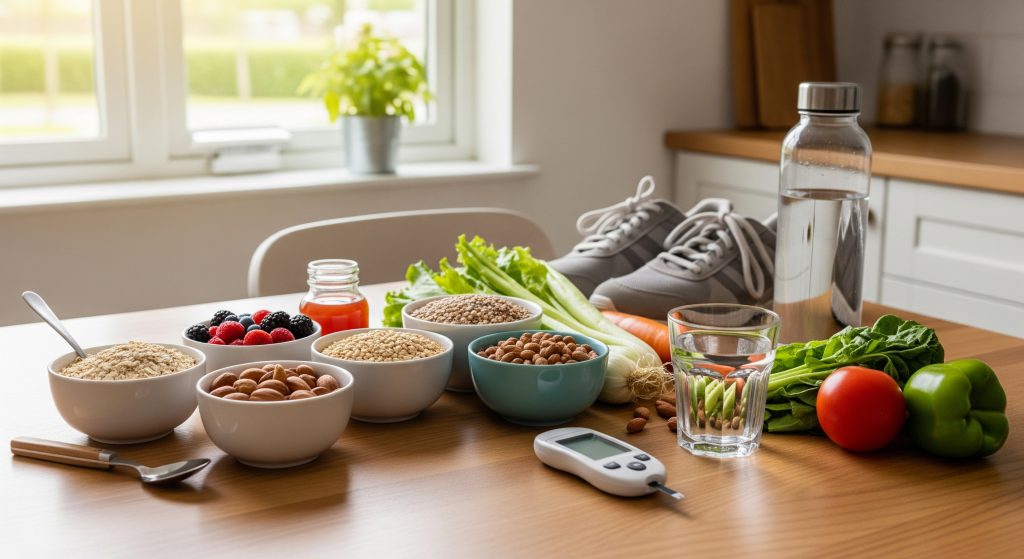
Glucose is responsive to behaviour. Small, consistent choices often move a borderline result back into the Fasting Glucose Normal Range. Here is how to lower fasting blood sugar without chasing fads or miracles. It is simply physiology applied well.
1. Increase Fibre and Choose Complex Carbohydrates
Fibre slows glucose absorption and improves satiety. A plate built around vegetables, pulses, whole grains, nuts, and seeds tamps down nocturnal glucose release. Over several weeks this often shifts fasting readings toward the Fasting Glucose Normal Range. In technical terms, higher fibre improves insulin sensitivity through gut microbiome changes and short chain fatty acid production. A simple swap works: porridge oats instead of sugary cereal, lentils instead of refined rice, and berries instead of juice. Small swaps. Big compounding effect.
- Prioritise whole, minimally processed carbohydrates.
- Add 5 to 10 grams of additional fibre per day for two weeks.
- Pair carbs with protein to steady overnight glucose.
2. Regular Physical Activity and Exercise
Exercise draws glucose into muscle independent of insulin during and after activity. That effect persists for hours. I advise a blend of brisk walking or cycling plus two short strength sessions weekly. This combination promotes glycogen turnover and improves insulin signalling. Morning readings commonly drift back toward a Fasting Glucose Normal Range after several consistent weeks. For busy schedules, micro sessions work: 10 minutes of stair climbing at lunch and 10 bodyweight sets after work. Consistency beats intensity.
3. Proper Hydration and Water Intake
Mild dehydration can concentrate blood glucose. I recommend a tall glass of water on waking, then steady intake through the morning. It supports kidney glucose handling and helps keep fasting values within a Fasting Glucose Normal Range. Replace sugary beverages with water or unsweetened tea. If using caffeine, match it with water to maintain balance. Simple habit, useful effect.
4. Apple Cider Vinegar and Probiotics
Evidence for vinegar is mixed, yet a small amount with evening meals may blunt post meal glucose. Probiotics can modulate gut flora, which may assist insulin signalling to a modest extent. I frame both as adjuncts, not core drivers. Diet, movement, and sleep deliver the bulk of the change. These aids may shave points off, nudging a result into the Fasting Glucose Normal Range, but only when the foundations are in place.
5. Beneficial Supplements: Chromium, Zinc, and Berberine
Berberine has credible mechanisms, including AMPK activation, that support improved glucose handling. Chromium and zinc participate in insulin action and secretion respectively, though human results vary. I handle supplements conservatively. Discuss interactions, dosing, and quality. Consider a time bound trial with baseline and follow up labs. The goal is a sustained return to a Fasting Glucose Normal Range without dependency.
- Use third party tested supplements only.
- Trial one change at a time for clear attribution.
- Monitor with scheduled repeat testing.
6. Sleep Quality and Stress Management
Poor sleep raises cortisol and growth hormone, which increase hepatic glucose output. Chronic stress does the same via the sympathetic axis. I recommend 7 to 9 hours of consistent sleep, a cool dark room, and a digital sunset. Add a brief wind down routine. For stress, a 10 minute breathing or mobility practice can lower sympathetic tone. Over weeks, these habits often move borderline values back into a Fasting Glucose Normal Range. Sleep is not optional physiology. It is foundational.
7. Portion Control and Meal Timing
Large late meals can elevate morning readings. Two approaches help. First, reduce the size of the last meal and centre it on protein, vegetables, and healthy fats. Second, shift calories earlier when feasible. Some individuals respond well to an earlier eating window. That pattern reduces the hours of overnight hyperglycaemia and supports a stable Fasting Glucose Normal Range. As always, sustainability matters more than enthusiasm.
- Finish the last meal 3 hours before bedtime when possible.
- Use a simple plate method to guide portions.
- Walk 10 to 15 minutes after dinner to aid disposal of glucose.
Conclusion
Fasting glucose is a powerful vital sign when read with context. Age, pregnancy, sleep, training, and stress all influence the morning number. The Fasting Glucose Normal Range is not a cliff edge. It is a guide rail for pattern recognition and decision making. Anchor to the fundamentals first: fibre rich food, regular movement, earlier and lighter dinners, hydration, and consistent sleep. Use technology and supplements only as adjuncts. Then retest. That rhythm of measure, adjust, and re measure is how small steps translate into lasting metabolic health.
What is the difference between fasting glucose and HbA1c tests?
Fasting glucose measures a single moment after an overnight fast. HbA1c reflects average glucose over roughly 8 to 12 weeks. Fasting is sensitive to last night’s meal, sleep, and stress. HbA1c is resilient to daily noise, though it can be affected by anaemia or haemoglobin variants. I use both: fasting for current state relative to a Fasting Glucose Normal Range and HbA1c for trend and risk stratification.
Can I drink water before a fasting glucose test?
Yes. Plain water is encouraged. It can prevent haemoconcentration and makes the draw easier. Avoid calories, sweeteners, alcohol, and vigorous morning exercise. This helps ensure your result reflects a true Fasting Glucose Normal Range reading instead of a distorted value.
Why is my fasting blood sugar high but A1c normal?
This pattern is common with dawn phenomenon or late heavy meals. Overnight hormones raise glucose before waking, while daytime levels remain acceptable. The average stays normal, but mornings look high. Adjusting meal timing and sleep can move the fasting value back into a Fasting Glucose Normal Range without changing HbA1c.
How quickly can lifestyle changes lower fasting glucose?
Roughly speaking, improvements can appear within 2 to 4 weeks if changes are consistent. Exercise and earlier dinners often produce the first shift. Fibre intake and sleep quality add momentum over the next month. I retest at 4 to 8 weeks. Trends, not single points, confirm a return to a stable Fasting Glucose Normal Range.
Should children be screened for high blood sugar?
Screen when symptoms, risk factors, or clinical judgement suggest a need. Family history, obesity, rapid weight gain, or acanthosis nigricans warrant attention. If an initial value is borderline, repeat on a quiet morning. The aim is to confirm whether fasting stays within a Fasting Glucose Normal Range across ordinary days.
What foods should I avoid to maintain healthy fasting glucose?
Limit refined carbohydrates, sugary drinks, and late ultra processed snacks. Prioritise vegetables, pulses, whole grains, lean protein, and healthy fats. Pair carbohydrates with protein or fibre. The meal pattern matters as much as the ingredients. That is how most people maintain a resilient Fasting Glucose Normal Range.
Quick reference
- Use a blood sugar levels chart as a guide, then confirm with repeat tests.
- Schedule the fasting blood glucose test after a routine evening and normal sleep.
- When asking how to lower fasting blood sugar, start with fibre, activity, hydration, sleep, and meal timing.
- Recheck in 4 to 8 weeks to verify a sustained Fasting Glucose Normal Range.
Maybe that is the point. Data helps only when behaviour follows.

