






 We do what's right for you...


Understanding Random Glucose Tests: A Guide to Blood Sugar Checkups
Dr. Juhee Chandra
Finger-prick tests look simple. The decision to use one at the right moment is not. A random glucose test can reveal a brewing problem fast, and it can also mislead if taken out of context. I wrote this guide to help a thoughtful reader use it well – not as a blunt instrument, but as part of a coherent plan to understand blood sugar levels and act early.
What is a Random Glucose Test and When Do You Need One
Random Glucose Test vs Fasting Glucose Test
A random glucose test measures your glucose at any point in the day. No fasting, minimal preparation, immediate signal. In contrast, a fasting glucose test measures the baseline after an overnight fast. The two tests answer different questions. I use the random reading as a quick screen and the fasting value to confirm a pattern.
For diagnosis, thresholds matter. As StatPearls notes, a random glucose level of 200 mg/dL or higher suggests diabetes, while a fasting value of 126 mg/dL or higher is used in a formal diagnosis.
- Random test – practical for immediate assessment during routine or urgent visits.
- Fasting test – better baseline for metabolic status, especially if treatment decisions follow.
- Both tests – complementary, not interchangeable.
In practice, an abnormal random glucose test prompts structured follow-up. That might include a fasting measurement, an oral glucose tolerance test, or an hba1c test to capture longer-term control. I see the random test as a gatekeeper. Fast, useful, but not the last word.
Key Situations Requiring Random Glucose Testing
I reach for a random glucose test when time and context demand speed. Consider these scenarios:
- Someone presents with classic diabetes symptoms – increased thirst, frequent urination, blurred vision, unexpected weight loss.
- A person is acutely unwell, and blood sugar levels could influence immediate management.
- A routine visit reveals risk factors, and a same-visit screen improves compliance.
- There is a need to check a suspected low reading quickly during an episode.
Used this way, a random glucose test reduces delay and surfaces urgent issues. It is basically a fast triage for glycaemic risk.
Who Should Get Random Glucose Tests
Screening works best when risk is non-trivial. I consider a random glucose test for individuals with a family history, past gestational diabetes, polycystic ovary syndrome, overweight with central adiposity, or cardiovascular disease. Those experiencing diabetes symptoms should be tested promptly. Early signals are valuable. An elevated reading does not diagnose on its own, but it justifies targeted follow-up.
Frequency of Testing for Different Risk Groups
Frequency depends on risk, symptoms, and treatment status:
- Low-risk adults without symptoms – opportunistic screening during routine care is reasonable.
- Higher risk due to family history or metabolic markers – periodic checks make sense, and results should feed into a plan.
- Prediabetes – scheduled monitoring to watch progression, plus structured lifestyle intervention.
- Established diabetes – regular self-monitoring and periodic laboratory testing aligned with the care plan.
Illness, medication changes, and major lifestyle shifts can justify extra checks. A random glucose test is quick, so it fits dynamic situations. I still confirm changes with more specific tests before making long-term decisions.
Random Glucose Test Procedure and Results Interpretation
How the Test is Performed
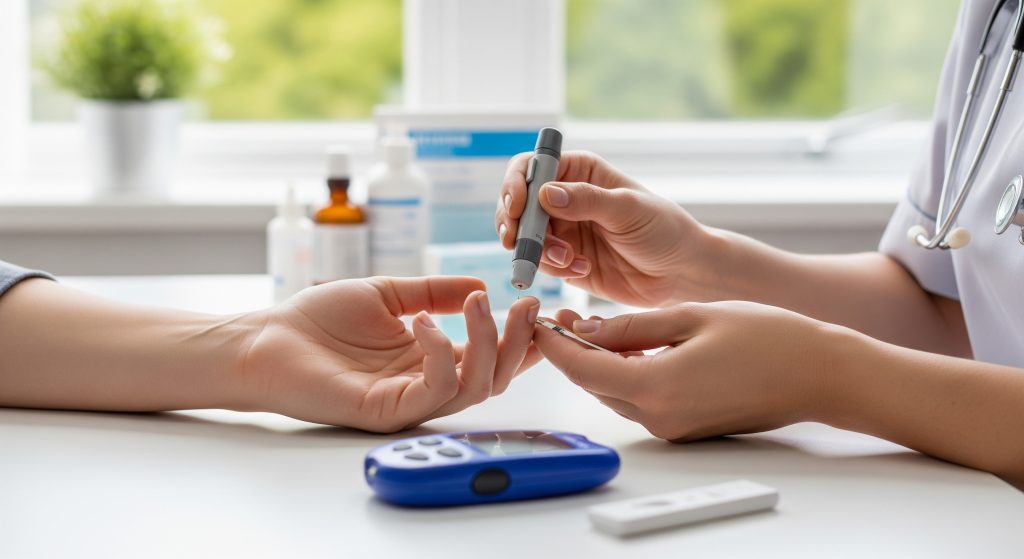
The process is straightforward. A clinician performs a finger prick for a capillary sample or draws venous blood for plasma glucose. The capillary route offers a rapid reading at point of care. Venous plasma provides a laboratory value that many guidelines prefer for decisions. Preparation is minimal. I ask patients to share all medicines and supplements in advance, because some agents can influence blood sugar levels and interfere with meters.
- Confirm indication and recent symptoms.
- Wash and dry hands to reduce contamination.
- Collect capillary or venous sample with standard technique.
- Document timing relative to food, exercise, and medicines.
- Interpret the value in context, then choose follow-up steps.
Technique matters. Poor sampling or miscalibrated devices can skew a random glucose test. I build small checks into the workflow to minimise error.
Understanding Your Blood Sugar Levels
Context drives interpretation. A single random reading interacts with meal timing, recent activity, and stress. I ask two questions. First, is the number broadly compatible with the story and timing. Second, does the number push me to confirm with a fasting test, an oral glucose tolerance test, or an hba1c test.
- If a value is unexpectedly high, I repeat or confirm with a different method.
- If a value is low with compatible symptoms, I treat promptly and then investigate causes.
- If a value sits in a grey zone, I schedule formal testing and lifestyle review.
The goal is not to chase numbers. It is to understand patterns, reduce risk, and decide prudently.
Normal Random Glucose Ranges by Age
Clinics often apply similar diagnostic cut-offs across age groups, while acknowledging physiological variation. Paediatric interpretation considers growth, feeding patterns, and illness. In older adults, comorbidity and medicines influence readings and targets. I prefer to anchor interpretation to the clinical picture and the diagnostic thresholds already established, then tailor management by age and frailty.
|
Group |
Interpretive notes |
|
Children and adolescents |
Consider recent intake, illness, and growth phases. Confirm unexpected values with repeat or laboratory testing. |
|
Adults |
Use standard thresholds for screening. Confirm borderline results with fasting or hba1c test. |
|
Older adults |
Account for comorbidities and medicines. Set pragmatic targets to balance safety and quality of life. |
Numbers do not live alone. Age modulates risk tolerance and treatment intensity.
What Abnormal Results Mean
Abnormal values fall into two broad types. Elevated readings suggest hyperglycaemia and the possibility of diabetes. Low readings indicate hypoglycaemia and potential overtreatment, missed meals, or other drivers. For diagnosis, a random glucose test of 200 mg/dL or higher is considered diagnostic when consistent with a typical clinical picture. That threshold is widely cited and sits alongside fasting and tolerance criteria.
Factors That Can Affect Test Results
A random glucose test is sensitive to timing and physiology. Key influences include:
- Food and drink – quantity, glycaemic load, and recency.
- Exercise – both acute and delayed effects on glucose disposal.
- Stress and illness – hormonal shifts can raise readings temporarily.
- Medicines and supplements – some alter glucose or interfere with meters.
- Sampling factors – technique, site, and device calibration.
Diet composition matters to an extent. The balance of carbohydrates and activity shapes post-meal blood sugar levels. I document these variables at the time of testing. It avoids chasing artefacts that look like disease.
Recognising Diabetes Symptoms and Related Tests
Early Diabetes Symptoms to Watch For
Diabetes often declares itself through everyday discomforts. The pattern is recognisable:
- Thirst beyond usual, often with dry mouth.
- Frequent urination, including night-time trips.
- Blurred vision or slow wound healing.
- Unexplained fatigue or weight change.
If these diabetes symptoms appear together, I recommend prompt testing. A random glucose test is a sensible first step while arranging confirmatory testing. Early detection shortens the gap to treatment.
Hypoglycemia Symptoms and Warning Signs
Low glucose states can develop quickly. Typical hypoglycemia symptoms include shakiness, sweating, irritability, and confusion. Severe episodes can cause seizures or loss of consciousness. Treatment prioritises fast-acting carbohydrates, followed by a structured review to prevent recurrence.
- Recognise symptoms early and test immediately if possible.
- Treat first. Investigate next.
- Review medicines, meals, and activity patterns after recovery.
Awareness can fade after repeated events. Education and a clear plan reduce risk. A pocket source of glucose helps in daily life and during travel.
HbA1c Test vs Random Glucose Test
The hba1c test measures the average of blood sugar levels over roughly 2 to 3 months. It does not require fasting and is excellent for monitoring treatment and long-term risk. A random glucose test reads the moment. I use both. One shows the current state, the other shows the trajectory.
For diagnosis, thresholds again guide decisions. Endotext summarises criteria that include an HbA1c of 6.5% or higher, fasting plasma glucose of 126 mg/dL or higher, and random glucose of 200 mg/dL or higher when compatible with symptoms.
Neither test is perfect. HbA1c can be affected by conditions altering red cell turnover. The random glucose test swings with meals and stress. Used together, they give a balanced view.
Additional Diagnostic Tests for Diabetes
Two additional tools round out the picture:
- Oral glucose tolerance test – a dynamic assessment of how the body handles a measured glucose load.
- Venous laboratory glucose – a reference value when point-of-care results are uncertain.
In practice, I pair a random glucose test with either a fasting measurement or an hba1c test for clarity. Complex cases benefit from an oral tolerance test to reveal post-meal spikes. The sequence depends on clinical probability and patient preference.
When to Seek Immediate Medical Attention
Urgent care is warranted when symptoms suggest a dangerous high or low. Severe thirst with vomiting, deep fatigue, rapid breathing, or abdominal pain can herald a hyperglycaemic crisis. Confusion, seizures, or loss of consciousness suggests severe hypoglycaemia. Do not delay. Seek emergency support and treat per protocol if trained.
A random glucose test can assist triage during these episodes, but safety comes first. Manage the emergency, then investigate causes and adjust therapy.
Making Informed Decisions About Glucose Testing
A good plan starts with intent. I begin by clarifying the question: screening, diagnosis, monitoring, or acute assessment. Then I select the right test and the right timing. A random glucose test excels when immediacy and access are critical. An hba1c test excels when long-term control is the question. Fasting and tolerance tests answer more precise metabolic questions.
Here is a simple decision flow that I use in clinics:
- If symptoms are present or risk is high, perform a random glucose test during the visit.
- If the value is clearly abnormal, confirm with fasting or hba1c test promptly.
- If the value is borderline, schedule structured testing and review lifestyle factors.
- If low values occur with symptoms, treat immediately and prevent recurrence.
Data should inform, not overwhelm. The aim is consistent control, fewer surprises, and a clear understanding of blood sugar levels across daily life.
Can I eat before a random glucose test?
Yes. Eating does not invalidate a random glucose test, because the test captures your level at that specific moment. Please share the timing and content of your last meal. It helps me interpret the reading in context and decide next steps.
How accurate is a random glucose test for diagnosing diabetes?
It is a valuable screening tool, but diagnosis rests on established thresholds and confirmatory testing. A random glucose test can indicate diabetes when the value is high and symptoms fit. I still confirm with a fasting measurement or an hba1c test. Accuracy improves when the test is part of a structured plan, not a standalone datapoint.
What is the difference between random and postprandial glucose tests?
A random glucose test can be taken at any time. A postprandial test is timed after a meal, commonly at a fixed interval. The post-meal test evaluates how your body handles a predictable glucose load. I use the random test for quick screening and the postprandial test for targeted questions about post-meal excursions.
How often should diabetics check their random blood sugar?
It depends on treatment and goals. Those using insulin often check more frequently, including before meals and at bedtime. Others may check less often, focusing on patterns and safety. I tailor frequency to therapy, risk of hypoglycaemia, and daily routine. The aim is sufficient data to guide action without undue burden.
Can stress affect random glucose test results?
Yes. Acute stress can raise readings through hormonal effects. I record stressors alongside the value when interpreting a random glucose test. If stress is a plausible driver, I often repeat the test or use a fasting or hba1c test to verify the picture.
Is 150 mg/dL random blood sugar normal?
It depends on timing and context. After a meal, a reading around that level may be compatible with recent intake. In the absence of food, it warrants closer attention. Remember, as StatPearls notes, a random value of 200 mg/dL or higher, with symptoms, points towards diabetes. Values below that threshold still deserve careful interpretation.
What should I do if my random glucose is borderline high?
Document the timing of food, activity, and medicines. Arrange confirmatory testing – fasting glucose and an hba1c test are both appropriate. Review lifestyle factors that influence blood sugar levels, including sleep and stress. If results remain elevated, discuss a structured management plan. Steady action beats isolated readings.

