






 We do what's right for you...


What Are the Main Pterygium Causes? Explained Simply
Dr. Krishna Vaitheeswaran
Conventional wisdom says pterygium is just a cosmetic nuisance. A little fleshy growth near the eye that looks unsightly but doesn’t really matter. That thinking has led countless people to ignore early warning signs until they’re sitting in a surgeon’s office, wondering how a “harmless” growth started affecting their vision. The reality is that understanding pterygium causes isn’t just academic curiosity. It’s the foundation for preventing a condition that affects millions across India and can genuinely threaten eyesight if left unchecked.
Primary Pterygium Causes
Before diving into treatment or surgery, it makes sense to understand what actually triggers this fleshy, wing-shaped growth on the conjunctiva. Most people think of it as something that just happens with age. But there’s quite a bit more to the story.
1. Ultraviolet Light Exposure
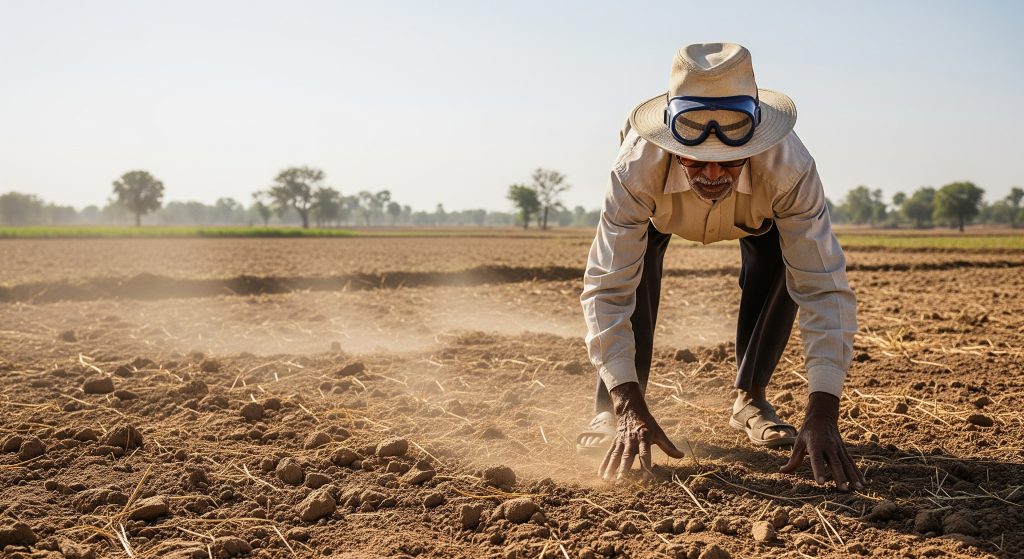
If there’s one pterygium cause that deserves most of the blame, it’s UV radiation. Think of your eye’s surface like a piece of fabric left in the sun year after year. Eventually, that fabric breaks down, changes colour, and warps. Something similar happens at the cellular level in your eye.
According to the Journal of the College of Physicians and Surgeons Pakistan, UV rays induce mutations in limbal basal stem cells. These are the cells responsible for maintaining the boundary between the clear cornea and the white conjunctiva. When they mutate, you get abnormal protein expression that leads to fibrovascular growth. It’s basically your eye trying to protect itself but going about it all wrong.
The connection to geography is striking. Research from Spandidos Publications shows increased pterygium incidence in populations near the equator where UV exposure is highest. This explains why the condition is sometimes called “surfer’s eye” in Australia and coastal regions. Outdoor workers face particularly elevated risk, with ocular sun exposure showing direct correlation to pterygium development.
Here’s something worth noting. The damage is cumulative. Twenty years of moderate sun exposure can have the same effect as five years of intense exposure. It’s not about that one beach holiday. It’s about lifetime patterns.
2. Dry and Dusty Environments
Living in a dry, dusty region is essentially living with constant low-grade eye irritation. The conjunctiva gets irritated, and over time, that chronic irritation can trigger the same protective overgrowth that UV exposure causes. Different path, similar destination.
The Cleveland Clinic identifies sustained exposure to dry conditions and environmental irritants as a primary cause of pterygium. The mechanism involves inflammation. When your eye is constantly fighting off dust and dryness, that inflammatory response can become chronic. The tissue responds by growing where it shouldn’t.
This is particularly relevant for anyone living in India’s drier northern plains or working in construction, mining, or agricultural settings where dust is simply part of daily life. Air conditioning might seem like a modern convenience, but spending hours in artificially dried air can contribute to the same problem.
3. Wind and Environmental Irritants
Wind exposure often gets overlooked because it seems so benign. But consider what wind actually does to your eyes. It accelerates tear evaporation. It carries particles directly onto the eye surface. It forces more frequent blinking and squinting.
Riders, cyclists, farmers working in open fields, and fishermen all face elevated risk. It’s not the wind alone. It’s the combination of wind with UV exposure and whatever particles that wind is carrying. The eyes are essentially under siege from multiple directions.
What’s particularly frustrating about this cause is that many people don’t connect the dots. They might protect themselves from the sun with sunglasses but not think about wind protection. Or they might work near dusty areas without considering that the wind is carrying that dust directly into their eyes multiple times per second.
4. Genetic Predisposition
Not everyone exposed to the same environmental factors develops pterygium. Why? Genetics plays a role that’s often underestimated.
A nationwide study in Taiwan published in Nature Scientific Reports found that familial prevalence of pterygium was significantly higher among individuals with affected first-degree relatives. If your parent or sibling has pterygium, your own risk is elevated regardless of where you live or work.
The study also revealed something important. Non-shared environmental factors accounted for a significant portion of the phenotypic variance alongside genetic factors. In plain language, it’s not either genes OR environment. It’s both working together. Some people are simply dealt a hand that makes them more vulnerable to environmental triggers.
5. Chronic Eye Inflammation
Here’s where things get a bit circular but stay with me. Inflammation causes pterygium. But pterygium also causes inflammation. This creates a cycle that can accelerate the condition once it starts.
Chronic irritation from conditions such as wind, dust, and allergies leads to progressive inflammation that damages the conjunctival tissue. As ADV Vision Centers notes, this sustained inflammatory state contributes directly to pterygium formation and growth.
People with conditions like chronic dry eye syndrome, allergic conjunctivitis, or those who use contact lenses improperly may already have elevated baseline inflammation. Adding UV exposure or dusty environments to that mix accelerates the timeline considerably.
Risk Factors and Prevention Strategies
Understanding pterygium causes is one thing. Knowing who’s most at risk and what can actually be done about it? That’s the practical knowledge that makes a difference.
High-Risk Occupations and Activities
Some jobs essentially guarantee prolonged exposure to pterygium risk factors. The list might be longer than expected:
-
Agricultural workers – combining sun exposure with dust and wind
-
Construction labourers – dust, debris, and outdoor work
-
Fishermen and maritime workers – intense UV reflection from water
-
Road workers and traffic police – hours in direct sunlight with vehicle exhaust particles
-
Outdoor sports coaches and athletes – chronic sun and wind exposure
-
Welders – UV radiation from welding arcs (even with protection, cumulative exposure matters)
But occupation isn’t everything. Recreational activities matter too. Regular golfers, cricket players, hikers, and beach-goers accumulate significant UV exposure over decades. The difference between occupational and recreational exposure is mainly about hours per day. The damage mechanism remains identical.
Geographic and Climate Factors
Where someone lives shapes their pterygium risk profile substantially. India’s geography creates distinct risk zones:
|
Region Type |
Primary Risk Factors |
Risk Level |
|---|---|---|
|
Coastal areas (Kerala, Tamil Nadu, Gujarat) |
UV reflection from water and sand |
High |
|
Arid regions (Rajasthan, parts of Maharashtra) |
Dust, dry air, intense sun |
Very High |
|
High altitude (Himalayan regions) |
Intense UV at elevation, wind |
High |
|
Urban centres with pollution |
Particulate matter, dry AC environments |
Moderate |
|
Humid tropical areas with cloud cover |
Reduced direct UV |
Lower |
The “pterygium belt” is a term sometimes used for regions between 37 degrees north and south latitude. Most of India falls squarely within this zone. Geographic destiny? Perhaps. But definitely something that should influence protective behaviours.
Age and Gender Considerations
Pterygium typically appears between ages 20 and 50, with incidence peaking in the 30-40 age range. This might seem counterintuitive. Shouldn’t older people have more accumulated UV damage? They do. But pterygium often starts developing during working years when outdoor exposure is highest.
The gender split is interesting. Men have traditionally shown higher pterygium rates, likely due to occupational patterns rather than any biological predisposition. However, this gap narrows in populations where women work outdoors as frequently as men. It’s exposure, not sex, that drives the difference.
One thing that doesn’t get mentioned enough. Children are accumulating UV damage even before anyone notices. By the time pterygium symptoms appear in adulthood, decades of damage may already be done. Prevention should really start in childhood.
Protective Measures Against Pterygium
Don’t bother with a dozen half-hearted measures. Focus on three things that actually matter:
First and most important: quality sunglasses. Not the cheap ones from a street vendor. Wraparound UV-blocking sunglasses that actually shield the eyes from peripheral light. The “surfer’s eye” name exists because surfers often wear standard sunglasses that let UV sneak in from the sides. Look for UV400 rating minimum.
Second: wide-brimmed hats. A baseball cap isn’t enough. The goal is to shade the entire face and reduce UV hitting the eye area. This simple addition can cut UV exposure by up to 50%.
Third: artificial tears. Keeping the eye surface lubricated reduces the inflammatory response to environmental irritants. For anyone in dry climates or air-conditioned offices, regular use of preservative-free artificial tears is cheap insurance against chronic irritation.
Everything else – specialised goggles, face shields, humidifiers – helps but falls into the “nice to have” category. Master the first three before worrying about anything else.
Early Warning Signs and Pterygium Symptoms
Catching pterygium early makes treatment simpler and reduces the likelihood of needing pterygium surgery. Here’s what to watch for:
-
A yellowish or slightly raised patch on the white of the eye, usually starting on the nasal side
-
Persistent sensation of something in the eye (foreign body sensation)
-
Redness or irritation that doesn’t resolve with rest
-
Dry eye symptoms concentrated on one side
-
Slight blurring of vision in advanced cases
The tricky bit is that early pterygium symptoms often get dismissed as allergies or tiredness. The growth can be present for months or years before becoming obvious. By the time it’s clearly visible as a pinkish wedge creeping toward the cornea, it’s been developing for quite some time.
A useful habit. Look at your eyes in good lighting every few months. Any change in the appearance of the white area near the coloured part of your eye warrants a check-up.
Pterygium Treatment Options
So the pterygium is there. Now what? The approach depends entirely on how symptomatic it is and how much it’s affecting vision or comfort.
Conservative Management Methods
Not every pterygium needs surgery. In fact, most don’t. The single most frustrating part of pterygium treatment is that patients often hear “watch and wait” when they want immediate action. But there’s wisdom in conservative management for stable, non-vision-threatening cases.
Conservative approaches include:
-
Lubricating eye drops – artificial tears to reduce irritation and foreign body sensation
-
Anti-inflammatory drops – short courses of mild steroid drops during flare-ups
-
Decongestant drops – occasionally used for cosmetic improvement (reducing redness)
-
Environmental modifications – UV protection, wind barriers, humidification
The goal here isn’t to make the pterygium disappear. It won’t. Conservative management aims to slow progression, minimise symptoms, and delay or avoid the need for pterygium surgery. For many people, especially those with small, stable growths, this is a perfectly acceptable long-term approach.
When Pterygium Surgery Becomes Necessary
Surgery enters the conversation under specific circumstances:
-
Vision impairment – when the growth encroaches on the cornea enough to distort vision or cause astigmatism
-
Significant cosmetic concern – when the appearance causes psychological distress
-
Persistent discomfort – when symptoms don’t respond adequately to conservative treatment
-
Rapid growth – when the pterygium is expanding noticeably over months
-
Pre-surgical requirement – when the pterygium interferes with planned cataract surgery or other procedures
The decision isn’t always straightforward. A pterygium might be visually annoying but medically stable. Another might look minimal but be actively threatening vision. This is where a proper ophthalmological assessment becomes essential rather than optional.
Modern Surgical Techniques
Pterygium surgery has evolved considerably. The old excision-only approach had recurrence rates as high as 40-50%. Modern techniques have reduced this dramatically.
Current preferred methods include:
Conjunctival Autograft (CAG): The surgeon removes the pterygium and covers the bare area with a piece of the patient’s own healthy conjunctiva, usually taken from under the upper eyelid. Recurrence rates drop to 5-10%.
Amniotic Membrane Transplant (AMT): Instead of using the patient’s own tissue, processed human amniotic membrane is grafted over the excision site. Useful when there isn’t enough healthy conjunctiva available.
Adjunctive Mitomycin-C: This anti-metabolite medication is applied during surgery to inhibit abnormal cell regrowth. It’s particularly useful in cases with high recurrence risk but requires careful dosing.
The surgery itself typically takes 30-45 minutes under local anaesthesia. Most patients go home the same day. It sounds straightforward. And it usually is. But the real measure of success isn’t the surgery itself. It’s whether the pterygium stays gone.
Post-Treatment Care and Recovery
The first week after pterygium surgery is genuinely uncomfortable. There’s no point sugar-coating it. The eye feels scratchy, gritty, and irritated. Redness is significant. Light sensitivity is common.
Typical recovery timeline:
|
Time Period |
What to Expect |
|---|---|
|
Days 1-3 |
Significant discomfort, tearing, redness. Eye patch often worn. |
|
Days 4-7 |
Discomfort reducing. Redness persists. Sutures may cause foreign body sensation. |
|
Weeks 2-4 |
Gradual improvement. Most return to work. Redness slowly fading. |
|
Months 1-3 |
Near-complete healing. Cosmetic appearance improving. Watch for recurrence signs. |
Post-operative drops are essential. Antibiotic drops prevent infection. Steroid drops control inflammation. Artificial tears provide comfort. Skipping drops to save a few rupees is a false economy that risks complications.
Long-term Management Strategies
Here’s the thing about pterygium treatment that often catches people off guard. Even successful surgery doesn’t eliminate the underlying susceptibility. The same environmental factors that caused the original pterygium can cause another one or cause recurrence of the treated one.
Long-term management essentials:
-
Continued UV protection. Forever. Not negotiable.
-
Regular ophthalmology reviews, initially every few months, then annually
-
Immediate attention to any returning pterygium symptoms
-
Ongoing use of lubricating drops, especially in dry conditions
-
Avoiding contact lens use during healing and following surgeon’s guidance afterward
Recurrence is most likely in the first year post-surgery. After 18-24 months without recurrence, the risk drops substantially but never reaches zero. This is a managed condition, not a cured one.
Understanding Pterygium Causes for Better Eye Health
Every piece of this puzzle connects back to understanding pterygium causes. The UV exposure. The dry environments. The genetic susceptibility. The chronic inflammation. These aren’t isolated facts to memorise. They’re the framework for making informed decisions about eye protection and pterygium treatment.
Someone who understands that their job exposes them to multiple risk factors can take protective action decades before pterygium develops. Someone with family history can be especially vigilant about UV protection and regular eye checks. Someone who catches pterygium symptoms early has more and better options than someone who waits until vision is affected.
The eyes don’t get replaced. They need to last a lifetime. Making that happen requires understanding the threats and responding accordingly. Pterygium isn’t inevitable, even in high-risk populations. It’s preventable, manageable, and treatable. But only if approached with eyes wide open. Literally.
Frequently Asked Questions
Can pterygium cause permanent vision loss?
In most cases, no. Pterygium typically causes temporary visual disturbances like astigmatism that can be corrected once the growth is removed. Permanent vision loss is rare and usually only occurs in severely neglected cases where the pterygium has grown over the central cornea and caused scarring. Early intervention prevents this outcome in virtually all cases.
Is pterygium hereditary?
There’s a genetic component. If first-degree relatives have pterygium, individual risk is elevated. But genetics alone doesn’t cause pterygium. It creates susceptibility that environmental factors then trigger. A person with family history living in a low-UV environment with excellent eye protection might never develop pterygium. Someone without family history working outdoors in Rajasthan without sunglasses almost certainly will.
How long does pterygium surgery recovery take?
Most people feel reasonably comfortable within 1-2 weeks and can return to desk work during this period. Full healing takes 1-3 months depending on surgical technique and individual healing capacity. Strenuous activity and swimming are typically restricted for 4-6 weeks. The eye appearance continues improving for several months after the discomfort has resolved.
Can pterygium grow back after removal?
Yes, recurrence is possible. With modern surgical techniques like conjunctival autografting, recurrence rates are around 5-10%. Bare sclera excision without grafting has much higher recurrence rates of 30-50%. Risk factors for recurrence include younger age at surgery, larger original pterygium, and continued UV exposure without protection after surgery.
What are the first pterygium symptoms to watch for?
The earliest sign is often a slightly elevated, yellowish area on the white of the eye near the cornea, typically on the nasal side. This may be accompanied by mild redness or a persistent foreign body sensation. Many people dismiss early symptoms as tiredness or allergies. Any persistent change in the appearance of the eye’s surface warrants examination.
Is pterygium treatment covered by insurance in India?
Coverage varies by policy and insurer. Medical necessity is the key factor. When pterygium affects vision or causes significant symptoms documented by an ophthalmologist, most health insurance policies cover surgical treatment. Purely cosmetic removal without functional impairment may not be covered. Checking specific policy terms and obtaining pre-authorisation when required is advisable. Government health schemes like Ayushman Bharat typically cover pterygium surgery when medically indicated at empanelled hospitals.

