






 We do what's right for you...


Septoplasty Recovery Time and Tips for a Smoother Healing Process
Dr. Poonam Singla
Disclaimer: The content shared here is for informational purposes only. Always consult a specialist doctor before attempting any treatment, procedure, or taking any medication independently.
Recovery from surgery rarely unfolds the way the internet suggests. Scrolling through forums late at night, reading about miraculous two-day bounces back to normal life, and then comparing those stories to the reality of staring at the ceiling with gauze stuffed up the nose – it’s enough to make anyone anxious. The truth about septoplasty recovery sits somewhere between those overnight success tales and the doom-and-gloom worst-case scenarios. It’s a process. Sometimes frustrating. Often boring. But entirely manageable when expectations are grounded in reality rather than wishful thinking.
Deviated septum surgery recovery isn’t glamorous, but understanding what each phase looks like can transform the experience from bewildering to bearable. This guide breaks down the entire septoplasty recovery period week by week, covers practical tips that actually work, and helps identify when something might genuinely require medical attention versus when patience is the only prescription needed.
Septoplasty Recovery Timeline: What to Expect Week by Week
First 24-48 Hours After Surgery
The first two days post-surgery are about survival mode, plain and simple. Grogginess from anaesthesia lingers longer than expected, and most patients find themselves drifting in and out of sleep. The nose will likely be packed with gauze or silicone splints, creating that delightful sensation of a permanent head cold multiplied by ten.
Bleeding is normal during this window. Not gushing – that’s a different conversation – but steady oozing that requires changing the drip pad (that little moustache-shaped gauze) every few hours. Pain levels vary wildly between individuals, though most describe it as more uncomfortable than agonising. Think of it like the worst sinus pressure imaginable, combined with the awareness that something significant just happened inside the face.
What matters most during these initial hours:
-
Stay ahead of pain with prescribed medications
-
Keep the head elevated – even during sleep
-
Resist any urge to touch, adjust, or inspect the nose
-
Accept that breathing will happen through the mouth for now
Days 3-7: Early Recovery Phase
By day three, the anaesthesia fog lifts completely and reality sets in. This is when many patients hit a mental wall. The novelty of being post-surgery wears off, but the discomfort hasn’t. Swelling peaks around days three through five, which means breathing might actually feel worse before it improves. Sounds counterintuitive, doesn’t it?
Nasal packing removal typically occurs somewhere between day three and day seven, depending on the surgeon’s approach. The moment those splints come out is difficult to describe – a peculiar combination of instant relief and strange vulnerability. Some patients experience a brief sensation of vertigo. Others describe it as oddly satisfying. Almost everyone agrees they can finally breathe marginally better immediately afterward.
During this phase, crusting begins inside the nasal passages. It’s unsightly, uncomfortable, and absolutely normal. Saline sprays become a constant companion. The temptation to blow the nose aggressively hits hard around day five. Don’t do it. That simple act could undo careful surgical work.
Week 2: Returning to Light Activities
As BeckerENTAndAllergy notes, patients can start incorporating light activities such as walking and gentle stretching during week two, helping maintain circulation and energy levels. The keyword here is light. A gentle stroll around the block is acceptable. Training for a marathon is not.
Energy levels begin returning, though fatigue still appears unexpectedly. Many patients describe feeling fine in the morning and then hitting a wall by early afternoon. This is normal. The body is still healing internally, even when external symptoms diminish.
Week two marks the typical point for follow-up appointments. ClevelandClinic indicates that around the two-week mark, patients often have splints or remaining dressings removed during these visits. This appointment also provides an opportunity to address concerns and get clearance for gradually increased activity.
But here’s what most guides won’t mention: week two often brings unexpected emotional swings. The isolation of recovery, combined with residual discomfort and the inability to exercise normally, can affect mood significantly. This passes. Knowing it might happen helps.
Weeks 3-4: Gradual Normalisation
Now things start feeling more recognisable. Breathing improves noticeably, though occasional congestion remains. Most patients return to work during this period, provided their jobs don’t involve heavy physical labour. Office work, remote work, and similar sedentary activities generally receive the green light.
Swelling continues resolving, both inside and outside the nose. The septoplasty recovery period enters its most deceptive phase – feeling good enough to resume normal activities but not actually being healed enough for everything. Strenuous exercise remains off-limits. Contact sports stay firmly in the “absolutely not” category.
Sleep quality improves dramatically for many patients during weeks three and four. The ability to breathe more freely at night often represents the first tangible benefit of having undergone the surgery. That moment of lying down and actually breathing through the nose without obstruction? Worth celebrating.
Weeks 5-6: Full Recovery Expectations
According to ClevelandClinic, patients usually experience significant reductions in swelling and enhanced nasal function by weeks five and six. The light at the end of the tunnel becomes unmistakably bright.
Most patients receive clearance for moderate activities during this window. Swimming, light jogging, and non-contact gym work typically get approved. Heavy lifting and high-impact sports may require waiting a bit longer, but daily life returns to something resembling normal.
Internal healing continues beyond what’s visible or felt. The nasal structures are stabilising, the cartilage is settling into its new position, and the mucosa is regenerating. Full recovery extends beyond this six-week window – most surgeons cite three to six months for complete internal healing – but functional recovery largely concludes here.
Factors Affecting Recovery Duration
Not everyone heals on the same schedule. Several variables influence how quickly septoplasty recovery progresses:
|
Factor |
Impact on Recovery |
|---|---|
|
Age |
Younger patients typically heal faster; older patients may need additional time |
|
Smoking status |
Smokers experience significantly delayed healing and higher complication rates |
|
Overall health |
Chronic conditions like diabetes can slow tissue repair |
|
Concurrent procedures |
Combining septoplasty with turbinate reduction or rhinoplasty extends recovery |
|
Compliance with instructions |
Following post-operative guidelines closely correlates with faster healing |
Follow-up visits remain essential throughout the recovery period. These appointments allow surgeons to monitor healing progression and catch potential complications early.
Essential Septoplasty Recovery Tips for Faster Healing
Proper Head Elevation Techniques
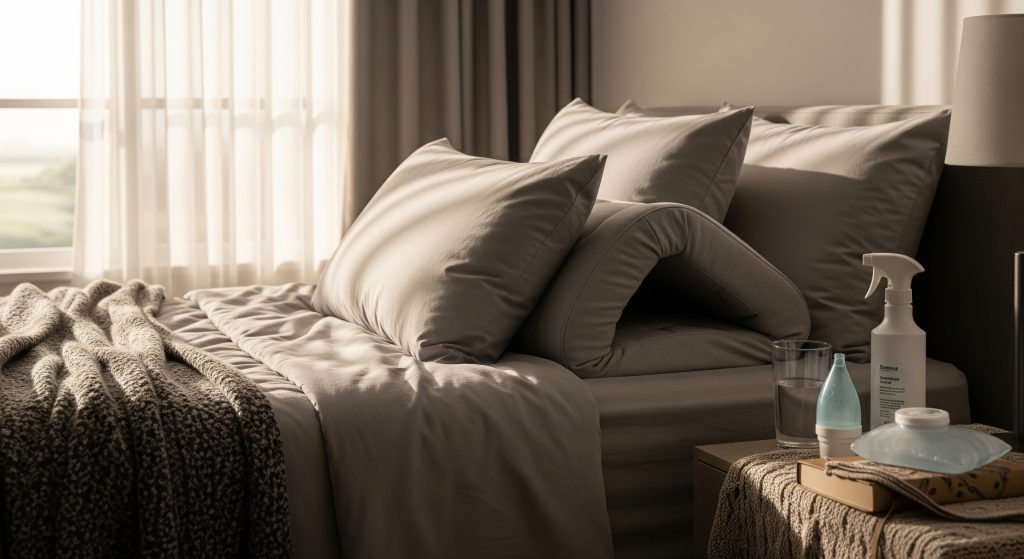
Sleeping propped up ranks among the most annoying but genuinely important recovery requirements. The goal is keeping the head elevated above the heart to reduce swelling and minimise bleeding. A 30 to 45-degree angle works best for most patients.
The wedge pillow approach works well for many people – it’s a large triangular pillow that creates a consistent incline. Others prefer stacking multiple regular pillows, though these tend to shift during sleep. Reclining chairs offer another option, particularly during the first week when the elevation requirement is most critical.
Commitment to elevation matters most during the initial 10-14 days. After that period, gradually transitioning back to normal sleeping positions becomes possible, though some patients find they prefer the elevated position for longer due to improved breathing comfort.
Nasal Care and Cleaning Methods
Saline spray becomes an absolute essential. Use it frequently – every two to three hours during waking hours for the first two weeks. The saline keeps nasal tissues moist, helps loosen crusting, and supports the healing mucosa.
Avoid the temptation to pick at crusts. This is harder than it sounds. Those crusts are protecting healing tissue underneath. When they’re ready to come away, they will. Until then, gentle saline irrigation does the work.
For saline rinses (as opposed to sprays), many surgeons recommend waiting until week two or later. The gentle pressure from a neti pot or squeeze bottle can disturb healing tissue if introduced too early. Always follow specific instructions from the surgical team on timing.
Pain Management Strategies
Most patients receive prescriptions for pain medication post-surgery, but many find they transition to over-the-counter options within a few days. Paracetamol generally gets the green light. Ibuprofen and aspirin require caution – they can increase bleeding risk, so many surgeons recommend avoiding them for the first week or two.
Ice packs applied to the cheeks and forehead (not directly on the nose) help with both pain and swelling during the first 48-72 hours. Twenty minutes on, twenty minutes off provides a good rhythm. After the first few days, ice becomes less necessary as acute swelling subsides.
Honest communication with the medical team about pain levels matters. There’s no prize for suffering unnecessarily, and uncontrolled pain can actually slow healing by increasing stress hormones. If prescribed medication isn’t cutting it, say something.
Dietary Guidelines During Recovery
Hydration takes priority. Drinking plenty of water supports healing and helps thin nasal secretions. Aim for at least two litres daily during the recovery period.
Soft foods make life easier during the first few days when mouth breathing is mandatory. Soups, smoothies, yoghurt, and scrambled eggs require minimal chewing and won’t create pressure changes in the nasal cavity. Avoiding extremely hot foods and beverages reduces the risk of increased bleeding.
Foods worth avoiding during septoplasty recovery:
-
Spicy dishes (can irritate healing tissues)
-
Crunchy foods requiring vigorous chewing (creates facial tension)
-
Alcohol (interferes with medication and increases bleeding risk)
-
Excessive salt (contributes to swelling)
Fibre matters more than people expect. Constipation from pain medications is common, and straining during bowel movements creates pressure that isn’t good for a healing nose. Prunes, whole grains, and vegetables become surprisingly important.
Activity Restrictions and Modifications
The first week demands genuine rest. Not “I’ll just answer a few emails” rest, but actual rest. Physical exertion raises blood pressure, which increases swelling and bleeding risk. Even seemingly minor activities like bending over to pick something up can cause throbbing pressure in the face.
Week two through four sees gradual reintroduction of light activities. Walking is encouraged. Lifting anything heavier than five kilograms is not. Stair climbing is acceptable. Running is not.
Sexual activity – here’s something most guides skip awkwardly around – typically requires a two-week pause. The increased heart rate and blood pressure aren’t ideal for fresh surgical sites. Awkward to discuss but important to know.
Breathing Exercises for Recovery
Once packing is removed and initial healing progresses, gentle breathing exercises support recovery. These aren’t complicated:
-
Close the mouth and breathe slowly through the nose, one nostril at a time
-
Focus on relaxed, natural breathing rather than forced deep breaths
-
Gradually increase the duration of nasal breathing as comfort allows
The goal isn’t to force anything. It’s simply to encourage the nose to function as intended, reminding the body what it’s supposed to do now that the obstruction is corrected. Patience matters more than intensity here.
Managing Common Post-Surgery Challenges
Dealing with Nasal Congestion
Here’s the single most frustrating part of septoplasty recovery: feeling more congested after deviated septum surgery than before it. This sounds like a cruel joke, but it’s entirely normal. Swelling inside the nose creates temporary obstruction that can feel worse than the original problem. Give it time.
Saline sprays and rinses help significantly. Running a humidifier in the bedroom keeps air moist, which reduces that awful dry, sticky sensation. Steamy showers provide temporary relief (just don’t make the water too hot).
Decongestant sprays like oxymetazoline might seem tempting. Some surgeons approve their short-term use; others prohibit them entirely. Never use these without explicit approval from the surgical team. Overuse can actually worsen congestion through rebound effects.
Controlling Post-Operative Bleeding
Light bleeding and oozing during the first week is expected. The drip pad catches most of this. If bleeding increases, the first response is simple: sit upright, remain calm, and apply gentle pressure to the soft part of the nose (below the bony bridge) for 10-15 minutes. Tilting the head back is actually counterproductive – the blood just drains down the throat instead.
Ice packs to the nose area can help slow bleeding. If bleeding persists despite these measures or becomes heavy (soaking through a drip pad in less than an hour), contact the surgical team immediately.
Activities that increase bleeding risk to avoid:
-
Bending over (creates facial pressure)
-
Straining (bathroom or otherwise)
-
Hot showers or baths
-
Blowing the nose
-
Strenuous physical activity
Managing Swelling and Bruising
External bruising around the eyes isn’t universal with septoplasty but does occur, especially when additional procedures are performed simultaneously. When present, it typically peaks around day three and resolves within two weeks.
Cold compresses during the first 48 hours help minimise both swelling and bruising. After that initial period, some patients find warm compresses more soothing. Either way, the discolouration resolves on its own. Arnica supplements or creams get mixed reviews from surgeons – some endorse them, others consider them ineffective. If interested, ask during a follow-up.
Internal swelling resolves more slowly and less visibly. The gradual improvement in breathing over weeks reflects this internal healing process. Patience becomes the primary treatment.
Sleep Position Adjustments
Sleeping elevated has been mentioned, but the how deserves more detail. Side sleeping becomes problematic during septoplasty recovery – pressure on either side of the face can cause discomfort and potentially affect healing.
Back sleeping with elevation works best. For lifelong side sleepers (who find this torture), pillows placed along the body can help prevent unconscious rolling during the night. Some patients use travel neck pillows to limit head movement.
The good news: this requirement is temporary. By week three or four, most patients can begin transitioning back to preferred sleeping positions. The nose is more stable by then, and the risk of inadvertent damage during sleep diminishes significantly.
Handling Dry Mouth Issues
Mouth breathing creates perpetually dry mouth during the early recovery weeks. This sounds minor until it’s 3 AM and the tongue feels like sandpaper. Beyond discomfort, dry mouth increases risk of dental problems and throat irritation.
Practical solutions include:
-
Keeping water at the bedside (sipping throughout the night helps)
-
Using a humidifier, especially while sleeping
-
Applying lip balm frequently
-
Chewing sugar-free gum during the day to stimulate saliva
-
Avoiding alcohol-based mouthwashes which increase dryness
The dry mouth resolves as nasal breathing returns. It’s uncomfortable but temporary.
Signs of Complications and When to Contact Your Doctor
Warning Signs Requiring Immediate Attention
Most septoplasty recoveries proceed without serious complications. But knowing what genuinely requires urgent attention helps separate appropriate caution from unnecessary panic:
-
Heavy bleeding that soaks through pads quickly and doesn’t respond to pressure
-
High fever (above 38.5°C) that persists despite paracetamol
-
Vision changes – blurriness, double vision, or significant eye swelling
-
Clear, watery discharge from the nose (could indicate cerebrospinal fluid leak)
-
Severe headache unrelieved by medication
-
Difficulty breathing beyond expected congestion
-
Signs of infection – increasing redness, warmth, or pus
These symptoms warrant immediate contact with the surgical team or a trip to emergency services. They’re rare, but they’re not things to wait and see about.
Normal vs Abnormal Symptoms
Distinguishing normal recovery symptoms from concerning ones can feel genuinely confusing. This comparison helps:
|
Normal |
Potentially Concerning |
|---|---|
|
Mild to moderate pain controlled by medication |
Severe pain that worsens rather than improves |
|
Light oozing that decreases over days |
Heavy bleeding that increases or restarts |
|
Nasal congestion and stuffiness |
Complete inability to breathe through nose after packing removal |
|
Mild bruising around eyes |
Severe swelling that closes the eyes |
|
Low-grade temperature (up to 38°C) |
Fever above 38.5°C or chills |
|
Fatigue and low energy |
Confusion or extreme weakness |
When in doubt, calling the surgical team is always appropriate. They’ve fielded countless post-operative questions and would rather address a minor concern than have a patient wait too long with a genuine problem.
Follow-Up Appointment Schedule
Typical septoplasty follow-up schedules include:
-
First appointment (days 5-7): Packing or splint removal, initial healing assessment
-
Second appointment (weeks 2-3): Healing progress check, activity clearance discussion
-
Third appointment (weeks 6-8): Long-term outcome evaluation
-
Final appointment (3-6 months): Complete healing confirmation
Keep all scheduled appointments. These visits catch healing issues early and provide opportunities to address lingering concerns. Cancelling because things feel fine often isn’t worth the risk.
Long-Term Recovery Monitoring
Full healing from septoplasty extends beyond the initial weeks. Internal tissues continue remodelling for three to six months after surgery. During this extended period, occasional symptoms may appear or shift:
-
Minor nasal asymmetry that may or may not resolve
-
Intermittent congestion during weather changes or illness
-
Reduced sense of smell that gradually returns
-
Occasional numbness or altered sensation in the upper lip or nose tip
These extended symptoms typically resolve without intervention. However, if significant breathing problems persist beyond the three-month mark, or if new symptoms develop after initial improvement, additional evaluation may be warranted. Sometimes minor revisions become necessary – not common, but not unusual either.
Making Your Septoplasty Recovery Smoother
The difference between a difficult recovery and a manageable one often comes down to preparation and realistic expectations. Getting the house ready before surgery – stocking up on supplies, arranging help for the first few days, setting up a comfortable recovery space – pays dividends when the focus should be entirely on healing.
Think of the septoplasty recovery period as an investment. The weeks of restricted activity and mild discomfort trade for years of improved breathing. That’s a favourable exchange, even when day four feels endless and the nose still feels stuffed with concrete.
Patience remains the ultimate recovery tool. Healing happens on its own schedule, not according to what forum posts promise or what feels reasonable. Trust the process, follow the instructions, and know that the congestion will clear, the swelling will subside, and the nose will eventually do what it was supposed to do all along – let air through without a fight.
Frequently Asked Questions
How long does septoplasty recovery typically take?
Most patients return to normal daily activities within two to three weeks. Full internal healing, however, takes three to six months. The timeline varies based on individual factors like age, overall health, and whether additional procedures were performed alongside the septoplasty.
Can I blow my nose after deviated septum surgery?
No – at least not for the first week to ten days. Blowing the nose creates pressure that can disrupt healing tissue and cause bleeding. After this initial period, gentle nose blowing becomes acceptable, but forceful blowing should be avoided for several weeks longer.
When can I return to work after septoplasty?
Desk work typically resumes after one to two weeks. Jobs requiring physical labour or exposure to dust and debris may require three to four weeks off. The specific timeline depends on job demands and individual recovery progress.
Is septoplasty recovery more painful than expected?
Most patients describe the discomfort as more annoying than painful. The sensation resembles severe sinus pressure rather than sharp pain. Pain medication is usually needed only for the first few days, with paracetamol managing residual discomfort adequately for most people.
What foods should I avoid during septoplasty recovery period?
Avoid spicy foods, excessively hot foods and beverages, alcohol, and very crunchy items requiring forceful chewing. Focus on soft, lukewarm foods during the first week, then gradually reintroduce normal diet as comfort allows.
How long should I sleep elevated after septoplasty?
Maintain head elevation for at least the first two weeks post-surgery. Some surgeons recommend continuing for three to four weeks. The elevation reduces swelling and minimises bleeding risk, particularly during the critical early healing phase.

