




 We do what's right for you...


PCOS Now PMOS: Symptoms, Causes and Treatment Explained
Dr. kirti sinha
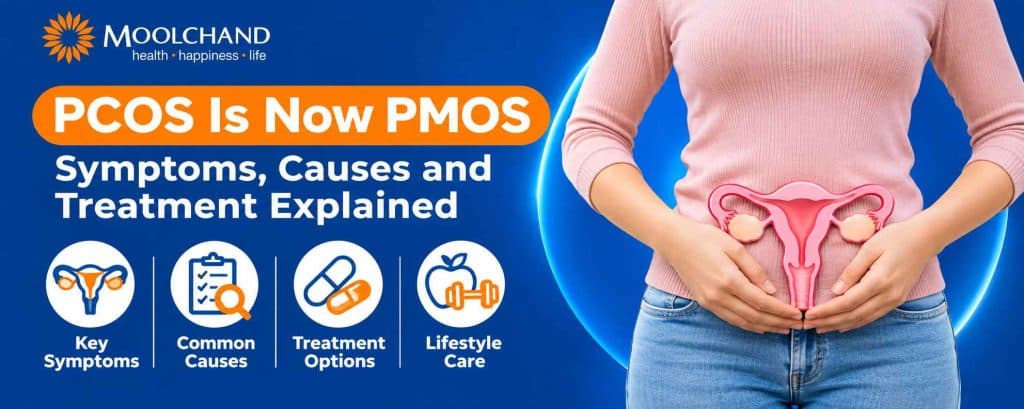
The PCOS new name is PMOS. This change matters for millions of women. PMOS stands for Polyendocrine Metabolic Ovarian Syndrome. Experts chose this name to show that the whole body matters. This blog explains the change in simple words. You will learn the symptoms, causes and treatment. You will also learn what the new name means for you.
What Is PMOS?
What is PMOS? It is a long-term hormone condition that affects women. It often starts during the reproductive years. It affects hormones, metabolism and the ovaries together. Experts now see it as more than an ovary problem. Many women live with it for years. Doctors once thought of it mainly as a cyst problem. Now they see a wider picture.
PMOS Full Form and PCOS Full Form
The PMOS full form is Polyendocrine Metabolic Ovarian Syndrome. Each word describes one part of the condition. Learning the full form helps you understand the condition. It also explains why treatment looks at many areas. Polyendocrine means many hormone glands work together. Metabolic points to how the body uses sugar and fat. Ovarian refers to the ovaries. The PCOS full form was Polycystic Ovarian Syndrome. Doctors used that name for decades.
Why PCOS Name Changed
Why PCOS name changed? The old name focused too much on ovarian cysts. Cysts do not explain the whole condition. Doctors missed many women because of this focus. A new name helps doctors look at the full body. Experts from many countries agreed on the change. The change also reduces stigma. Women hear a name that reflects their whole health. Now PMOS is the new PCOS for doctors and patients. The PCOS renamed to PMOS decision came after a global consensus.
PMOS vs PCOS: Is There a Difference?
PMOS vs PCOS is mostly a change of name. The condition itself stays the same. Both names describe a hormone-based syndrome. Cyst size is no longer a main test for diagnosis. Doctors now focus on the full set of signs. Many people also ask about PCOD vs PCOS. Some people still say PCOD, an older term. In most cases, PCOD and PCOS describe the same condition.
PMOS Symptoms and PCOS Symptoms
PMOS symptoms can differ from one woman to another. PCOS symptoms are very similar. PCOS symptoms in females often appear in the teen years or twenties. Common signs include:
- Irregular periods or missed periods
- Extra hair growth on the face or body
- Acne and oily skin
- Hair thinning on the scalp
- Difficulty losing weight
- Dark patches on the neck or armpits
Symptoms can change with age. Track your periods and symptoms for a few months. This record helps your doctor understand your pattern. Some women have few signs, while others have many. Mild cases may go unnoticed for years. Mood changes and poor sleep can also appear.
PMOS Causes and PCOS Causes
Scientists do not fully understand PMOS causes yet. Genes play a role, and families often share this pattern. PCOS causes include high insulin levels and hormone changes. Many women have PCOS and insulin resistance together. Insulin resistance means the body needs more insulin to move sugar into cells. The extra insulin can push hormone levels out of balance. This is one reason PCOS hormonal imbalance affects many body systems. Lifestyle habits can strengthen or weaken these risks.
Common risk factors include:
- Family history of PCOS
- Insulin resistance
- Higher levels of male hormones
- Weight gain and low physical activity
- Stress and poor sleep
PMOS and Pregnancy
PMOS and pregnancy need careful planning. Irregular periods can make conception harder. PCOS and pregnancy connect through ovulation. Some women with PCOS infertility conceive with simple support. Doctors may check ovulation and hormone levels first. Early planning gives better results. Healthy weight and regular checkups also help a pregnancy. Women planning pregnancy should discuss PMOS with their doctor early. Doctors can check sugar, thyroid and hormone levels before conception. Folic acid and regular prenatal care are important. Pregnancy with PMOS needs close monitoring of blood sugar and blood pressure.
Related: Pregnancy Diet Chart for Indian Mothers: Foods to Eat, Avoid and Month-Wise Diet Plan
PMOS Diagnosis: How Doctors Decide
PMOS diagnosis uses a clear checklist. Doctors look at periods, symptoms and hormone tests. They may also check blood sugar and cholesterol. Ultrasound can help, but cyst size no longer decides the diagnosis. A correct diagnosis avoids missed care. Ask your doctor to explain each test and its result. Blood tests check thyroid, prolactin and insulin levels. Doctors rule out other causes first. This step prevents wrong treatment. Keep a copy of every report for future visits.
PMOS Treatment and PCOS Treatment
PMOS treatment focuses on the whole person. Lifestyle changes come first for most women. Doctors may add medicines based on your goals. Some medicines help periods, acne or excess hair. Others support insulin control. PCOS treatment aims are similar. These aims include balancing hormones, managing weight and protecting the heart.
PMOS has no permanent cure. Good care keeps symptoms under control. Regular follow-up helps prevent long-term problems like diabetes. Medicines work best with lifestyle changes. Your doctor may review progress every three to six months. Adjust doses only with medical advice. Mental health support can also help.
PMOS Diet Plan and PCOS Diet Plan
A PMOS diet plan focuses on steady blood sugar. A PCOS diet plan follows the same idea. Choose high-fibre foods and lean protein at every meal. Limit sweets, fried food and white bread. Even small PCOS weight loss can improve periods. Many women notice better energy within weeks. Plan meals around protein, fibre and colour. Drink enough water through the day. Avoid skipping breakfast. Smaller, regular meals help control sugar swings.
- Whole grains like oats, millets and brown rice
- Dal, paneer, eggs or tofu at each meal
- Green vegetables and salads every day
- Nuts and seeds in small portions
- Less sugar, cold drinks and fried snacks
Walking for 30 minutes most days supports weight and insulin control. Strength exercises also help muscle health.
Finding the Right Care in Delhi
Many women search for the best doctor for PCOS in Delhi. Start by checking training and experience in women’s hormone care. Ask about tests, follow-up visits and diet support. Look for a best gynecology hospital in Delhi that offers ultrasound and hormone tests. A gynae hospital should also offer counselling and fertility support. Some women look for the best gynaecologist in Delhi for complex cases. Others compare the best gynecologist doctor in Delhi for regular checkups.
PCOS treatment in Delhi is available at many centres. Compare options before you book. A best hospital in Delhi should explain costs in advance. A Private Hospital in Delhi may offer faster appointments but often costs more. Ask for a written treatment plan before you start.
When to See a Doctor
See a doctor if periods stop for several months. See a doctor if you try to conceive for a year without success. Seek advice for severe acne, sudden hair growth or rapid weight gain. Consult early if you feel very tired or low in mood. Ask for a full check of sugar, thyroid and cholesterol levels. Early advice protects your long-term health.
Conclusion
PCOS is now PMOS, and the new name shows a bigger picture. Steady lifestyle changes and medical care can control symptoms. Early checkups protect your heart, sugar levels and fertility. Share this information with family members who may also have symptoms.
Remember that every woman follows a different path. A plan that fits your life matters most. Set one small goal each month, such as a daily walk or a healthier breakfast. Celebrate progress, even when it feels slow. Ask for help from family and trusted doctors. If you live in Delhi, pick a best hospital in Delhi that offers full support. A Private Hospital in Delhi may suit you if you need quicker access. Whatever you choose, keep your follow-up visits on schedule.
Frequently Asked Questions
What is PMOS?
PMOS is a long-term hormone condition in women. It is the new name for PCOS.
What is the full form of PMOS?
PMOS stands for Polyendocrine Metabolic Ovarian Syndrome. The name describes hormone, metabolic and ovarian effects.
Why has PCOS been renamed PMOS?
The old name focused on ovarian cysts. The new name shows that the whole body matters.
Are PMOS and PCOS the same condition?
Yes, in most cases. The name changed, and diagnosis now relies less on cyst size.
What are the symptoms of PMOS?
Irregular periods, extra hair growth, acne, hair thinning and weight gain are common. Symptoms vary by age.
How is PMOS diagnosed?
Doctors check periods, symptoms and hormone levels. They may also order ultrasound and blood sugar tests.
Can PMOS be cured permanently?
PMOS has no permanent cure. Lifestyle care and medicines can control symptoms well.
Can women with PMOS get pregnant?
Yes, many women with PMOS conceive. Doctors may suggest ovulation support and planning.
Can PMOS cause weight gain and insulin resistance?
Yes, many women gain weight and have insulin resistance. Weight loss often improves hormone balance.
What is the best treatment for PMOS?
Lifestyle changes come first. Doctors may add medicines based on symptoms and goals.
Is PMOS the same as PCOD?
In most cases, yes. Some people use PCOD as an older term for the same condition.
Can diet alone manage PMOS?
Diet helps a lot, but many women need medical care too. Combine diet, exercise and follow-up visits.
Does PMOS affect mental health?
Yes, it can affect mood, sleep and confidence. Talk to a doctor if low mood continues.
Is PMOS hereditary?
Family history can raise the risk. Genes play a role, but lifestyle also matters.
When should I see a doctor for PMOS?
See a doctor for missed periods, fertility concerns, severe acne or rapid weight gain.