






 We do what's right for you...


Everything About Cesarean Section Complications and How to Manage Them
Dr. kirti sinha
Guidelines often list risks without telling clinicians what to do in the moment. I take a different view. The only useful way to discuss cesarean section complications is to marry mechanism with action, minute by minute, and then step back to the long arc of recovery and future pregnancy risk. This piece does exactly that, including practical steps, structured checklists, and a clear approach to placenta previa complications where haemorrhage can escalate fast.
Common Cesarean Section Complications and Their Immediate Management
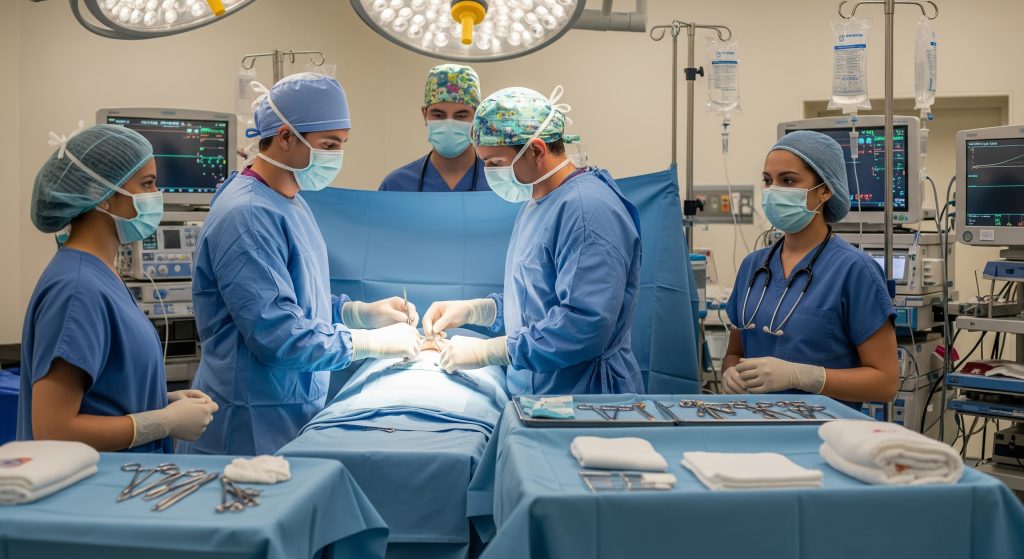
In theatre, patterns repeat. I prioritise rapid recognition, a rehearsed sequence, and clear delegation. The following covers the cesarean section complications most likely to demand immediate intervention.
Surgical Site Infection: Recognition and Treatment Protocols
Surgical site infection usually presents with erythema, induration, local warmth, and rising pain around day 3 to 7. Fever and purulent discharge follow. I classify severity quickly, then debride if needed. For superficial infections, I open a few staples, drain, obtain a swab, and start targeted antibiotics once culture returns. Deep or organ space infection requires imaging and possible re-operation.
-
Initial actions: wound inspection, CRP trend, full blood count, and wound swab.
-
Empiric cover: start according to local antibiogram, then narrow promptly.
-
Wound care: saline irrigation, negative pressure therapy for complex wounds.
What this means: early drainage beats late escalation. Small moves prevent larger harm.
Postpartum Haemorrhage: Emergency Response Strategies
Primary postpartum haemorrhage is one of the most critical cesarean section complications. I work to a script. Call for help, quantify blood loss, activate the massive haemorrhage protocol, and treat likely cause in parallel.
-
Uterine massage and assess tone. Administer oxytocin infusion.
-
Add second uterotonic: ergometrine or carboprost if not contraindicated.
-
Administer TXA 1 g IV, repeat once if bleeding continues after 30 minutes.
-
Identify focal bleeding. Place compression sutures if atony persists.
-
Use intrauterine balloon tamponade when appropriate.
-
Escalate to interventional radiology or hysterectomy if uncontrolled.
Bleeding control is a choreography of time and teamwork. Seconds matter.
Bladder and Bowel Injuries: Identification and Repair Techniques
Visceral injury is uncommon but high impact. A suspicious plane, haematuria, gas in the wound, or difficult adhesiolysis should prompt immediate inspection. I fill the bladder with dilute methylene blue to confirm cystotomy. Two-layer closure with absorbable suture and a tension-free repair is my standard. For bowel serosal injuries, I place interrupted Lembert sutures. Full-thickness injuries require general surgical support and formal repair. Document meticulously and ensure postoperative catheter drainage when the bladder is involved.
Anaesthetic Complications: Prevention and Management Approaches
Hypotension from neuraxial block is frequent and predictable. I recommend prophylactic vasopressors, fluid co-loading, and left lateral tilt. Failed block or high spinal requires rapid airway management with clear role assignment. Anaphylaxis protocols must be visible and rehearsed. In practice, prevention wins here: pre-anaesthetic checks, allergy verification, and early phenylephrine use reduce risk substantially.
Blood Clot Formation: Detection and Treatment Methods
Venous thromboembolism remains a serious cause of morbidity among cesarean section complications. Risk stratify antenatally. Use early ambulation, calf compression devices, and weight-adjusted LMWH when indicated. If symptoms suggest DVT or PE, initiate diagnostic imaging without delay. Treat with therapeutic anticoagulation and coordinate breastfeeding-safe regimens. A clear handover plan for dosing and duration prevents drift in care.
Uterine Atony: Medical and Surgical Interventions
Uterine atony is the dominant driver of intraoperative blood loss. After uterotonics and massage, I move decisively to mechanical measures. Compression sutures such as B-Lynch or Hayman techniques provide rapid control. If bleeding persists, I place an intrauterine balloon and reassess. Persistent haemorrhage warrants stepwise devascularisation or interventional radiology. The endpoint is haemostasis with organ preservation when safe.
Managing Placenta Previa and Related Cesarean Complications
Placenta previa complications multiply the haemorrhage risk and complicate entry, delivery, and closure. Planning, not heroics, determines outcomes.
Preoperative Planning for Placenta Previa Cases
I build a detailed plan early. Map placental location and invasion risk with targeted ultrasound, and consider MRI for equivocal features. Book a senior surgical team, anaesthetics skilled in massive transfusion, and ensure blood products are cross-matched with rapid access. Two large-bore IV lines, a cell saver if available, and clear thresholds for conversion to hysterectomy are part of the script. A vertical midline incision may be safer for access in distorted anatomy.
-
Key preparations: blood product availability, vascular access, and contingency steps.
-
Entry strategy: choose incision to avoid placenta where possible.
-
Delivery plan: gentle fundal pressure, avoid placental transection if feasible.
Roughly speaking, prior cesareans raise the probability of invasive placentation. Early imaging and a multidisciplinary plan reduce that risk becoming harm.
Balloon Tamponade Techniques for Haemorrhage Control
Balloon tamponade gives immediate counterpressure to the lower uterine segment. I size and fill incrementally, confirm position with gentle traction, and combine with uterotonics. If bleeding continues, I add compression sutures or move to arterial control. The device is a bridge, not the entire solution. But it buys time.
-
Insert balloon under direct vision.
-
Inflate to achieve haemostasis while preserving uterine shape.
-
Secure with a gentle traction stitch or vaginal pack if indicated.
Hot-Dog Method for Complex Cases
For stubborn lower segment bleeding, I sometimes use the Hot-Dog method: vertical compression sutures paired with an intrauterine balloon. This combination increases surface pressure at the bleeding bed and stabilises the lower segment. In practice, it shortens the time to haemostasis and reduces the need for further steps.
Evidence indicates the technique reduces postoperative blood loss and additional interventions, and this is reflected in published series as Current state of interventional procedures to treat pernicious placenta previa describes.
Managing Placenta Accreta Spectrum Disorders
Placenta accreta spectrum alters every decision. I coordinate obstetrics, anaesthetics, urology, interventional radiology, and neonatology. The surgical aim is controlled delivery with minimal manipulation of the placenta, and readiness to convert to hysterectomy if bleeding dictates. Preoperative ureteric stents can be helpful in selected cases, though not universally required.
Timing matters. Planned delivery between 34 and 36 weeks is often recommended to reduce emergency risk, as Mayo Clinic outlines. I plan steroids, neonatal support, and a controlled theatre slot. Postoperative surveillance for ongoing bleeding and coagulopathy continues in a high-dependency setting.
Emergency Hysterectomy Decision-Making
There is a moment when uterine preservation ceases to be safe. I decide early, not late. Predictors include torrential bleeding from an invaded lower segment, failure of balloon and sutures, and haemodynamic instability despite active transfusion. A midline laparotomy, rapid ligation steps, and clear leadership reduce delays. Document the indication, consent context, and steps taken. It is a difficult call. But lifesaving.
Blood Transfusion Protocols and Preparation
Massive haemorrhage protocols should be rehearsed. I request packed cells, plasma, and platelets in balanced ratios, monitor fibrinogen, and give TXA early. Consider calcium replacement and warm all fluids. Use cell salvage where available. Meticulous recording of estimated blood loss and product units helps guide ongoing replacement. The goal is haemostasis with corrected coagulopathy and a stable patient in recovery.
Long-Term Complications Following Cesarean Delivery
Not all harm announces itself in theatre. Some cesarean section complications appear months or years later. I discuss these risks pre-discharge and in follow-up, so patients are prepared and supported.
Adhesion Formation and Future Surgery Risks
Adhesions can tether bowel, bladder, and omentum to the uterine scar. They complicate re-entry, prolong operative time, and raise injury risk. I minimise peritoneal trauma, keep tissues moist, and handle gently. Adhesion barriers may be considered in selected high-risk cases, though evidence varies by product and technique. Future surgeons benefit from clear prior operative notes detailing difficult planes.
Chronic Pelvic Pain Management
Chronic pain after cesarean is multifactorial. Neuropathic elements, myofascial trigger points, and scar tethering often coexist. I use a structured pathway: validate symptoms, assess neuropathic features, and offer physiotherapy, scar mobilisation, and targeted nerve blocks if needed. Where pain persists, a pain specialist referral is appropriate. Small improvements add up. Function matters.
Uterine Scar Defects and Niche Formation
Isthmoceles or niches can cause abnormal bleeding and spotting. Transvaginal ultrasound confirms the diagnosis, showing a myometrial defect near the scar. Management ranges from expectant to hysteroscopic resection or laparoscopic repair if conception is planned. The counselling point is simple. A niche is common and treatable.
Endometriosis and Adenomyosis Development
Scar endometriosis presents as cyclical pain and a tender nodule at the incision. Excision is usually curative. Adenomyosis may emerge over time with heavy, painful periods. I discuss medical therapy first, preserving future fertility when feasible. Surgical options remain for refractory cases. These conditions are frustrating. They are manageable.
Placental Abnormalities in Subsequent Pregnancies
Prior cesareans increase the likelihood of placenta previa and accreta in later pregnancies, which compounds placenta previa complications. Early targeted imaging and consultant-led care improve outcomes. Preconception counselling can outline risks and surveillance plans. A clear antenatal strategy reduces intrapartum surprises.
Sleep Disorders and Recovery Challenges
Sleep fragmentation after major surgery slows healing and clouds mood. Pain, newborn care, and hormonal shifts all contribute. I recommend scheduled analgesia, brief daytime naps, and practical help with night feeds where possible. Cognitive behavioural strategies support recovery. Small habits, repeated daily, restore momentum.
Prevention Strategies and Risk Reduction Measures
Great teams reduce the rate and severity of cesarean section complications. Prevention is not a single protocol. It is a system of choices.
Optimal Surgical Closure Techniques
Closure affects infection, dehiscence, and later scar quality. I close the uterus in a single or double layer based on tissue quality and bleeding, then re-approximate fascia with continuous suturing. Subcuticular skin closure reduces wound irritation in many patients. Gentle tissue handling and haemostasis are non-negotiable. The details are not cosmetic. They are clinical.
Prophylactic Antibiotic Administration
Antibiotics given within 60 minutes before incision reduce infection risk significantly. Add azithromycin for high-risk or labouring cases depending on policy. Redose for prolonged procedures or major blood loss. The simplest intervention is often the most protective.
Enhanced Recovery After Surgery Protocols
ERAS standardises best practice. I use carbohydrate drinks, minimal fasting, multimodal analgesia, early mobilisation, and early feeding. Patients ambulate sooner, need fewer opioids, and feel in control. The effect is cumulative and visible on ward rounds.
Risk Assessment Tools and Scoring Systems
Structured tools help but do not replace judgement. I calculate VTE risk, infection risk, and haemorrhage risk preoperatively. Then I adjust prophylaxis accordingly. It keeps the team aligned and removes guesswork. Dependence on tools alone is risky. Used well, they raise the floor of care.
Multidisciplinary Team Approach
Complex surgery needs a shared mental model. Obstetrics, anaesthetics, neonatology, haematology, and theatre nursing should plan together. Pre-list huddles clarify roles and escalation points. During crises, that preparation shows. And yet, the best teams still debrief to learn.
Quality Improvement Initiatives in Hospitals
Simulation, audit, and feedback loops drive fewer cesarean section complications over time. Track EBL, transfusion triggers, and return-to-theatre rates. Share outcomes with candour. Improve the system, not just the individual performance. That is how safety compounds.
Comprehensive Approach to Cesarean Complication Management
My framework is simple and strict. Anticipate, act early, escalate without delay, and communicate continuously. Use checklists to prevent omission. Use ERAS to standardise recovery. Teach juniors the why as well as the how. The result is fewer cesarean section complications and better outcomes when they do occur.
|
Problem |
First-line Response |
|---|---|
|
Uterine atony |
Oxytocin infusion, massage, second uterotonic, consider TXA, then compression sutures |
|
Lower segment bleeding in previa |
Balloon tamponade, vertical compression sutures, consider Hot-Dog combination |
|
Suspected bladder injury |
Dye test, two-layer repair, catheter drainage, document and plan follow-up |
|
Wound infection |
Drain, culture, targeted antibiotics, wound care or negative pressure therapy |
|
VTE risk |
Mechanical prophylaxis, early mobilisation, LMWH by risk score |
One final point. Language matters in theatre. Closed-loop communication, explicit time checks, and naming the complication out loud help teams focus. It sounds small. It saves lives.
Frequently Asked Questions
What are the warning signs of post-cesarean infection?
Warning signs include increasing wound pain, redness, swelling, purulent discharge, or fever. Foul odour and wound separation are also concerning. I advise urgent review if systemic symptoms appear, such as rigors or persistent tachycardia. Early assessment prevents deeper involvement and reduces the chance of re-operation.
How soon can adhesions form after cesarean section?
Adhesions begin forming during the immediate healing phase. Clinically significant bands are usually evident by a subsequent operation months or years later. Gentle handling, moisture, and meticulous haemostasis reduce formation to an extent. Despite best practice, some patients will still develop adhesions.
When is cesarean hysterectomy necessary for placenta previa?
I proceed to hysterectomy when bleeding is uncontrolled despite uterotonics, balloon tamponade, and compression sutures, or when invasive placentation destroys lower segment integrity. Haemodynamic instability and ongoing high EBL are key triggers. Planned hysterectomy is sometimes the safer option in known accreta cases with previa. The priority is definitive haemostasis.
What is the recovery timeline for major cesarean complications?
Recovery varies with the complication. Severe infection or re-operation can extend recovery by several weeks. After massive haemorrhage, energy levels may lag for 6 to 8 weeks while iron stores recover. With ERAS pathways and structured follow-up, patients usually resume most activities sooner. Realistic pacing supports full recovery.
Can cesarean complications affect future fertility?
Yes, certain cesarean section complications can affect fertility. Severe adhesions, isthmoceles, or hysterectomy have direct impact. Many issues are treatable with targeted surgery or assisted reproduction. Early referral to fertility services is reasonable when conception is delayed beyond expectations.
How effective are compression sutures for controlling haemorrhage?
Compression sutures are highly effective for atony and selected lower segment bleeding. They provide rapid tamponade and preserve fertility in many cases. I combine them with uterotonics and, if needed, an intrauterine balloon. If bleeding persists, escalate promptly to arterial control or hysterectomy.
What monitoring is required after complicated cesarean delivery?
Enhanced monitoring is essential after significant haemorrhage or complex surgery. I recommend high-dependency observation, hourly vitals initially, urine output targets, serial haemoglobin, and coagulation parameters. Monitor wound, pain control, and thromboembolism risk. Clear criteria for step down improve safety and confidence.
For readers managing placenta accreta spectrum, a simple reminder. Planned timing between 34 and 36 weeks is often safer, and this aligns with published guidance as Mayo Clinic notes. Use that anchor to build the whole plan.
Finally, a practical synthesis. Cesarean section complications are reduced by preparation and by disciplined execution. And when trouble still arrives, early escalation and calm leadership protect the patient and the team.

