




 We do what's right for you...


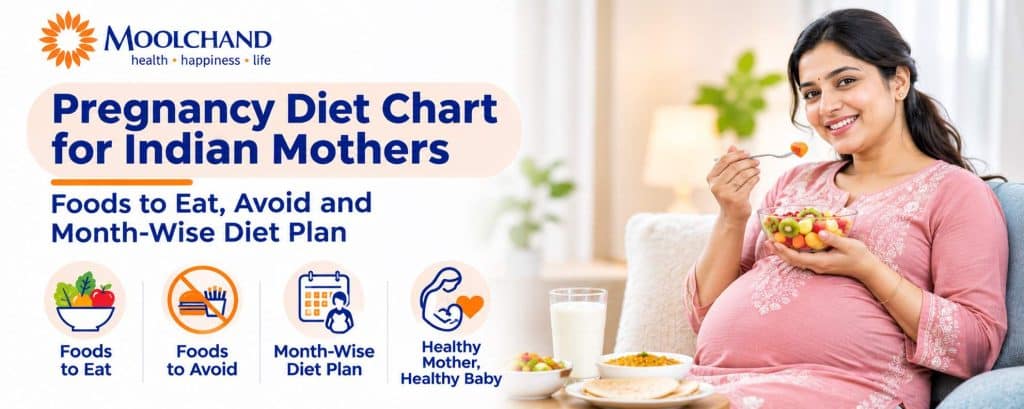
Pregnancy Diet Chart for Indian Mothers: Foods to Eat, Avoid and Month-Wise Diet Plan
Dr. Manju Hotchandani
Why Diet Matters in Pregnancy
Good food helps your baby grow strong. It also keeps you active and healthy. Diet during pregnancy plays a key role for both mother and baby. Many Indian mothers ask what to eat each day. This guide gives a simple and practical plan. You will learn foods to eat, foods to avoid and a month-wise plan. Every mother is different, so follow your doctor’s advice. Use this pregnancy diet chart as a helpful starting point.
Key Nutrients Every Pregnant Mother Needs
Your body needs more nutrients during pregnancy. Diet during pregnancy protects both mother and baby. Protein helps build the baby’s tissues. Iron supports extra blood volume. Calcium builds strong bones and teeth. Folate supports the baby’s brain and spine in early weeks. Iodine supports healthy brain development. Your doctor may prescribe supplements for some of these. Never start high-dose supplements without advice.
Foods to Eat During Pregnancy
What to eat during pregnancy depends on your trimester and health. Include whole grains like brown rice, oats and atta. Eat green leafy vegetables such as spinach and methi. Add dal, rajma and chana for protein and fiber. Include milk, curd and paneer for calcium. Foods to eat during pregnancy also include nuts and seeds in small amounts. Eat seasonal fruits every day. Drink plenty of clean, safe water.
Protein Rich Foods for Pregnancy
Protein rich foods for pregnancy support the baby’s growth. Dal and sprouts are excellent vegetarian choices. Paneer, soy chunks and curd add protein too. Eggs cooked fully are a good option for many mothers. Cooked chicken and low-mercury fish are also useful. Include a protein source at every meal. Protein needs can vary, so ask your doctor.
Best Fruits During Pregnancy
Best fruits during pregnancy include guava, orange and pomegranate. Apples and pears give fiber and water. Bananas help with energy and digestion. Ripe papaya is commonly eaten in moderate amounts. Avoid unripe or raw papaya. Wash all fruits well before eating. Choose fresh fruit instead of packaged juice.
Healthy Food for Pregnant Women: A Simple Daily Plate
Healthy food for pregnant women should fill half the plate with vegetables. One quarter should have whole grains. The last quarter should have protein. Add a glass of milk or curd each day. Include one fruit between meals. Cook food fresh and eat it warm. Small meals every three hours help with energy. Drink water through the day.
First Trimester Diet: Weeks 1 to 12
First trimester pregnancy diet focuses on folate and light meals. Morning sickness can make eating hard. Eat small, dry snacks like biscuits or roasted chana. Ginger tea or lemon water may ease nausea. Choose poha, upma or idli for breakfast. Include leafy greens and dal at lunch. Keep fluids steady, even if you eat less.
Second Trimester Diet: Weeks 13 to 27
Second trimester pregnancy diet needs more protein and calcium. Appetite often improves in this period. Add extra dal, paneer and curd. Eat iron-rich foods like jaggery and green vegetables with lemon. Continue fruits and whole grains. Include almonds and walnuts in small portions. Watch portion size if weight gain is fast.
Related: Second Trimester Symptoms: What to Expect Week by Week
Third Trimester Diet: Weeks 28 to 40
Third trimester pregnancy diet should support steady energy. Eat smaller meals more often. Heartburn is common, so avoid spicy and oily food. Include fiber to prevent constipation. Drink water and eat fruits daily. Eat light dinners and sleep well. Keep healthy snacks ready at home.
Related: A Complete Explainer on Your Pregnancy Diet Plan by Trimester
Month-Wise Diet Plan Overview
Pregnancy diet chart month wise plans usually follow the three trimesters. Months one to three need light, folate-rich meals. Months four to six need more protein and calcium. Months seven to nine need energy, fiber and iron. A pregnancy diet chart week by week is very detailed. Trimester plans work well for most mothers. Pregnancy diet chart Indian style uses home food like dal, roti and sabzi. A pregnancy food chart helps you plan each meal. A simple pregnancy meal plan repeats these foods through the week.
Months 1 to 3: Light and Folate-Rich Meals
In the first three months, small meals help most mothers. First trimester pregnancy diet works best with small, frequent meals. Start the day with poha, upma or idli. Eat dal and roti with sabzi at lunch. Snack on fruit, roasted chana or a handful of nuts. Folate-rich greens like spinach and methi are useful. Nausea may ease with ginger and lemon. Keep this stage simple and steady.
Months 4 to 6: Protein and Calcium Focus
Second trimester pregnancy diet needs more protein and calcium. Add paneer, curd and milk every day. Have dal or sprouts at lunch and dinner. Include seasonal fruits like guava and orange. Add ragi or oats for steady energy. Drink water regularly through the day. Appetite often returns and becomes stronger during these months.
Months 7 to 9: Energy, Fiber and Iron
Third trimester pregnancy diet should focus on iron and fiber. Include jaggery, green vegetables and dal for iron. Eat whole grains to prevent constipation. Choose smaller meals to ease heartburn. Keep nuts and fruit ready for quick snacks. Avoid heavy, spicy dinners late at night. Rest well and keep your fluids steady.
Sample One-Day Pregnancy Meal Plan
Pregnancy meal plan ideas can be simple. Breakfast can be oats with milk and a banana. Mid-morning can be a seasonal fruit and a few almonds. Lunch can be roti, dal, sabzi and a bowl of curd. Evening can be roasted chana with herbal tea or milk. Dinner can be khichdi with vegetables and a little ghee. Bedtime can be a glass of warm milk if you like it. Adjust portions with your doctor’s advice.
Weekly Routine for Busy Mothers
A pregnancy diet plan Indian style works well with weekly planning. Cook dal and rajma in bulk on the weekend. Prepare chana and sprouts for quick snacks. Keep fresh fruit at home each day. Rotate vegetables to get varied nutrients. Plan one vegetarian protein meal and one egg meal if you eat eggs. Keep a simple chart on the fridge to track meals.
Foods to Avoid in Pregnancy
Foods to avoid during pregnancy protect you from infection. Avoid raw or undercooked meat and eggs. Skip unpasteurised milk and soft cheeses. Avoid raw sprouts unless freshly cooked. Limit caffeine from tea and coffee. Skip alcohol and smoking completely. Avoid high-mercury fish like shark and swordfish. Check packaged foods for safety.
Vegetarian Options for Mothers
A vegetarian pregnancy diet chart can meet most needs with careful planning. Focus on dal, paneer, milk and curd. Add soy, chickpeas and nuts for protein. Include ragi, bajra and jowar for iron and fiber. Vegetarian mothers may need extra care for vitamin B12. Ask your doctor about suitable supplements.
Indian Meal Ideas for Each Day
Indian pregnancy diet chart ideas are easy to prepare at home. Breakfast can be oats, poha or besan chilla. Lunch can be roti, dal, sabzi and curd. An evening snack can be roasted chana or fruit chaat. Dinner can be khichdi, vegetable pulao or paneer curry. Add a glass of milk before bed if you like it. Keep portions moderate and balanced.
When to See a Doctor or Dietitian
Speak to your doctor if you have weight loss or no weight gain. Pregnancy diet plan questions are best answered by your doctor. See a doctor for vomiting that stops fluids. Diabetes or high blood pressure needs special diet planning. A dietitian can make a personal plan with you. Share your complete diet with your doctor. Follow medical advice above any chart.
Choosing Care in Delhi
Many mothers search for Dietitians in Delhi during pregnancy. Some look for a Best Dietetics Hospital in Delhi with clear services. Others search for the best gynaecologist in Delhi for regular checkups. Compare each best maternity hospital in Delhi option by facilities and staff. A Private Hospital in delhi may offer quicker appointments. Some families also check the best gynecology hospital in Delhi list. Confirm details before you visit. Choose the best hospital in Delhi that suits your needs.
Frequently Asked Questions
What should I eat in the first trimester?
Eat light, folate-rich meals with dal, leafy greens and fruits. Foods to eat during pregnancy include dal, greens and fruit. Small snacks help with nausea.
What is a good pregnancy diet plan for Indian mothers?
A good pregnancy diet plan includes dal, roti, sabzi, curd and fruits. Adjust portions with your doctor.
Which foods should I avoid during pregnancy?
Avoid raw meat, unpasteurised milk, alcohol and high-mercury fish. Foods to avoid during pregnancy also include raw sprouts. Limit caffeine.
Which are the best fruits during pregnancy?
Guava, orange, pomegranate, apple and banana are good choices. Best fruits during pregnancy include guava and orange. Wash fruits well before eating.
Is a vegetarian pregnancy diet chart enough?
It can be enough with dal, paneer, milk, nuts and iron-rich greens. A vegetarian pregnancy diet chart needs careful planning. Check vitamin B12 with your doctor.
How much protein do I need in pregnancy?
Needs vary by person and weight. Protein rich foods for pregnancy include dal, paneer and eggs. Include protein at every meal and ask your doctor.
What to eat during pregnancy in the third trimester?
Eat small meals with fiber, fruits and protein. Third trimester pregnancy diet should stay light and fibrous. Avoid spicy food if you have heartburn.
Can I follow a pregnancy diet chart week by week?
Weekly charts can help but are very detailed. A pregnancy diet chart week by week is detailed. Trimester plans suit most mothers.
Do I need supplements with a pregnancy diet?
Many mothers need supplements such as folic acid and iron. Your pregnancy meal plan should include a supplement reminder. Take them only as your doctor advises.
When should I see a dietitian?
See a dietitian for weight concerns, diabetes or special diets. Dietitians in Delhi can make a pregnancy diet plan with you. Choose a registered professional.