






 We do what's right for you...


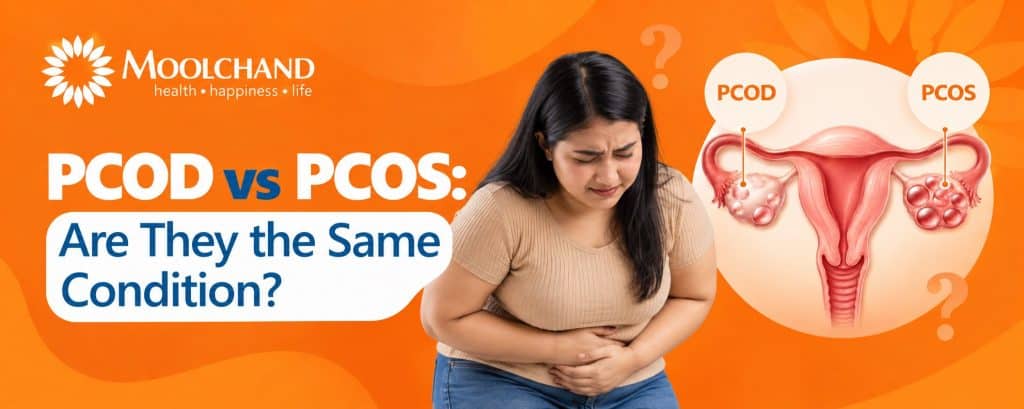
PCOD vs PCOS: Are They the Same Condition?
Dr. Manju Hotchandani
Introduction:
Why Women Are Confused
Many women search online for the pcos and pcod difference. They often find different answers on different websites. This can make the condition even more confusing.
Some people say PCOD and PCOS are completely different conditions. Others use both names for the same problem. This confusion is especially common among young women.
So, what is pcod and pcos? PCOS means Polycystic Ovary Syndrome. PCOD is a commonly used term for Polycystic Ovarian Disease.
In everyday healthcare conversations, both terms are often used interchangeably. However, PCOS is the established medical term used in international guidelines. The term PCOD is not generally considered a separate standardized diagnosis.
Understanding this difference can help women seek appropriate medical advice. It can also reduce unnecessary fear about fertility and future health.
Related: Understanding PCOS (Polycystic Ovary Syndrome) and Its Impact on Fertility
A Simple Story Many Women Can Relate To
Ananya was 24 when her periods became unpredictable. Sometimes her period arrived after several weeks. Sometimes it did not arrive at all.
She also noticed more facial hair and frequent acne. Her weight had increased despite making small diet changes.
Ananya searched online for answers. She found articles about PCOD and PCOS. Some websites called them different diseases.
She became worried about her future fertility. She also wondered whether she would need lifelong medicines.
During her consultation, her doctor explained the condition clearly. Her symptoms needed proper evaluation rather than online comparisons.
She learned that PCOS can affect periods, ovulation, hormones, metabolism, and fertility. She also learned that treatment depends on individual symptoms.
This helped Ananya feel more confident. She understood that PCOS can be managed with appropriate medical care.
What Is PCOS?
PCOS stands for polycystic ovary syndrome. It is a hormonal and metabolic condition affecting many women during reproductive years.
So, what is pcos in simple words? PCOS is a condition involving reproductive hormones and ovulation. It can also affect metabolism and overall wellbeing.
The condition can cause irregular ovulation. Some women may have higher androgen levels. Some may develop acne or unwanted hair growth.
Not every woman with PCOS has the same symptoms. The condition can appear differently from person to person.
What Is Polycystic Ovary Syndrome?
So, what is polycystic ovary syndrome? It is the full medical name commonly shortened to PCOS.
The word “polycystic” can sometimes create confusion. PCOS does not simply mean having ovarian cysts.
Some women with PCOS may have multiple small follicles in their ovaries. Other women may not have this ultrasound appearance.
Therefore, ultrasound findings alone cannot establish PCOS. Doctors consider symptoms, hormone findings, and other clinical factors.
The diagnosis should be made by a qualified healthcare professional. Other conditions may also cause similar symptoms.
What Does PCO Mean?
Many women ask what pco means exactly. PCO usually refers to polycystic ovaries.
It describes an ovarian appearance seen during ultrasound. Having polycystic-appearing ovaries does not automatically mean PCOS.
This distinction is important for women undergoing evaluation. A woman can have polycystic ovaries without having PCOS.
Therefore, an ultrasound report should not be interpreted alone. Your doctor should consider your complete medical history.
PCOD vs PCOS: Are They the Same?
The commonly searched difference between pcos and pcod needs some clarification.
In everyday Indian healthcare conversations, PCOD and PCOS are often used interchangeably. However, PCOS is the recognized medical diagnosis in major international guidelines.
PCOD is often used as a popular term for similar hormonal problems. It is not generally treated as a separate standardized condition.
Therefore, saying that PCOD is always a mild form of PCOS is misleading. Similarly, saying that PCOS is always more severe is not medically accurate.
The important question is not simply the name. Doctors need to understand the woman’s symptoms and health risks.
What Are the Common PCOS Symptoms?
The pcos symptoms can vary widely between women. Some women experience several symptoms together.
Irregular periods are one common feature. Periods may become infrequent or unpredictable.
Related: Irregular Periods Symptoms Explained
Some women develop increased facial or body hair. Acne and oily skin can also occur.
Hair thinning from the scalp may occur in some women. Weight changes can also accompany the condition.
Some women experience difficulty becoming pregnant. This can happen because ovulation becomes irregular.
Mood changes and psychological symptoms may also occur. These symptoms should never be ignored.
The polycystic ovarian syndrome symptoms can involve several body systems. They are not limited to the ovaries.
Similarly, polycystic ovary syndrome symptoms can differ significantly between individuals. One woman may have irregular periods without major skin changes.
Another woman may have acne and unwanted hair growth. Some women may have fertility concerns as their main symptom.
What Causes PCOS?
There is no single cause of PCOS. Several genetic, hormonal, and metabolic factors can contribute.
Family history can increase the likelihood of developing PCOS. Hormonal changes can also affect normal ovulation.
Insulin resistance can occur in many women with PCOS. This can affect blood sugar regulation and hormone activity.
Weight gain can sometimes worsen metabolic and hormonal problems. However, PCOS can also occur in women without excess weight.
Lifestyle factors can influence symptoms and overall metabolic health. Stress and poor sleep may also affect wellbeing.
It is important to avoid blaming women for developing PCOS. The condition is complex and requires individualized care.
How Is PCOS Diagnosed?
There is no single test that confirms PCOS in every woman. Doctors usually consider symptoms, medical history, examination, and investigations.
Blood tests may assess certain hormone levels. Other tests can help exclude conditions with similar symptoms.
Ultrasound may be recommended in appropriate cases. It can provide information about ovarian structure.
The diagnosis should never be based only on an ultrasound report. A specialist can determine whether the symptoms fit PCOS.
What Is PCOS Treatment?
There is no single pcos treatment suitable for every woman. Treatment depends on symptoms, age, health, and personal goals.
Lifestyle management is an important part of care. Regular physical activity can support overall metabolic health.
A balanced diet can also support healthy blood sugar regulation. Sleep and stress management are important for overall wellbeing.
Doctors may recommend medicines for specific symptoms. Treatment may focus on menstrual regulation, acne, excess hair, or metabolic concerns.
Women trying to conceive may need fertility-focused treatment. The treatment plan can therefore change according to pregnancy goals.
What Are the Different PCOS Treatments?
There are several pcos treatments available. The appropriate option depends on the individual woman’s symptoms.
Some women may need medicines to regulate menstrual cycles. Other women may require treatment for acne or unwanted hair growth.
Metabolic concerns may require additional evaluation. Doctors may recommend appropriate medicines when clinically indicated.
Women planning pregnancy need a different treatment approach. Fertility treatment can help when ovulation is affected.
The aim is not simply to treat one symptom. Good care considers reproductive, metabolic, and emotional health.
What Is PCOD Problem Treatment?
Women often search for pcod problem treatment after receiving an ultrasound report. Treatment should not begin based only on an ultrasound finding.
A doctor should first understand the symptoms and medical history. The diagnosis should be confirmed before selecting treatment.
If the symptoms fit PCOS, treatment can address the specific problems involved. This may include irregular periods, acne, excess hair, or fertility concerns.
Lifestyle changes can also support long-term health. Regular follow-up helps monitor progress and changing health needs.
Is PCOS Treatment for Unmarried Women Different?
Many young women search for pcos treatment for unmarried women. Being unmarried does not change the basic medical management of PCOS.
Treatment depends on symptoms and health goals. A woman does not need to be planning pregnancy before seeking treatment.
Doctors can help manage irregular periods, acne, excess hair, and metabolic concerns. Menstrual health should also be monitored when periods remain irregular.
Women should feel comfortable discussing these concerns with their doctor. Early care can prevent unnecessary anxiety and misinformation.
What Is PCOS Treatment for Pregnancy?
Women searching for pcos treatment for pregnancy often worry about infertility. PCOS can affect ovulation and make conception more difficult for some women.
However, PCOS does not mean permanent infertility. Many women with PCOS conceive with appropriate medical support.
Doctors first assess ovulation and other fertility factors. Treatment can then be planned according to the woman’s individual situation.
Pregnancy planning may also require attention to blood sugar and other health factors. Specialist guidance can support safer pregnancy preparation.
Can PCOS Be Managed Without Pregnancy Treatment?
Yes, not every woman with PCOS needs fertility treatment. Many women seek care only for menstrual or hormonal symptoms.
Treatment depends on the woman’s current health priorities. Pregnancy planning is only one part of PCOS management.
A woman may first need support for irregular periods. Another woman may focus on acne or unwanted hair growth.
Metabolic health can also require attention. Your doctor can create a plan based on your individual needs.
PCOS and Weight Management
Weight management can be an important part of PCOS care. However, weight should not become the only treatment goal.
Women with different body types can develop PCOS. Therefore, treatment should focus on health rather than appearance.
Healthy eating and regular activity can support metabolic health. Good sleep can also support overall wellbeing.
Doctors should provide weight-related advice without stigma. Emotional wellbeing should remain an important part of PCOS care.
Related: Finding a Polycystic Ovary Syndrome Doctor Near Me
When Should You See a Gynaecologist?
You should consider medical advice when periods remain consistently irregular. Persistent acne or unwanted hair growth may also require evaluation.
Difficulty becoming pregnant is another reason to seek specialist guidance. Sudden changes in menstrual patterns should also be discussed.
Related: Menstrual Disorders: Causes, Symptoms, and Treatments
Do not diagnose yourself from an online symptom list. Similar symptoms can occur with other hormonal conditions.
A qualified gynaecologist can assess your symptoms properly. Early evaluation can provide clarity and appropriate treatment.
Choosing a Gynaecology Hospital in Delhi
Women often search for the best gynecology hospital in Delhi when facing hormonal or reproductive concerns.
The right hospital should provide experienced specialists and appropriate diagnostic facilities. Patients should also receive clear explanations about their condition.
Women may also search for the best maternity hospital in delhi when planning pregnancy. However, maternity care and PCOS management can involve different specialist services.
Patients looking for the best gynaecologist in Delhi should consider relevant experience and communication. A comfortable doctor-patient relationship is important for reproductive health.
Similarly, those searching for the best gynae doctor in delhi should focus on appropriate qualifications and individualized medical care.
Related: Step-by-Step Guide to Finding the Right PCOS Doctor Near Me
The right specialist can help explain diagnosis, treatment choices, and future health considerations.
Frequently Asked Questions
1. What is PCOD and PCOS?
PCOD and PCOS are commonly used terms for similar hormonal concerns. PCOS is the established medical term for the syndrome.
2. What is PCOS?
PCOS is a hormonal and metabolic condition affecting reproductive health. It can affect periods, ovulation, skin, metabolism, and fertility.
3. What is polycystic ovary syndrome?
Polycystic ovary syndrome is the full medical name for PCOS. It can cause different symptoms in different women.
4. Is PCOD and PCOS the same?
PCOD and PCOS are commonly used interchangeably in India. PCOS is the established medical term used in international guidelines.
5. What is the difference between PCOS and PCOD?
The pcos and pcod difference is mainly related to terminology. PCOD is commonly used in everyday conversations, while PCOS is the established medical diagnosis.
6. What are the common PCOS symptoms?
Common pcos symptoms include irregular periods, acne, excess hair growth, and hair thinning. Some women also experience fertility difficulties.
7. What is the best PCOS treatment?
There is no single best pcos treatment for everyone. Treatment depends on symptoms, health, and pregnancy goals.
8. Can unmarried women receive PCOS treatment?
Yes. pcos treatment for unmarried women focuses on their individual symptoms and health needs.
9. Can women with PCOS become pregnant?
Yes, many women with PCOS become pregnant. Some may need medical support for irregular ovulation.
10. When should I consult a gynaecologist for PCOS?
Consult a gynaecologist for persistent irregular periods or other concerning symptoms. Specialist advice is also useful when planning pregnancy.
Conclusion
The difference between pcos and pcod often creates unnecessary confusion. PCOS is the established medical term for Polycystic Ovary Syndrome.
PCOD remains a commonly used term in everyday conversations. It should not automatically be considered a separate or milder disease.
The important step is getting the correct medical assessment. Symptoms can differ significantly between women.
PCOS can affect periods, hormones, metabolism, skin, emotional wellbeing, and fertility. Appropriate treatment can help manage these concerns.
Women should not feel embarrassed about seeking help. Menstrual and reproductive health deserve timely medical attention.
At Moolchand, women can discuss their concerns with experienced gynaecology specialists. Individualized assessment helps create an appropriate care plan.
Early guidance can provide clarity and reduce unnecessary anxiety. It can also support better long-term reproductive and metabolic health.
You can easily book your appointment online, through the Moolchand MyHealth App, by calling 011 4200 0000

