






 We do what's right for you...


Overview of Dementia Medication and Treatment Options in India
Dr. Arunav Sharma
Conventional advice suggests that all dementia symptoms will respond well to the same pill. That claim collapses in practice. I approach dementia medication as one tool in a wider care plan, not a cure. In India, access is broad but choices still require careful matching to diagnosis, stage, and tolerability. The aim is clear. Maintain function, reduce distress, and support caregivers while monitoring risk.
Available Dementia Medications in India
The current dementia medication armamentarium in India covers cholinesterase inhibitors and an NMDA antagonist. I focus here on practical use, common pairs with comorbidities, and where each agent fits. A short table summarises the headline role and cautions.
|
Medicine |
Primary role and practical notes |
|---|---|
|
Donepezil |
Core dementia medication for mild to moderate Alzheimer’s disease. Once daily dosing. Watch bradycardia risk. |
|
Rivastigmine |
Useful when swallowing is difficult. Patch option reduces gastrointestinal events. Consider in Parkinson’s dementia. |
|
Galantamine |
Dementia medication for mild to moderate Alzheimer’s disease. Titrate slowly. Gastrointestinal side effects are common. |
|
Memantine |
For moderate to severe stages. Often paired with a cholinesterase inhibitor. Renal dose adjustment may be required. |
|
Donepezil plus Memantine |
Combination used in moderate to severe stages when cognition and behaviour both require support. |
1. Donepezil (Aricep, Alzil, Depzil)
Donepezil remains a first line dementia medication for Alzheimer’s disease in India. It is a cholinesterase inhibitor and can improve attention, recall, and activities of daily living to a modest extent. I usually start with a night dose to mitigate nausea and lightheadedness. The once daily schedule helps adherence for families managing multiple medicines.
-
Advantages: single daily dose, low pill burden, broad familiarity among clinicians.
-
Watchpoints: bradycardia, syncope, vivid dreams, gastrointestinal upset, and weight loss risk.
-
Use with caution in conduction disease and on beta blockers.
Dementia medication choice also depends on phenotype. Visual hallucinations and parkinsonism may shift my preference, but donepezil still has a role. Tailored plans matter because tolerance varies and caregivers juggle many demands.
2. Rivastigmine (Rivamer, Zeemine, Rivadem)
Rivastigmine is another cholinesterase inhibitor and a reliable dementia medication across mild to moderate stages. The transdermal patch is particularly helpful when swallowing is inconsistent or when nausea limits oral options. I often use morning application for routine alignment with personal care.
-
Patch strengths allow stepwise titration and reduce peak related nausea.
-
Consider in dementia with Parkinson’s features where tremor and rigidity coexist.
-
Skin reactions can occur with the patch. Rotate sites carefully.
In practice, rivastigmine as a dementia medication can stabilise day structure. It supports orientation routines, meal timing, and grooming behaviours. Small wins compound.
3. Galantamine (Galamer)
Galantamine is a reversible competitive acetylcholinesterase inhibitor. It is a proven dementia medication for mild to moderate Alzheimer’s disease. I titrate cautiously and monitor hydration, appetite, and weight at each dose change.
When I discuss dose ranges, I refer to published regimens. As PubMed reports, effective dosing typically falls between 16 to 24 mg per day with benefits tracked over 6 months to 2 years.
-
Advantages: meaningful gains in daily task performance for some patients.
-
Common issues: nausea, vomiting, diarrhoea, and reduced appetite during titration.
-
Mitigation: slower titration and food coadministration can improve tolerability.
Galantamine can therefore be positioned as a dementia medication where attention and initiation are drifting but still responsive. The target is stabilisation, not reversal.
4. Memantine (Namenda)
Memantine is an NMDA receptor antagonist and a core dementia medication for moderate to severe stages. Benefits often appear in reduced agitation, better sleep structure, and steadier engagement. I see the most value when behavioural symptoms erode daily routines.
-
Advantages: once or twice daily schedule with a gentle titration ladder.
-
Consider renal function during selection and dosing.
-
Pairing with a cholinesterase inhibitor can extend functional stability.
Memantine as a dementia medication is not sedating when used correctly. It can reduce overstimulation from environmental noise and improve participation in therapy sessions.
5. Donepezil-Memantine Combination Therapy
Combination therapy brings complementary mechanisms together. I consider it in moderate to severe disease where cognition and behaviour both decline. The aim is to extend independent function and reduce care friction. A combination can also simplify schedules when fixed dose products are available.
-
Potential benefits: improved daily activities, lower agitation, steadier sleep-wake patterns.
-
Main constraints: additive side effects and higher monitoring needs.
-
Operational tip: titrate one agent first, then introduce the second in a staggered manner.
In India, this approach is now familiar across many clinics. I still review pulse, blood pressure, appetite, and falls risk at each dose change to keep the dementia medication plan safe and sustainable.
Managing Side Effects of Cholinesterase Inhibitors
Side effects can undermine adherence and caregiver confidence. I pre-empt this with clear guidance, slow titration, and simple monitoring tools. This section consolidates how I manage the side effects of cholinesterase inhibitors in routine practice.
Common Gastrointestinal Side Effects
Nausea, vomiting, diarrhoea, and early satiety appear during titration. I suggest food coadministration, slower up-titration, and hydration targets. Ginger tea and small frequent meals can help. As tolerance improves, meals can return to usual patterns without compromise.
-
Reduce dose and hold for one to two weeks if symptoms persist.
-
Use the rivastigmine patch when oral tolerance remains poor.
-
Review other medicines that may irritate the gut or cause dehydration.
A practical card in the home listing dose, meal pairing, and target fluids keeps the dementia medication plan safe. Visual prompts work.
Neurological and Sleep-Related Effects
Cholinesterase inhibitors can cause insomnia, vivid dreams, dizziness, and headaches. I move dosing to morning when dreams are problematic. If dizziness appears, I check pulse, postural blood pressure, and hydration same day.
-
Consider bed alarms and motion sensors if nocturnal wandering increases.
-
Short naps and daylight exposure can reset sleep patterns over a week.
-
Use non-pharmacological sleep hygiene before introducing sedatives.
When a dementia medication disturbs sleep, I adjust schedule first. Medicines are rarely the only fix for sleep fragmentation.
Cardiovascular Considerations
Bradycardia, syncope, and conduction block can occur, especially in older adults on beta blockers or calcium channel blockers. I baseline heart rate and ask caregivers to note pulse weekly for the first month.
-
Hold the drug and assess if pulse drops below a preagreed threshold.
-
Review ECG in patients with syncope or a history of block.
-
Avoid polypharmacy that compounds hypotension risk.
Cardiac safety is central to any dementia medication plan. The balance between cognitive gain and cardiovascular risk must be explicit.
Managing SLUDGE Syndrome
SLUDGE is a practical memory aid: salivation, lacrimation, urination, defecation, gastrointestinal distress, and emesis. It reflects cholinergic excess. I look for clusters, not single symptoms.
-
First step: pause escalation and reduce to the prior tolerated dose.
-
Hydrate, correct electrolytes, and review interacting medicines.
-
If severe, stop the agent and seek urgent clinical assessment.
Clear action plans prevent panic. A dementia medication should not persist if cholinergic toxicity signatures build up.
Dosage Adjustment Strategies
Slow titration wins. I usually increase every 2 to 4 weeks, then stabilise for another month. In frail patients, I extend this window further.
-
Set a measurable goal such as calmer evenings or better dressing.
-
Increase dose only if the goal remains unmet and side effects are minimal.
-
Document changes in a simple diary with dates and observations.
Dementia medication is not a race. The right dose is the one the patient and caregiver can sustain.
Understanding Memantine Side Effects
Memantine is often well tolerated. Nonetheless, I prepare caregivers for typical reactions and rare serious concerns. Clarity reduces unnecessary discontinuations and protects gains in daily life.
Common Adverse Reactions
Frequent issues include dizziness, headache, constipation, and mild anxiety. These effects usually settle after dose adjustments. I prefer evening titration when daytime dizziness disrupts mobility.
-
Hydration, fibre, and short walks help with constipation.
-
Simple balance exercises reduce fall risk during early weeks.
-
Monitor mood as stimulation levels change with memantine.
When discussing memantine side effects, I emphasise that most are transient. A two week observation period prevents premature discontinuation of a helpful dementia medication.
Serious Side Effects Requiring Medical Attention
Serious events are uncommon but demand immediate review. Confusion spikes, severe hallucinations, or any new focal neurological deficit require urgent evaluation. Sudden hypertension or severe headache also warrants attention, especially with vascular comorbidity.
-
Stop the drug and seek emergency care if severe symptoms appear.
-
Bring all medicine strips to the visit for interaction checks.
-
Document timing relative to dose increases to guide next steps.
This structured response preserves safety. Dementia medication benefits depend on disciplined monitoring and swift escalation when needed.
Special Considerations for Elderly Patients
Frail elders metabolise medicines differently. I start low and go slow. I also align doses with physiotherapy sessions to exploit attention peaks.
-
Use fall risk assessments and home hazard checks during titration.
-
Coordinate with the dietitian to maintain weight and hydration.
-
Review the BEERS criteria list to avoid harmful combinations.
Memantine side effects may look like baseline fluctuations. Context matters. I ask caregivers to note time-of-day patterns to avoid false alarms.
Managing Kidney and Liver Function Concerns
Renal function guides memantine dosing. Hepatic impairment demands careful oversight and interdisciplinary coordination. I schedule periodic renal panels in older patients with hypertension or diabetes.
-
Adjust dose when estimated GFR declines.
-
Avoid abrupt changes during intercurrent illness or dehydration.
-
Reassess all concomitant medicines after hospital admissions.
A safe dementia medication plan depends on organ reserve. Testing and timing prevent avoidable complications.
Alternative Treatment Options for Memory Loss
Dementia medication is one element of a multi modal plan. The non drug elements often yield the fastest wins. I set simple targets that families can sustain without specialist equipment.
List of Symptomatic Medications for Cognitive Support
Alongside core agents, several adjuncts may support cognition or behaviour. These are not disease modifiers. They can assist when used with clear goals and exit criteria.
-
Low dose SSRIs for depression or anxiety that worsens cognitive performance.
-
Melatonin for sleep-wake consolidation before considering sedatives.
-
Short course antipsychotics only for severe distress or danger, with strict review.
-
Vitamin B12 and folate replacement where deficiency is documented.
These medications for memory loss are supportive rather than curative. I always pair them with a behavioural plan. Any medicine without a target becomes noise.
Behavioural Management Techniques
Behavioural change starts with triggers, not pills. I map patterns across a week. Then I adjust environment and routines to reduce friction.
-
Use one task at a time during personal care and reduce background noise.
-
Anchor days with predictable cues such as music, prayer, or family calls.
-
Offer structured choices to preserve autonomy without overwhelming options.
This is where a dementia medication gains leverage. Better routines lower agitation, so the dose can stay modest.
Caregiver Training Programmes
Caregivers drive outcomes. Training converts worry into skill. I recommend brief, modular teaching that respects time limits at home.
-
Communication modules that model short sentences and visual prompts.
-
Safe transfer techniques to prevent falls and caregiver injury.
-
Crisis scripts for wandering, refusal of care, or nighttime agitation.
Caregiver coaching plus a tailored dementia medication plan reduces emergency visits. Confidence rises, and so does quality of life.
Non-Pharmacological Interventions
Therapies that build routine and agency can match the impact of medicines. They also carry minimal risk when chosen well. I prioritise these early.
-
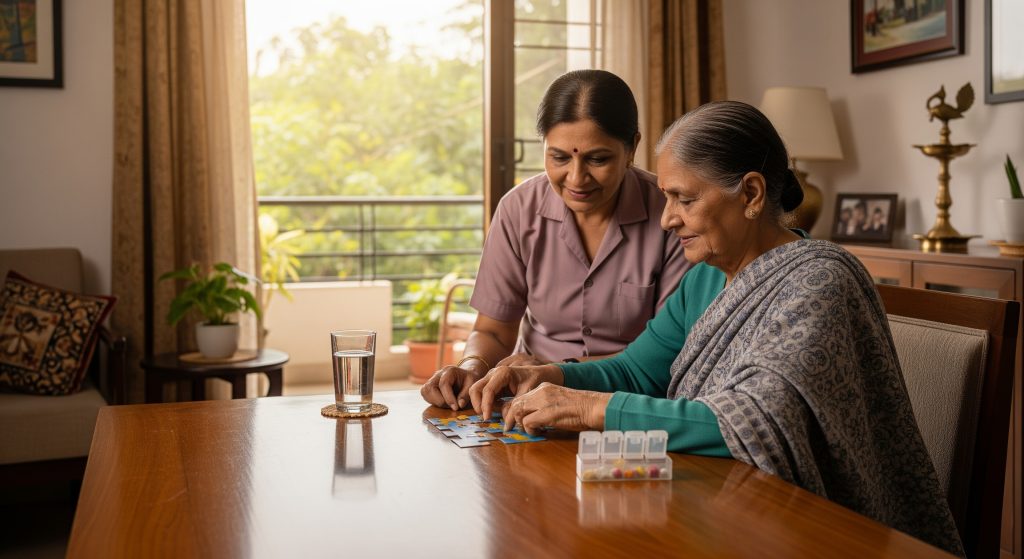
Cognitive stimulation therapy with simple puzzles and reminiscence sessions.
-
Physiotherapy and gait training for strength, balance, and fall prevention.
-
Occupational therapy to simplify task sequences and adapt the home.
-
Music and art sessions to support mood and meaningful engagement.
Combine these with a steady dementia medication plan and clear goals. The synergy is often visible within weeks.
Moving Forward with Dementia Care in India
India now has broad access to evidence based agents and growing expertise in non drug care. The next step is discipline in execution. Choose a dementia medication that matches the profile, titrate slowly, and define goals that families value. Then protect those gains with routines, therapy, and caregiver training.
I measure success by quieter evenings, safer mornings, and fewer crises. Not by perfect scores on a test. Dementia medication supports these outcomes when used thoughtfully and reviewed with regularity. And yet, no tablet can replace humane routines and patient coaching. Both are required, and both deserve attention.
Frequently Asked Questions
Which dementia medication has the fewest side effects for elderly patients?
No single choice suits all elders. In my practice, memantine is often well tolerated in the frailest patients. The patch form of rivastigmine can also help when gastrointestinal tolerance is poor. I select the dementia medication with the lowest interaction risk given the comorbidity list.
Can cholinesterase inhibitors and memantine be taken together safely?
Yes, many patients use the combination safely with proper titration. I introduce one medicine first, then add the second after stability. Blood pressure, pulse, appetite, and falls risk are monitored during each change. The aim is to keep the dementia medication plan effective without building unnecessary side effects.
How long does it take for dementia medications to show improvement?
Most families notice change over 4 to 12 weeks. Behavioural settling can appear earlier than cognitive improvement. As PubMed describes for galantamine, structured benefits are often assessed over 6 months to 2 years with dose ranges of 16 to 24 mg per day. I set review points at 8 and 16 weeks to decide on further titration.
Are generic versions of dementia medications equally effective in India?
In general, yes, when sourced from reputable manufacturers with proven bioequivalence. I focus on consistent supply and caregiver familiarity with packaging. Stability in brand can reduce dosing errors at home. The best dementia medication is the one that is taken correctly and consistently.
What should caregivers do if severe side effects occur?
Stop the suspected medicine and seek urgent clinical assessment. Bring all medicines to the visit, including over the counter products. Note the timing of the last dose, hydration status, and any falls or infections. A safe dementia medication plan depends on swift, informed action during acute events.
Is stem cell therapy a viable option for dementia treatment in India?
No, not at this time. Evidence remains exploratory and heterogeneous. I advise against commercial stem cell offers for dementia. Direct resources toward proven dementia medication, structured therapies, and caregiver training. Hope is essential, but so is prudence.

