






 We do what's right for you...


Human Metapneumovirus Symptoms: What You Need to Know
Dr. Kunal Luthra
Conventional advice treats every winter cough the same. That shortcut fails with human metapneumovirus symptoms because they vary by age and risk profile. I will clarify what presents early, what escalates, and when to act. The aim is practical judgement. I cover human metapneumovirus diagnosis, human metapneumovirus treatment, and human metapneumovirus prevention, alongside risk management for families. Symptoms overlap with other respiratory viruses, so pattern recognition matters. Timelines matter too. One careful read now can save a rushed clinic visit later.
Common Human Metapneumovirus Symptoms by Age Group
Early Symptoms in Toddlers and Young Children
In the youngest group, human metapneumovirus symptoms usually begin like a cold. I see a runny nose, mild fever, and a persistent cough. Appetite often dips, and sleep quality worsens. Irritability rises because breathing feels harder at night.
Wheezing and fast breathing can appear by day two or three. That small shift is crucial. It suggests lower airway involvement. In practice, I watch for nasal flaring, belly breathing, and head bobbing. Those are red flags in children under two years.
- Typical early signs: nasal congestion, sore throat, cough, low-grade fever.
- Watch points: reduced feeding, fewer wet nappies, increasing work of breathing.
- Complications to consider: bronchiolitis, ear infections, dehydration.
Timing helps. Human metapneumovirus symptoms in toddlers peak around day three to five, then ease. But still, deterioration can be rapid in a small subset. I advise prompt review if the cough sounds tight or if the child seems unusually sleepy.
2. Respiratory Symptoms in School-Age Children and Teenagers
Older children often present with broader respiratory involvement and fatigue. Human metapneumovirus symptoms here look like a heavy cold with a chest-loaded cough. Fever may be higher for 24 to 48 hours. Sore throat is common, and voice may sound hoarse.
Exercise intolerance emerges early. A child who usually runs for the bus now needs to stop and catch breath. That is a useful, practical marker. Sinus pressure and headaches appear in some cases, but they are not dominant features.
- Core pattern: cough, congestion, sore throat, moderate fever, tiredness.
- Lower airway clues: wheeze after sports, night cough that disturbs sleep.
- Secondary issues: sinus discomfort, mild chest pain from coughing.
Human metapneumovirus symptoms often overlap with viral bronchitis in this group. I differentiate by trajectory and exposure history. A faster onset and a tight nocturnal cough increase suspicion. A measured approach prevents unnecessary antibiotics.
3. Mild Cold-Like Symptoms in Adults
For most healthy adults, human metapneumovirus symptoms remain mild. I see a runny or blocked nose, scratchy throat, and a bothersome cough. Low energy follows, particularly in the afternoon. Fever is less common and not always sustained.
Some adults experience chest tightness on deep breaths. That does not imply pneumonia by itself. It reflects inflamed airways after repeated coughing. Taste and smell usually remain intact, which helps distinguish from other viral patterns.
- Typical adult picture: nasal symptoms, dry or productive cough, throat irritation.
- Less frequent: low-grade fever, mild wheeze, shortness of breath with exertion.
- Recovery window: 7 to 10 days for most, cough may persist longer.
Human metapneumovirus in adults can still disrupt work schedules and sleep. I plan for adequate hydration, regular analgesia, and airflow support at home. One calm night often accelerates recovery.
4. Severe Symptoms in High-Risk Populations
High-risk groups include infants, older adults, and individuals with chronic heart or lung disease. Human metapneumovirus symptoms can escalate to lower respiratory tract infection in these cohorts. Breathlessness at rest, persistent high fever, and confusion are key concern points.
For someone with COPD or asthma, an exacerbation may be the first visible sign. Oxygen levels can fall faster than expected. In frail adults, symptoms can appear muted. A sudden decline in mobility or appetite may be the first clue.
- Danger signs: rapid breathing, oxygen desaturation, chest retractions, cyanosis.
- Complications: viral pneumonia, bacterial superinfection, acute respiratory failure.
- Action: early medical review, pulse oximetry checks, clear escalation plan.
The principle is simple. Human metapneumovirus symptoms that worsen after day three, or involve laboured breathing, require clinical assessment. Early support limits complications. Precision matters here.
Diagnosis Methods and Testing Options for Human Metapneumovirus
RT-PCR Testing for Accurate Detection
When clinical features are unclear, I consider testing. RT-PCR remains the reference method for human metapneumovirus diagnosis in symptomatic patients. It detects viral RNA in respiratory samples. The technique is sensitive and specific when sampling is timely.
Sample quality and timing matter more than most assume. A properly collected nasopharyngeal swab within the first five days yields better results. Combined panels can also identify co-infections. That changes isolation and treatment choices.
- Best window: early acute phase, ideally within the first week of symptoms.
- Sample types: nasopharyngeal swab, throat swab, or lower respiratory specimens in severe disease.
- Operational detail: inform the laboratory about onset date and risk factors.
Human metapneumovirus symptoms do not always justify testing. I reserve RT-PCR for severe illness, hospital admissions, outbreak control, or when diagnosis guides infection control. This avoids unnecessary costs and delays.
2. Alternative Diagnostic Methods
Alternative approaches exist, but they are used selectively. Rapid antigen tests for related viruses can narrow differentials. Serology and viral culture have diminished roles in acute care. Multiplex RT-PCR has risen because it detects multiple pathogens in one run.
Usage of multiplex RT-PCR increased between Annals of Translational Medicine 2011 and 2019, reflecting the need for speed and breadth in respiratory seasons. That shift mirrors clinical reality. Time lost in the laboratory is time lost at the bedside.
- Clinical evaluation still anchors decisions when features are typical and mild.
- Imaging is reserved for suspected pneumonia or persistent hypoxia.
- Point-of-care tests help during outbreaks, but confirmatory PCR is prudent.
I match the method to the question. If human metapneumovirus symptoms are classic and improving, I document and monitor. If the course is atypical, I escalate testing and imaging.
3. When to Seek Medical Testing
Several triggers justify formal testing. First, severe or worsening respiratory distress. Second, symptoms in high-risk individuals. Third, cluster outbreaks in schools, care homes, or wards. Fourth, clinical uncertainty where co-infection is possible.
In each case, I align testing with action. If results will change isolation, therapy, or admission, they are worth pursuing. Otherwise, sensible observation is efficient. The goal is to treat the patient, not just the result.
- Seek testing for persistent high fever beyond three days with breathlessness.
- Test if oxygen saturation trends downward or if confusion develops.
- Use testing to clarify human metapneumovirus diagnosis during institutional outbreaks.
This approach avoids overuse. It also ensures that human metapneumovirus symptoms are interpreted in context. Good medicine is timely and proportionate.
4. Testing Availability and Cost in India
RT-PCR for respiratory viruses is widely available in urban India. Private laboratories offer same day or next day results. Public facilities provide testing through designated centres, particularly during seasonal surges. Turnaround depends on load and logistics.
Costs vary by city and laboratory. Combined respiratory panels cost more than single-target assays. I recommend confirming price, turnaround time, and sample requirements before booking. A clear checklist reduces repeat visits and delays.
- Carry a government ID, prescription, and prior reports where available.
- Confirm if home collection is supported and whether a courier fee applies.
- Ask if the panel includes influenza, RSV, and hMPV for efficient triage.
Human metapneumovirus symptoms rarely require testing in mild community cases. Prioritise access for high-risk patients and outbreak settings. This preserves capacity when demand spikes.
Treatment Approaches for Human Metapneumovirus Infection
Supportive Care and Symptom Management
There is no licensed antiviral specific to hMPV at present. Management focuses on supportive measures that reduce symptom burden and protect the airway. I prioritise hydration, rest, and analgesia for fever and aches. A humidifier can ease cough and nasal dryness.
Saline nasal irrigation and steam inhalation offer modest relief. Short, frequent sips work better than large drinks in children. Paracetamol or ibuprofen may be used, with dosing aligned to weight and age. Avoid unnecessary antibiotics. They do not help in a viral illness.
- Hydration targets: regular urine output and moist lips indicate adequacy.
- Cough care: warm fluids, honey for children over one year, and head elevation at night.
- Monitoring: track fever, breathing rate, and energy levels once or twice daily.
If human metapneumovirus symptoms destabilise, I reassess. Early correction of dehydration or hypoxia prevents escalation. Thoughtful basics are powerful.
2. Hospital Treatment for Severe Cases
Severe disease requires structured hospital care. Oxygen therapy is the first line for hypoxia. Nebulised bronchodilators are trialled in wheezy patients, particularly with asthma history. Intravenous fluids correct deficits when oral intake is poor.
Escalation includes high-flow nasal oxygen and, rarely, ventilatory support. I consider antibiotics only if bacterial superinfection is likely. Chest imaging and laboratory markers guide those decisions. Safety comes from protocol and close observation.
- Core components: oxygen, fluids, bronchodilators, and careful nursing observation.
- Adjuncts: corticosteroids in specific airway disease contexts, not as a blanket rule.
- Discharge criteria: stable oxygen, adequate intake, and a reliable home care plan.
Human metapneumovirus symptoms in high-risk groups can wax and wane. A conservative discharge plan with clear return advice reduces readmission risk. It is basically belt and braces.
3. Medications and Therapies Under Investigation
Research continues on antivirals and monoclonal antibodies for hMPV. Some agents show in vitro activity, yet clinical benefit remains mixed. Inhaled therapies are being explored for targeted delivery. Vaccines are in development, which I discuss later.
An evidence hierarchy is essential. Case series and small trials set direction but do not settle practice. I monitor trial registries and peer reviewed updates. Once robust data emerge, protocols will adapt.
- Consider clinical trials where available and appropriate.
- Use adjunct therapies only within guidance and governance frameworks.
- Document response to any off label use with measured caution.
Human metapneumovirus symptoms may improve with time regardless of experimental therapy. That makes placebo controlled data critical. Otherwise, bias creeps in.
4. Managing Complications and Recovery Timeline
Complications include pneumonia, asthma flares, otitis media, and dehydration. I keep a low threshold for reassessment if cough worsens after initial improvement. Post viral cough can persist for weeks. That is uncomfortable, not necessarily dangerous.
A practical recovery arc helps patients plan. Mild disease settles in 7 to 10 days. Moderate disease resolves in 10 to 14 days. Severe disease needs longer convalescence. Fatigue may linger, particularly in older adults.
|
Stage |
What to Expect |
|
Days 1-3 |
Cold-like onset, rising cough, early congestion |
|
Days 4-7 |
Peak cough, variable fever, sleep disruption |
|
Days 8-14 |
Gradual improvement, cough tail, energy returning |
Human metapneumovirus treatment remains supportive. A structured plan, regular check-ins, and clear thresholds for return help families cope. Stability first, speed second.
Prevention Strategies and Future Vaccine Development
Essential Hygiene and Safety Measures
Prevention is disciplined routine, not drama. Hand hygiene with soap for 20 seconds remains effective. I advise covering coughs, disposing of tissues promptly, and avoiding face touching. Symptomatic individuals should rest at home where practical.
Mask use during peaks and in crowded indoor spaces protects vulnerable contacts. Short visits and distance help when illness cannot be avoided. Practicality often beats perfection. Small behaviours add up.
- Wash hands before meals, after travel, and after coughing.
- Use alcohol rubs when soap and water are unavailable.
- Keep a small hygiene kit for school bags and work commutes.
Human metapneumovirus prevention relies on these simple steps. They also reduce spread of other respiratory viruses. The compound benefit is substantial.
2. Environmental Prevention Methods
Ventilation reduces airborne risk. I recommend opening windows and using cross ventilation in homes and classrooms. Portable HEPA purifiers can help in small rooms. CO2 monitors offer a rough proxy for stale indoor air.
Cleaning high-touch surfaces limits fomite transmission. Shared devices, doorknobs, and desk areas deserve attention. The routine need not be elaborate. Regularity matters more than intensity.
- Prioritise fresh air in crowded indoor settings.
- Schedule brief airing breaks during gatherings or meetings.
- Clean shared surfaces daily during respiratory seasons.
Human metapneumovirus symptoms may be mild, but spread is efficient in close quarters. Environmental control helps to an extent. It is practical and repeatable.
3. Current Vaccine Development Progress
Several research groups are working on hMPV vaccines. Platforms include protein subunits, viral vectors, and mRNA candidates. Progress is steady, though not uniform across pipelines. Safety and durable immunity remain the critical gates.
Timelines are cautious because correlates of protection are still refined. Combination vaccines that target RSV and hMPV are under consideration. That approach could simplify delivery once validated.
- Expect staggered phases with age specific indications.
- Priorities include infants, older adults, and those with chronic disease.
- Regulatory review will require seasonal and geographic data.
Until vaccines arrive, human metapneumovirus prevention depends on consistent hygiene and risk aware behaviour. That is the reality, at least for now.
4. Protecting Vulnerable Family Members
I advise a layered approach at home. First, prevent exposure. Second, blunt severity if infection occurs. Third, prepare a clear escalation plan. Families manage risk best when roles are explicit.
- During illness, separate sleeping areas where feasible and improve ventilation.
- Designate a primary carer with a mask for close contact tasks.
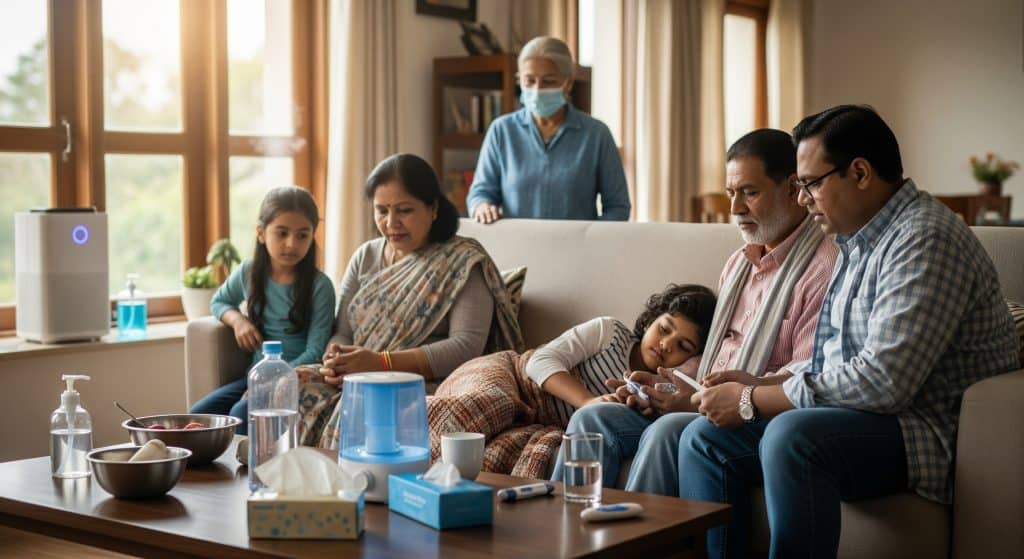
- Prepare a home kit: thermometer, pulse oximeter, fluids, analgesics, and saline.
For infants, preterm babies, and older adults, early assessment is prudent. Human metapneumovirus symptoms that disturb feeding or breathing need prompt review. Time is a protective factor when used well.
Protecting Your Family from Human Metapneumovirus
I integrate three pillars for families. Awareness, readiness, and consistency. Awareness means recognising human metapneumovirus symptoms early and not dismissing breathlessness. Readiness is a stocked home kit and a plan for medical advice. Consistency is the daily hygiene that quietly prevents spread.
Here is a practical sequence that works in busy households. Spot symptoms. Isolate the unwell person to the extent possible. Ventilate rooms, open a window, and use a purifier if available. Begin supportive care immediately. Track temperature, breathing rate, and oxygen saturation if you own a monitor. Review progress every 12 hours. Seek clinical help if breathing worsens, if confusion appears, or if oral intake remains poor.
- Map your household risks and identify the most vulnerable person.
- Agree on a contact protocol with your clinician before the season starts.
- Run a 10 minute drill for cleaning, ventilation, and medicine checks each week.
Human metapneumovirus symptoms are manageable with discipline. The point is simple. Plan once, execute repeatedly, and adjust as evidence evolves.
How long do human metapneumovirus symptoms typically last?
Most cases resolve in 7 to 10 days. Cough often lingers for up to three weeks, particularly at night. In high-risk groups, recovery can take longer. Energy may return slowly after severe illness. If fever or breathlessness persists beyond day three to five, I reassess. That change can signal a complication.
Can you get human metapneumovirus more than once?
Yes. Immunity after infection is partial and wanes over time. Reinfections occur, often with milder severity in healthy adults. Children and older adults can still experience notable symptoms. I focus on prevention behaviours each season. Human metapneumovirus symptoms may diminish with age, but risk never falls to zero.
Is human metapneumovirus more dangerous than RSV or flu?
Risk varies by age and comorbidity. RSV and influenza cause higher complication rates in many settings. Human metapneumovirus can still drive severe disease in infants and older adults. Comparisons depend on circulating strains and vaccination coverage for influenza. I assess individual risk rather than rely on league tables.
What’s the difference between hMPV symptoms in children versus adults?
Children more often show wheeze, fast breathing, and feeding difficulty. Adults typically report nasal symptoms and a persistent cough with fatigue. Fever is more frequent in children. Human metapneumovirus symptoms in adults are usually milder, though exceptions exist. Pattern and pace help distinguish severity across ages.
Are there any home remedies effective for human metapneumovirus treatment?
Supportive care works best. Warm fluids, saline nasal rinses, and humidified air offer relief. Honey helps cough in children over one year. Paracetamol or ibuprofen can reduce fever and aches. Avoid antibiotics unless a clinician suspects bacterial infection. I discourage unproven supplements. Human metapneumovirus treatment remains evidence led and supportive.
When will a human metapneumovirus vaccine be available in India?
Timelines remain uncertain. Vaccine candidates are in development, including combination approaches. Regulatory approval requires robust safety and efficacy data across age groups. Availability in India will follow successful trials and manufacturing scale up. Until then, human metapneumovirus prevention relies on hygiene, ventilation, and risk aware behaviour.

