






 We do what's right for you...


Clarifying HMPV Treatment: What You Need to Know in 2026
Dr. Kunal Luthra
Clarifying HMPV Treatment: What You Need to Know in 2026
Common advice still frames HMPV like a routine cold. That view underestimates the respiratory burden and the clinical nuance of hmpv treatment. I will outline the 2026 care playbook with clear triggers, realistic expectations, and pragmatic safeguards.
Current HMPV Treatment Approaches in 2026
Supportive Care Fundamentals
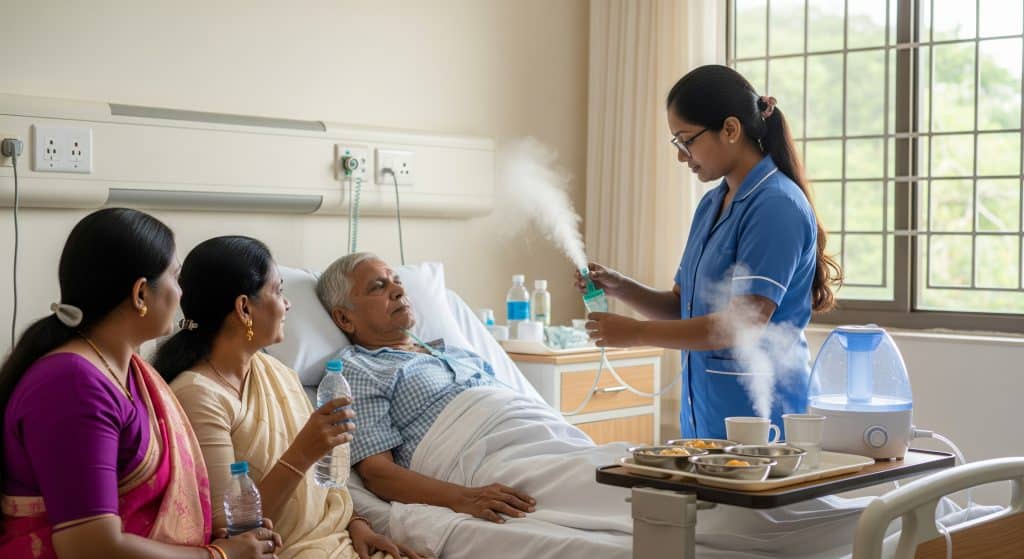
I treat HMPV as a respiratory illness that demands meticulous basics. Rest, antipyretics, and careful hydration remain the pillars. I advise room air humidification, nasal saline, and gentle airway clearance. For children and older adults, I emphasise monitoring effort, not only oxygen numbers. Small changes in work of breathing matter.
- Antipyretics: paracetamol as first line within dosing guidance.
- Airway hygiene: saline sprays, steam caution, and positional drainage if tolerated.
- Nutrition: small, frequent, energy-dense meals to preserve strength.
Oxygen Therapy and Respiratory Support
The step-up pathway is straightforward and disciplined. Start with low flow oxygen via nasal cannula when saturations drop or effort rises. If work of breathing persists, escalate to high-flow nasal oxygen. Non-invasive ventilation can help selected adults. Intubation is reserved for refractory hypoxia or exhaustion. It is basically a ladder, not a leap.
- Target saturations are individualised for comorbid lung disease.
- Reassess after each escalation within defined intervals.
- Document triggers for de-escalation to avoid overtreatment.
Fluid Management and Hydration Protocols
Dehydration worsens mucus tenacity and fatigue. I encourage oral fluids where safe, with electrolyte solutions for high fever. In hospital, intravenous fluids are conservative to avoid fluid loading the lungs. Aim for euvolaemia. Watch urine output and mental state for early drift.
|
Indicator |
Preferred Action |
|
Mild oral intake reduction |
Oral rehydration, frequent sips, monitor output |
|
Persistent vomiting |
Antiemetic review, consider IV fluids |
|
Signs of overload |
Slow fluids, reassess lungs, adjust targets |
Symptom-Specific Interventions
I use bronchodilators for coexisting wheeze or asthma. Cough suppressants are reserved for sleep disruption. Mucolytics can help thick secretions in adults, though responses vary. For bacterial coinfection risk, I rely on clinical review and testing rather than routine antibiotics. Precision beats reflex.
- Bronchodilator trial only when wheeze or bronchospasm is evident.
- Analgesia for pleuritic chest pain to maintain ventilation.
- Inhaled saline nebulisation in supervised settings when useful.
When to Seek Hospital Care
Set clear thresholds. I recommend urgent assessment for any of the following:
- Breathlessness at rest, rapid breathing, or chest retractions.
- Oxygen saturation trending down despite rest.
- Dehydration, confusion, or persistent high fever.
- Infants under six months, adults over 65, or anyone immunocompromised.
Timely escalation is not alarmist. It is protective.
Understanding HMPV Mortality Risk Factors
High-Risk Age Groups
Infants, especially under one year, and older adults face the highest complications. Frailty, low reserves, and coexisting conditions raise risk. I watch for fast fatigue during feeding in infants and reduced exercise tolerance in seniors. Small signs, large implications.
Immunocompromised Populations
Those on chemotherapy, transplant recipients, advanced HIV, and high-dose steroids are at elevated risk. Viral clearance is slower and secondary infections are more likely. I plan proactive monitoring, lower thresholds for imaging, and closer fluid balance control. Multidisciplinary oversight helps.
Current Mortality Statistics in India
Public figures vary by season, surveillance method, and case definition. As current data suggests, the hmpv mortality rate in India remains low in the general population. It is higher in infants, older adults, and immunocompromised groups. Local outbreak patterns can shift the picture, at least temporarily.
Comparison with Other Respiratory Viruses
Relative to seasonal influenza and RSV (Respiratory Syncytial Virus), severity clusters in similar groups, though presentations differ. Compared with COVID-19, overall risk appears lower for healthy adults. But severe disease still occurs. The right mental model is cumulative risk across age, comorbidity, and access to care. In the Indian context, RSV and influenza are common causes of respiratory illness, especially during monsoon and winter seasons, and their burden is significant in paediatric and geriatric populations. COVID-19, while still present, has a lower incidence in 2026 compared to its peak years, but vigilance remains important for high-risk groups.
Living with HMPV: Key Takeaways
- HMPV is manageable with disciplined basics and timely review.
- hmpv treatment focuses on airways, oxygenation, and hydration.
- Risk concentrates in infants, seniors, and immunocompromised patients.
- Seek care early if breathing effort rises or intake falls.
- Recovery is a process. Plan rest, nutrition, and gentle reconditioning.
The practical aim is steadiness and safety. Not heroics.
Can antibiotics treat HMPV infection?
No. HMPV is viral, so antibiotics do not treat it. I consider antibiotics only when there is clinical evidence of bacterial coinfection. Unnecessary antibiotics add risk without benefit.
What is the typical recovery time for HMPV?
Most healthy adults recover within one to two weeks. Cough and fatigue can linger longer. In high-risk groups, recovery may extend, and setbacks are possible. Pace activity and prioritise sleep.
Are there any vaccines available for HMPV in 2026?
As far as current public information indicates, no widely available HMPV vaccine exists in 2026. Several candidates are in development. Timelines depend on trial outcomes and regulatory review.
How does HMPV mortality compare to COVID-19?
For the general population, current evidence indicates lower mortality than COVID-19. The hmpv mortality rate rises in vulnerable groups, which narrows the gap. Context matters, including comorbidities and care access.
What preventive measures work best against HMPV?
Hand hygiene, masking in crowded indoor settings, and staying home when unwell reduce spread. Ventilation helps. For high-risk households, pre-plan care pathways and pulse oximeter checks. Simple discipline, strong results.
hmpv treatment, hmpv treatment, hmpv treatment, hmpv treatment, hmpv treatment, hmpv treatment, hmpv treatment

