






 We do what's right for you...


Why Tonsil Stones Happen: Causes, Symptoms, and Home Treatments
Dr. Poonam Singla
Conventional advice blames bad brushing for tonsil stones. That is only part of the story. I address the complete picture of tonsil stones causes, what signs actually matter, and how to manage removal at home without making the problem worse. The goal is simple. Fewer flare ups and a cleaner throat, using methods that are safe, realistic, and sustainable.
Main Causes of Tonsil Stones Formation
Tonsil stones form when debris gets trapped in tonsil crypts and hardens. I group the core tonsil stones causes into six practical buckets. Mechanism first, then what to do about it.
Poor Oral Hygiene and Bacterial Buildup
Insufficient brushing, unclean tongue surfaces, and skipped flossing allow bacterial biofilms to thicken. Those biofilms digest trapped proteins and release sulphur compounds. The result is odour and a sticky matrix that binds food particles. Left undisturbed, that matrix calcifies into small stones. I advise targeted cleaning of the tongue dorsum and interdental spaces because the bacterial load there feeds tonsil deposits. Regular hygiene lowers the bacterial reservoir and reduces the material available to harden.
Chronic Tonsillitis and Inflammation
Recurrent inflammation roughens tonsil tissue. Inflammation also enlarges crypt openings and deepens crevices. That structural change increases the chance of debris becoming trapped. The cycle is self reinforcing. More debris means more irritation and more biofilm. Breaking that cycle requires consistent local care and, in chronic cases, medical review. I will return to those routes in the prevention section.
Large Tonsil Crypts and Crevices
Some individuals simply have deeper crypts. Anatomy varies, and larger pockets collect more debris. Over time, a soft plug hardens as minerals deposit from saliva. The result can remain tiny, or grow into a palpable lump. Larger crypts do not doom anyone to constant stones, but they do raise baseline risk. Practical response matters more than anatomy. Gentle irrigation and periodic expression of soft debris can keep large crypts clear.
Postnasal Drip and Mucus Accumulation
Chronic nasal or sinus irritation drains mucus down the throat. That mucus carries inflammatory cells and proteins that thicken biofilms. The more it pools, the faster soft plugs reform after cleaning. In clinical literature, patients with chronic rhinosinusitis show a higher prevalence of tonsilloliths compared with controls. As Prevalence of Tonsilloliths in Chronic Rhinosinusitis reports, repeated sinus inflammation appears to raise the likelihood that stones develop. Treating upstream nasal issues often stabilises the throat downstream.
Dry Mouth and Reduced Saliva Production
Saliva buffers acids, washes away debris, and carries antimicrobial compounds. When saliva falls, the throat stays sticky. Causes range from mouth breathing to certain medicines to low fluid intake. The impact is predictable. Sticky mucus accumulates, bacteria flourish, and mineral salts concentrate. I recommend structured hydration, humidified air in dry seasons, and discussing medication side effects with a clinician where appropriate.
Diet and Food Particle Accumulation
Residue matters. Soft, adhesive foods lodge in crypts more readily than crisp, fibrous items. High sugar and highly processed snacks feed biofilms. Starchy coatings cling to mucosa. Dairy may thicken mucus for some people, which can worsen pooling. None of this implies a single food is the culprit in every case. It does suggest a pattern. Cleaner choices and a rinse after sticky meals reduce the substrate for new stones.
|
Cause |
Mechanism that promotes stones |
|---|---|
|
Poor oral hygiene |
Increases bacterial biofilm and debris that calcifies |
|
Chronic inflammation |
Deepens crypts and traps material |
|
Large tonsil crypts |
Greater pockets for debris to collect |
|
Postnasal drip |
Mucus adds protein and thickens plugs |
|
Dry mouth |
Reduced natural rinsing and higher mineral concentration |
|
Dietary residue |
Sticky particles adhere and nourish bacteria |
What this means. Many tonsil stones causes converge on one theme. More trapped matter in deeper pockets under drier conditions means quicker stone formation.
Recognising Tonsil Stones Symptoms
Tonsil stones can be silent. When they do signal trouble, the pattern is recognisable. The most reliable tonsil stones symptoms involve breath odour, visible specks, and local irritation.
Persistent Bad Breath (Halitosis)
Anaerobic bacteria break down proteins and release volatile sulphur compounds. The smell persists even after brushing. If breath is normal in the morning but worsens after swallowing, a stone may be releasing odour from behind a fold. Mints briefly mask it. Rinses help, though not always for long. I assess breath in context with other signs, not in isolation.
White or Yellow Spots on Tonsils
Small white or yellow clusters at the tonsil surface often represent superficial plugs. They can dislodge spontaneously during a cough. A wider patchy coating can also reflect active infection, so I match the finding with fever, sore throat, and systemic symptoms. A discrete pebble-like speck that moves when pressed points toward a tonsil stone rather than exudate.
Throat Discomfort and Irritation
Many describe a mild scratch, a foreign body sensation, or a nagging urge to swallow. The discomfort rarely feels sharp. It often fluctuates during the day. Reading the pattern helps. If irritation spikes with postnasal drip or after eating sticky foods, a stone is plausible. Gentle gargling sometimes shifts a plug and relieves the sensation.
Difficulty Swallowing
Larger stones or swollen tissue can narrow the passage temporarily. Swallowing then feels effortful on one side. Liquids and soft foods may pass while coarse foods irritate. Any true obstruction, persistent pain, or weight loss requires medical review. That is non negotiable. For routine cases, reducing local swelling and clearing debris improves mechanics.
Ear Pain Without Infection
Nerves in the throat and ear share pathways. Inflammation near the tonsil can refer pain to the ear despite a normal ear exam. When earache appears with a clean tympanic membrane and visible tonsil debris, I treat the throat first. The ear pain often settles once the local irritation resolves.
Metallic Taste in Mouth
Some stones leak sulphur compounds and trace blood from irritated surfaces. The result can taste metallic. This symptom is less specific than breath odour. It still adds weight if other signs match. If the taste persists with no visible throat findings, I broaden the assessment.
-
High confidence indicators: persistent halitosis with visible specks on the tonsil.
-
Supportive indicators: one sided scratchiness, referred earache, intermittent metallic taste.
-
Red flags: fever, severe pain, trismus, or neck swelling. Seek clinical evaluation.
Safe Home Treatments for Tonsil Stones Removal
Home care works for many uncomplicated cases. The principle is simple. Loosen the plug and reduce the factors that let it reform. If removal hurts, stop. Pain signals tissue trauma or the wrong angle. Below, I outline methods I recommend for cautious self care. These options also answer how to remove tonsil stones at home in a structured, low risk way.
1. Salt Water Gargling Technique
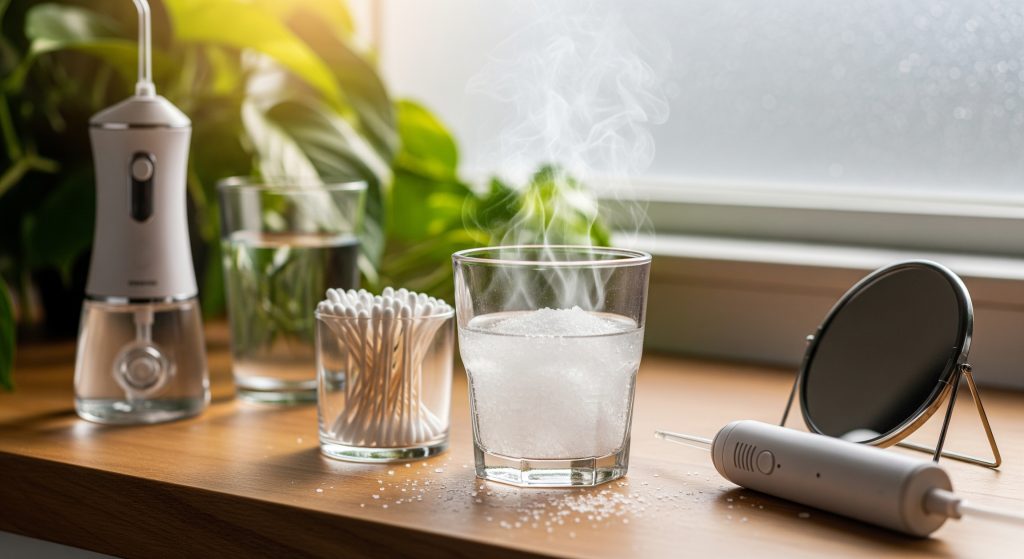
Warm saline reduces swelling and mechanically loosens debris. I mix half a teaspoon of salt in a glass of warm water. Gargle for 20 to 30 seconds, three to four times daily for several days. The warmth improves comfort. The salt draws fluid out of swollen tissue. Simple and effective. Particularly after meals.
-
Use warm, not hot water to avoid mucosal irritation.
-
Tilt the head back slightly and gargle deep in the throat.
-
Repeat consistently for cumulative effect.
2. Using Cotton Swabs Carefully
A clean cotton swab can express a superficial stone. I brace the tongue with a clean spoon handle and gently press beside the speck, not directly on it. Pressure from the side rolls the plug out. If bleeding occurs, stop and switch to rinses for 48 hours. This approach suits soft, visible stones. It is not suitable for deep, hidden plugs.
3. Water Flosser or Oral Irrigator Method
A water flosser on its lowest setting can dislodge debris without scraping tissue. I angle the stream alongside the crypt opening. Short pulses. Never a prolonged jet on one spot. Avoid high pressure settings. Those can lacerate mucosa. If discomfort rises, pause and return to salt rinses. This technique also helps people with larger crypts maintain routine clearance.
4. Apple Cider Vinegar Rinse
Some find diluted apple cider vinegar helpful. The mild acidity may loosen the matrix. I dilute at least 1 part vinegar to 5 parts warm water. Swish briefly, then gargle for 10 seconds. Follow with a plain water rinse to protect enamel. It is optional. If there is any burning or sensitivity, discontinue and revert to saline.
5. Essential Oil Gargles
Antimicrobial essential oils, when properly diluted, may reduce bacterial load. A typical rinse combines a few drops of tea tree or peppermint oil in a cup of warm water, plus a dispersant such as a small amount of mouthwash to help mixing. Gargle and spit. I view this as adjunctive only. Never ingest. Discontinue if any irritation appears.
6. Manual Removal with Clean Tools
Specialised tonsil stone tools exist, often with a lighted tip. If used, cleanliness and gentleness are paramount. I sterilise the tip with alcohol, wash hands, and work with a mirror and good lighting. Pressure targets the tissue beside the stone, not the stone itself. Two attempts only. If it does not release, leave it. The risk of abrasion rises with each try. A soft plug will usually shift after a day of rinses.
When to Stop Home Treatment
-
Bleeding that does not stop within two minutes with gentle pressure.
-
Severe pain or swelling after any attempt.
-
Fever, trismus, or difficulty breathing.
-
Recurrent large stones despite consistent care.
These signs warrant clinical assessment. Persistent recurrence often signals upstream causes that home techniques do not fix. That is where more definitive tonsil stones treatment options enter the discussion.
Preventing Tonsil Stones from Recurring
Prevention is not glamorous. It is effective. I align prevention with the key tonsil stones causes identified earlier, so each tactic addresses a root factor.
Daily Oral Hygiene Routine
-
Brush twice daily for two minutes with a soft brush.
-
Clean the tongue dorsum gently. A scraper works well.
-
Floss once daily. Interdental brushes help for wider gaps.
-
Use a non alcohol mouthwash at night if odour persists.
Focus on biofilm disruption, not aggressive scrubbing. Gentle consistency wins. This routine reduces bacteria and the organic load that feeds stones.
Staying Hydrated Throughout the Day
Hydration supports saliva flow and natural rinsing. I recommend a simple cadence. A glass on waking, one mid morning, one mid afternoon, and one with dinner. Add extra after exercise. Room temperature water is fine. If mouth breathing at night dries the throat, consider a bedside humidifier. Small habits add up.
Dietary Changes to Reduce Formation
-
Prefer fibrous fruits and vegetables that sweep residue from the mouth.
-
Limit sticky sweets and highly processed snacks between meals.
-
Rinse with water after dairy or starch heavy foods.
-
Chew sugar free gum to stimulate saliva if tolerated.
This is not a rigid plan. It is a bias toward cleaner choices that leave fewer particles behind. Over time, the throat stays clearer and stones form less often.
Regular Tonsil Cleaning Methods
I advise a light weekly routine for those prone to stones. A short warm saline gargle, followed by low pressure irrigation of the tonsil area. No scraping. No prolonged poking. The aim is prevention, not extraction. If you already know how to remove tonsil stones at home safely, incorporate that method at the first sign of a soft plug. Early action avoids irritation.
Medical Options for Chronic Cases
When home care fails repeatedly, medical strategies can address structural and inflammatory drivers:
-
Allergy and sinus management to reduce postnasal drip.
-
Short courses of topical antiseptics under clinical guidance.
-
Cryptolysis procedures that smooth crypt openings.
-
Tonsillectomy for carefully selected, severe, recurrent cases.
I weigh frequency, severity, and impact on quality of life before recommending procedures. The threshold should be sensible, not reactive. Relief matters. So does safety.
Managing Tonsil Stones Effectively
Effective management follows a simple framework. Reduce input, clear what collects, and calm the tissue. That keeps stones from gaining a foothold. I prioritise measures that align with the specific tonsil stones causes present in each case. For a dry mouth pattern, hydration and saliva support take priority. For deep crypt anatomy, gentle irrigation and occasional professional cleaning help. For postnasal drip, upstream nasal care often changes everything.
Two examples illustrate the point. A marathon runner with seasonal allergies had weekly stones in spring. Hydration scheduling, bedtime saline rinse, and daily nasal steroid reduced episodes to almost none. Another case involved large crypts and sticky snacks during long shifts. Switching to crunchier snacks, adding a nightly irrigator routine, and weekly saline gargles cut recurrences sharply. Small, targeted changes. Real results.
There is also a mindset element. Patience, not force. Err on the side of less pressure and more consistency. A stone that resists today will often release tomorrow after rinses and rest. Aggression creates abrasions. Abrasions swell. Swelling traps more debris. And yet, with the right structure, recurrences usually fall. That is the outcome that matters.
Frequently Asked Questions
Can tonsil stones go away on their own without treatment?
Yes, smaller plugs often dislodge spontaneously during swallowing, a cough, or even while brushing. Warm saline gargles increase that likelihood. If symptoms are mild and there are no red flags, observation plus hygiene is reasonable. Persistent pain, fever, or recurrent large stones merit review.
Are tonsil stones contagious to family members?
No, tonsil stones are not contagious. They are calcified accumulations within tonsil crypts. Family members may share risk factors, such as allergies or similar diets, which can create a pattern within households. That is shared context, not transmission.
How long does it take for tonsil stones to form?
Timing varies. Some soft plugs form within days after a viral illness or a stretch of poor hydration. Harder, larger stones can take weeks to calcify. The pace depends on biofilm growth, saliva flow, and how quickly trapped debris is cleared. Regular rinsing resets the clock.
Should children with tonsil stones see a doctor immediately?
Immediate evaluation is only necessary if there are red flags. For example, fever, severe pain, drooling, trismus, or breathing difficulty. Otherwise, a routine appointment is appropriate. Many children outgrow frequent tonsil issues as airways and immune responses mature.
Can removing tonsil stones at home cause bleeding?
Yes, especially with forceful scraping or high pressure irrigation. Superficial spotting can occur even with gentle expression. If bleeding persists beyond two minutes, stop and use saline. Recurrent bleeding, worsening pain, or signs of infection require clinical care. Technique and restraint reduce risk.
Do dairy products cause more tonsil stones?
Dairy does not cause stones on its own. It may thicken mucus for some people, which can increase pooling in crypts. If you notice a clear pattern after dairy, trial a rinse with water after those meals. Adjust based on observed response, not blanket rules.
I have covered the practical tonsil stones causes that matter day to day. I have also outlined core tonsil stones symptoms worth tracking and detailed safe methods for tonsil stones treatment at home. If questions remain about how to remove tonsil stones at home without irritation, consider a brief consultation for tailored guidance. Precision reduces recurrences. Consistency sustains results.

