






 We do what's right for you...


What You Should Know About Thoracentesis: Meaning, Prep, and Recovery
Dr. Kunal Luthra
Fluid around the lungs is often described as a minor inconvenience. That advice glosses over risks. I address the thoracentesis meaning with precision, because understanding the procedure and its purpose changes how patients consent, prepare, and recover. The aim is clarity. Not drama, not jargon, just practical knowledge you can use.
Thoracentesis Meaning and When You Need This Procedure
What Is Thoracentesis
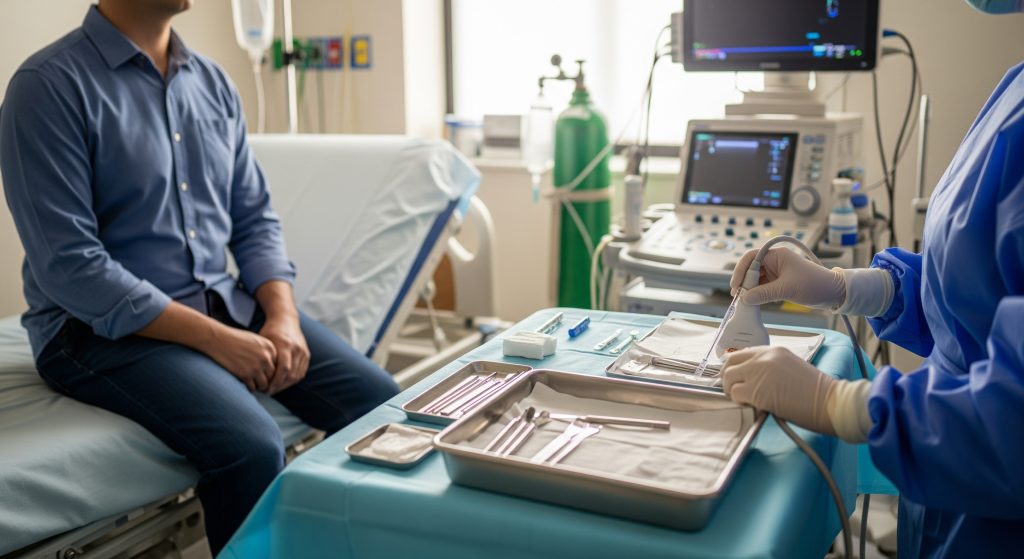
When I explain thoracentesis meaning, I start with basics. Thoracentesis is a clinical technique to remove fluid or air from the pleural space, which is the thin compartment between the lung and chest wall. The needle passes through the back or side of the chest under local anaesthesia. It can relieve breathlessness and provide samples for analysis. In short, the thoracentesis meaning covers both diagnosis and treatment in one tightly controlled intervention.
-
Objective: relieve symptoms or obtain diagnostic samples.
-
Setting: hospital, day unit, or clinic with trained staff.
-
Anaesthesia: local anaesthetic at the skin and deeper tissues.
Pleural Effusion and Other Conditions Requiring Thoracentesis
The most common trigger is pleural effusion, which is fluid collecting in the pleural space. Causes vary. Heart failure, infection, cancer, pulmonary embolism, and liver or kidney disease are frequent drivers. I use thoracentesis to confirm the cause and ease symptoms. In some cases, trapped air after an injury or procedure requires removal, though air removal often uses a different device. The thoracentesis meaning therefore extends beyond mere drainage. It is a structured approach to investigating disease mechanisms.
Diagnostic vs Therapeutic Thoracentesis
There are two purposes. Diagnostic thoracentesis takes a smaller sample to analyse proteins, cell counts, pH, glucose, and microbiology. Therapeutic thoracentesis focuses on symptom relief, often removing a larger volume of fluid. I discuss the thoracentesis meaning carefully with patients, because testing and relief carry different priorities and risks. Sometimes both aims are met in a single session. That dual role is the pragmatic strength of the technique.
-
Diagnostic: targeted sampling to clarify cause.
-
Therapeutic: volume removal to ease breathing.
-
Combined: sample first, then continue drainage if safe.
Key Signs Your Doctor May Recommend a Pleural Tap
A pleural tap is a common term for the same procedure. I tend to recommend it when breathlessness worsens, chest discomfort increases, or imaging shows moderate to large fluid volumes. Reduced breath sounds, dullness to percussion, or unequal chest expansion also point to effusion. If antibiotics are failing to resolve symptoms, thoracentesis provides rapid clarity. Here the thoracentesis meaning intersects with urgency. Clarify the diagnosis early and act deliberately.
-
Shortness of breath out of proportion to exertion.
-
Pleuritic chest pain or a persistent cough without a clear cause.
-
New or enlarging shadow on chest X-ray or ultrasound.
Difference Between Thoracentesis and Similar Procedures
Terms can blur, so I draw a firm line. The thoracentesis meaning differs from other chest procedures in intent, equipment, and duration. The table below summarises the distinctions.
|
Procedure |
Definition |
|---|---|
|
Thoracentesis |
Needle based aspiration of pleural fluid or air for diagnosis or relief. |
|
Pleural tap |
Informal term for thoracentesis. Same meaning in clinical practice. |
|
Chest drain |
Tube left in the pleural space for continuous drainage over hours or days. |
|
Pleurodesis |
Procedure to adhere lung to chest wall to prevent recurrent effusions or pneumothorax. |
|
Bronchoscopy |
Endoscopic airway procedure that does not sample the pleural space. |
In practice, thoracentesis is a same day procedure. A chest drain is ongoing treatment. That distinction matters for planning and consent.
Preparing for Your Thoracentesis Procedure
Pre-Procedure Medical Tests Required
Preparation supports safety and efficiency. I review a recent chest X-ray or ultrasound to confirm the best site. Basic blood tests assess clotting and infection risk. If heart or kidney disease is present, I may coordinate with the relevant teams. The thoracentesis meaning includes a duty to minimise harm. Imaging, labs, and a focused examination are the foundation.
-
Imaging: ultrasound mapping improves accuracy.
-
Bloods: clotting profile, full blood count, and relevant biochemistry.
-
History: bleeding disorders, prior procedures, allergies, and medications.
Medications to Stop Before Thoracentesis
Anticoagulants and some antiplatelet agents increase bleeding risk. I individualise decisions, weighing urgency against risk. Non essential supplements that affect clotting may need a pause. The plan is straightforward. Align timing so the thoracentesis procedure occurs when clotting risk is acceptable. If the risk is high, we consider a chest drain under closer monitoring instead.
-
Discuss warfarin, DOACs, and dual antiplatelet therapy with the team.
-
Clarify bridging plans if necessary.
-
Confirm when to restart medicines after the procedure.
What to Eat and Drink Before the Procedure
This procedure uses local anaesthesia, not general anaesthesia. Light food and clear fluids are usually acceptable unless advised otherwise. I ask patients to avoid heavy meals immediately before attendance. Hydration helps venous access and comfort. The thoracentesis meaning here is practical. Comfort supports stillness, and stillness improves safety.
Questions to Ask Your Healthcare Provider
Informed consent depends on specific answers. I encourage structured questions so nothing is missed.
-
What is the clinical reason and expected benefit of the pleural tap?
-
Will ultrasound guidance be used at the bedside?
-
How much fluid will be removed and how will comfort be maintained?
-
What are the immediate risks and how are they managed?
-
What happens if the fluid recurs after this thoracentesis procedure?
-
When and how will I receive the laboratory results?
What to Bring on Procedure Day
A short checklist reduces delays. I ask for the following items on arrival.
-
Medication list and allergy information.
-
Recent imaging or reports if performed externally.
-
Loose clothing for easy access to the back or side.
-
A support person if preferred, especially for post procedure travel.
-
Any consent documents already reviewed.
Good preparation keeps the timetable predictable. Predictability reduces anxiety and complications.
The Thoracentesis Procedure Step by Step
1. Positioning and Local Anaesthesia
Positioning is deliberate. Sitting upright and leaning slightly forward opens the rib spaces and stabilises the chest wall. I mark the safest interspace after ultrasound review. The skin is cleaned with antiseptic. Local anaesthetic is injected to numb the skin and deeper tissues. At this point, the thoracentesis meaning becomes tactile. Gentle, precise, and methodical.
-
Upright posture with arm support on a table or pillow.
-
Skin preparation and sterile drapes to maintain asepsis.
-
Stepwise infiltration to ensure adequate numbness.
2. Ultrasound Guidance and Needle Insertion
Ultrasound guidance improves accuracy and reduces complications. I confirm fluid depth and avoid the diaphragm and liver or spleen. The needle advances just above the rib to spare the neurovascular bundle. Entry into the pleural space is felt as a subtle give. The thoracentesis meaning, at this stage, is precision linked to safety.
3. Fluid Drainage Process
Once in position, the fluid is aspirated through a catheter or needle attached to tubing. I control the rate to minimise coughing or chest discomfort. Periodic pauses allow the lung to re expand gradually. In therapeutic cases, I stop if symptoms develop or ultrasound shows sufficient re expansion. The thoracentesis procedure stays patient centred. Comfort guides the endpoint as much as volume.
-
Slow, steady aspiration to prevent sudden pressure shifts.
-
Monitoring for pain, cough, or dizziness.
-
Early termination if patient comfort declines.
4. Sample Collection and Analysis
For diagnostic aims, I collect aliquots into sterile containers. Typical tests include chemistry, cytology, and microscopy with culture. If tuberculosis is suspected, I add specific assays. The thoracentesis meaning extends from the bedside to the laboratory bench. Quality samples and accurate labelling ensure credible results.
-
Biochemistry: protein, LDH, glucose, pH.
-
Cell count and differential with cytology when malignancy is possible.
-
Microbiology with Gram stain and culture if infection is likely.
5. Procedure Completion and Immediate Aftercare
After removal of the needle or catheter, I apply a sterile dressing and observe for a short period. Vital signs and symptoms are checked. If breath sounds change or symptoms suggest air leak, I arrange immediate imaging. Most patients leave on the same day with clear instructions. The thoracentesis meaning closes with vigilance. Finish well and follow through.
Recovery After Thoracentesis and Follow-Up Care
First 24 Hours Post-Procedure
Recovery is usually uneventful. Mild soreness at the site is common. I recommend simple analgesia unless contraindicated. Avoid heavy lifting and extreme twisting for the day. If breathlessness worsens, report immediately. The thoracentesis meaning in recovery terms is straightforward. Respect the healing window and escalate if symptoms change.
Managing Common Side Effects
Typical side effects include transient cough or a pulling sensation as the lung re expands. The dressing should remain clean and dry. A small bruise can occur. I provide practical self care steps so patients feel prepared.
-
Keep the dressing in place for at least 24 hours.
-
Use paracetamol as advised for discomfort.
-
Resume gentle walking the same day if steady.
If discomfort rises or fever develops, contact the team. Early review prevents minor issues from escalating.
Warning Signs of Complications
Complications are uncommon but require prompt action. Concerning features include sharp chest pain, rapid breathlessness, faintness, or persistent cough with frothy sputum. New swelling at the site or spreading redness also warrants review. The thoracentesis meaning demands a clear safety net. Patients should know when to act and whom to call.
-
Sudden breathlessness or chest tightness.
-
Worsening pain unresponsive to simple analgesia.
-
Fever, chills, or purulent drainage from the site.
Activity Restrictions and Return to Normal Life
Most people return to light activity within a day. I advise avoiding strenuous exercise for 24 to 48 hours, depending on comfort. Driving may be resumed when pain free and alert. The pleural effusion may recur if the underlying condition persists. If so, a chest drain or pleurodesis may be discussed. That is not a failure. It is a progression matched to the diagnosis.
Follow-Up Appointments and Test Results
Results interpretation is where decisions crystallise. I schedule follow up to review laboratory findings and imaging. If malignancy is suspected, I coordinate oncology input. If infection is likely, antibiotic choices are refined. The thoracentesis meaning culminates in actionable information. Data guides therapy and prognosis, which is the point of testing.
Making Informed Decisions About Thoracentesis
Consent is not a signature. It is a process of understanding options, risks, and likely outcomes. I frame the thoracentesis meaning as a balance of benefit and uncertainty. Relief of breathlessness is tangible. Diagnostic clarity can be decisive. Yet any needle based procedure carries a small risk of bleeding, infection, or air leak. Patients deserve both the benefit and the honesty.
-
Clarify intent: diagnostic, therapeutic, or both.
-
Know alternatives: observation, diuretics, chest drain, or surgical options.
-
Prepare practically: medications, logistics, and aftercare plan.
-
Decide collaboratively: align with personal values and clinical urgency.
A brief example may help. A patient with heart failure presents with recurrent pleural effusion and worsening breathlessness. Diuretics help but not enough. A planned pleural tap confirms a transudate pattern and relieves symptoms. The team adjusts heart failure therapy and prevents frequent returns. The thoracentesis procedure enabled both comfort and clarity.
I also adopt clinical shorthand when needed. For instance, I watch the PF ratio in pleural studies, which relates pleural fluid protein to serum protein. It sounds technical, but it helps distinguish exudate from transudate (a critical split that shapes next steps). Precision like that is not trivia. It is basically how decisions earn their weight.
Frequently Asked Questions
How painful is a thoracentesis procedure?
Pain is generally mild because local anaesthetic is used. I warn patients about brief stinging during numbing. Pressure or a pulling sensation may follow as fluid drains. The thoracentesis meaning in comfort terms is simple. Numb the area well and proceed gently.
Can thoracentesis be done as an outpatient procedure?
Yes, it is often completed in a day unit. Observation follows for a short period. Patients usually go home the same day with instructions. I only arrange admission if monitoring is required or if a chest drain is likely. This aligns with the thoracentesis meaning as a focused, minimally invasive intervention.
How much fluid is typically removed during thoracentesis?
Volumes vary by clinical scenario and patient tolerance. I prioritise comfort and safety over fixed targets. Ultrasound guidance helps determine safe limits. The thoracentesis meaning stresses judgment. Remove enough to relieve symptoms and obtain quality samples.
What are the risks of not having thoracentesis when recommended?
Delaying the procedure can prolong breathlessness and postpone diagnosis. Infections or malignancies may progress without timely sampling. Large effusions can impair ventilation and exercise tolerance. A pleural tap is not always mandatory, but when indicated, it shortens the path to effective treatment.
How long does it take to get thoracentesis results?
Turnaround times depend on the tests requested and local laboratory processes. Biochemistry and cell counts return sooner than cultures or cytology. I schedule follow up accordingly. The thoracentesis meaning anchors this planning. Communicate expectations and avoid unnecessary anxiety.
Can pleural effusion return after thoracentesis?
Yes, recurrence can occur if the underlying cause persists. Heart failure, cancer, and chronic infections often need ongoing treatment beyond drainage. If effusions recur frequently, I discuss definitive strategies such as indwelling drains or pleurodesis. The thoracentesis procedure is one component of a broader plan.

