






 We do what's right for you...


What Is the Reason for Snoring & How to Fix It Step-by-Step
Dr. Poonam Singla
Disclaimer: The content shared here is for informational purposes only. Always consult a specialist doctor before attempting any treatment, procedure, or taking any medication independently.
Blaming a noisy sleeper on age, stress, or tiredness sounds convenient. It rarely solves the core problem. The more useful question is simple and practical: what is the reason for snoring in this specific case, and what works tonight. I will map the fast fixes first, then the deeper causes, and finally the advanced options. The goal is straightforward. Quieter nights, and better sleep for everyone in the room.
Step-by-Step Solutions to Stop Snoring Immediately
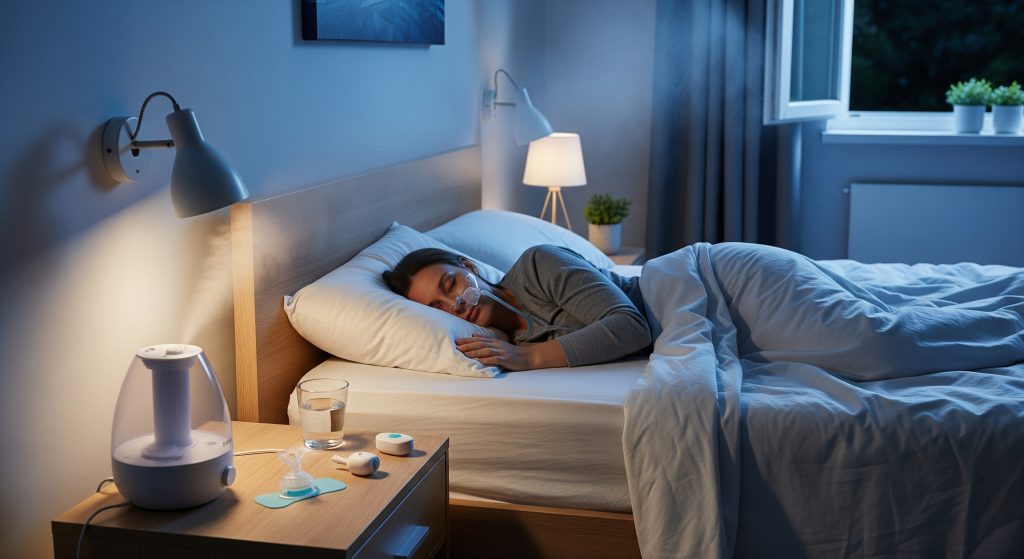
1. Change Your Sleep Position to Side-Sleeping
I start with position because it often helps within one night. If the airway narrows when lying on the back, the soft palate and tongue fall backward. That vibration is the sound. When asked what is the reason for snoring that appears only when supine, this positional collapse is a prime suspect.
-
Use a body pillow that supports the chest and knees. It keeps the torso aligned.
-
Place a small cushion behind the back to discourage rolling onto the spine.
-
Test a tennis ball hack: sew a soft object onto the back of a pyjama top.
In practice, side-sleeping reduces airway resistance. It is basically a mechanical fix. It is also reversible, which makes adherence easier. If a colleague asked me how to stop snoring by tomorrow, this is my first line.
2. Use Anti-Snoring Devices Tonight
Several devices work immediately if the fit is correct. When someone asks what is the reason for snoring that persists despite side-sleeping, I consider oral airflow and tongue posture. Two categories stand out for rapid trials.
-
Nasal strips or dilators to widen the nasal valve and reduce mouth breathing.
-
Boil-and-bite mouthpieces that bring the lower jaw slightly forward.
These are practical snoring remedies for short tests and travel. Fit matters. A poor fit reduces benefit and comfort. If jaw discomfort occurs, stop and seek a dentist trained in sleep dentistry. That prevents minor issues from becoming major.
3. Clear Nasal Passages Before Bed
Blocked noses drive mouth breathing and turbulence. When I am asked what is the reason for snoring during allergy season, nasal congestion features heavily. Clearing the nose often cuts noise quickly.
-
Rinse with isotonic saline using a squeeze bottle or neti pot.
-
Take a warm shower to loosen secretions and ease airflow.
-
Use a preservative free nasal spray if prescribed guidance allows.
If structural issues exist, such as a deviated septum, this step helps but may not be sufficient. Even then, a clearer nose limits the airway pressure swings that trigger vibration.
4. Adjust Your Pillow Height and Firmness
Pillow choice is underrated. Excess loft kinks the neck forward and narrows the airway. Too little loft lets the head drop back. When people ask what is the reason for snoring that starts after buying new bedding, I review neck angle first.
-
Aim for a neutral neck. Not flexed, not extended.
-
Side-sleepers usually need a higher, firmer pillow to fill the shoulder gap.
-
Back-sleepers often do best with a medium height pillow that prevents chin tucking.
As a quick test, try a rolled towel under the neck for one night. If snoring decreases, choose a pillow that recreates that curve. Precise, simple, repeatable.
5. Implement Mouth and Throat Exercises
Targeted exercises strengthen the muscles that keep the airway stable. When the question is what is the reason for snoring in people with normal weight and controlled allergies, weak or uncoordinated airway muscles are plausible.
-
Tongue slides: press the tongue to the palate and slide it back 10 to 20 times.
-
Soft palate lifts: say “ah” with controlled lifts for sets of 10.
-
Jaw support: gentle forward holds with closed lips for 5 to 10 seconds.
Perform these for 10 minutes daily, ideally split into two sessions. Results build gradually. And yet, many notice quieter nights within several weeks. Consistency determines the outcome.
6. Create an Optimal Sleep Environment
Small environmental changes compound. When asked what is the reason for snoring that worsens at certain times, I often find dry air, alcohol, or late meals contribute.
-
Keep the room cool and moderately humid. Dry air irritates mucosa.
-
Avoid alcohol within three hours of bedtime. It relaxes airway muscles.
-
Limit heavy meals late in the evening. Reflux increases airway reactivity.
-
Reduce bedroom allergens with regular cleaning and encasements.
The breathing passages respond to irritation. Lower the triggers and airflow remains steadier. The result is less vibration and less noise.
Primary Causes of Snoring in Different Age Groups
Anatomical Factors Behind Airway Obstruction
Structure sets the baseline. Enlarged tonsils, a low soft palate, or a recessed jaw shrink the airway. When someone asks what is the reason for snoring that began in childhood, tonsillar enlargement is often relevant. In adults, a crowded oropharynx or nasal valve collapse are common findings.
|
Factor |
Effect on Airflow |
|---|---|
|
Deviated septum |
Increases resistance and mouth breathing |
|
Large tongue base |
Narrows retroglossal space in supine position |
|
Recessed mandible |
Moves tongue backward and reduces space |
These features do not guarantee snoring, but they raise risk. The airway behaves like a flexible tube. Narrow tubes vibrate more under the same pressure.
Weight-Related Causes and Obesity Impact
Adipose tissue around the neck and tongue increases airway collapsibility. When a patient asks what is the reason for snoring that worsened with weight gain, the answer is often pressure and volume. Neck circumference correlates with risk, roughly speaking.
-
Fat deposition reduces lumen size and increases tissue compliance.
-
Abdominal mass elevates the diaphragm when supine and reduces lung volume.
-
Lower lung volume reduces airway traction, inviting collapse.
Even modest weight loss improves airflow to an extent. Not a miracle, but a measurable shift. It usually pairs well with mouthpieces and positional therapy.
Nasal Congestion and Allergies
Rhinitis, sinus swelling, and seasonal triggers limit nasal flow. The body compensates by opening the mouth. That change increases turbulence. When I am asked what is the reason for snoring that appears during pollen peaks, allergic congestion sits near the top of the list.
Mitigation combines avoidance and targeted care. Wash bedding weekly in hot water. Rinse the nose with saline at night. Consider consultation for pharmacological support if symptoms persist. The objective is consistent nasal breathing during sleep.
Sleep Position and Muscle Relaxation
Position interacts with muscle tone. Back-sleeping plus alcohol or sedatives lowers tone and lets tissues flutter. When a person wonders what is the reason for snoring on weekends, late drinks and supine sleep often intersect.
-
Side-sleeping increases lateral wall tension and stability.
-
Back-sleeping decreases tongue base tone and space.
-
Prone sleep is less practical but sometimes effective.
Behavioural tweaks here yield fast returns. They also improve comfort for bed partners. Small levers, big effect.
Age-Related Changes in Throat Tissues
Tissues stiffen and tone declines with age. Menopause can modify airway behaviour through hormonal shifts. When families ask what is the reason for snoring that emerges in middle age, progressive loss of tone is a reasonable explanation.
Exercises, careful alcohol timing, and optimised pillows help. Devices that stabilise the airway become more relevant with time. Prevention still matters. Early habits age well.
Lifestyle Factors That Trigger Snoring
Several daily choices amplify risk. When I analyse what is the reason for snoring in busy professionals, patterns appear.
-
Alcohol and sedatives reduce protective reflexes during sleep.
-
Late large meals raise reflux and nasal reactivity.
-
Irregular sleep shortens deep stages and worsens muscle control.
-
Smoking irritates tissues and increases swelling.
Critics might say lifestyle advice sounds generic. It can, but the airway is sensitive. When triggers drop, snoring usually follows suit.
Advanced Snoring Remedies and Medical Treatments
Latest Anti-Snoring Devices in 2025-2026
Device design is advancing across materials and sensors. As current data suggests, newer mouthpieces use lighter polymers and finer calibration. When engineers ask me what is the reason for snoring in users who fail older trays, I point to poor adjustability and bulk.
-
Micro-adjustable mandibular devices with incremental advancement controls.
-
Adaptive nasal dilators sized by nasal valve angle.
-
Positional therapy wearables that train side-sleeping through gentle cues.
Not every device suits every anatomy. Fit testing and follow up improve outcomes and comfort.
Oral Appliances and Mandibular Advancement Devices
These appliances move the lower jaw forward to expand the airway. For many, they are the right balance of efficacy and convenience. When I am asked what is the reason for snoring that vanishes with a temporary jaw thrust, a mandibular device is an obvious candidate.
Key considerations:
-
Custom devices are more precise and often better tolerated.
-
Regular follow up protects the teeth and joints.
-
Objective checks, like audio apps, can track progress.
Cost varies. Longevity does too. Benefit depends on anatomy and adherence.
New Medications for Sleep Apnea and Snoring
Pharmacological approaches are evolving, though results are mixed. Some therapies target nasal inflammation. Others aim at muscle tone or arousal thresholds. When patients ask what is the reason for snoring that resists mechanical aids, medication trials may be considered with specialist input.
I use measured language here. Medication may help subsets of patients, depending on the mechanism. It is not a standalone cure in most cases. It is an adjunct, ideally combined with positional and dental strategies.
CPAP Alternatives and Smart Technology Solutions
Continuous positive airway pressure is highly effective for obstructive events. Some people need alternatives. For those asking what is the reason for snoring despite light CPAP use, the problem may be poor mask fit or a low pressure setting.
-
Auto titrating devices that adjust pressure within set limits.
-
Expiratory pressure relief valves for comfort sensitive users.
-
Smart trackers that correlate posture, noise, and oxygen trends.
Data helps refine treatment. The goal is quiet, stable breathing with minimal burden. It should fit into life, not fight it.
Surgical Options for Chronic Snorers
Surgery targets structure. When the discussion turns to what is the reason for snoring due to fixed anatomy, surgical evaluation enters. Options range from nasal valve reinforcement to soft palate procedures and tongue base reduction.
A balanced view is essential:
Pros
-
Addresses underlying structure directly.
-
Potentially reduces device dependence.
Cons
-
Recovery time and variability in outcomes.
-
Possible need for adjunct therapies post procedure.
Selection criteria matter more than enthusiasm. Right patient, right procedure, right timing.
When to Consult a Sleep Specialist
Professional assessment is prudent when symptoms escalate. If the question shifts from what is the reason for snoring to whether apnoea is present, I watch for red flags.
-
Loud nightly snoring with witnessed pauses or choking.
-
Morning headaches and excessive daytime sleepiness.
-
High blood pressure or cardiovascular disease with snoring.
-
Failure of multiple conservative measures.
A sleep study clarifies the pattern. Structured testing guides treatment and reduces guesswork.
Taking Action Against Snoring for Better Sleep
A practical plan beats vague intent. Start with one immediate step from tonight. Then revisit the deeper question: what is the reason for snoring in this case. Link the fix to the cause. For positional snoring, lock in side-sleeping and the right pillow. For nasal drivers, establish a pre bed routine and keep the room clean and humidified. For structural contributors, test a well fitted oral appliance and document results over two weeks.
If changes fail, escalate. Use objective data from a noise or sleep tracker to avoid guesswork. Consider a formal sleep assessment if symptoms suggest apnoea. Precision reduces frustration. It also protects health. I recommend revisiting contributing habits every quarter. Small corrections add up, and they stick.
Frequently Asked Questions
Can snoring be completely cured?
Sometimes yes, if a single clear cause is addressed. For example, tonsil surgery in children can be definitive. Often the better aim is control rather than cure. The key remains specific diagnosis. Answer the core question first: what is the reason for snoring here. Then match the remedy to the mechanism.
What is the fastest way to stop snoring tonight?
Combine side-sleeping with a nasal dilator and a medium height pillow. Avoid alcohol and heavy meals in the evening. This layered approach often works on the first night. It is also the most direct response to how to stop snoring without complex equipment.
Is snoring a sign of sleep apnea?
It can be, though not always. Warning signs include witnessed pauses, gasping, morning headaches, and severe sleepiness. If these appear, move beyond asking what is the reason for snoring and request a sleep study. Objective data settles the question.
Which sleeping position reduces snoring most effectively?
Side-sleeping helps most people. It keeps the tongue forward and stabilises the lateral walls. Back-sleeping tends to worsen vibration. If side-sleeping fails, evaluate pillow height and trial a mandibular device. Position alone is not always enough, but it is low risk and repeatable.
Do anti-snoring mouthpieces really work?
Yes, for many users. Mandibular advancement devices open the airway by bringing the lower jaw forward. Fit quality decides comfort and effectiveness. If asking what is the reason for snoring that responds to a manual jaw thrust, a mouthpiece is a logical next step. They are among the most reliable snoring remedies when sized and adjusted correctly.
Can children develop snoring problems?
Yes. Common drivers include enlarged tonsils, adenoids, and nasal allergies. Growth and development factors also play a role. Persistent or loud snoring warrants evaluation. Early treatment protects sleep quality and daytime function. Address the cause, not just the noise.
What natural remedies help reduce snoring?
Saline nasal rinses, side-sleeping, and targeted mouth and throat exercises are effective. Weight management supports airflow stability. Consistency matters more than intensity. For sceptics who ask what is the reason for snoring that responds to gentle habits, the answer is tissue tone and reduced irritation.
How do I know if my snoring needs medical attention?
Seek help if snoring is nightly and disruptive or if breathing pauses occur. Add concern for morning headaches, high blood pressure, or mood changes. If multiple home strategies fail, escalate to testing. Precision trumps assumptions. It is the safest route to durable results.
Action prompt: Choose one immediate change tonight and one diagnostic step this week. Then record results for 14 days. This disciplined approach answers what is the reason for snoring in your case and points directly to the right fix.

