






 We do what's right for you...


What Is Open Heart Surgery? Complete Guide for All Ages in India
Dr. Hriday Kumar Chopra
“Open heart surgery is always a last resort” is a common refrain. It is not always correct. The better question is what is open heart surgery in practical terms, when is it indicated, and how do outcomes improve when timing and technique align. I offer a clear, age-inclusive view for India, from procedure types to recovery and costs.
Types of Open Heart Surgery Procedures
Coronary Artery Bypass Grafting (CABG)
When arteries are critically narrowed, surgeons create new routes for blood flow using grafts. This is often what people picture when asking what is open heart surgery. CABG can involve one to several grafts depending on disease spread. Results depend on vessel quality and risk factors such as diabetes and smoking.
Heart Valve Replacement or Repair
Faulty valves cause backflow or obstruction. Surgeons either repair the native valve or replace it with a mechanical or bioprosthetic option. Mechanical valves last longer, yet require lifelong anticoagulation. Bioprosthetic valves avoid long-term anticoagulants, though they may wear faster in younger patients.
Congenital Heart Defect Correction
Some people are born with structural problems such as atrial septal defect or tetralogy of Fallot. Repair usually restores normal blood routing and oxygenation. Timing is crucial. Early correction prevents strain on the heart and lungs, and it supports normal growth.
Medical Device Implantation
In complex disease, surgeons may implant devices that support pumping or rhythm. Examples include left ventricular assist devices and epicardial pacemakers. These can stabilise advanced heart failure or life-threatening arrhythmias when other measures are not adequate.
Heart Transplant Surgery
Transplantation is reserved for end-stage heart failure when other treatments no longer suffice. Strict selection criteria apply. Long-term care includes immunosuppressive therapy and vigilant infection monitoring.
Open Heart Surgery Cost in India
Factors Affecting Surgery Costs
|
Factor |
How it influences cost |
|---|---|
|
Procedure type |
Valve work and transplants generally cost more than single-vessel CABG. |
|
Hospital tier |
Metropolitan tertiary centres usually price higher than regional hospitals. |
|
Implants and disposables |
Valve type, graft materials, and device brand can shift totals materially. |
|
ICU and stay length |
Complications extend intensive care and increase the bill. |
|
Comorbidities |
Diabetes, kidney issues, or lung disease add tests and specialist input. |
Patients often ask what is open heart surgery likely to cost in a general sense. Pricing varies by city, centre, and complexity. Request a line-item estimate that includes surgeon fees, anaesthesia, ICU, implants, and follow-up.
Insurance Coverage and Government Schemes
-
Most private insurers in India cover medically indicated surgeries after waiting periods.
-
Government schemes such as Ayushman Bharat support eligible beneficiaries at empanelled centres.
-
Seek pre-authorisation. Provide test results, the surgical plan, and the expected length of stay.
Open Heart Surgery Procedure
Pre-Surgery Preparation and Tests
I explain the open heart surgery procedure in phases. Pre-operative workup includes blood tests, chest imaging, ECG, and echocardiography. Many patients need coronary angiography. Optimising blood sugar, stopping smoking, and dental clearance reduce infection risk.
Surgical Steps and Heart-Lung Machine
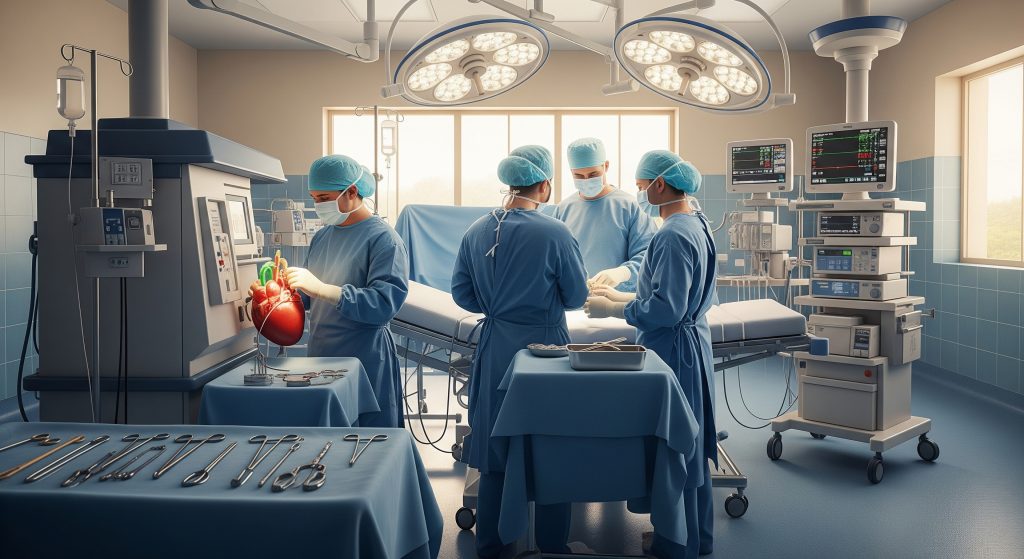
Under general anaesthesia, surgeons open the chest through a midline incision. The heart-lung machine takes over circulation and oxygenation during critical steps. The surgical team repairs valves, bypasses arteries, or performs the planned correction. The machine is weaned once the heart is ready to resume full function.
Duration and Recovery Timeline
-
Operating time: typically 3 to 6 hours, depending on complexity.
-
ICU: usually 1 to 2 days if stable, longer if complications arise.
-
Ward stay: often 4 to 7 days after ICU discharge.
-
Home recovery: 6 to 12 weeks for most adults, with graded activity.
These timeframes are approximate. They shift with age, fitness, and intraoperative findings. It is basically a staged recovery, not a single hurdle.
Post-Surgery Care Requirements
-
Wound care and infection vigilance, including temperature tracking.
-
Medication adherence for pain control, anticoagulation, and heart protection.
-
Cardiac rehabilitation with monitored exercise and education.
-
Follow-up echocardiography and periodic review of blood tests.
Paediatric Open Heart Surgery
Common Heart Conditions in Children
Frequent conditions include ventricular septal defect, atrioventricular canal defects, and transposition of the great arteries. Early diagnosis via echocardiography guides timing. Families often ask what is open heart surgery for a child and how safety is ensured. The answer is careful planning and specialised teams.
Specialised Surgical Procedures for Children
Paediatric cardiac surgeons use child-sized cannulas, temperature control, and tailored bypass strategies. Some cases need staged operations as the child grows. Neuroprotection and meticulous anaesthesia are standard to preserve development.
Recovery Process for Young Patients
-
ICU monitoring focuses on ventilation, fluids, and rhythm stability.
-
Nutrition support accelerates healing and growth.
-
Parental participation reduces stress and supports milestones.
Conclusion
Understanding what is open heart surgery removes avoidable fear and improves decisions. The core principles are timely referral, a clear surgical plan, and diligent recovery. Outcomes depend on preparation and postoperative discipline, not only on the hours in theatre. That is the practical path to safer hearts across ages.
Frequently Asked Questions
What is the success rate of open heart surgery in India?
Outcomes are strong in accredited centres, particularly for elective cases. Success rates vary by procedure, age, and comorbidities. Focus on institutional experience, ICU resources, and surgeon volume as reliable proxies.
How long does recovery take after open heart surgery?
Most adults regain daily function within 6 to 12 weeks. Full endurance may take several months. Cardiac rehabilitation shortens this window and improves confidence.
Can children undergo open heart surgery safely?
Yes, in specialised paediatric programmes with experienced teams. Safety improves with early diagnosis, meticulous bypass management, and family support at home.
What are the risks associated with open heart surgery?
Risks include bleeding, infection, stroke, kidney strain, rhythm problems, and reoperation. The absolute risk depends on procedure type and baseline health. Prehabilitation reduces several of these risks.
Is open heart surgery covered by health insurance in India?
Most insurers cover indicated procedures, subject to policy terms and authorisation. Government schemes assist eligible patients at empanelled hospitals. Obtain written confirmation of inclusions and exclusions before admission.

