






 We do what's right for you...


What Is Embolectomy? A Simple Guide for All Ages
Dr. Hriday Kumar Chopra
Most advice about blood clots centres on tablets and time. That is sensible for many patients. It is also incomplete when a vessel is blocked and tissue is at risk. In those moments, I consider embolectomy because speed and precision matter more than anything else. This guide sets out what happens, why it is done, and what recovery looks like, using plain structure and careful detail. No drama. Just clear facts and a stable path through a complex topic.
Types of Embolectomy and When They’re Needed
Pulmonary Embolectomy for Lung Clots
When a clot lodges in the pulmonary arteries, the right side of the heart strains and oxygen levels can fall. In that setting, embolectomy becomes one element of pulmonary embolism treatment, particularly when medication alone is unlikely to work quickly enough. I weigh three broad routes: catheter methods that either dissolve or extract clot, open surgery for direct removal, and ongoing anticoagulation to prevent new clots while the body clears the rest.
Catheter approaches include two families. Catheter directed thrombolysis uses a low dose lytic drug through a small catheter to soften and disperse clot. Catheter directed mechanical extraction is a physical removal of clot using aspiration or dedicated devices. Both options target rapid symptom relief with smaller incisions and measured risk. They suit patients who need stabilisation yet are poor candidates for high dose systemic lysis.
Open pulmonary embolectomy has a defined role when shock persists, clot burden is large, or medication fails. I consider it when a quick, definitive clearance is required to restore flow. The decision is time sensitive. It is basically a choice between quick access via a catheter in a lab and direct access in theatre when the situation is severe.
Arterial Embolectomy for Blocked Arteries
Arterial embolectomy addresses clots that block limbs or organs. In an arm or leg, acute limb ischaemia threatens nerves and muscle. The first priority is restoring flow before tissue injury becomes irreversible. In practice, I select a Fogarty balloon catheter, aspiration, or a hybrid technique, guided by clot location and duration. I also consider whether an underlying plaque or stenosis requires additional repair. That is because removing clot without fixing the cause can set the stage for recurrence.
When the blockage involves a mesenteric or renal artery, timing is again critical. Imaging helps me define the segment, plan access, and purposefully limit procedure time. The principle remains steady. Find the blockage, remove it, confirm back bleeding and forward flow, then secure the vessel. And yes, anticoagulation strategy must be aligned with the event mechanism and bleeding risk.
Catheter-Based Embolectomy
Catheter options allow precise work through small access points. I thread a guidewire under imaging, position the catheter, and then either infuse a low dose lytic drug or aspirate clot. This is less invasive than open surgery and generally allows faster recovery. It also lets me treat segments that are difficult to expose surgically. In pulmonary vessels, these tools can reduce right heart strain quickly and ease breathing. In limb arteries, they can restore warmth and pulses without a long incision.
The trade off is careful selection. Patients who cannot receive thrombolytics still may benefit from mechanical extraction. Those with very large, organised clots may ultimately require surgical embolectomy. The point is simple. The technique should fit the clot’s character and the patient’s physiology, not the other way around.
Surgical Embolectomy
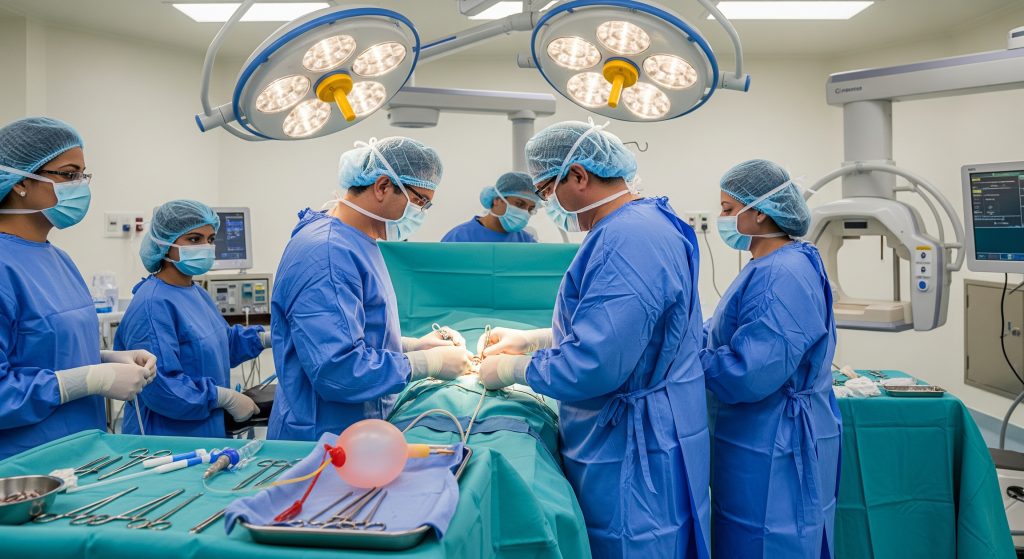
Surgical embolectomy delivers direct control. I expose the vessel, apply clamps, and incise the artery or vein to reach the clot. A balloon catheter or forceps assists with removal. I confirm inflow and outflow, irrigate, and then close the vessel with fine sutures. This route is decisive when the clot is extensive, when catheter tools are unlikely to succeed, or when there is associated injury that needs repair at the same sitting.
For massive pulmonary embolism with shock, emergency surgery can be life saving. As J Cardiothorac Med reported, a small series of emergent pulmonary embolectomy cases showed a mortality of about 16.6 percent, underscoring potential benefit when performed promptly. Figures vary by centre and case mix, but the clinical signal is consistent. Timely flow restoration changes the trajectory.
Emergency vs Planned Embolectomy
Some embolectomies occur within hours because tissue is at risk. Others are scheduled after stabilisation and multidisciplinary review. I frame the decision around three factors: threat to life or limb, response to initial therapy, and procedural risk in context. If haemodynamic compromise is present or limb viability is threatened, emergency intervention is justified. If symptoms and imaging stabilise, planning allows optimisation of anaesthesia, anticoagulation, and post operative support. Both paths aim for the same endpoint. Safe, durable flow.
The Embolectomy Procedure Steps Explained
Pre-Procedure Tests and Preparation
Preparation focuses on safety and precision. I review imaging to map the clot and the access path. Blood tests confirm renal function, coagulation status, and baseline haemoglobin. A consent conversation covers benefits, alternatives, and risks in clear terms. If anticoagulants are already in use, I adjust timing to balance bleeding risk and thrombosis control. Allergies to contrast and previous anaesthetic issues are flagged early. It is essentially a pre flight checklist for a high stakes procedure.
-
Imaging plan: ultrasound, CT, or angiography depending on location.
-
Medication plan: anticoagulants, antiplatelets, and bridging if needed.
-
Access plan: femoral, radial, brachial, or direct surgical exposure.
-
Contingency plan: conversion to open surgery or additional repair.
Anaesthesia and Patient Positioning
Anaesthesia depends on the approach. Catheter based cases often proceed with local anaesthetic and light sedation. Open surgery usually requires general anaesthesia. I position the patient to allow a straight access path, protect pressure points, and maintain airway access. For pulmonary work, cardiothoracic positioning, perfusion standby, and temperature control are considered. For limb work, a simple arm board or leg support usually suffices. Small details prevent avoidable complications.
Making the Incision or Catheter Insertion
For catheter procedures, I puncture the access vessel under ultrasound, advance a sheath, and secure it. I then build a wire and catheter pathway to the target. For open embolectomy, I make a focused incision, expose the vessel with gentle dissection, and place vessel loops for control. The goal is clean entry and controlled conditions. No rush at this stage. A calm setup pays dividends later.
Locating and Removing the Clot
Imaging confirms the clot’s level and length. For aspiration or mechanical devices, I align the catheter tip and remove clot in controlled passes. For surgical removal, I open the vessel, pass a balloon catheter gently beyond the clot, inflate slightly, and withdraw with the thrombus. I repeat until back bleeding and forward flushing are satisfactory. In hybrid cases, I may combine balloon extraction with limited lysis to clear residue. Technique follows anatomy and clot behaviour.
-
Identify the segment precisely.
-
Engage or expose with stable control.
-
Extract clot with minimal endothelial trauma.
-
Confirm restored flow by imaging or direct assessment.
Closing the Artery or Vein
After removal, I irrigate, remove air, and repair the vessel. Closure can be a simple suture, a patch if the opening needs enlargement, or a stent in selected endovascular scenarios. I recheck pulses or venous patency. Haemostasis is secured before wound closure. The principle is straightforward. Fix the blockage and leave the vessel healthy enough to stay open.
Immediate Post-Procedure Monitoring
Close observation follows in recovery or intensive care, depending on complexity. I monitor vitals, oxygenation, limb perfusion, and pain. Anticoagulation resumes when safe, guided by bleeding risk and the event mechanism. Early mobilisation reduces venous stasis and pulmonary complications. If a catheter was used, the access site is checked for bleeding or haematoma. When open surgery was required, I watch for compartment syndrome, rhythm changes, or reperfusion injury. Small problems addressed early stay small.
Embolectomy vs Thrombectomy: Key Differences
Location of Blood Clots
Embolectomy targets clots that travelled from elsewhere and lodged in a new vessel. Thrombectomy most often refers to removing clots that formed locally within the vessel. The distinction matters because the upstream source in an embolus may still be active. Atrial fibrillation, mural thrombus, or a deep vein clot can continue to seed events. So the procedure solves the blockage, while the care plan addresses the source.
Surgical Techniques Used
Embolectomy uses tools designed to capture and extract a discrete embolus, often with balloon catheters or aspiration. Thrombectomy may involve atherectomy style devices, stent retrievers, or clot maceration tailored to in situ thrombus. In neurological practice, the terminology blurs, but the principle holds. Identify the clot’s origin pattern and select the device and approach accordingly. It is a technical nuance with practical consequences.
Recovery Time Comparison
Recovery depends more on patient condition and access route than on labels. Catheter based work usually allows earlier mobilisation and shorter observation. Open surgery requires wound healing and a brief period of protected activity. Systemic illness, clot burden, and organ stress extend timelines. I counsel patients with ranges and clear checkpoints rather than a single fixed date. Precision with humility. Bodies heal at different speeds.
Success Rates and Outcomes
Outcomes correlate with speed to reperfusion, clot location, and comorbidities. In limb arteries, timely clearance preserves function and reduces amputation risk. In the lungs, unloading the right heart stabilises circulation and improves oxygenation. Numbers vary by centre and indication, and methodology affects reported rates. The essential point stands. Early diagnosis and decisive, well executed intervention improve outcomes. That is the target I work toward every time.
Recovery and Life After Embolectomy
Hospital Stay Duration
Length of stay reflects procedure type and underlying illness. Catheter cases often progress quickly with step down monitoring. Open procedures add time for wound care and physiotherapy input. I discharge when pain is controlled, anticoagulation is stable, and mobility is safe. Not earlier, not later. The balance is safety and independence.
Pain Management Options
Pain is usually manageable with a stepwise plan. I start with paracetamol and add short courses of opioids only when necessary. Regional blocks help after limb surgery. Ice, elevation, and gentle motion reduce stiffness. The aim is comfort that enables breathing exercises and walking. Over sedation delays recovery and increases risk, so I avoid it.
Physical Activity Guidelines
Movement starts early. I encourage ankle pumps, slow hallway walks, and breathing exercises on day one where feasible. Heavy lifting waits until the wound and access sites are secure. For pulmonary cases, paced walking and incentive spirometry support lung recovery. For limb cases, physiotherapy focuses on strength, range, and gait. Progression is gradual and structured. Strong enough but not reckless.
-
Walk short, frequent distances rather than one long effort.
-
Keep the access site clean and dry until cleared.
-
Use compression stockings if prescribed to support venous return.
-
Resume driving only when pain medication is minimal and reflexes are reliable.
Follow-Up Care Schedule
Follow up is not a formality. It confirms the vessel remains open and the source is addressed. I plan early review for wound and medication checks, then imaging as indicated. If the event source is cardiac, cardiology follow up is essential. If the source is venous, haematology input may refine anticoagulation duration. Clear roles, one plan.
|
Item |
Purpose |
|---|---|
|
Early review |
Wound assessment, pain control, access site check |
|
Imaging |
Confirm patency and detect residual or recurrent clot |
|
Medication review |
Adjust anticoagulant dose and duration |
|
Risk factor plan |
Address rhythm, plaque, immobility, dehydration, and malignancy screens |
Long-Term Blood Thinners
Anticoagulation reduces recurrence while the vessel heals and the cause is treated. Duration depends on provoked versus unprovoked events, bleeding risk, and specialist guidance. I discuss options plainly. Warfarin with monitoring, or a direct oral anticoagulant with fixed dosing. Each has interactions and caveats. The choice should fit medical history, renal function, and patient preference. It is medicine, not guesswork.
Warning Signs to Watch
Patients recover best when they know what to monitor. Sudden shortness of breath, chest pain, new limb pain, swelling, colour change, or bleeding from an access site all require prompt attention. A fever, spreading redness around a wound, or foul discharge suggests infection. Severe calf tenderness with swelling suggests a deep vein clot. When in doubt, I prefer a safe assessment over delay. Small alerts prevent large problems.
Understanding Your Embolectomy Journey
I think about the journey in three phases. Stabilise the immediate threat, clear the blockage safely, and prevent the next event. Embolectomy is a procedure, but it is also a turning point. It changes symptoms quickly and creates space for recovery. It also prompts a deeper search for cause. That is where durable safety is found.
The practical steps do not need mystique. If you want a simple mental model, use this: identify the vessel at risk, select the least invasive route that will reliably clear the clot, execute carefully, and then lock in protection with medication and risk control. That is embolectomy procedure steps in one line. Direct and workable.
There is a final consideration. Data inform decisions, but each case carries context that numbers cannot capture fully. That is why I combine guideline based care with individual judgement and a clear explanation of trade offs. The aim is shared understanding and a result that holds. Maybe that is the point. Good outcomes feel calm.
Frequently Asked Questions
How long does an embolectomy procedure take?
Timing varies by approach and clot complexity. Catheter based procedures may complete within one to two hours when access is straightforward. Open surgery often takes longer because exposure, repair, and closure add careful steps. Preparation and recovery room time extend the overall visit. I prefer to quote a window and build in margin for safety checks. No surprises, just deliberate pacing.
What are the risks of embolectomy surgery?
Risks include bleeding, vessel injury, infection, and recurrence of clot. In pulmonary cases, heart rhythm changes and reperfusion lung injury are possible. In limb cases, compartment syndrome may emerge after flow returns. Anaesthetic risks apply to open operations. The absolute likelihood depends on health status, clot location, and urgency. I mitigate risk with meticulous technique and early monitoring. It reduces events to a minimum, though not to zero.
Can blood clots return after embolectomy?
Yes, recurrence can occur if the source remains active or if anticoagulation is interrupted. That is why source control and adherence matter. Atrial fibrillation, immobility, dehydration, and malignancy screening all feature in the plan. I use follow up imaging selectively to confirm patency and catch early recurrence. Prevention is a programme, not a single prescription.
Is embolectomy covered by insurance in India?
Coverage depends on the specific policy, network hospital agreements, and documentation. Most comprehensive hospitalisation policies include procedural costs for clinically indicated embolectomy and related care. Pre authorisation and detailed discharge summaries assist smooth claims. I advise patients to contact the insurer and hospital billing team in parallel so authorisations and updates align in real time.
What’s the success rate of embolectomy procedures?
Success is best defined as timely restoration of flow with stabilisation of symptoms and no major complication. Reported rates vary by vessel, timing, and centre expertise. As far as current data suggests, earlier intervention correlates with better outcomes. For massive pulmonary embolism, surgical embolectomy can be effective when performed promptly, as highlighted earlier with a mortality figure from a small series. Context is everything.
How soon can I return to work after embolectomy?
Return to work depends on procedure type and job demands. Sedentary roles may resume within a short period after catheter based procedures once pain is controlled and medication is stable. Physically demanding roles require longer recovery and clearance from the surgical team. I recommend a staged return with reduced hours first, then normal duties after strength and confidence return. Steady progress beats premature strain.

