






 We do what's right for you...


What Is Doctor BP? A Simple Guide to Blood Pressure Health
Dr. Hriday Kumar Chopra
Disclaimer: The content shared here is for informational purposes only. Always consult a specialist doctor before attempting any treatment, procedure, or taking any medication independently.
Most advice says blood pressure care starts and ends in clinic. That idea feels neat. It is also incomplete. Daily habits, device choice, and disciplined tracking shape outcomes as much as the consultation. In this guide, I use doctor bp as a practical shorthand for the tools, routines, and judgement that keep readings reliable and useful.
Doctor BP: Understanding Blood Pressure Monitoring Tools and Technology
BP Doctor Smartwatch and App Features
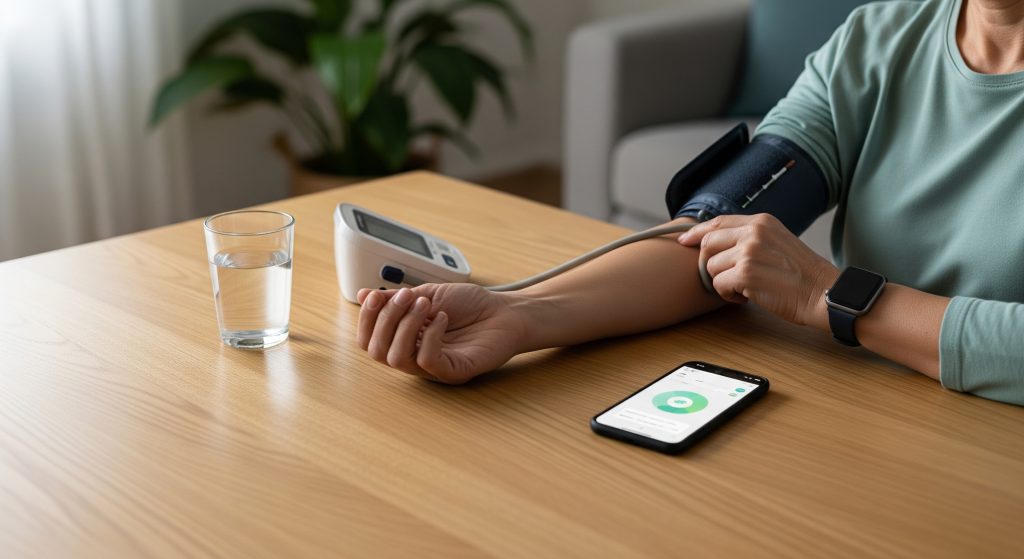
I treat doctor bp as an ecosystem. Smartwatches now sit inside that system, not outside it. Some watches estimate blood pressure using optical sensors and calibrated algorithms. These are helpful for trends between proper arm-cuff readings. They are not a like-for-like replacement for a validated cuff.
Here is how I use a smartwatch within a doctor bp routine:
-
Use it for frequent trend checks during the day, especially under stress.
-
Pair those trends with proper upper arm measurements twice daily.
-
Enable alerts for unusual heart rate patterns during rest.
-
Sync to an app that exports data without friction.
Practical features that matter in a BP-capable smartwatch:
-
Calibration workflow that prompts a fresh arm-cuff pairing every few weeks.
-
Quiet, discrete reminders to sit, rest, and measure properly.
-
Readable charts by day, week, and month with variability shown.
-
Export as CSV or PDF for clinical review without another account.
Smartwatches make doctor bp more continuous and less guesswork. But still, they should never anchor clinical decisions on their own.
Validated Home Blood Pressure Monitors
An upper arm, cuff-based device remains the centre of doctor bp. Validation matters. Look for devices listed on recognised validation registers and choose a cuff that fits the mid upper arm comfortably. Wrist-only devices can help with convenience. Accuracy is more variable due to positioning sensitivity.
Useful selection criteria:
-
Clear display with systolic, diastolic, and pulse shown distinctly.
-
Memory storage for at least 60 readings per user profile.
-
Universal cuff or multiple cuff sizes, especially for larger arms.
-
Indicator for movement and irregular pulse detection.
-
Simple start button to reduce user error.
|
Feature |
Why it matters |
|---|---|
|
Upper arm cuff |
More consistent positioning, better accuracy for doctor bp routines. |
|
Proper cuff size |
Wrong size skews numbers. Fit first, then measure. |
|
Memory and profiles |
Separates household data and preserves a reliable trend line. |
|
Movement alert |
Prompts a repeat reading when artefacts appear. |
|
Data export |
Supports cleaner doctor bp consultations and remote review. |
Doctor-Recommended Monitoring Devices
In clinic, I recommend devices that remove friction. Doctor bp lives or dies on adherence. Fewer steps mean fewer skipped readings. Two approaches work well:
-
Bluetooth-enabled upper arm monitors that push readings directly into a reputable app.
-
Standalone monitors with large memory and paper reporting for those who prefer low tech.
A short, illustrative example. A patient working shifts struggled to log data consistently. We switched to a cuff with one-button capture and automatic upload. Adherence improved within a week. The trend stabilised because the routine did.
Key principle for doctor bp: if the device adds friction, it will gather dust.
Digital Health Apps for Blood Pressure Tracking
Apps extend doctor bp by structuring data and making patterns obvious. I prioritise security, export options, and a clean timeline view. Tags help. So do prompts that ask about medication timing, caffeine, and sleep. These items explain variability without guesswork.
Look for these features:
-
Custom tags for context such as exercise, travel, or new medication.
-
Averages computed over morning and evening windows.
-
Reminders that respect do not disturb and time zones.
-
Shared access for a clinician or family member, with consent.
An effective doctor bp app does three things well. It captures accurate data. It shows trends without clutter. It prepares a concise report for the next appointment.
Recognising High and Low Blood Pressure
Common High Blood Pressure Symptoms to Watch
Hypertension is often silent. That is the problem. When symptoms occur, they may be vague. Within a doctor bp routine, I advise watching for clusters rather than single events.
-
Headaches on waking that ease by midday.
-
Blurred vision, particularly after sustained stress.
-
Shortness of breath with modest exertion.
-
Nosebleeds that seem to start without trauma.
-
Palpitations or a sense of chest pressure during rest.
The phrase high blood pressure symptoms is misleading if treated as a checklist. Absence of symptoms does not equal safety. Frequent, structured measurement remains the better guide.
Low Blood Pressure Causes and Warning Signs
Hypotension can be situational or persistent. Typical low blood pressure causes include dehydration, blood loss, some medications, prolonged bed rest, endocrine issues, and in some cases infection. Warning signs often appear with posture changes.
-
Dizziness or lightheadedness on standing.
-
Fainting episodes, especially in warm environments.
-
Blurred vision or unusual fatigue during the day.
-
Nausea after standing for several minutes.
-
Cold, clammy skin during a spell of weakness.
A doctor bp plan for hypotension focuses on slow position changes, steady hydration, and timing medications with meals when advised.
When to Seek Medical Help
Do not delay if symptoms suggest an emergency. Seek urgent care for chest pain, sudden breathlessness, severe headache with confusion, or sudden weakness on one side. For readings, repeat before reacting. If the systolic or diastolic remains markedly high on verified retest, contact a clinician.
Within a doctor bp framework, escalation rules help:
-
If a reading appears unusually high, sit quietly and repeat after five minutes.
-
If two readings remain high with symptoms, seek medical advice promptly.
-
If repeated low readings occur with fainting, arrange assessment soon.
A clear action tree reduces anxiety and prevents overreaction to a single number.
Silent Symptoms Often Missed
Hypertension frequently rides with sleep apnoea, kidney stress, or subtle vision changes. Daytime sleepiness despite adequate hours is a red flag. So is nocturia that wakes you more than once. In a doctor bp plan, I document these silent patterns alongside readings. Patterns matter.
-
Morning dry mouth with headaches points to disrupted sleep and airway issues.
-
Gradual ankle swelling may signal fluid shifts and medication effects.
-
Reduced exercise tolerance can creep in without notice.
Small clues, logged consistently, often reveal the underlying driver.
Understanding Normal Blood Pressure Range by Age
Blood Pressure Categories and Classifications
Classification helps guide action. It is not a verdict. The usual breakdown is familiar, and still useful in clinic.
|
Category |
Typical range (mmHg) |
|---|---|
|
Optimal |
Systolic under 120 and diastolic under 80 |
|
Normal |
Roughly 120 to 129 systolic and 80 to 84 diastolic |
|
High-normal |
About 130 to 139 systolic or 85 to 89 diastolic |
|
Hypertension (Stage 1) |
140 to 159 systolic or 90 to 99 diastolic |
|
Hypertension (Stage 2) |
160 or higher systolic or 100 or higher diastolic |
Thresholds can vary slightly by guideline and context. I use doctor bp trends, not single points, when deciding on next steps.
Healthy Range for Different Age Groups
Age influences targets, though not as much as many assume. A vigorous adult in the 60s can hold the same target as someone younger, if tolerated. For doctor bp planning, I consider overall risk rather than age alone.
|
Age group |
Pragmatic clinic target |
|---|---|
|
18 to 39 |
Aim near 120/80 if feasible without side effects |
|
40 to 59 |
Often 120 to 129 systolic, under 80 to 84 diastolic |
|
60 to 79 |
Consider near 130s systolic if well tolerated |
|
80 and over |
Individualised targets, prioritising steadiness and symptom control |
These are working ranges. A doctor bp decision balances numbers, symptoms, kidney function, and adverse effects.
Target Numbers During Exercise and Rest
At rest, consistency counts more than a perfect value. During steady exercise, heart rate and blood pressure both rise. The response should be proportional and should settle within minutes after stopping.
-
Resting targets follow your category and risk level.
-
During moderate activity, focus on perceived effort and recovery time.
-
Rapid recovery is reassuring. Prolonged breathlessness suggests review.
I rarely chase a specific exercise number in doctor bp plans outside stress testing. I look at recovery and symptoms because they tell the story more reliably.
Special Considerations for Children and Seniors
Children require age, sex, and height centiles for interpretation. Absolute cut-offs mislead in paediatrics. For seniors, postural drops matter. Measure seated and then standing after one to three minutes. This is where doctor bp becomes a routine rather than a quick check.
-
Children: use centile charts and confirm cuff size carefully.
-
Seniors: review balance, hydration, and medication timing.
-
All ages: treat the trend as the main signal, not a single spike.
The goal is stability and function. Numbers support that aim, they do not replace it.
Managing Your Blood Pressure at Home
Step-by-Step Guide to Accurate Readings
Accuracy starts before the button press. A disciplined doctor bp routine avoids three common errors: wrong cuff size, crossed legs, and talking during measurement.
-
Avoid caffeine, nicotine, and intense exercise for at least 30 minutes.
-
Empty the bladder and sit quietly for five minutes.
-
Sit with back supported, feet flat, and legs uncrossed.
-
Place the cuff on bare skin at heart level. Check the artery marker.
-
Support the arm on a table so the shoulder and hand can relax.
-
Do not talk. Breathe normally and stay still.
-
Take two readings one minute apart. If they differ, take a third.
-
Record the average of the last two readings for the day’s entry.
Small details compound. Doctor bp rewards consistency more than perfection.
Best Times to Check Blood Pressure
Morning and evening suit most people. Take the morning reading before medication and breakfast. Take the evening reading before bed, not after wine or a large meal.
-
When starting or changing treatment, measure daily for one to two weeks.
-
For stable control, measure a few days each month to keep a clean trend.
-
During illness or unusual stress, add extra checks to contextualise symptoms.
A regular window builds a reliable doctor bp trend and dampens noise.
Recording and Tracking Your Results
A neat log outperforms memory every time. I ask patients to include context. That context explains outliers and protects against overcorrection.
-
Date and time, plus medication timing.
-
Average of two to three readings per session.
-
Tags for caffeine, poor sleep, pain, or travel days.
-
Notes on symptoms or side effects in plain terms.
Whether paper or app, the aim is quick capture and clean recall. That is the heart of doctor bp management at home.
Sharing Data with Your Healthcare Provider
Send data that can be scanned in under two minutes. A one-page summary helps. Include a weekly average, the range, and a short note on symptoms or changes since last review.
For doctor bp discussions, present:
-
Weekly averages for morning and evening readings.
-
A short timeline of medication adjustments and dates.
-
Any adverse effects that influenced adherence.
-
Specific questions you want answered at the appointment.
Clarity reduces appointment time spent decoding spreadsheets. It increases time spent deciding what to do next.
Taking Control of Your Blood Pressure Health
Control is practical, not abstract. Build a small, durable routine and protect it. Choose an upper arm monitor you will use. Use a smartwatch for context if you like. Set two quiet times for readings. Log averages with brief notes. Share a clear one-page summary at reviews. That is doctor bp in practice: simple, repeatable, and effective.
-
If worried about high blood pressure symptoms, do not wait for certainty. Start measuring properly this week.
-
Keep the normal blood pressure range visible on your tracker for reference.
-
If patterns suggest low blood pressure causes, adjust routines and ask for review.
Small changes done consistently beat grand plans postponed.
Frequently Asked Questions
What is the difference between systolic and diastolic blood pressure?
Systolic is the pressure when the heart contracts. Diastolic is the pressure when the heart relaxes between beats. In a doctor bp review, I assess both the absolute values and the spread between them, because wide or narrow gaps can suggest different issues.
How often should I check my blood pressure at home?
During diagnosis or medication changes, measure morning and evening for one to two weeks. For stable control, a few days each month is sufficient. If symptoms appear, increase checks temporarily and log context. This cadence supports doctor bp decisions without causing measurement fatigue.
Can stress temporarily raise my blood pressure readings?
Yes. Acute stress can raise readings for a short period. That is why rest before measuring matters. In doctor bp routines, I label stressful days and consider the weekly average, not a single stressed measurement.
Are wrist blood pressure monitors as accurate as arm monitors?
Wrist monitors can be accurate with perfect positioning. In real life, consistency is harder to maintain. Upper arm monitors remain the preferred choice for doctor bp because they reduce positioning error and deliver steadier trends.
What lifestyle changes can help lower high blood pressure naturally?
Reduce salt gradually, increase plant-rich meals, and maintain steady activity. Limit alcohol and improve sleep hygiene. Weight management helps across most profiles. These steps support doctor bp targets and often reduce medication burden when sustained.

