






 We do what's right for you...


What Is Deviated Nasal Septum Treatment and How Does It Work?
Dr. Poonam Singla
Standard advice says to live with a blocked nose until it becomes unbearable. That approach usually prolongs discomfort and sleep disruption. I prefer a clearer path. Understand what deviated nasal septum treatment can and cannot fix, choose the least invasive option that helps, and reserve surgery for structural problems that refuse to budge. It is basically structured decision-making for a very human problem.
Treatment Options for Deviated Nasal Septum
1. Non-Surgical Management
Non-surgical care aims to reduce congestion and inflammation, not to straighten cartilage. Intranasal corticosteroids can improve airflow by calming swollen mucosa. I also consider decongestants and antihistamines when allergies flare. Saline irrigation and a humidifier support the lining, especially in dry climates.
These measures help many patients breathe more easily. But they will not correct the bend itself. I frame them as part of deviated nasal septum treatment when symptoms are mild or intermittent.
2. Septoplasty Surgery
Septoplasty is the structural fix. The surgeon repositions and trims cartilage and bone to open the airway. In practice, the septoplasty procedure suits patients whose obstruction is clearly anatomical and persistent despite medical therapy. I set expectations plainly. The goal is easier breathing, not a new nose.
This deviated nasal septum treatment can be a day-case in many centres. Technique matters, and so does post-operative care. Both affect outcomes.
3. Septorhinoplasty
When the external nose contributes to obstruction, septorhinoplasty addresses form and function together. The operation combines internal septal correction with changes to nasal valves or dorsum. It is appropriate when collapse or asymmetry narrows airflow.
I recommend it when a purely internal approach would leave a functional bottleneck. This is still deviated nasal septum treatment, but with aesthetic and valve considerations.
4. Balloon Sinuplasty
Balloon sinuplasty dilates sinus outflow tracts. It is useful for chronic sinusitis with blocked ostia. It is not a primary fix for a crooked septum. In selected cases, surgeons pair it with septoplasty to reduce pressure and improve drainage.
Think of it as a complementary step. It supports airflow and reduces infections when sinus disease overlaps with a deviated septum.
5. Medications and Nasal Sprays
Topical steroids, antihistamine sprays, and short courses of decongestants provide symptomatic relief. I avoid prolonged decongestant spray use due to rebound congestion. For allergic drivers, regular antihistamines and allergen control help.
These tools sit within deviated nasal septum treatment when symptoms fluctuate with seasons or triggers. They buy comfort and time.
6. Alternative Therapies
Some patients pursue non-conventional approaches, including steam inhalation, saline rinses, and breathing devices. I have seen value in routine saline irrigation and good hydration for crusting. A comparative report described symptom relief with Siddha therapy, and noted that Use Of Self-Healing Mechanism in Treating Deviated Nasal Septum Cases by Siddha Therapy observed 73% nasal correction without surgery.
Methodology varies, and results can differ. I position alternative care as adjunctive within deviated nasal septum treatment, particularly for comfort and mucus control.
How Septoplasty Procedure Works
Pre-Operative Assessment
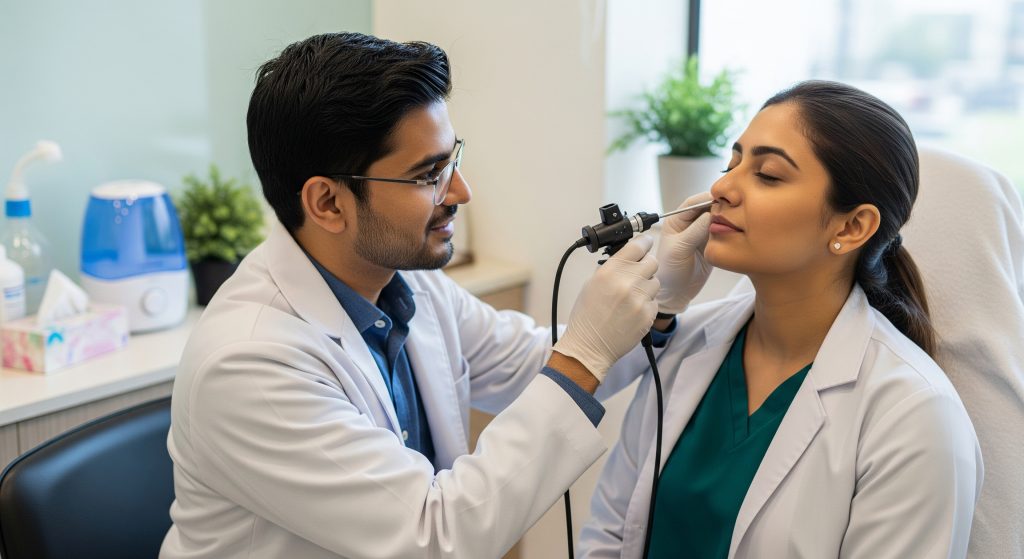
Assessment begins with history, external inspection, and intranasal examination. I check the septal deflection, turbinate size, and valve integrity. Endoscopy clarifies contact points and any polyps. If sinus disease is suspected, imaging follows.
The plan aligns with symptoms, anatomy, and realistic goals. This keeps deviated nasal septum treatment targeted and proportionate.
Anaesthesia and Incision
Septoplasty is performed under general or local anaesthesia with sedation. A small internal incision exposes the deviated segments. I prefer hidden incisions to avoid external marks.
The surgical field is delicate. Gentle handling reduces swelling and speeds recovery. Every step supports a predictable deviated nasal septum treatment outcome.
Cartilage and Bone Correction
Deviated cartilage is preserved where possible and reshaped where needed. Spurring bone is trimmed with careful instrumentation. The aim is a straight, stable midline and unobstructed airway.
I avoid over-resection to protect structure. Stability now prevents problems later. It is disciplined craft, not aggressive cutting.
Closing and Packing
Once straight, the septum is stabilised with sutures and, if needed, soft splints. Some surgeons use dissolvable packing; others avoid packing entirely. I choose the least intrusive option that controls bleeding.
Breathing may feel restricted for a short period. This is a normal phase of deviated nasal septum treatment. It settles as swelling falls.
Duration and Hospital Stay
Operative time is commonly under two hours, though complex cases take longer. Many patients go home the same day. Monitoring focuses on bleeding control, pain management, and clear instructions.
Day-case care keeps recovery familiar and reduces stress. It also keeps deviated nasal septum treatment efficient and patient centred.
Success Rate and Effectiveness
Most patients report easier nasal breathing after healing. The effect depends on preoperative anatomy, turbinate status, and valve function. Coexisting allergy may still require sprays.
Success is best measured by daily comfort and sleep quality. That is the practical benchmark for any deviated nasal septum treatment.
Deviated Septum Symptoms and Diagnosis
Common Breathing Difficulties
Patients often describe one-sided blockage, mouth breathing, and reduced airflow during exercise. Some notice a whistling sound or dryness on the patent side. These are classic deviated septum symptoms, especially if persistent.
Seasonal fluctuation suggests an allergic overlay. Structural blockage feels constant and unyielding.
Facial Pain and Headaches
Pressure around the nose and cheeks can stem from contact points, sinus disease, or both. Headaches that worsen with colds suggest dynamic swelling. I separate sinus issues from pure septal deviation before recommending deviated nasal septum treatment.
Precise diagnosis avoids the wrong fix. It saves time and recovery.
Sleep-Related Problems
Nasal blockage contributes to snoring and fragmented sleep. Airflow restriction can push patients toward mouth breathing, which dries the throat. I consider sleep impact when prioritising deviated nasal septum treatment.
Poor sleep quality amplifies daytime fatigue. It is a legitimate treatment trigger.
Nasal Endoscopy and CT Scan
Endoscopy offers direct visual assessment of internal anatomy. It identifies deviation, turbinate hypertrophy, valves, and mucosal health. CT scanning maps the bony framework and sinus drainage pathways.
I reserve imaging for suspected sinus disease or complex revision surgery. It keeps deviated nasal septum treatment evidence led.
When Surgery Becomes Necessary
Surgery is justified when symptoms persist despite medical therapy, and anatomy explains the problem. Recurrent infections, sleep disruption, and proven unilateral obstruction carry weight. Patient goals also matter.
When the structure blocks flow, medication only mitigates. Septoplasty then becomes the right deviated nasal septum treatment.
Surgery Cost and Recovery Process
Cost Factors in India
Costs vary by city, surgeon experience, hospital tier, anaesthesia plan, and whether turbinate work is added. Additional procedures, such as valve repair or sinus surgery, increase the bill. Geographic pricing differences are real.
Ask for an itemised estimate that includes follow-up care. This clarifies the deviated septum surgery cost before committing.
Insurance Coverage Options
When obstruction is documented and conservative therapy has failed, insurers may consider septoplasty medically necessary. ENT documentation and endoscopy findings support authorisation. Cosmetic elements, if any, are usually excluded.
Submit records early. Clear evidence accelerates approval and avoids delays in deviated nasal septum treatment.
Initial Recovery Period
The first week features swelling, congestion, and low-grade discomfort. A light ooze may occur. I advise head elevation, saline sprays, and restrained activity.
Most patients resume desk work within a week, depending on job demands. Gentle pacing protects results and comfort.
Long-term Healing Timeline
Swelling declines over several weeks. Mucosal healing continues for months. Airflow usually improves steadily as internal swelling recedes.
Expect gradual gains rather than a sudden switch. That expectation keeps deviated nasal septum treatment outcomes aligned with reality.
Post-Surgery Care Instructions
I emphasise a simple routine:
-
Saline irrigation two to four times daily.
-
No nose blowing for one week, then gentle technique.
-
Sleep with head elevated for several nights.
-
Avoid strenuous activity and heavy lifting for two weeks.
-
Attend scheduled endoscopic cleaning visits.
These habits support healing and maintain the gains from surgery.
Potential Complications
Complications are uncommon but include bleeding, infection, septal haematoma, and persistent obstruction. Very rarely, a septal perforation can occur. I mitigate risks with careful technique and clear aftercare.
Report fever, severe pain, or heavy bleeding promptly. Early review protects the outcome of deviated nasal septum treatment.
Making an Informed Decision About Deviated Septum Treatment
I approach decisions in three steps. First, define the problem with examination and, if needed, imaging. Second, trial medical therapy to control mucosa and allergy. Third, if obstruction persists, select the proportionate structural fix.
It sounds simple. It is. The discipline lies in matching nasal septum deviation causes to the right intervention. That is how deviated nasal septum treatment delivers reliable, patient-centred results.
Frequently Asked Questions
Can deviated septum heal without surgery?
Cartilage does not spontaneously straighten in adults. Symptoms, however, can improve with sprays, irrigation, and allergen control. I use medical therapy to manage day-to-day comfort. Structural bend needs structural correction for a lasting fix.
What age is best for septoplasty?
After facial growth stabilises, septoplasty becomes more predictable. In practice, late adolescence onward is common. Specific timing depends on symptoms and anatomy. Paediatric cases are individualised with growth in mind and careful follow-up.
How painful is septum surgery recovery?
Most describe pressure and congestion rather than sharp pain. Simple analgesics usually suffice. The first few days are the most noticeable. Discomfort eases as swelling settles and saline irrigation becomes routine.
Will septoplasty change my nose appearance?
Standard septoplasty works through internal incisions and does not alter external shape. If valve collapse or cosmetic concerns exist, septorhinoplasty may be advised. I clarify goals before any operation. That avoids surprises and aligns expectations.
Can deviated septum return after surgery?
True recurrence is uncommon with stable technique and protection during healing. Swelling from colds or allergy can mimic blockage. Ongoing mucosal care reduces flare-ups. Structural stability and gentle convalescence make results durable.
How long before breathing improves after septoplasty?
Airflow typically improves as swelling falls in the first few weeks. Some notice early gains, others improve gradually. Final settling takes a few months. Steady saline care aids predictability and comfort throughout recovery.
Quick Reference Table
|
Issue |
Preferred Approach |
|---|---|
|
Allergy-driven congestion |
Topical steroids, antihistamines, saline; monitor response |
|
Fixed unilateral obstruction |
Septoplasty after medical optimisation |
|
Valve collapse or external asymmetry |
Septorhinoplasty with valve support |
|
Chronic sinusitis with ostial block |
Balloon sinuplasty plus septal correction if indicated |
Symptoms vs Likely Driver
|
Symptom |
What it often indicates |
|---|---|
|
Constant one-sided blockage |
Structural deviation more than allergy |
|
Seasonal swings |
Allergic overlay on a mild deviation |
|
Facial pressure with colds |
Sinus drainage compromise |
|
Night snoring, mouth breathing |
Airflow restriction affecting sleep quality |
Key Takeaways
-
Decongestants and steroids help symptoms; structure defines airflow.
-
Septoplasty targets anatomy and preserves stability.
-
Combine therapies when allergy and deviation coexist.
-
Clarify the deviated septum surgery cost before scheduling.
-
Follow aftercare to protect results and comfort.
A final word on fit-for-purpose care
I use deviated nasal septum treatment as a framework, not a single tool. Sometimes medical therapy suffices. Sometimes the septoplasty procedure is the most rational choice.
The best results occur when nasal septum deviation causes are mapped to symptoms and anatomy. That alignment reduces relapse and supports sustainable breathing. It also preserves options for the future, which matters.

