






 We do what's right for you...


Understanding Tonsil Stones Treatment: Causes and Solutions
Dr. Poonam Singla
Common advice says to ignore tonsil stones unless they hurt. That can be shortsighted. Persistent bad breath, recurrent throat discomfort, and repeat infections deserve a clear plan. This guide sets out a practical, evidence-aligned approach to Tonsil Stones Treatment, from simple gargles to modern procedures. It covers how to remove tonsil stones safely at home, what drives tonsil stones causes, and how to prevent flare ups over the long term.
Effective Tonsil Stones Treatment Options
Most cases respond to conservative care first. When symptoms persist or escalate, specialist care becomes proportionate. Below is a progression you can use, moving from low risk measures to procedural solutions. It is basically a ladder. You start low and climb only if needed.
Saltwater Gargles for Immediate Relief
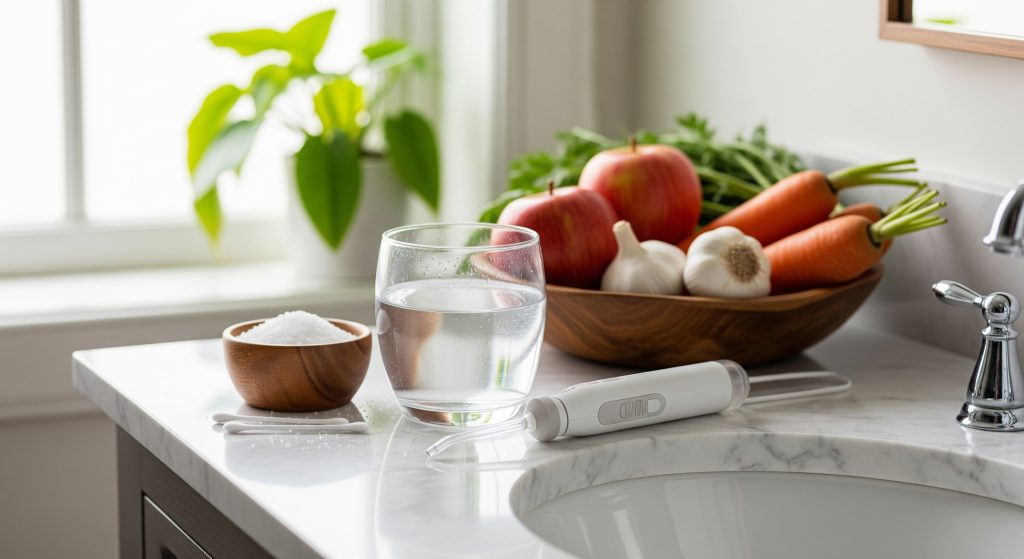
Warm saline is simple and effective. As Cleveland Clinic notes, saltwater gargles reduce throat discomfort and support local hygiene, which can help loosen small stones. Several ENT reviews echo this, and patients frequently report quick comfort after a few swishes. Mix half a teaspoon of salt in a glass of warm water. Gargle for 20 to 30 seconds. Repeat two to three times daily during symptomatic periods.
- Useful after at-home dislodging attempts, to soothe the tissue.
- Low cost and low risk when used correctly.
- Appropriate adjunct in most Tonsil Stones Treatment plans.
Saltwater does not dissolve large stones. It reduces swelling and helps dislodge soft debris. Relief first. Removal second.
Professional Medical Treatments and Antibiotics
Antibiotics are not routine for tonsil stones. As Cleveland Clinic advises, they are reserved for confirmed bacterial infections. The decision rests on clinical criteria such as Centor scoring and testing for group A strep. In practice, your clinician will assess fever, lymph nodes, exudate, and cough absence before prescribing. This keeps stewardship tight and avoids unnecessary exposure.
- Consider antibiotics only when infection is evident or strongly suspected.
- Expectant management is standard for asymptomatic stones.
- Recurrent infections may justify a referral to ENT for structural evaluation.
Here is why this matters. Overuse of antibiotics may reduce future efficacy and does not address calcified debris. Target the infection, not the stone itself.
Surgical Solutions: Tonsillectomy and Laser Treatment
Persistent stones with significant halitosis or frequent infections may lead to surgical consideration. A full tonsillectomy removes the crypts entirely, but recovery can be demanding. As Mayo Clinic outlines, total removal treats recurrent infections and obstruction, although pain and bleeding risk are the key drawbacks and recovery typically spans about two weeks.
There are less invasive options. Fractional CO2 laser cryptolysis targets the crypt openings while preserving tissue. In published series, adults reported symptom improvement and quicker recovery compared with traditional surgery. This approach can reduce halitosis and debris trapping, with high satisfaction in appropriate candidates.
- Tonsillectomy: definitive, but with higher recovery burden.
- Laser cryptolysis: tissue-sparing, shorter recovery, suitable for selected adults.
It sounds decisive. And yet, surgical options should follow a careful trial of conservative measures unless symptoms are severe.
Coblation Cryptolysis and Modern Procedures
Coblation uses radiofrequency at lower temperatures than electrocautery to reshape or remove crypt tissue. As PMC reports, pain can be lower than traditional techniques, though secondary bleeding risk exists to some extent. Comparative studies suggest both coblation and CO2 laser are effective for halitosis driven by stones, with some evidence of lower pain and bleeding with CO2 laser in select cohorts.
Procedure choice depends on goals, anatomy, and clinician expertise. Discuss expectations, recurrence risk, and downtime. Pick the method that matches your threshold for symptoms, your schedule, and your tolerance for risk.
| Option | Best used when |
|---|---|
| Saltwater gargles | Mild symptoms, short-term relief, post-removal soothing |
| Antibiotics | Confirmed bacterial infection alongside stones |
| Laser cryptolysis | Recurrent halitosis with visible crypt trapping, minimal downtime desired |
| Coblation cryptolysis | Recurrent stones with preference for radiofrequency technique |
| Tonsillectomy | Severe recurrence, substantial impact on life, or failure of other measures |
Understanding Tonsil Stones Symptoms and Causes
Knowing what is happening inside the tonsil crypts improves decisions. It helps you choose the right Tonsil Stones Treatment and stick to it.
Common Signs and Bad Breath Issues
The classic sign is persistent bad breath. As StatPearls explains, tonsil stones trap bacteria and debris that produce volatile sulphur compounds. These gases smell unpleasant and can persist despite routine brushing. Other symptoms include a foreign body sensation, intermittent sore throat, and difficulty swallowing small solids. You might notice white or yellow flecks in the tonsils. They can be tiny or pea sized.
- Chronic halitosis that does not respond to toothpaste alone.
- Intermittent throat irritation that flares after meals.
- Occasional ear pain or pressure due to shared nerve pathways.
Not every case produces obvious pain. Bad breath can be the only clue for months.
How Bacteria and Debris Form Stones
Tonsil stones form inside crypts that behave like small pockets. As PMC describes, biofilms of mixed bacteria gather with food particles and dead cells, then calcify over time. The mineral matrix usually contains calcium hydroxyapatite. Chronic inflammation and prior infections roughen crypt walls, which increases trapping. Hygiene helps, but anatomy often sets the stage.
What this means. If you have deep crypts, debris can lodge even with meticulous brushing. Regular irrigation and strategic gargling become your best tools.
Risk Factors and Who Gets Tonsil Stones
Several factors tilt the odds. As StatPearls notes, recurrent tonsillitis, enlarged or irregular crypts, and suboptimal oral hygiene increase the risk. Allergic rhinitis and dry mouth can contribute, since dryness thickens secretions and promotes plaque. Age matters to an extent. Adolescents and adults experience stones more often than young children.
- History of repeated throat infections.
- Large or scarred crypts visible on inspection.
- Dry mouth from medications or low fluid intake.
Family patterns appear in some cases, though hard genetic drivers are not clear. The anatomy you inherit can matter more than habits.
How to Remove Tonsil Stones at Home
At-home methods should be gentle, targeted, and reversible. Aim to dislodge stones without damaging tissue. Before any attempt, wash hands, ensure adequate lighting, and position a mirror. If you are unsure, stop. Safety comes first.
1. Cotton Swab Technique
This is the simplest manual method. As Mayo Clinic advises, press beside the stone with a moistened cotton swab and lift out gently. Do not jab directly. Rinse with warm saltwater afterwards to soothe the area. If bleeding occurs, stop and reassess your approach another day.
- Only attempt on visible, superficial stones.
- Avoid sharp tools. Avoid force.
2. Water Flosser Method
Targeted irrigation can clear crypts with less friction. As PMC describes, a low pressure water flosser can flush debris and reduce odour. Start at the lowest setting. Aim across the crypt openings, not straight in. This technique suits recurring minor stones and as maintenance after a professional Tonsil Stones Treatment.
- Use lukewarm water to minimise sensitivity.
- Limit to once daily during active episodes.
3. Coughing to Dislodge Stones
Occasional firm coughing can move a loose stone. As UCLA Health notes, gargling warm saltwater first may help loosen the surface. Then cough into a tissue to capture the fragment. This is a low risk first step before any contact method.
4. Apple Cider Vinegar Rinse
Some people use diluted apple cider vinegar as a short trial. As Medical News Today reports, a mild ACV solution may help loosen debris and reduce odour. Mix one tablespoon in a glass of warm water. Gargle for 20 seconds, then rinse with plain water. Discontinue if irritation occurs.
5. Alcohol-Free Mouthwash Gargling
Oxygenating, alcohol free rinses can reduce odour compounds. As PMC observed, formulations with antimicrobial and oxygenating agents lowered volatile sulphur compounds in a clinical study. Use daily for maintenance, then pair with brushing and tongue cleaning. This combination supports better breath control between flare ups.
Natural Remedies and Prevention Methods
Prevention is not a single habit. It is a set of small practices that remove fuel for stones. Minor changes compound over weeks. And over months.
Foods That Help: Garlic, Carrots and Apples
Diet will not erase deep crypts, but it can support a healthier oral environment. As Culinary Medicine and Nature summarises, garlic contains allicin with antimicrobial activity. Crunchy fibres in carrots and apples promote chewing and saliva, which aids natural clearance. Apples also deliver polyphenols that support the oral microbiome and general immunity.
- Include crunchy produce that stimulates saliva and gentle mechanical cleaning.
- Use garlic in cooking for potential antimicrobial benefits.
These are supportive measures. They work best alongside consistent oral hygiene and a suitable Tonsil Stones Treatment plan.
Essential Oral Hygiene Practices
The fundamentals prevent most flare ups. As Medical News Today advises, brush twice daily, floss nightly, and clean the tongue surface. A nightly saltwater or alcohol free mouthwash gargle reduces debris load. Regular dental reviews also catch plaque patterns that contribute to odour and stone formation.
- Brush, floss, and use a tongue scraper to disrupt biofilm.
- Gargle nightly when symptoms are active.
- Replace toothbrush heads every 8 to 12 weeks.
In marketing shorthand, this is your CAC of prevention. Cost against calcifications. Keep the basics close and the stones usually stay small.
Staying Hydrated and Lifestyle Changes
Dry mouth concentrates debris and bacteria. As Colgate notes, hydration helps flush the tonsillar area and reduces bad breath potential. Carry water, limit sugary drinks, and consider a bedside glass at night. Nasal congestion management and humidification can also help if you mouth breathe during sleep.
- Aim for regular sips across the day rather than large, infrequent gulps.
- Reduce alcohol and caffeine late in the day to limit dryness.
- Use saline nasal sprays if congestion drives mouth breathing.
Small habits reduce friction. Fewer dry hours means fewer sticky crypts.
Managing Tonsil Stones Long-Term
Think in systems. Your long term Tonsil Stones Treatment is a routine that removes debris, manages symptoms early, and escalates care when patterns change. Build a simple weekly checklist:
- Daily: brush, floss, tongue clean, and gargle at night.
- Twice weekly: low pressure water flosser pass across visible crypts.
- After meals: sip water, then a brief saline rinse if odour flares.
- Quarterly: dental review to address plaque hotspots.
Set thresholds for escalation. For example, more than two painful episodes in a quarter, visible large stones despite routine, or persistent halitosis that affects work. At that point, discuss laser cryptolysis or coblation with an ENT. A brief procedure can close the loop for the right candidate.
One more point. Monitor triggers in a simple note: illness, travel, dehydration, or new medications. Patterns appear quickly and guide preventive tweaks.
Frequently Asked Questions
Can tonsil stones fall out on their own?
Yes. Small stones often dislodge spontaneously with swallowing, coughing, or a strong gargle. Many go unnoticed. If discomfort persists or you notice repeat odour, implement the hygiene routine described above. Consider saltwater gargles first and reassess after several days. If stones enlarge or symptoms escalate, consult your GP or an ENT specialist.
Are tonsil stones contagious to others?
No. The stones themselves are not contagious. They are calcified debris formed inside your tonsil crypts. The bacteria involved are common oral residents. Good hygiene reduces odour and shedding of unpleasant compounds. Sharing utensils or close contact does not transmit a stone. That said, respiratory infections can spread and may inflame crypts, which then increases stone risk.
When should I see a doctor for tonsil stones?
Seek medical advice if you have severe pain, fever, persistent unilateral swelling, significant bleeding, or trouble swallowing. Recurrent stones with ongoing halitosis despite careful hygiene also justify evaluation. A clinician may recommend targeted Tonsil Stones Treatment such as laser cryptolysis or, less commonly, tonsillectomy. Professional assessment rules out other causes of odour or throat symptoms.
How long do tonsil stones typically last?
Duration varies. Small stones may pass within days. Larger or deeper stones can persist for weeks until removed. With a consistent hygiene routine, intervals between episodes usually lengthen. If stones recur quickly despite daily care, move to irrigation methods or request an ENT review. Your aim is fewer events and easier management over time.
Can children get tonsil stones?
Children can develop stones, although adults and adolescents are more commonly affected. In younger patients, crypt anatomy and infection patterns differ. If a child has persistent bad breath or frequent throat discomfort, seek a paediatric review. Conservative care is preferred. Surgery is reserved for specific indications such as obstructive sleep symptoms or frequent bacterial tonsillitis.
Do tonsil stones always cause bad breath?
No. Bad breath is common, but not universal. Some stones remain small and asymptomatic. Others smell only after meals or during illness. If odour is the main problem, focus on tongue cleaning, nightly gargles, and hydration. An oxygenating, alcohol free mouthwash can reduce volatile sulphur compounds. If halitosis persists, discuss procedural options with an ENT.

