






 We do what's right for you...


Understanding Prosthetic Valve Types: Mechanical vs Biological Options
Dr. Hriday Kumar Chopra
Disclaimer: The content shared here is for informational purposes only. Always consult a specialist doctor before attempting any treatment, procedure, or taking any medication independently.
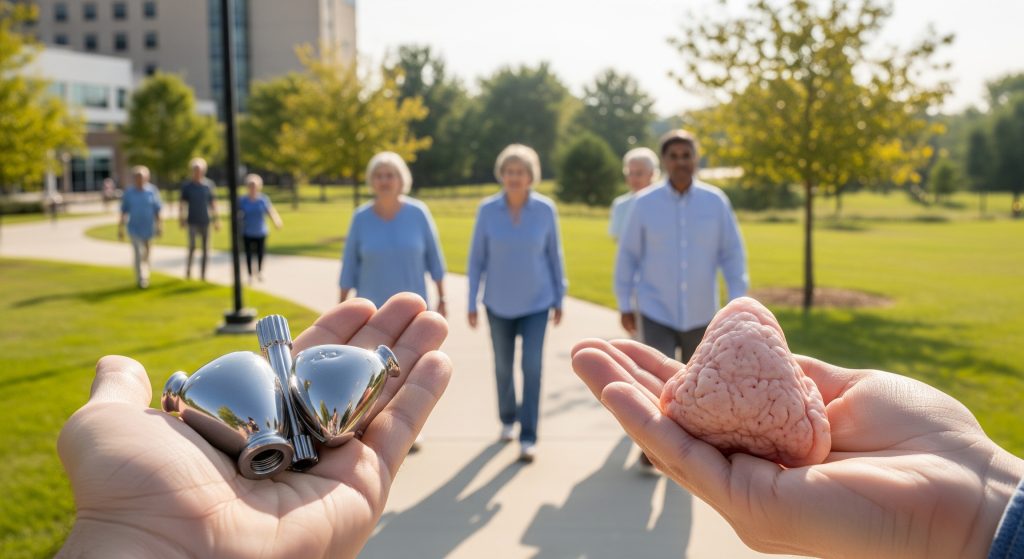
Common advice says to pick a valve once and forget it. That approach often fails. The better path is to treat your Prosthetic Valve decision as a lifetime plan, not a one-off purchase. You balance longevity, bleeding risk, reintervention options, and the realities of daily life. It is basically a clinical choice and a quality of life choice. This explainer maps the options, the trade-offs, and how to manage the years that follow.
Types of Prosthetic Heart Valves Available
1. Mechanical Valve Options
Mechanical designs remain the benchmark for durability in an artificial heart valve. As StatPearls details, you will see ball-and-cage, tilting disc, and bileaflet platforms, each with distinct flow profiles and thrombotic risks. Modern bileaflet valves dominate because they offer stable haemodynamics and reliable engineering over decades.
Durability is the clear advantage. As JAMA Network Open reports, survival after aortic replacement is superior with mechanical valves in patients 60 years or younger, largely due to minimal structural deterioration. But there is a price. Mechanical devices require lifelong anticoagulation, which raises bleeding risk and complicates procedures.
That anticoagulation obligation is not optional. As PubMed notes, imaging guides diagnosis when thrombosis occurs, and management ranges from intensifying anticoagulation to thrombolysis. The long view matters. You accept vigilance and INR checks in exchange for a valve that may outlast everything else.
-
Typical lifespan: often quoted at 20 to 30 years with appropriate care.
-
Main trade-off: bleeding and thromboembolism risk under long-term anticoagulation.
-
Best fit: younger patients who can maintain consistent monitoring and medication adherence.
One more point. For many under 60, mechanical durability outweighs anticoagulation complexity. But still, preferences and clinical context can tilt the balance.
2. Biological Valve Alternatives
A bioprosthetic valve prioritises freedom from routine anticoagulation. As PubMed summarises, tissue valves reduce anticoagulation burden at the expense of finite durability and higher reoperation rates. Patients value the quieter lifestyle, yet repeat procedures remain a consideration, especially in younger cohorts.
Guidance is age sensitive. As PubMed suggests, mechanical options fit many under 50, whereas biological valves serve older patients well, given competing risks and life expectancy. Practicality plays a role. Fewer drug interactions and fewer INR checks change daily life, especially for those with comorbidity or bleeding history.
Designs continue to evolve. As NIH notes, rapid deployment and catheter-assisted variants have improved implantation and recovery times, particularly in minimally invasive pathways. During pregnancy, tissue valves are usually better tolerated due to reduced thrombogenicity, as NIH explains.
-
Typical lifespan: often 10 to 15 years, with variance by tissue and position.
-
Main trade-off: reduced anticoagulation needs versus risk of structural valve deterioration.
-
Best fit: older adults, those with bleeding risk, or individuals planning pregnancy.
In practice, a biological option lowers medication complexity. Reintervention strategy must be part of the plan from day one.
3. Transcatheter Valve Solutions
Transcatheter aortic valve replacement now serves a broad risk spectrum. As PubMed reports from OBSERVANT II, contemporary TAVR demonstrates favourable haemodynamics and low complication rates in real-world cohorts. Device advances have expanded candidacy beyond high-risk groups.
Long-term clarity is still developing. As PubMed indicates, deterioration rates between transcatheter and surgical tissue valves appear comparable in emerging data, though follow-up continues. Delivery systems, repositionability, and sealing skirts have matured. The procedure is safer and more predictable than a decade ago.
Choice hinges on anatomy, surgical risk, and future options. As NIH outlines, TAVR transformed access for severe aortic stenosis. The key is lifetime management planning, including the feasibility of valve-in-valve later.
-
Strengths: less invasive access, faster recovery, expanding indications.
-
Considerations: coronary access for future PCI, annular sizing, and risk of paravalvular leak.
TAVR is not just a technique. It is a pathway in a lifetime Prosthetic Valve strategy.
4. Comparative Durability and Lifespan
Durability defines the reintervention horizon. As PubMed shows in extended follow-up, mechanical valves seldom fail structurally while biological valves do so more often, especially in the mitral position. Survival can appear similar in some series, yet the mechanisms of failure differ sharply.
Not all tissues are equal. As PubMed reports, bovine pericardial valves may outperform porcine valves for aortic positions over time. Other datasets show the reverse in specific contexts, underscoring manufacturer and model differences. Progress is real. As NIH notes, new materials and anti-calcification treatments have raised biological durability, though variability remains.
Age interacts with durability. As NIH suggests, patients younger than 60 are often counselled toward mechanical options to avoid early reoperation. A finely tuned plan weighs the likelihood of living beyond the tissue valve’s useful life.
|
Factor |
Typical Implication |
|---|---|
|
Mechanical valve durability |
High longevity, minimal structural failure |
|
Biological valve durability |
Finite lifespan, risk of degeneration |
|
Reoperation risk |
Lower for mechanical, higher for tissue, varies by model |
|
Bleeding risk |
Higher with mechanical due to anticoagulation |
Durability buys time. Anticoagulation spends it.
5. Haemodynamic Performance Differences
Performance is measured, not guessed. As PubMed emphasises, echocardiographic parameters such as mean gradient and aortic valve area remain central to assessing prosthesis function and mismatch. You need consistent technique and context to interpret numbers correctly.
Leaflet architecture matters. In a bench study, PubMed found externally mounted leaflets yielded larger effective orifice areas but showed more mechanical wear than internally mounted designs. That trade-off echoes a wider theme: flow versus durability is a constant tension in every Prosthetic Valve discussion.
Innovation continues to narrow gaps. As NIH notes, both mechanical and tissue platforms are advancing toward better haemodynamics without unacceptable wear. The goal is simple. Maintain low gradients and good orifice area while resisting fatigue.
-
Key metrics: mean gradient, effective orifice area, Doppler velocity index.
-
Clinical corollary: lower gradients usually translate to better functional capacity.
Numbers tell the story. Symptoms confirm it.
Selection Criteria for Prosthetic Valves
Age-Based Recommendations
Age correlates with both durability needs and bleeding risk. As PubMed describes, some guidelines favour mechanical valves under about 65 years and biological valves thereafter, considering life expectancy and haemorrhagic risk. The cut-off is not universal, but the logic is consistent.
Recent analyses sharpen the view. As NIH suggests, survival advantages for mechanical prostheses extend well into the late 60s in selected patients. For many 60 or below, mechanical aortic replacement likely confers better long-term survival, as JACC notes.
Age is a proxy for many variables. Fitness, comorbidities, and likely reinterventions should shape your Prosthetic Valve choice more than a single birthday marker.
Anticoagulation Considerations
Anticoagulation management underpins mechanical valve success. As NIH summarises, warfarin remains the standard, and newer agents have not proven safe for mechanical valves. Clinical variability in INR control is common across centres.
Real-world practice deviates. As PubMed observed, INR targets vary between UK clinics, complicating comparisons of thromboembolic rates and outcomes. This is where patient education and reliable monitoring pay off.
Context matters in pregnancy. As ESC outlines, strategies must be individualised, balancing thrombosis prevention against bleeding and fetal risk. The takeaway is clear. If your lifestyle or comorbidities make stable anticoagulation unlikely, a biological option may be safer.
-
Essential practice: consistent INR monitoring with rapid response to out-of-range values.
-
Peri-procedural plans: clear bridging protocols when therapy must pause.
Precision in anticoagulation is not optional. It is decisive.
Lifestyle and Patient Preferences
Preference-sensitive choices define modern valve care. As PubMed emphasises, a heart team approach that centres patient values improves satisfaction and outcomes. The discussion must include surgical access, reintervention plans, medication burden, and recovery priorities.
Quality of life varies by platform. As NIH notes, decisional conflict is common without robust education. Clear explanations of bleeding risk, structural deterioration, and likely timelines reduce regret. Women of childbearing potential often lean toward tissue options, as PubMed notes.
Daily habits can alter outcomes. As Springer shows in anticoagulation research, alcohol intake, diet, and adherence shift INR control. That reality should be part of your Prosthetic Valve conversation, not an afterthought.
-
Ask: how will anticoagulation fit with work, travel, and diet over years.
-
Plan: document a reintervention pathway if a tissue valve is chosen.
In short, pick the valve that fits the life you intend to live.
Pregnancy and Childbearing Factors
Pregnancy alters risk calculus. As NIH explains, tissue valves are less thrombogenic and often allow safer gestation if no other cardiac risks exist. Mechanical valves demand anticoagulation that can harm the fetus and expose the mother to thromboembolism.
There is no single best regimen. As NIH summarises, strategies range from warfarin to low molecular weight heparin, with trade-offs in efficacy and fetal safety. Outcomes differ across protocols and centres.
Risk remains elevated even with optimal care. As AHA Journals reports, adverse maternal and fetal events are more frequent in those with any Prosthetic Valve. Preconception counselling and multidisciplinary oversight are essential.
-
Discuss valve type before pregnancy, not after conception.
-
Ensure access to high-risk obstetric and cardiology services.
Plan early. Then plan again for delivery and the postpartum period.
Comorbidities Affecting Choice
Comorbidity may push your decision toward or away from a given Prosthetic Valve. As NIH notes, anticoagulation contraindications favour bioprosthetic selection, while a younger, healthier profile may benefit from mechanical durability.
Metabolic and renal burdens complicate the picture. As Frontiers outlines, diabetes accelerates calcific processes and impacts outcomes. Chronic kidney disease adds inflammation and calcification risks, as PubMed suggests, which influences both valve performance and recovery trajectories.
In practice, comorbidity alignment matters more than age alone. Choose the valve that matches the risk profile you actually carry.
Long-term Management and Complications
Anticoagulation Therapy Requirements
Anticoagulation is a lifelong workflow for many mechanical recipients. As PubMed affirms, Vitamin K antagonists remain necessary to prevent thromboembolism in mechanical valves. Therapy must be individualised to balance bleeding against clotting.
Monitoring is non-negotiable. As PubMed notes, variability between individuals demands regular testing and dose adjustment. Bridging around procedures requires careful planning, as StatPearls explains, including risk stratification and communication among teams.
Education protects outcomes. As NIH shows, informed patients avoid many complications through consistent monitoring and prompt reporting. The best Prosthetic Valve fails without disciplined anticoagulation.
-
Target clarity: know your INR range and when to escalate care.
-
Documentation: maintain an anticoagulation record accessible to every clinician you see.
Control the anticoagulation and you control much of the risk.
Structural Valve Deterioration
Structural valve deterioration is the primary limitation of tissue platforms. As NIH outlines, degeneration accumulates through calcification and leaflet fatigue. Certain models have drawn scrutiny for earlier failure.
Specific patterns matter. As PubMed reports, the Trifecta surgical valve has been associated with earlier SVD and higher reintervention based on claims analyses. There is nuance in these datasets, yet vigilance is prudent.
Adjunct strategies are under study. As AHA Journals notes, anti-calcification treatments and tissue modifications may improve durability over time. Oral anticoagulation after TAVR can reduce haemodynamic valve deterioration but increases bleeding, as PubMed suggests.
-
Watch for rising gradients, reduced effective orifice area, or new regurgitation.
-
Plan for valve-in-valve if anatomy and prior device sizing permit.
SVD is expected to an extent. Preparedness converts it from crisis to planned care.
Prosthetic Valve Thrombosis
Thrombosis is uncommon but serious in any Prosthetic Valve. As PubMed notes, transoesophageal echo is the preferred diagnostic for obstructive events. Treatment depends on obstruction and haemodynamic impact.
Therapy branches quickly. As NIH explains, heparin may suffice for small non-obstructive thrombi, while thrombolysis or surgery is required for larger burdens. For selected left-sided cases, thrombolysis may lower mortality compared with surgery, as JACC suggests.
Biological valves are not immune. As PubMed shows, anticoagulation resolves many bioprosthetic thromboses within three months, yet recurrence occurs. This reinforces routine surveillance with echocardiography and rapid escalation when gradients rise.
-
Act early when dyspnoea, rising gradients, or leaflet restriction appear.
-
Coordinate imaging and therapy in centres with experience in PVT.
Time is the critical variable. Faster diagnosis, safer outcomes.
Paravalvular Leak and Regurgitation
Paravalvular leak ranges from incidental to consequential. In TAVR cohorts, mild PVL is frequent and often clinically neutral. As PubMed notes, mild leaks did not raise mortality across three years and did not impair cardiac remodelling.
Surgical PVL management is adaptable. As PubMed reports, re-replacement and focused repair yield similar long-term outcomes. For symptomatic or high-risk patients, percutaneous closure is now common, with early mortality advantages in some registries, as JACC indicates.
Technique selection is pragmatic. As NIH outlines, leaks can be addressed surgically or percutaneously. In TAVR, balloon post-dilatation and vascular plugs can work together when anatomy allows, as PubMed details.
-
Monitor mild PVL and treat symptoms, haemolysis, or heart failure.
-
Choose closure or surgery based on leak size, location, and patient risk.
The aim is not zero leak at any cost. It is symptom control and durable function.
Endocarditis Prevention and Management
Infective endocarditis remains a serious late risk for any Prosthetic Valve. As StatPearls emphasises, timely antibiotics tailored to the organism and early surgical consultation improve outcomes. Modern imaging adds precision to diagnosis.
Team-based care improves survival. As PubMed shows, multidisciplinary protocols reduce mortality and recurrence. The 2023 Duke refinements and advanced imaging such as PET-CT enable earlier, more accurate detection, as PubMed notes.
Prophylaxis is selective, not universal. As American Heart Association clarifies, only defined high-risk patients need antibiotics for dental procedures. Meticulous oral hygiene and symptom awareness arguably matter more day to day.
-
Educate on fever, new murmurs, or embolic signs that demand urgent review.
-
Document prosthesis details for rapid reference in emergency settings.
Maybe the lesson is simple. Prevention starts with teeth and timing.
Making the Right Choice: Key Takeaways
-
Match valve type to lifespan, bleeding risk, and likely reinterventions. A Prosthetic Valve is a lifetime plan, not a single event.
-
Mechanical valves maximise durability and often survival in younger patients but demand strict anticoagulation discipline.
-
Biological valves reduce anticoagulation needs and simplify daily life but face structural valve deterioration over time.
-
Transcatheter solutions broaden access and recovery options. They also require a clear view of future coronary and valve-in-valve needs.
-
Pregnancy, CKD, diabetes, and other comorbidities can shift the optimal choice. Personalised assessment is essential.
-
Long-term success depends on surveillance, anticoagulation management, dental care, and rapid escalation for thrombosis or infection.
Choose with intent and with a plan for the second procedure. That is how a Prosthetic Valve serves for decades, not years.
Frequently Asked Questions
How long do mechanical valves typically last compared to biological valves?
Mechanical devices often function for **20 to 30** years or longer with proper anticoagulation and monitoring. Tissue valves generally last **10 to 15** years, though newer designs show improving durability. These ranges vary with position, model, and patient factors. Your Prosthetic Valve plan should include contingencies for late failure in tissue platforms.
What INR range should be maintained for mechanical valve patients?
Target INR varies by position and prosthesis model. Many mechanical aortic valves use a lower target than mechanical mitral valves. Your centre will specify a range and an action plan. Keep consistent testing and document results; stable INR control reduces both thrombotic and bleeding events for any Prosthetic Valve recipient.
Can patients with prosthetic valves undergo MRI scans?
Yes, most contemporary devices and annuloplasty rings are MRI conditional with defined field strength limits. Always share device cards with imaging teams. Safety depends on model, fixation, and time since implantation. This is routine in many hospitals and should not block surveillance or cancer care.
When should valve replacement surgery be considered for severe valve disease?
Replacement is indicated when symptoms, ventricular dysfunction, or high-risk haemodynamic thresholds occur. Timelines differ for aortic stenosis, regurgitant lesions, and mixed disease. For advanced stenosis with symptoms, earlier intervention often improves outcomes. Do not wait for irreversible ventricular changes if your Prosthetic Valve is the logical next step.
What are the warning signs of prosthetic valve dysfunction?
Watch for new or worsening dyspnoea, rising gradients on echocardiography, haemolysis, syncope, or heart failure signs. Palpitations, new murmurs, fever, or embolic phenomena warrant urgent assessment. Rapid imaging and INR review can uncover thrombosis, endocarditis, or structural failure in a Prosthetic Valve.
Is valve-in-valve procedure an option for failed bioprosthetic valves?
Often yes. Valve-in-valve TAVR can treat failed aortic tissue valves in appropriately sized annuli. Coronary access, prior valve model, and sinus geometry will influence feasibility. A forward plan at the original implant makes later valve-in-valve safer and more predictable.

