






 We do what's right for you...


Understanding Postnasal Drip Symptoms and Their Causes
Dr. Poonam Singla
Most advice about runny noses focuses on cold remedies and little else. That misses the real issue. I address postnasal drip symptoms directly, isolate what drives them, and outline disciplined ways to treat and prevent recurrence. The goal is simple. Translate the messy day-to-day experience into a clear plan that actually works. I keep the discussion formal, but pragmatic, so it is easy to act on and to share with a colleague or clinician.
Common Postnasal Drip Symptoms
Throat-Related Symptoms
I start with the throat, because that is where discomfort is usually most obvious. As Cleveland Clinic explains, excess mucus sliding down the throat often triggers cough, frequent swallowing, and hoarseness. In practice, I also see a constant urge to clear the throat, a gravelly voice by late afternoon, and a mild burning sensation after speaking for long periods. These are classic postnasal drip symptoms, and they tend to wax and wane through the day.
-
Persistent sensation of mucus pooling behind the tongue.
-
Repeated throat clearing that seems reflexive, not deliberate.
-
Hoarseness or vocal fatigue, especially in voice professionals.
-
A dull ache on swallowing, worse after long conversations.
One quick test is conversational stamina. If voice quality fades after a short meeting, and a glass of water helps only briefly, the pattern fits. It is basically chronic irritation from mucus contact.
Nasal and Sinus Symptoms
Upstream, the nose and sinuses set the stage. Thick discharge, congestion, and a blocked sense of airflow usually accompany postnasal drip symptoms. Facial pressure often joins the picture across the cheeks and around the eyes. Reduced smell is common too. These features are consistent with chronic or acute sinus inflammation. I weigh them because they signal the volume and thickness of mucus, which predicts throat impact.
-
Nasal obstruction that alternates sides or stays fixed on one side.
-
Facial discomfort with bending forward or during air travel.
-
Loss of smell that lingers beyond a routine cold.
-
Recurrent bouts of thick, opaque nasal discharge.
In short, the nose signs point to production. The throat signs point to exposure. Both define the pattern of postnasal drip symptoms that needs attention.
Cough and Breathing Issues
Cough arises for two reasons. First, mucus irritates the larynx and trachea. Second, airway hyperreactivity gets triggered, especially in people with asthma. A dry, tickly cough by day may flip to a wetter, rattly cough at night. Some report shortness of breath with exertion during flare-ups. Those are still postnasal drip symptoms in many cases, not a primary chest infection. The distinction matters because management differs.
-
Daytime tickle cough that worsens with talking or laughing.
-
Night-time cough that disrupts sleep and forces upright posture.
-
Occasional wheeze in cold air or after a viral illness.
This cough is often most intense in the morning. Overnight drainage pools. Then gravity and movement resume, and the irritation spikes. A simple observation, but useful for targeting treatment windows.
Secondary Physical Symptoms
Secondary effects stem from sleep disruption and constant irritation. Sore throat on waking, dull headaches from tension, and daytime fatigue are frequent. Many describe a nagging sense of being subpar, not acutely ill. These are still part of the same cluster of postnasal drip symptoms.
-
Fragmented sleep with frequent awakenings to sip water.
-
Morning breath changes due to mouth breathing overnight.
-
Neck and jaw tension from clenching during poor sleep.
Night-time worsening often reflects simple physics. Lying flat changes drainage, so symptoms flare on waking.
I recommend tracking sleep position, pillow height, and evening fluid intake. Small adjustments can blunt the impact more than expected.
Symptoms in Different Age Groups
Children present with congestion, a wet cough, and frequent throat clearing. They may not describe a drip sensation, but the signs fit. Adults report the full sensory description and often link flares to seasons or work environments. Older adults may show a chronic cough and voice changes, sometimes misattributed to reflux alone. Across ages, the common thread is excess mucus exposure in the throat. The specific postnasal drip symptoms vary in emphasis, not in origin.
Primary Causes of Postnasal Drip
Allergic Triggers
Allergy is the leading driver in many clinics. Inhaled allergens activate the immune response and increase mucus production. The result is classic postnasal drip symptoms within hours of exposure. I look for seasonal patterns, pet exposure, and indoor mould risk. Skin or blood testing can confirm sensitisation when the history is unclear. The causes of postnasal drip here are straightforward. Allergen plus susceptible airway equals inflammation and mucus.
-
Pollen peaks produce day-long congestion and itch.
-
House dust mite triggers morning symptoms after bed exposure.
-
Animal dander flares within minutes of close contact.
Antigen avoidance is never perfect. But targeted reduction often halves symptom burden. That shift alone can soften persistent postnasal drip symptoms.
Viral and Bacterial Infections
Viral infections inflame the nasal lining and thicken secretions. This is the common cold story, and it is the most frequent short-term cause. Bacterial infections are less common and usually follow a viral episode. As Mayo Clinic notes, antibiotics are considered when symptoms persist beyond 10 days or worsen after initial improvement. That timing is useful. It guides when to escalate care and when to watch and wait.
-
Viral onset: sore throat, clear discharge, and systemic malaise.
-
Bacterial suspicion: facial pain, fever, and thick, persistent mucus.
-
Recurrent sinusitis: repeated cycles that never fully clear.
Infections amplify postnasal drip symptoms by increasing both volume and viscosity of mucus. That combination maximises irritation and cough reflex.
Environmental Factors
Air quality is a practical variable. Pollutants, tobacco smoke, cleaning sprays, and cold dry air can all thicken mucus and irritate the nose. Office HVAC can be a quiet culprit. A day in recirculated, dry air often translates into a heavy evening of postnasal drip symptoms. Weather shifts complicate matters by changing humidity and temperature in a single commute.
-
Dry indoor air in winter increases mucus thickness.
-
Dusty worksites sustain low-level inflammation for weeks.
-
Perfumes and solvents act as nonallergic triggers in sensitive noses.
Environmental hygiene is not glamorous. It is, however, one of the most decisive causes of postnasal drip in modern buildings.
Structural Abnormalities
Structural issues create bottlenecks in nasal airflow and drainage. Deviated septum, nasal polyps, and narrow sinus outlets feature prominently. These increase stagnation and set off cycles of infection or chronic inflammation. Patients often describe unilateral blockage and a need to mouth-breathe during exercise. The result is persistent postnasal drip symptoms that fluctuate but never fully resolve.
-
Polyps contribute to hyposmia and constant congestion.
-
Septal deviation produces predictable one-sided obstruction.
-
Narrow ostia hinder sinus ventilation and clearance.
Imaging and nasal endoscopy, when indicated, clarify the anatomic picture. Surgery is not first line. It becomes relevant when medical therapy fails.
Medication Side Effects
Several medicines influence mucus quality and nasal tone. Antihypertensives, some antidepressants, and older sedating antihistamines can dry and thicken secretions. Decongestant nasal sprays can cause rebound congestion with overuse. That rebound mimics infection and prolongs postnasal drip symptoms. I always review medication lists in stubborn cases.
-
Check for anticholinergic side effects that reduce secretions but raise thickness.
-
Limit topical decongestants to very short courses.
-
Discuss alternatives with prescribers when side effects dominate.
When the drug burden changes, the causes of postnasal drip sometimes vanish without further intervention. A clean win.
Dietary Contributors
Food rarely causes structural inflammation in the nose unless allergic. It does influence reflux, dehydration, and mucus thickness. High alcohol intake dries mucosa. Low fluid intake concentrates secretions. Spicy meals can transiently increase nasal discharge. These factors do not explain every case. They do, however, modulate postnasal drip symptoms more than many expect.
-
Moderate alcohol and caffeine to reduce drying effects.
-
Increase water intake on heavy travel days.
-
Time spicy meals away from late evenings if night symptoms dominate.
Effective Postnasal Drip Treatment Options
Over-the-Counter Medications
OTC choices target two levers: inflammation and mucus characteristics. Non-sedating antihistamines help allergy-driven episodes. Intranasal corticosteroids reduce lining inflammation across causes. Guaifenesin thins secretions and eases clearance. As Harvard Health Publishing outlines, expectorants can make mucus less sticky and less irritating. Short courses of topical decongestants can open the nose for brief relief.
-
Antihistamines for itch, sneeze, and drip in allergic patterns.
-
Intranasal corticosteroids for broad anti-inflammatory control.
-
Expectorants to thin thick secretions that fuel cough.
-
Topical decongestants for targeted, time-limited nasal opening.
Two cautions apply. First, avoid sedating formulas during work hours. Second, restrict topical decongestants to a few days to prevent rebound. Well-chosen OTC tools often halve postnasal drip symptoms within a week.
Prescription Treatments
Prescription therapy depends on the driver. Allergic cases benefit from stronger nasal steroids or a course of anticholinergic sprays to reduce watery secretions. For chronic sinusitis, prolonged topical steroids and, when appropriate, antibiotics are considered. Allergen immunotherapy is a long-term option for selected patients. The aim is to reduce the frequency and intensity of flares, not just to mute today’s postnasal drip symptoms.
-
Prescription nasal steroids for persistent inflammation.
-
Ipratropium nasal spray for excessive watery rhinorrhoea.
-
Directed antibiotics when bacterial criteria are met.
-
Allergen immunotherapy for durable desensitisation.
When structural problems dominate, surgical options may be appropriate. That includes polyp removal or septoplasty. A careful work-up avoids unnecessary procedures and focuses on meaningful gains.
Home Remedies That Work
Home measures help reset the local environment. Hydration keeps mucus mobile. Steam or a warm shower softens thick secretions. Saline sprays and rinses physically clear allergens and debris. Head elevation at night reduces pooling. These steps are not cosmetic. They reduce the exposure that drives many postnasal drip symptoms.
-
Drink water regularly through the day, especially while travelling.
-
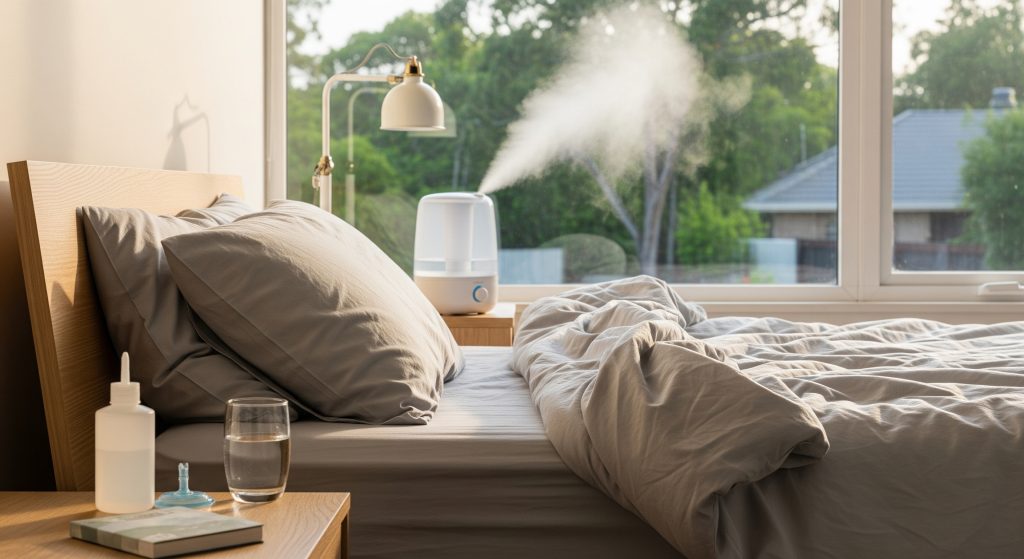
Use humidification in dry rooms and during winter heating.
-
Apply isotonic saline sprays before long calls or presentations.
-
Sleep with the head slightly elevated to improve drainage.
A simple routine example works well. Saline rinse in the evening and in the morning. A glass of water every hour at work. Humidifier set to moderate in the bedroom. This trims the daily burden without medicines for many.
Nasal Irrigation Methods
Nasal irrigation is a core technique when used correctly. Isotonic saline is the default. Hypertonic solutions can reduce swelling but may sting in inflamed noses. Devices include squeeze bottles, gravity-based pots, and powered irrigators. Technique matters most. Aim the flow toward the lateral nasal wall. Keep the mouth open to breathe steadily. Proper practice reduces the intensity of postnasal drip symptoms by lowering source mucus and inflammatory mediators.
|
Method |
Best Use |
|---|---|
|
Squeeze bottle |
Daily maintenance and quick clearance before bed. |
|
Neti pot |
Gentle gravity rinse for sensitive noses. |
|
Powered irrigator |
Heavier debris loads or thick secretions after illness. |
Use sterile or properly boiled and cooled water for safety. Clean the device thoroughly after each use. Small details keep a helpful habit safe and effective.
When to Seek Medical Help
Escalate care when any of the following apply. Symptoms persist beyond two weeks without improvement. Severe facial pain or fever emerges. Vision changes, swelling around the eyes, or recurrent nosebleeds occur. Asthma flares accompany cough. Or when OTC regimens fail despite proper technique. At that point, targeted evaluation will identify the causes of postnasal drip that need prescription therapy or imaging.
-
Prolonged symptoms despite disciplined self-care.
-
Red flags: high fever, severe unilateral pain, or neurological signs.
-
Frequent recurrences disrupting work or sleep.
Timely review prevents chronicity. It also narrows the field from many possibilities to the likely few.
Prevention and Long-Term Management
Lifestyle Modifications
Daily habits shape outcomes. Consistent hydration, room humidification in dry seasons, and routine saline rinses cut baseline irritation. These simple steps prevent small flares from becoming entrenched. Over time, that lowers the average intensity of postnasal drip symptoms.
-
Carry water during long meetings to limit throat irritation.
-
Set indoor humidity to a moderate level to avoid dryness.
-
Rinse after high-exposure activities like yard work or cleaning.
-
Replace HVAC filters on schedule to reduce particulate load.
Two more points matter. Prioritise nasal-friendly exercise environments and manage stress. Stress affects sleep, and poor sleep amplifies perception of throat symptoms.
Managing Underlying Conditions
Control the base drivers. Treat allergic rhinitis to quiet the daily drip. Optimise asthma plans to reduce cough sensitivity. Address reflux if night-time heartburn coexists. Together, these narrow the pathways that keep postnasal drip symptoms alive. Coordination with primary care and, when needed, ENT or allergy specialists delivers consistency across seasons.
-
Adherence to nasal steroid regimens in allergy seasons.
-
Asthma action plans for predictable winter or viral flares.
-
Reflux management when cough and hoarseness dominate at night.
Good control is not glamorous. It is measurable. Fewer night wakings, fewer tissues used, and a stable voice by day.
Seasonal Precautions
Seasonality is predictable, so preparation should be as well. Start preventive sprays two weeks before pollen peaks. Seal windows on high-count days. Shift outdoor training to low-count mornings after rainfall. These choices blunt the seasonal causes of postnasal drip and reduce the need for rescue measures. The result is steadier weeks with fewer disruptive postnasal drip symptoms.
-
Monitor local pollen counts and plan commutes accordingly.
-
Use in-car recirculation in high-pollen corridors.
-
Shower and change clothes after outdoor exposure.
Managing Postnasal Drip Successfully
Success is systematic, not accidental. I use a simple loop. Identify the dominant driver. Apply the least invasive intervention for two weeks. Measure sleep quality, cough frequency, and voice durability. Then adjust. If the driver is allergy, start with intranasal steroids and allergen reduction. If environmental, fix the air first. If infection, follow the timing thresholds that differentiate viral from bacterial peaks. This disciplined approach shortens the life of postnasal drip symptoms and prevents recurrences.
Two examples illustrate the point. A teacher with daily hoarseness adopts morning saline, classroom humidification, and a non-sedating antihistamine during spring. Voice endurance doubles within a fortnight. A frequent flyer with night cough switches to bottled water every hour, raises the hotel pillow stack, and performs a saline rinse on arrival. Sleep steadies within days. Small changes, high leverage.
There is also a contrarian insight worth stating. Many reach first for strong decongestants. They feel potent. But consistent environmental control and nasal steroids deliver steadier relief with fewer side effects. That is the difference between a quick patch and durable control of postnasal drip symptoms.
Frequently Asked Questions
How long does postnasal drip typically last?
Duration depends on the cause. Viral cases usually settle within one to two weeks. Allergy-driven cases may persist through the season without targeted therapy. Structural causes can sustain postnasal drip symptoms indefinitely until addressed. I review duration alongside severity to decide when to escalate care.
Can postnasal drip symptoms worsen at night?
Yes. Lying flat changes drainage and exposes the throat to pooled secretions. Night cough and hoarseness are common. Elevating the head, using saline before bed, and keeping the room moderately humid usually reduce night-time postnasal drip symptoms by morning.
Is postnasal drip contagious?
The drip is a symptom, not a disease. Contagiousness depends on the driver. Viral infections can spread. Allergies and structural problems do not. When in doubt, I match the context to the pattern of postnasal drip symptoms and recent contacts.
What foods should I avoid with postnasal drip?
There is no universal list. I advise moderation with alcohol and very spicy meals during flares. Both can transiently worsen postnasal drip symptoms through drying or reflex discharge. Adequate hydration matters more than strict exclusion for most people.
Can children safely use nasal sprays for postnasal drip?
Yes, with age-appropriate products and dosing. Saline sprays are safe across ages. Intranasal steroids have approved paediatric doses. I recommend consulting a clinician before starting medicated sprays. The aim is steady control of postnasal drip symptoms with minimal side effects.
When should postnasal drip symptoms concern me?
Seek care for red flags. High fever, severe facial pain, swelling around the eyes, vision changes, or persistent symptoms beyond two weeks. Frequent recurrences that impair work or sleep also warrant review. Timely assessment clarifies the causes of postnasal drip and guides the right postnasal drip treatment.

