






 We do what's right for you...


Understanding Acid Reflux Treatment: A Complete Guide for All Ages
Dr. Prajwal S
Most advice about reflux begins with generic diet lists and vague lifestyle tips. Helpful, but incomplete. If symptoms interrupt sleep, work, or family meals, you need a precise plan that balances evidence and practicality. This guide explains Acid Reflux Treatment across ages and contexts. You will see how medicines compare, which habits actually help, and where natural approaches fit. Small changes matter. Structured steps matter even more.
Effective Acid Reflux Treatments for Different Age Groups
Different life stages demand different choices. Infants, pregnant people, older adults, and those with complex conditions do not respond the same way. Acid Reflux Treatment is most effective when tailored to severity, risk, and the speed of relief required.
1. Proton Pump Inhibitors (PPIs): The Gold Standard Treatment
PPIs remain first line for persistent symptoms and healing oesophagitis. As StatPearls notes, empirical therapy works well for typical heartburn without alarm features, and helps prevent complications such as inflammation. Common agents include omeprazole and esomeprazole. They suppress acid strongly and support mucosal healing.
Use a clear protocol. Take the dose 30 minutes before breakfast for two to eight weeks, then reassess. You can step down to the lowest effective dose or move to on-demand dosing once stable. For recurrent symptoms, a maintenance plan may be appropriate, though not without periodic review.
-
Strengths: robust healing, strong symptom control, flexible dosing.
-
Limitations: delayed onset versus alginates, potential long-term risks.
There are safety caveats. As An Evidence-Based Review discusses, long-term use is associated with nutrient issues and enteric infections, so deprescribing reviews are prudent. As YaleMedicine adds, the risk profile must be weighed against benefits in severe disease. For many adults, PPIs anchor an Acid Reflux Treatment plan. But still, they are not the whole plan.
2. H2 Receptor Blockers for Moderate Symptom Control
H2 blockers reduce acid by blocking histamine receptors in parietal cells. As StatPearls outlines, famotidine, cimetidine, and nizatidine are useful for intermittent or night-time symptoms. Onset is usually within an hour and relief can last several hours. They are less potent than PPIs but often adequate for mild to moderate reflux.
Agent choice matters. Famotidine has fewer interactions than cimetidine. Cimetidine can interfere with several drugs and, in high doses, cause reversible endocrine effects. Ranitidine has been withdrawn in many regions. For children and older adults, dose adjustments are sometimes necessary.
-
When to use: step-down from PPIs, predictable triggers, night-time reflux.
-
When to avoid: severe oesophagitis, frequent breakthrough symptoms, complex polypharmacy with cimetidine.
In practice, H2 blockers can be paired with lifestyle measures to stabilise symptoms. They fit well in an Acid Reflux Treatment strategy that values control with fewer medications.
3. Antacids and Alginates for Quick Relief
For fast relief, antacids neutralise existing acid, while alginates create a floating raft that limits reflux. A meta-analysis reported that alginates improve symptoms significantly over placebo, as Alginate therapy highlights. They are particularly helpful for post-meal and positional reflux.
Use cases differ. Antacids are good for episodic heartburn. Alginates shine for meal-related symptoms, including during pregnancy. Both are widely available. Evidence suggests safety across older children and adults.
-
Antacids: rapid, short duration, ideal for occasional use.
-
Alginates: form a barrier at the gastro-oesophageal junction, useful after meals.
For chronic reflux, these options complement rather than replace PPIs or H2 blockers. Think of them as a rapid response unit within your Acid Reflux Treatment plan.
4. New Medication Options: Vonoprazan and PCABs
Potassium-competitive acid blockers, led by vonoprazan, suppress acid rapidly and consistently. As P-CABs overview explains, vonoprazan is not activation-dependent and is acid stable, giving it advantages over PPIs. Recent analyses suggest higher rates of symptom resolution, including erosive disease, with a comparable safety profile.
For PPI partial responders, PCABs may offer a practical escalation. Day and night control can improve because of sustained acid inhibition. Early real-world data in older adults show encouraging outcomes and tolerability.
-
Where it fits: inadequate PPI control, nocturnal symptoms, erosive oesophagitis.
-
Considerations: access, regional approvals, emerging long-term data.
As options expand, an Acid Reflux Treatment pathway can now include PCABs for difficult cases. The aim is stability with fewer flares.
5. Surgical Treatments: Fundoplication for Severe Cases
When medication fails or is poorly tolerated, anti-reflux surgery is a viable route. As ACG Clinical Guideline notes, fundoplication reinforces the lower oesophageal sphincter and reduces pathological reflux. Appropriate selection is critical and usually involves objective testing.
Expected outcomes are strong symptom relief and reduced or eliminated need for PPIs. Some patients may experience dysphagia or gas-bloat syndrome post-operatively. A proportion require reoperation over time. Recovery protocols now emphasise early mobilisation and careful diet progression.
For selected patients, surgery can be the definitive step in an Acid Reflux Treatment journey. Not a first step, but a decisive one.
Natural Remedies for Heartburn Relief
Evidence-based lifestyle and dietary measures can complement medication. If you prefer natural remedies for heartburn to start, use a structured approach and measure the response. Not every tactic suits every person.
Alkaline Foods and Beverages to Neutralise Stomach Acid
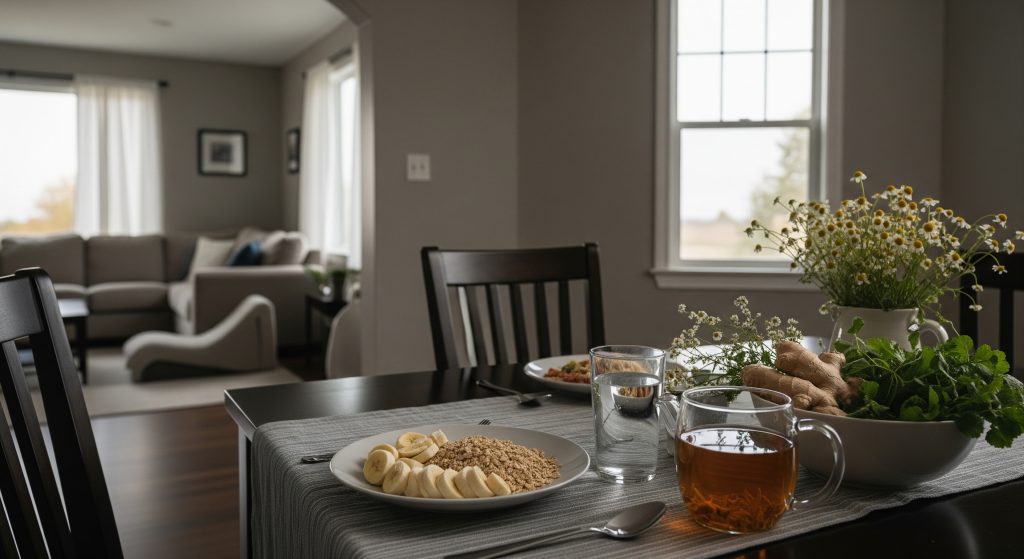
Alkaline food choices can blunt acid exposure. As a comparative study suggests, alkaline water paired with a Mediterranean-style diet produced symptom reductions similar to PPIs for laryngopharyngeal reflux. Options include bananas, melons, and certain nuts.
Mechanisms likely extend beyond pH. Antioxidant and mucosal-protective effects are also discussed in nutritional literature. Practical point: anchor most meals in vegetables, legumes, whole grains, and olive oil. Then track triggers precisely.
-
Start with produce-rich meals and modest portions of lean protein.
-
Hydrate with still water or non-citrus herbal teas.
Diet alone rarely replaces medical Acid Reflux Treatment, but it consistently improves the baseline.
Herbal Solutions: Ginger, Chamomile, and Liquorice Root
Ginger can ease nausea and may support motility. As Harvard Health Publishing describes, chamomile offers soothing effects, while deglycyrrhizinated liquorice supports mucosal defence. These options work best as adjuncts, not stand-alone cures.
Use standardised products where possible. Monitor for interactions and blood pressure effects with liquorice derivatives. Two cups of ginger or chamomile tea daily is a reasonable starting point for many adults.
Herbal support can make a noticeable difference when integrated into a broader Acid Reflux Treatment plan. Small gains accumulate.
Simple Kitchen Remedies: Bicarbonate of Soda and Apple Cider Vinegar
Sodium bicarbonate neutralises acid quickly. As Healthline explains, it is not a long-term solution and can cause electrolyte issues with overuse. It does not heal inflammation.
Apple cider vinegar remains popular online. As Harvard Health Publishing notes, evidence is limited and dilution is essential to reduce enamel and mucosal irritation. Use sparingly, track response, and stop if symptoms worsen.
-
Reserve bicarbonate for rare emergencies, not routine management.
-
Be cautious with vinegars if your symptoms are triggered by acidity.
These are stopgap tactics, not core Acid Reflux Treatment tools. Treat them as such.
Physical Relief Methods: Chewing Gum and Sleeping Position Adjustments
Several physical strategies have practical value. As Harvard Health Publishing highlights, left-side sleeping and head-of-bed elevation improve clearance and reduce nocturnal reflux. A wedge pillow is usually more effective than extra pillows.
Chewing sugar-free gum increases saliva and may neutralise residual acid. As Healthline reports, 30 minutes after meals can help. Avoid mint flavours if peppermint triggers symptoms.
-
Adopt left-side sleeping with a 15 to 20 cm bed head elevation.
-
Use non-mint gum for 20 to 30 minutes after larger meals.
Simple mechanics often deliver steady gains. They also compound the benefits of your wider Acid Reflux Treatment steps.
Foods to Avoid with Acid Reflux
Two principles guide food triggers. First, some items relax the lower oesophageal sphincter. Second, others increase acid exposure or delay gastric emptying. A shortlist helps you assess patterns without restrictive dieting.
High-Fat and Fried Foods That Trigger Symptoms
Fat-heavy and fried dishes commonly worsen reflux. As Harvard Health Publishing summarises, these foods slow gastric emptying and relax the sphincter, increasing reflux episodes. Carbonated beverages and very salty meals can add to the problem.
-
Swap deep-fried options for grilled or baked equivalents.
-
Use smaller portions of cheese, cream, and fatty cuts of meat.
This is not about rigid rules. It is about predictable physiology. Adjusting fat quality and volume supports your Acid Reflux Treatment foundation.
Acidic Foods: Citrus Fruits, Tomatoes, and Vinegar
Acidic items can sting inflamed mucosa and provoke symptoms. As management guidance notes, citrus, tomatoes, and vinegars are frequent offenders. Frequency and dose matter, and sensitivity varies.
-
Try citrus-free dressings using olive oil, herbs, and a little water.
-
Switch tomato-heavy sauces for roasted red pepper or lighter broths.
Track your threshold rather than eliminating entire categories. Precision beats blanket bans in sustainable Acid Reflux Treatment.
Common Beverage Triggers: Coffee, Alcohol, and Fizzy Drinks
Coffee, alcohol, and carbonated beverages often worsen symptoms. As recent reviews indicate, these drinks can relax the sphincter or add gastric pressure. Evidence on coffee is mixed, but many patients notice clear patterns, especially with unbuffered espresso and late-night drinking.
-
Trial decaf, cold brew, or smaller servings with food.
-
Reduce carbonated drinks and choose still water or herbal tea.
If you keep one of these, adjust timing and dose. That small shift can stabilise an otherwise effective Acid Reflux Treatment plan.
Surprising Food Triggers: Chocolate, Peppermint, and Spicy Dishes
Chocolate and peppermint can relax the sphincter. As ACG guidance notes, both are common triggers. Spicy foods can also irritate sensitised tissue and amplify burning sensations.
-
Limit peppermint tea and mint chewing gums if symptoms flare.
-
Test milder spices and use yoghurt or tahini to buffer heat.
These are not universal triggers, but they are frequent. Keep them in your elimination and reintroduction loop within Acid Reflux Treatment.
Can Stress Cause Acid Reflux: The Mind-Gut Connection
Stress does not act alone, but it magnifies vulnerability. It alters motility, perception, and habits. The link is complex and real. It belongs in your decision tree alongside diet and medicine.
How Stress Affects the Lower Oesophageal Sphincter
Stress influences oesophageal function in subtle ways. As experimental work shows, acute stress can change motility patterns during swallowing without consistently reducing sphincter pressure in healthy people. Clinical experiences suggest that chronic stress may still worsen symptoms through multiple pathways.
This is where behavioural levers matter. Meal timing slips when stress peaks. So does posture. You rush, you lie down too soon, and you test your threshold. An Acid Reflux Treatment plan must anticipate this human factor.
Stress-Related Changes in Stomach Acid Production
Stress can increase perceived intensity of symptoms and may heighten acid exposure. As Harvard Health Publishing explains, stress can weaken the sphincter to an extent and drive behaviours that aggravate reflux. Sleep disruption compounds the issue.
Roughly speaking, minimising late meals, alcohol, and heavy evening snacks does more than most overcomplicated hacks. It is simple. It also works.
Managing Stress to Reduce Acid Reflux Symptoms
Psychological care can reduce symptom burden. As integrated reviews note, higher anxiety and depression correlate with more severe reflux symptoms. Interventions such as CBT, breathing practice, and yoga can help.
-
Schedule meals 3 to 4 hours before bed and walk gently after dinner.
-
Practise paced breathing or brief mindfulness twice daily.
-
Use a consistent sleep window and a left-side position.
These steps reinforce medical care. For many, they turn a decent Acid Reflux Treatment into a durable one. And yet, they are often overlooked because they feel too simple.
Taking Control of Your Acid Reflux Treatment Journey
Start with a clear baseline. Document frequency, timing, and triggers for two weeks. Then build a tiered plan: foundation habits, fast-relief tools, and a medical backbone. This makes your Acid Reflux Treatment cumulative rather than chaotic.
|
Step |
Practical action |
|---|---|
|
Assessment |
Track meals, drinks, stress, sleep, and symptoms for 14 days. |
|
Foundation |
Left-side sleeping, head-of-bed elevation, smaller evening meals. |
|
Diet focus |
Mediterranean-style pattern with alkaline-leaning foods. |
|
Triggers |
Rotate tests for coffee, alcohol, carbonates, chocolate, and peppermint. |
|
Rapid relief |
Use alginates or antacids post-meal for breakthrough symptoms. |
|
Medical |
H2 blocker for mild control or PPI/PCAB for persistent symptoms. |
|
Review |
Step down medicines when stable and continue lifestyle gains. |
If symptoms include difficulty swallowing, bleeding, unintentional weight loss, or anaemia, seek medical review promptly. Do not delay diagnostic testing in those situations. Precision beats guesswork when red flags appear.
Two final points. First, consistency beats intensity. Second, personal thresholds vary. Keep what works, drop what does not, and review regularly with your clinician.
Frequently Asked Questions
What is the Difference Between Heartburn and Acid Reflux?
Heartburn is the burning sensation behind the breastbone. Acid reflux is the physical backflow of stomach contents into the oesophagus. Gastro-oesophageal reflux disease, or GERD, is reflux that causes troublesome symptoms or complications. The difference between heartburn and acid reflux is therefore symptom versus mechanism. Effective Acid Reflux Treatment addresses the mechanism and the mucosal injury, not only the sensation.
Can Babies and Young Children Develop GERD?
Yes. Infants often have physiological reflux that resolves as the oesophageal sphincter matures. Persistent vomiting, poor weight gain, or feeding aversion warrants paediatric assessment. Management emphasises feeding position, volume control, and medical therapy when required. Use paediatric dosing and monitor closely. The goal is growth and comfort first, then step-down as development progresses.
How Long Should I Take PPIs for Acid Reflux?
Typical initial courses run for 4 to 8 weeks, followed by reassessment. Many patients can step down to the lowest effective dose or on-demand use. Long-term therapy is reserved for recurrent symptoms, erosive disease, or high-risk complications. Periodic reviews help ensure continued need. This keeps your Acid Reflux Treatment effective and proportionate.
Are Natural Remedies Safe During Pregnancy?
Many lifestyle measures are safe, including left-side sleeping, head-of-bed elevation, and meal timing. Alginates are generally considered safe, and some antacids are acceptable. Herbal products require caution due to limited pregnancy data. Always review with a clinician or midwife before use. Natural remedies for heartburn can help, but safety comes first.
When Should I See a Doctor for Heartburn Symptoms?
Seek medical review if you have alarm features such as dysphagia, bleeding, weight loss, or persistent vomiting. Also seek care when

