






 We do what's right for you...


Tonsil Stones Symptoms and How They Link to Bad Breath
Dr. Poonam Singla
Conventional advice blames bad breath on brushing habits alone. That view misses a common culprit. Tonsil stones can drive persistent odour even when oral care is excellent. This guide explains the key Tonsil Stones Symptoms, how they link to halitosis, the underlying causes, and safe removal options you can use or request from a clinician.
Key Tonsil Stones Symptoms and Their Direct Link to Bad Breath
Persistent Halitosis Despite Good Oral Hygiene
Chronic bad breath that resists brushing, flossing, and mouthwash often points to tonsillar debris. As StatPearls notes, most halitosis originates in the mouth, and tonsil stones generate volatile sulphur compounds that smell strongly. The odour returns quickly after cleaning because the source sits deep in the crypts. That pattern is one of the clearest Tonsil Stones Symptoms you can track.
-
Odour worsens after sleep or long meetings when saliva is low.
-
Mint rinses work briefly, then the smell creeps back.
-
A partner may notice it before you do. Honest feedback helps.
White or Yellow Formations Visible on Tonsils
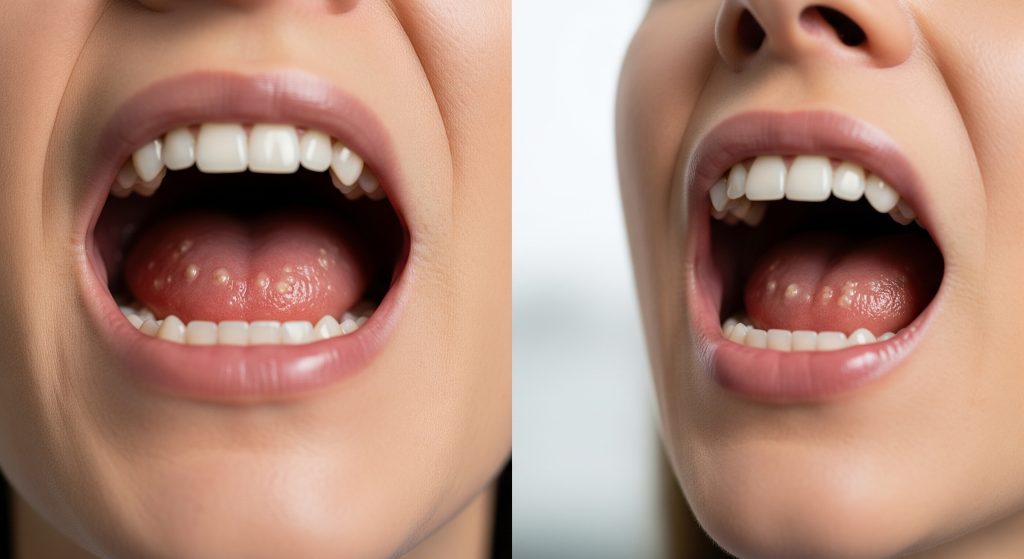
Small chalky nodules may appear as white or yellow specks on the tonsils. As Mayo Clinic Health System explains, these deposits form when food particles and bacteria calcify inside crypts. Visibility varies. Some stones sit hidden and only surface when they loosen. If you see these spots and your breath is sour, the link is likely.
Chronic Sore Throat and Discomfort When Swallowing
Ongoing throat irritation with a scratchy, raw sensation aligns with several Tonsil Stones Symptoms. As StatPearls describes, retained debris can inflame surrounding tissue and intensify discomfort when you swallow. The pain is often mild to moderate, but it lingers. It may flare on one side if stones cluster in one tonsil.
Metallic Taste and Throat Irritation
A metallic or sour taste can persist, especially after waking. As BASS Medical Group notes, interactions between bacteria and compounds released from stones can alter taste. Combine that taste with throat tickle and you have a telltale pairing. These are durable Tonsil Stones Symptoms that often outlast a mint.
Ear Pain Without Infection
Referred earache may appear even when the ear is healthy. As PMC reports, inflammation near the tonsils can irritate nearby structures and nerves. The result is ear pain without infection on examination. This symptom is subtle. It rises and falls with throat irritation and stone movement.
Difficulty Swallowing and Foreign Body Sensation
A feeling of something stuck at the back of the tongue is common. As Cleveland Clinic explains, larger stones press on tissue and can obstruct a smooth swallow. Liquids usually pass. Dry foods may catch. If this sensation eases after a cough or gargle, a dislodged stone may be the reason.
Chronic Cough and Throat Clearing
Frequent clearing or a dry cough often follows irritation caused by stones. As UCLA Health notes, the location and bacterial load can trigger a cycle of tickle, cough, and more inflammation. That cycle supports bacterial growth and worsens odour. Breaking it requires removing the debris and restoring calm tissue.
Swollen Tonsils and Inflammation Signs
Mild swelling, redness, or patchy white areas may appear during flare ups. As Mayo Clinic outlines for tonsillitis, inflammation produces painful swallowing, fever at times, and swollen nodes. Stones themselves do not always cause infection. But chronic irritation can fuel recurrent episodes in those prone to them.
Understanding Tonsil Stones Causes and Risk Factors
Poor Oral Hygiene Habits
Biofilm accumulates on the tongue and teeth. That biofilm feeds bacteria in tonsillar crypts. As PMC found, tonsilloliths associate with plaque-related disease and missed dental care. Daily cleaning reduces odour compounds and cuts available debris. This remains one of the clearest tonsil stones causes you can influence.
-
Brush the tongue to reduce anaerobic load.
-
Replace a worn brush head every 8 to 12 weeks.
-
Use alcohol free mouthwash if dry mouth is an issue.
Chronic Tonsillitis and Repeated Infections
Repeated infections change tonsil architecture. Crypts deepen and trap more material. As StatPearls describes, recurrent inflammation and biofilm persistence sustain a cycle of debris retention. Medical therapy may stabilise symptoms to an extent. But biofilms can resist antimicrobials and set the stage for stones.
Large Tonsil Crypts and Anatomy
Some tonsils simply have deeper folds. As StatPearls notes, palatine tonsils include many crypts designed to sample antigens. That immune design creates pockets. Pockets collect detritus. With time and dryness, deposits harden and produce several Tonsil Stones Symptoms you recognise.
Post-Nasal Drip and Sinus Issues
Chronic mucus flow keeps crypts coated. As PMC summarises, sinus inflammation and drainage can aggravate tonsil problems. Mucus carries cells and proteins that feed bacterial growth. Addressing rhinitis or reflux often reduces the burden. The change can be fast and noticeable.
Dietary Factors That Increase Risk
Diets high in sugar or frequent snacking encourage bacterial growth and acid production. As Harvard Health Publishing notes, reducing sugary foods helps limit debris build up and odour. Hydration matters too. Low saliva allows anaerobes to thrive.
Key idea: Dry mouth, deep crypts, and a carbohydrate heavy diet create a perfect environment for stones. Break any one factor and risk falls.
Tonsil Stones Treatment and Removal Methods
How to Remove Tonsil Stones at Home Safely
Home care can be effective for small or mobile stones. As Mayo Clinic News Network advises, saltwater gargles and gentle water flossing can dislodge debris. Avoid sharp tools. They can injure tissue and increase bleeding risk. If you try how to remove tonsil stones at home, keep movements slow and controlled.
-
Start with warm saline to soften deposits.
-
Use low pressure irrigation aimed beside, not directly at, the stone.
-
Stop if you feel pain, dizziness, or see blood.
1. Salt Water Gargling Technique
Warm saltwater reduces swelling and shifts surface debris. As Healthline notes, a half teaspoon of salt in one cup of warm water is a practical mix. Gargle for 20 to 30 seconds, repeat three times, and rest. This simple practice calms tissue and can loosen small stones.
-
Mix the solution fresh. Lukewarm water protects delicate mucosa.
-
Lean forward and gargle so liquid reaches the tonsillar pillars.
-
Spit and repeat. Avoid swallowing brine if you have reflux.
2. Cotton Swab Method
Gentle mechanical pressure can express a stone. As Mayo Clinic News Network explains, a moistened swab offers control and reduces abrasion. Press from the side of the stone toward the crypt opening. Work slowly and pause if you gag. Precision beats force.
-
Use a head torch or bright mirror lighting.
-
Stabilise your hand by resting a finger on the jaw.
-
Have saline ready for rinsing afterward.
3. Water Flosser Irrigation
Low pressure irrigation can flush crypts effectively. As GoodRx outlines, use the gentlest setting and a narrow tip. Aim beside the stone to create lateral flow. Direct jets can drive debris deeper. This method helps both removal and prevention.
4. Natural Remedies and Prevention
Several low risk measures support recovery. As Healthline notes, regular saline gargles, alcohol free mouthwash, and hydration reduce bacterial activity. Chewing sugar free gum boosts saliva and buffers acids. These steps complement any tonsil stones treatment plan and keep crypts cleaner.
-
Sleep with room humidity at **40 to 50** percent to limit dryness.
-
Limit late night snacks which seed debris before sleep.
-
Address nasal congestion to reduce post nasal drip.
Professional Tonsil Stones Removal Options
Persistent, painful, or recurrent stones merit clinical care. As UCLA Health indicates, an ENT can extract stones under direct vision and discuss longer term options. Tonsillectomy provides definitive relief for selected cases with frequent infections or severe symptoms. It is effective, though not without risks.
When to See a Doctor
Seek assessment if symptoms escalate or disrupt your routine. As Mayo Clinic advises, recurrent bacterial tonsillitis or significant swallowing issues justify referral. Red flags include bleeding, fever, unilateral severe pain, and weight loss. Medical review ensures safe tonsil stones removal and rules out other pathology.
Long-Term Prevention Strategies
Prevention focuses on biofilm control, saliva support, and airway management. As Mayo Clinic News Network recommends, combine meticulous oral hygiene with targeted rinses after meals. Hydration and nasal care reduce debris reaching the tonsils. Small habits add up.
|
Strategy |
Why it helps |
|---|---|
|
Twice daily brushing plus tongue cleaning |
Reduces anaerobes that produce odorous sulphur compounds. |
|
Alcohol free mouthwash at night |
Limits dryness while suppressing biofilm overnight. |
|
Saline gargle after meals |
Flushes food particles from crypt entrances. |
|
Manage rhinitis and reflux |
Cuts post nasal drip and acid exposure that inflame tissue. |
|
Hydration and sugar free gum |
Maintains saliva flow and pH balance. |
In practice, consistent routines beat heroic fixes. That is the quiet advantage.
Managing Tonsil Stones Symptoms for Fresh Breath
Target the source, not just the smell. Begin with careful inspection and routine saline rinses. Build a nightly protocol that includes tongue cleaning and an alcohol free rinse. Use a low pressure irrigator twice weekly if stones recur. If halitosis persists despite these measures, arrange an ENT review. This plan addresses Tonsil Stones Symptoms and restores confidence in social settings.
-
Track symptoms in a simple log for two weeks.
-
Note triggers such as late meals, colds, or mouth breathing.
-
Adjust humidity, hydration, and nasal care accordingly.
You can also combine how to remove tonsil stones at home with periodic professional checks. That blend provides control and a safety net. It is pragmatic and effective.
Frequently Asked Questions
Can tonsil stones go away on their own?
Yes, smaller stones often dislodge during swallowing, coughing, or a vigorous gargle. Larger or embedded stones may persist. If bad breath continues or soreness returns, switch from watchful waiting to active care. A simple home protocol usually resolves the issue. If not, clinical tonsil stones treatment is appropriate.
Are tonsil stones contagious?
No. The stones are calcified debris from your own tonsils. The bacteria involved are common oral residents. Fresh breath returns when the deposits are removed and the biofilm load is reduced. Good hygiene and hydration limit recurrence and improve most Tonsil Stones Symptoms.
How long does bad breath from tonsil stones last?
It lasts until the debris is cleared and the crypts stay clean. Relief can be immediate after removal. Odour may return if biofilm rebuilds or post nasal drip continues. Address both the deposits and the drivers. That is how to make results stick.
Can children develop tonsil stones?
Yes, though prevalence appears lower than in adults. Deep crypts, frequent infections, and mouth breathing raise risk. Manage with gentle hygiene and paediatric appropriate rinses. Seek medical advice before any manual extraction. Safety comes first, always.
What foods should I avoid if I have tonsil stones?
Limit high sugar snacks and sticky foods that cling to the oropharynx. Reduce late night dairy if mucus thickens afterward. Rinse with saline after meals. These steps reduce debris and improve several Tonsil Stones Symptoms quickly.
Is surgery necessary for recurring tonsil stones?
Not always. Many cases respond to methodical hygiene and irrigation. Surgery is considered for frequent infections, severe obstruction, or significant quality of life impact. Discuss risks and benefits with an ENT. Choose surgery when conservative options fail or are impractical.
Final note. If you need a compact plan, use this order: identify the core Tonsil Stones Symptoms, remove deposits with gentle methods, stabilise the tissue with saltwater and humidity, and fix the underlying tonsil stones causes such as biofilm and post nasal drip. If problems persist, pursue professional tonsil stones removal with an ENT. This sequence is simple and it works.

