






 We do what's right for you...


Pterygium Symptoms Explained: Causes, Signs and Treatment Options
Dr. Krishna Vaitheeswaran
Conjunctival growths get dismissed as cosmetic problems far too often. That assumption delays care and lets pterygium symptoms evolve from a minor nuisance into avoidable visual issues. I will clarify what to watch for, why these growths develop, how to manage them, and where pterygium vs pinguecula truly differ. Here is what matters in practice.
Key Pterygium Symptoms and Warning Signs
1. Early Stage Pterygium Symptoms
In the early phase, pterygium symptoms tend to be local and intermittent. I look for a small, fleshy wedge at the inner corner with mild redness. Patients report dryness, itching, and a foreign body sensation, especially after wind exposure. The surface looks slightly raised, and lubricants give partial relief. These pterygium symptoms can be subtle, so photographs over time help confirm change. When the growth remains off the cornea, vision is usually unaffected. But the irritation does not fully settle.
-
Typical early pterygium symptoms: grittiness, redness, mild tearing, and a visible wedge of tissue near the nasal limbus.
-
Short bursts of discomfort with sun, dust, or air conditioning are common triggers.
-
Glasses feel slightly smeary by evening due to reflex tearing and surface irregularity.
In short, these pterygium symptoms are more about surface comfort than sight. They are still a useful early warning.
2. Progressive Visual Symptoms
As the tissue extends onto the cornea, pterygium symptoms shift from irritation to optics. I see astigmatic blur from corneal warpage and occasional ghosting under bright light. The foreign body sensation persists and strands of vessels traverse the growth. Night driving becomes tiring because haloes and glare increase. At the slit lamp, the advancing head flattens local cornea and degrades image quality. These pterygium symptoms worsen with size, but pace varies person to person.
-
Visual pterygium symptoms: fluctuating blur, glare, and reduced contrast after prolonged outdoor exposure.
-
Reading remains possible, yet small print demands more effort and frequent blinking.
Progression is not linear. It sometimes stalls for months, then catches up in summer. That pattern is familiar.
3. Physical Appearance Changes
Appearance concerns are not trivial. Pterygium symptoms often include noticeable cosmesis. The growth looks fleshy and triangular with fine surface vessels. It starts nasally in most cases and moves toward the pupil. Make-up and contact lenses exacerbate irritation, so patients change routines. The eye can appear persistently red on photographs. These pterygium symptoms extend beyond vanity; they signal ongoing surface inflammation. And they are a frequent reason people seek evaluation.
-
Visible signs: elevated wedge, dilated vessels, and a matte surface that catches light awkwardly.
-
Occasional yellowing around the head when dryness peaks.
Cosmetic impact affects confidence at work and in social settings. That impact deserves respect.
4. Irritation and Discomfort Signs
Dry, windy conditions amplify discomfort. Pterygium symptoms here include burning, stinging, and a persistent urge to rub. Lubricating drops help, but relief is temporary once exposure resumes. The eyelid margin can look inflamed, and the tear film breaks up faster. With growth, some describe double edges around lights due to surface irregularity. I ask targeted questions about cycling, running, or field work, as these identify preventable triggers. The pattern is consistent. Irritation flares with exposure and calms indoors.
-
Common discomfort drivers: UV, wind, dust, and low humidity rooms.
-
Secondary effects: reflex tearing, light sensitivity, and inconsistent clarity by late day.
If these pterygium symptoms persist despite sensible measures, escalation of care is justified.
5. Symptoms Indicating Surgery Need
Surgery is not the default. It becomes appropriate when pterygium symptoms imply functional risk or persistent disability. These include advancing blur, documented astigmatic change, or encroachment toward the pupil. Sustained pain, recurrent inflammation, or contact lens intolerance also count. A large lesion that distorts the cornea warrants planning. As American Academy of Ophthalmology notes, excision is typically indicated when lesions exceed 3 mm or induce visual disturbance. Cosmetic drivers are valid, but I set expectations about recurrence control and careful aftercare.
Quick triage checklist
-
Any reduction in best corrected vision from induced astigmatism.
-
Documented growth across serial photos or topography maps.
-
Chronic irritation despite maximal conservative care.
When that checklist lights up, pterygium surgery should be discussed promptly. Delays rarely help.
Common Pterygium Causes and Risk Factors
1. Environmental Triggers
Dry air, wind, dust, and sunlight form the classic quartet. I see a clear pattern. Long outdoor days and reflective surfaces aggravate ocular surfaces. That sustained exposure drives micro-inflammation at the conjunctiva. Over time, fibrovascular tissue grows and can migrate. Air pollution may add a small contribution, particularly particulate matter near busy roads. Individually, each factor seems modest. Together, they amplify risk.
-
Chronic dryness creates a permissive surface for fibrovascular growth.
-
Wind and dust cause repeated microtrauma and irritation.
-
Sunlight supplies the UV stimulus that pushes the process forward.
These are modifiable risks. Small daily habits matter for reducing pterygium symptoms downstream.
2. UV Radiation Exposure
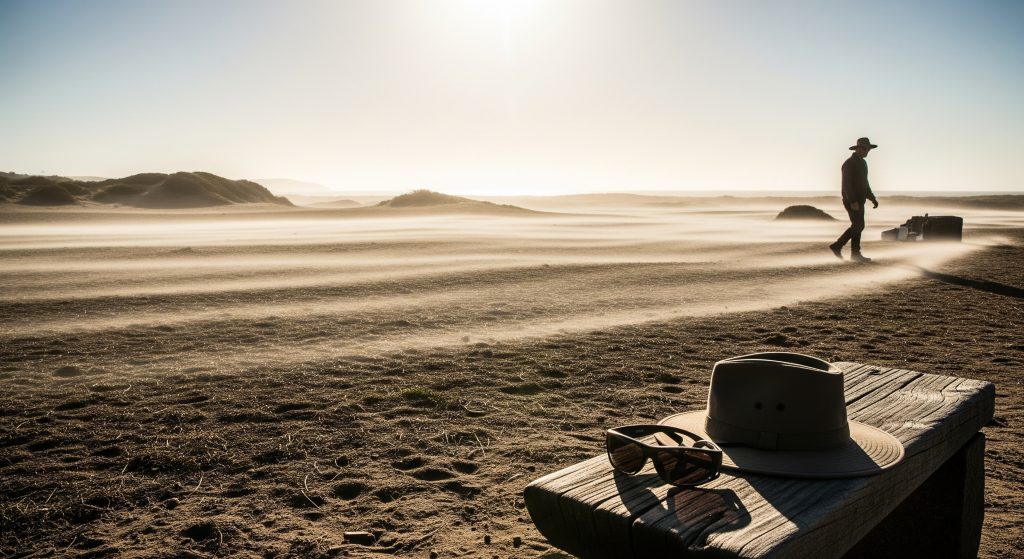
Ultraviolet light is the central driver. UV-B appears most implicated, with cumulative dose being the problem. Coastal workers, high-altitude residents, and outdoor athletes receive higher ocular dosage. Reflections from sand, water, concrete, and snow multiply exposure. I advise wraparound sunglasses and brimmed hats as standard kit. It is preventive medicine in plain sight. Fewer UV hours now often means fewer pterygium symptoms later.
-
Peak sun hours carry more risk, especially near midday.
-
Intermittent heavy exposure can harm more than steady low exposure.
Protection is not optional in high UV environments. It is basic occupational hygiene.
3. Occupational Risk Factors
Outdoor labour raises the odds. Agriculture, construction, road work, lifeguarding, fishing, and courier roles are frequent contexts. The mix of sun, dust, and wind explains why. Lack of protective eyewear compounds the effect. Office workers are not immune if they cycle daily or train at midday. Still, the occupational signal is strong. I screen for these roles when assessing pterygium symptoms and tailor prevention accordingly.
-
Key workplace levers: eyewear policy, shaded rest areas, and UV awareness training.
-
Shift timing helps by avoiding the most intense UV windows.
Simple equipment and smarter scheduling reduce risk quickly. Compliance improves when gear is comfortable.
4. Geographic and Climate Influences
Latitude and climate shape exposure. Countries closer to the equator carry higher ambient UV. Arid regions add wind and dust to the mix. Seasonal heatwaves and droughts worsen outdoor ocular stress. As Medscape reports, prevalence varies widely by region, ranging from about 1% to over 30%. That spread aligns with sunlight intensity and environmental dryness. The practical takeaway is straightforward. Where UV and dryness increase, pterygium symptoms follow more frequently.
-
High-altitude zones intensify UV exposure due to thinner atmosphere.
-
Coastal and desert climates combine reflective glare with dry air.
Location is not destiny. It signals where prevention must be stronger.
Pterygium Treatment Options and Management
1. Conservative Treatment Methods
Early and mild cases respond well to pragmatic steps. I prioritise lubrication, UV protection, and trigger control. Regular artificial tears, wraparound sunglasses, and a brimmed hat form the base. Short courses of anti-inflammatory drops are sometimes appropriate for flares. These measures reduce pterygium symptoms, though they do not remove the growth. The goal is comfort and stability. If symptoms persist or vision shifts, I reassess for escalation to pterygium surgery.
-
Core tools: preservative-free tears, gel at night, and consistent sunglasses use.
-
Environmental tweaks: humidifiers, workplace shields, and dust control.
Conservative care also buys time to plan surgery properly if it becomes necessary.
2. Medicated Eye Drops and Lubricants
Lubrication remains the workhorse intervention. I prefer preservative-free tears during the day and a viscous gel or ointment overnight. Short bursts of topical anti-inflammatories may calm reactive redness. Mast cell stabilisers or antihistamines help where allergy overlaps. None of these dissolve the tissue. They make pterygium symptoms livable while exposure risks are addressed. It is basically symptom control and surface protection done well.
-
Daytime: low viscosity tears for frequent use.
-
Nighttime: thicker gel to prevent morning dryness.
Medication choice hinges on lifestyle and tolerance. Simplicity increases adherence.
3. Pterygium Surgery Procedures
When surgery is indicated, the technique influences recurrence, comfort, and recovery time. Excision with conjunctival autograft (CAG) is the reference standard in many centres. Amniotic membrane grafting (AMG) is a valuable alternative, especially where conjunctiva must be preserved. Adjuncts like Mitomycin C lower recurrence but require careful dosing. As J Liaquat Univ Med Health Sci reports, recurrence after CAG was about 7.69% versus 16.13% with Mitomycin C alone. Technique and aftercare shape outcomes.
Common approaches
-
Excision + conjunctival autograft: low recurrence, robust long term stability.
-
Excision + amniotic membrane: shorter surgery, less discomfort, preserves conjunctiva.
-
Adjuncts: Mitomycin C in selected cases to reduce regrowth risk.
Choice depends on lesion size, location, recurrence history, and future surgical needs. Pterygium treatment is rarely one size fits all.
4. Post-Surgical Care Guidelines
After pterygium surgery, I emphasise a disciplined drop schedule and gentle eye care. Patients use prescribed antibiotics and steroids with proper spacing between drops. An eye shield at night prevents accidental rubbing in the first fortnight. Showers are fine from day one with the eye kept dry for several days. No swimming or heavy gym work for at least two weeks. Sunglasses outdoors are mandatory to reduce glare and protect the graft. Redness and foreign body sensation decline over a few weeks. If pain spikes or vision drops, I want a same day review.
-
Strict hygiene: clean hands, no eye touching, careful lash cleaning if crust forms.
-
Activity: light desk work within days, avoid dusty environments for several weeks.
-
Sutures or glue: minor scratchiness is expected until full epithelialisation.
Good aftercare converts surgical skill into durable results. That is how pterygium symptoms stay controlled long term.
5. Prevention Strategies
Prevention is the cheapest and most reliable form of pterygium treatment. I recommend UV400 rated wraparound sunglasses and a wide brimmed hat for anyone outdoors. Schedule strenuous outdoor work outside peak midday hours when possible. Hydrate and use lubricant drops before and after exposure, not only when irritation starts. In dusty settings, use protective eyewear with side shields. For athletes, consider clear wraparounds for cloudy days. That simple kit reduces future pterygium symptoms meaningfully.
-
Build a routine: sunglasses by the door, hat in the bag, drops in the pocket.
-
Workplace policy: provide UV rated eyewear and shade at rest points.
-
Follow up: periodic checks to track any change in corneal involvement.
Small habits done consistently beat sporadic interventions. It is prevention by design, not by hope.
Pterygium vs Pinguecula: Understanding the Differences
Key Distinguishing Features
I often get asked about pterygium vs pinguecula because the terms are used interchangeably. They are not the same. A pinguecula is a yellowish, localised bump on the conjunctiva that does not cross the cornea. It is often non-vascular and tends to sit flat. A pterygium is fleshy, vascular, and grows onto the cornea in a wing shape. That invasion changes optics and can blur vision. In short, pinguecula looks benign and stays put. Pterygium advances and causes trouble.
-
Pinguecula: local surface change, typically cosmetic, irritation only when dry.
-
Pterygium: growth with vessels, corneal extension, and potential visual impact.
If vision changes or glare increases, I suspect pterygium. Those pterygium symptoms demand closer review.
Location and Growth Patterns
Location guides differentiation. Pterygium typically starts at the nasal limbus and moves toward the pupil. The head can flatten cornea and induce astigmatism. Pinguecula sits adjacent to the limbus but respects the corneal border. It can be nasal or temporal and stays discrete. Growth speed varies with UV exposure and dryness. I document with photos and corneal topography. That record tells the story over months, not days.
|
Feature |
Practical Description |
|---|---|
|
Typical site |
Pterygium: nasal limbus. Pinguecula: conjunctiva near limbus. |
|
Corneal involvement |
Pterygium: yes, progressive. Pinguecula: no. |
|
Vascularity |
Pterygium: prominent vessels. Pinguecula: minimal vessels. |
|
Primary concern |
Pterygium: vision and comfort. Pinguecula: comfort and cosmesis. |
This table is a quick sorting tool. It helps decide when pterygium symptoms carry the day.
Treatment Approach Variations
Pinguecula management is almost always conservative. Lubrication, UV protection, and occasional anti-inflammatory drops control flare ups. Excision is rare and usually cosmetic. Pterygium treatment escalates more readily because corneal involvement matters. I start with the same conservative toolkit, then consider pterygium surgery when vision or comfort justifies it. Surgical planning weighs recurrence risk, graft options, and downtime. The strategy is pragmatic. Treat the symptoms, track the shape, and intervene at the right moment.
-
Pinguecula: prioritise surface comfort and UV control.
-
Pterygium: add corneal monitoring and a lower threshold for surgical referral.
That divergence reflects biology. One sits quietly. The other can invade.
Managing Pterygium Symptoms Effectively
Effective control comes from a simple, disciplined playbook. I prioritise three pillars and adjust the mix as needed.
-
Reduce exposure. Commit to UV400 wraparound sunglasses and a brimmed hat on every outdoor trip. Add side shields in dusty jobs. This step prevents flares and slows progression of pterygium symptoms.
-
Stabilise the surface. Use preservative-free tears regularly, not just during pain. Apply a night gel or ointment when mornings feel scratchy. Manage blepharitis if present, since lid inflammation amplifies pterygium symptoms.
-
Monitor structure. Keep photos and topography at set intervals. If astigmatism increases or the head advances, discuss pterygium surgery early. Timely action protects vision and reduces recurrence risk.
In practice, I add targeted tactics: saline rinses after dusty work, humidifiers in winter, and timing outdoor exercise away from midday. I also clarify expectations. Conservative care reduces pterygium symptoms but does not erase the tissue. Surgery corrects structure but relies on prevention to stay quiet. Both sides of the plan matter.
One small example illustrates this. A builder in his forties presented with episodic blur and constant grittiness. We began with strict eye protection and scheduled lubrication. The pterygium stabilised for a season, then advanced over summer. We planned conjunctival autograft, executed cleanly, and doubled down on UV protection. At review, symptoms were minimal and the cornea was smooth. That sequence is common. And repeatable.
There is a counterpoint worth acknowledging. Some small lesions never progress and pterygium symptoms remain modest. Observation is then reasonable. But oversight is still required to avoid late surprises. A quick annual check preserves optionality and keeps decisions rational.
Frequently Asked Questions
Can pterygium symptoms disappear without treatment?
Pterygium symptoms can improve with reduced exposure and better lubrication. The growth itself rarely regresses. Comfort often returns with consistent UV protection, tears, and trigger control. I sometimes observe small, stable lesions for years with minimal complaints. If symptoms rebound or the head advances, I reassess promptly.
How quickly do pterygium symptoms progress?
Progression is variable. Some cases plateau for long periods, especially with good protection. Others accelerate during high UV seasons or with dusty work. I advise tracking with photos every three to six months in active cases. That cadence catches meaningful change without over-monitoring.
What triggers pterygium symptoms to worsen?
Common triggers include midday sun, wind, dust, smoke, and dry indoor air. Long drives without sunglasses also aggravate glare and irritation. Contact lenses may worsen comfort if the surface is unstable. Targeted changes reduce flares and keep pterygium symptoms manageable.
Is pterygium surgery painful?
Discomfort is expected for a few days, but severe pain is unusual. Modern techniques and careful drop regimens control inflammation well. Most patients resume light work quickly with proper protection. If pain rises after initial improvement, I review the eye without delay.
Can pterygium symptoms return after surgery?
Symptoms can return if recurrence occurs or if exposure remains high. Recurrence rates vary by technique and adherence to prevention. UV protection after surgery is not optional. It is essential. Early review of any new redness or irritation protects the outcome.
At what age do pterygium symptoms typically appear?
I see first presentations across a wide age range, often from the late twenties onward. Earlier onset appears in high UV and outdoor occupations. Cumulative exposure matters more than a specific birthday. Protective habits started young pay dividends later.

