






 We do what's right for you...


Pleural Effusion Treatment: What It Is and How It Works
Dr. Pawan Kumar Mangla
Conventional advice says drain the fluid and everything improves. That is only half the story. Pleural Effusion Treatment works best when the fluid is managed and the cause is targeted, and the recurrence risk is handled with discipline. This guide gives you the structured view you need. It covers procedures, medications, selection criteria, recovery, and what success looks like in practice.
Main Pleural Effusion Treatment Options
Thoracentesis Procedure
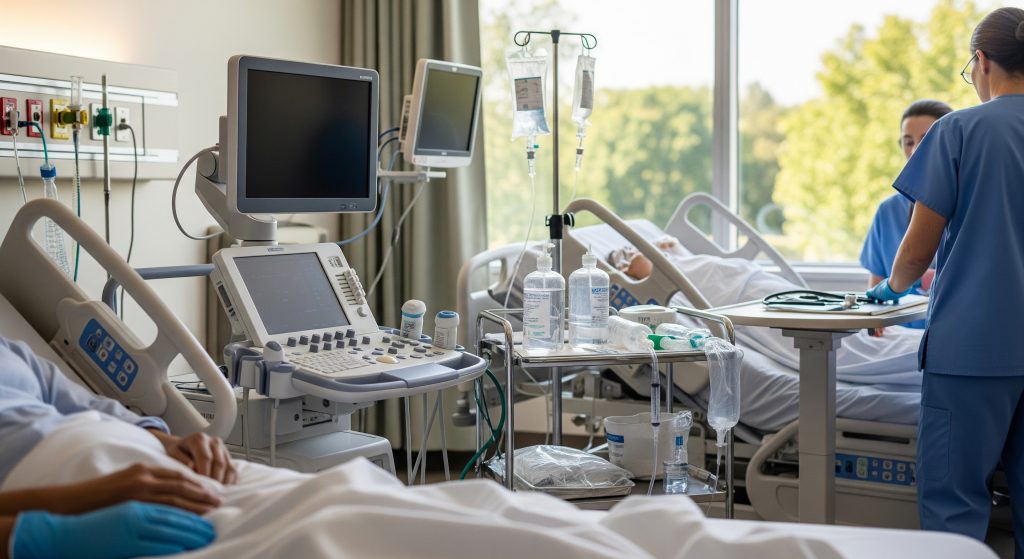
The thoracentesis procedure is both a diagnostic and therapeutic mainstay in Pleural Effusion Treatment. As StatPearls notes, it relieves breathlessness and yields fluid for analysis. You gain clarity on whether the effusion is transudative or exudative, which then shapes subsequent care.
Safety depends on operator skill and ultrasound guidance. As Thoracentesis – Step by Step reports, ultrasound-guided taps are typically well tolerated. Complications, including pneumothorax, fall with correct technique and appropriate needle choice.
-
Primary uses: symptom relief and establishing pleural fluid characteristics.
-
Key risks: pneumothorax, bleeding, re-expansion pulmonary oedema.
-
Practical tip: plan post-procedure monitoring and repeat imaging when indicated.
Evidence is evolving. As Circulation reported in the TAP-IT trial, thoracentesis added to standard therapy in acute heart failure did not change length of stay or mortality. The signal here is careful selection. Not reflex.
Chest Tube Insertion
Chest tube insertion supports Pleural Effusion Treatment when continuous drainage is required, or when infection complicates the picture. As StatPearls explains, tubes remove air, blood, or fluid and let the lung re-expand. Multidisciplinary oversight improves monitoring and removal timing.
Technique matters. As PubMed guidance highlights, placement is usually in the fourth or fifth intercostal space to reduce complications. Local anaesthesia, a small incision, blunt dissection, and correct positioning are the basics you expect.
-
Common indications: empyema, large recurrent effusions, postoperative drainage.
-
Care priorities: keep the tube patent, observe output trends, confirm position.
-
Escalation: convert to suction if passive drainage underperforms.
Post-insertion care is not optional. As MedlinePlus summarises, vigilant observation for leak, malposition, or infection protects you from avoidable setbacks.
Medication Management
Medication supports Pleural Effusion Treatment by reducing symptoms and addressing specific aetiologies. As PMC notes, strategies differ by transudate versus exudate. Diuretics help in heart failure, and antibiotics address parapneumonic effusions.
For malignant effusions, analgesia and systemic therapy are integral to comfort and control. As TIME1 indicates, robust pain control in malignant disease often requires opioid or NSAID regimens tailored to tolerance. You treat pain seriously to keep function intact.
-
Infection: antibiotics guided by culture and clinical course.
-
Heart failure: diuretics with careful renal and electrolyte monitoring.
-
Inflammation: consider steroids when indicated by the cause.
As Temple Health also summarises, targeted medication is not an afterthought. It is often the difference between a transient improvement and sustained stability.
Pleurodesis Treatment
Pleurodesis is a definitive technique in Pleural Effusion Treatment when recurrence is the problem, particularly in malignant effusions. As StatPearls explains, chemical agents such as talc create pleural adhesion and eliminate the space where fluid collects.
Efficacy is well established in malignant disease. As PubMed reviews, talc pleurodesis shows high success with low recurrence. It remains the commonest agent due to effectiveness and cost balance.
-
Best fit: recurrent malignant effusion with reasonable performance status.
-
Process: drain the effusion, instil sclerosing agent, maintain apposition.
-
Consideration: benign effusion pleurodesis is more controversial.
Indwelling catheters are a viable alternative. As PubMed notes, quality of life outcomes are comparable between indwelling catheters and pleurodesis. Selection hinges on your priorities, comorbidities, and care context.
Surgical Interventions
When less invasive options underperform, surgery expands Pleural Effusion Treatment options. As PMC details, video-assisted thoracoscopic surgery enables decortication, mechanical pleurodesis, and targeted biopsies. It is pragmatic and effective in selected cases.
In malignant pleural effusions, thoracoscopy with talc poudrage remains widely used. As PubMed underscores, talc pleurodesis is often the anchor intervention to minimise recurrence. Patient selection is the first decision, not the last.
-
VATS decortication for trapped lung or organised empyema.
-
Pleurectomy in refractory, non-malignant scenarios (carefully selected).
-
Biopsy to close diagnostic gaps and direct oncological therapy.
Postoperative vigilance matters. As PMC notes, infection control and re-accumulation surveillance are central to sustained benefit.
How Pleural Effusion Treatments Work
Drainage Mechanism and Fluid Removal
Drainage restores mechanics, but the physiology is nuanced. As PubMed notes, lung re-expansion after drainage is not strictly proportional to volume removed. Hypoxaemia may also lag behind drainage, which warrants continued monitoring.
Thoracentesis and tube thoracostomy are the core tools in Pleural Effusion Treatment. As PMC discusses, your choice depends on fluid characteristics and clinical stability. Diagnostic yield and symptom relief sit together in the decision.
-
Goal: remove compressive load, improve ventilation, enable sampling.
-
Constraint: avoid rapid large-volume removal in high-risk patients.
-
Adjunct: oxygen, analgesia, and imaging guide safe progress.
For repeated malignant drainage, outpatient solutions matter. As PMC explains, indwelling pleural catheters can reduce admissions while maintaining symptom control. This is care that respects time as well as outcomes.
Managing Underlying Pleural Effusion Causes
Pleural Effusion Treatment fails if the cause is neglected. As PubMed emphasises, management hinges on a thorough differential diagnosis. Heart failure, cancer, pneumonia, and pulmonary embolism demand distinct pathways.
Diagnostic completeness protects you from guesswork. As StatPearls summarises, distinguishing transudate from exudate is pivotal to triage and therapy. VAT, when needed, lifts diagnostic certainty in complex cases.
-
Heart failure: optimise diuresis, afterload, and rhythm control.
-
Malignancy: coordinate oncology input early, including systemic options.
-
Infection: ensure adequate antimicrobial coverage and source control.
Where initial tests stall, video-assisted thoracoscopy has value. As PubMed reports, VAT yields conclusive diagnoses in roughly 82% of indeterminate cases. That efficiency shortens the path to targeted care.
Preventing Fluid Re-accumulation
The long game in Pleural Effusion Treatment is stopping the cycle. As StatPearls explains, pleurodesis removes the anatomic space for fluid to collect. Early intervention may also improve success rates.
For malignant effusions, care models that blend outpatient drainage and timely pleurodesis can be efficient. As PubMed suggests, early catheter use with regular drainage and subsequent talc pleurodesis may cut readmissions. It is pragmatic in resource-constrained settings too.
-
Use indwelling catheters when frequent taps are likely.
-
Aim for early pleurodesis once lung apposition is achievable.
-
Minimise repeated taps that complicate later sclerotherapy.
Guideline logic is consistent. As STANDARD TREATMENT GUIDELINES note, evaluation and recurrence prevention are joint priorities. Treat causes and close the space. Both matter.
Treatment Success Indicators
Successful Pleural Effusion Treatment shows up in symptoms, imaging, and activity level. As StatPearls highlights, effective thoracentesis should deliver reduced dyspnoea and improved chest expansion. You should see functional gains, not just a normalised film.
Chronic organised effusions have their own trajectory. As JTD reports, decortication can enable significant re-expansion and better survival in selected non-malignant cases. That is not universal. It is patient specific.
|
Indicator |
What to look for |
|---|---|
|
Symptom change |
Less dyspnoea at rest and on exertion within days. |
|
Imaging |
Reduced fluid level, improved aeration, no trapped lung. |
|
Function |
Longer walk distance, fewer pauses, steadier oxygenation. |
|
Recurrence |
No re-accumulation at scheduled follow-up intervals. |
One more sign counts. Confidence to return to normal routines. It is often the truest marker.
Treatment Selection Based on Patient Factors
Age-Specific Treatment Considerations
Age modifies risk and benefit in Pleural Effusion Treatment. As Medscape notes, elderly patients may respond differently to drainage volumes and analgesia. Frailty and renal reserve shape diuretic dosing and observation thresholds.
Differentiating effusion type still leads decision making. As Archivos de Bronconeumología summarises, symptom profiles and prognosis vary with age and cause. This argues for conservative hypotheses tested by data, not assumptions.
-
Older adults: slow volume removal and careful mobilisation.
-
Younger adults: early definitive strategies if recurrence is likely.
Severity and Pleural Effusion Symptoms
Escalation correlates with disease burden and pleural effusion symptoms. As StatPearls notes, dyspnoea and pleuritic chest pain are the usual triggers to intervene. Symptom intensity and oxygenation guide how fast you proceed.
Costs and procedure intensity climb with volume and complexity. As PubMed observed, significant effusions often require invasive procedures, with costs from $10,616 for tubes to $15,170 for catheters. Financial impact matters to patients and systems.
-
Red flags: multilobar infection, leukocytosis, persistent fevers.
-
Imaging cues: loculations, septations, or trapped lung physiology.
The take-home is simple. Severity is not guesswork. Measure it, and treat accordingly.
Chronic vs Acute Cases
Acute effusions usually track a discrete cause and improve with targeted therapy and drainage. Chronic or recurrent effusions demand a recurrence strategy and sometimes surgical input. Pleural Effusion Treatment shifts from rescue to prevention in chronic courses.
-
Acute: control infection or heart failure and drain for comfort.
-
Chronic: consider indwelling catheter or pleurodesis early.
A trapped lung is a different problem. It requires decortication or palliation, not repeated taps.
Treatment Risks and Complications
Every intervention has a risk profile, and transparency builds trust. As PMC reports, chest tube complications can reach 25% without standardised protocols. Malposition, recurrent pneumothorax, and infection dominate the list.
Talc pleurodesis is widely used for malignant effusions with good safety. As Journal of Clinical Medicine concludes, talc slurry pleurodesis reduces recurrence reliably when executed properly. Technique and aftercare remain decisive.
-
Procedural: bleeding, organ injury, subcutaneous emphysema.
-
Post-procedural: fever, pain flare, re-expansion pulmonary oedema.
-
Mitigation: ultrasound guidance, checklists, and escalation criteria.
Recovery and Long-term Management
Post-Procedure Care Guidelines
Recovery starts with structured analgesia and monitoring. As PubMed confirms, multimodal analgesia improves outcomes and reduces opioid burden. Use paracetamol, NSAIDs when safe, and local measures judiciously.
Home instructions matter. As MyHealth Alberta advises, rest for several days, maintain hydration, and watch the site for redness or discharge. Contact your team if breathlessness worsens or fever develops.
-
Check the dressing daily and keep the site dry as instructed.
-
Use breathing exercises to prevent atelectasis and stiffness.
-
Resume activity in stages, with clear limits set in advance.
As Cleveland Clinic notes, monitor for signs of re-accumulation, including rising breathlessness and new chest discomfort. Early reporting prevents bigger issues.
Monitoring and Follow-up Schedule
Follow-up is part of Pleural Effusion Treatment, not a courtesy. As StatPearls outlines, plans typically include clinical review, imaging, and cause-directed labs. Frequency depends on severity and the risk of recurrence.
|
First review |
Within 1 to 2 weeks post-procedure or earlier if symptoms recur. |
|
Imaging |
Chest X-ray to confirm resolution and rule out trapped lung. |
|
Cause tracking |
Heart failure markers, infection parameters, or oncology review. |
|
Device checks |
Catheter site inspection and output trends if a drain remains. |
Keep the cadence predictable. Stability follows structure.
Lifestyle Modifications
Long-term stability improves with sensible routines. As National Jewish Health recommends, a balanced diet and absolute avoidance of tobacco support lung health. Alcohol moderation helps when diuretics are used.
Rehabilitation is more than walking. As PhysioPedia notes, physiotherapy assists with secretion clearance and breathing technique. It reduces complications and restores confidence.
-
Prioritise paced activity and incremental increases in endurance.
-
Use incentive spirometry if prescribed to maintain lung volumes.
-
Adopt sleep positions that reduce dyspnoea, including head elevation.
As Temple Health adds, lifestyle change is complementary to pleurodesis or catheter strategies. Small habits compound over months.
When to Seek Emergency Care
Know the thresholds. As Mayo Clinic advises, severe shortness of breath, chest pain, confusion, or blue lips warrants immediate attention. Sudden symptoms after long inactivity also require urgent evaluation.
Recognise pattern changes. As Cleveland Clinic notes, pleural effusion can worsen quickly and cause lung damage if ignored. Sharp chest pain that worsens with breathing is not for home observation.
-
Call emergency services for new severe breathlessness or chest pain.
-
Seek urgent care if drainage output stops abruptly with rising pain.
-
Report fever, purulent drainage, or spreading redness at once.
Better one unnecessary check than one missed crisis.
Making Informed Decisions About Pleural Effusion Treatment
Decisions improve when options are structured and priorities are explicit. Start with cause identification and symptom severity. Then match interventions for relief, recurrence prevention, and quality of life.
It is basically three questions. What is causing the fluid. How quickly must relief occur. How can recurrence be minimised.
Use specialist language when it helps align teams. CAC is vital in business; in this field, Light’s Criteria is the quick triage tool for exudate versus transudate (protein and LDH thresholds guide you fast). Confirm with the lab, then choose the path. And yet, remain flexible. Patients are not averages.
-
State your goals: symptom relief now, cause control next, recurrence prevention always.
-
Match the tool: thoracentesis for diagnosis and relief, chest tube insertion for continuous drainage, pleurodesis for recurrence.
-
Plan the aftercare: analgesia, physiotherapy, and scheduled follow-up.
Pleural Effusion Treatment is not a single act. It is a sequence. Done well, it returns stability and confidence.
Frequently Asked Questions
How painful is thoracentesis procedure?
Discomfort is usually modest with local anaesthesia and calm positioning. As Thoracentesis – Step by Step notes, ultrasound-guided procedures are generally well tolerated. Brief pressure or a pulling sensation is typical rather than sharp pain.
Can pleural effusion return after treatment?
Yes, recurrence is possible, especially in malignant or heart failure related cases. Pleurodesis or an indwelling catheter can reduce repeat episodes as PubMed discusses. Managing pleural effusion causes lowers recurrence risk further.
How long does chest tube insertion recovery take?
Most patients recover baseline function within one to two weeks after removal, assuming no infection or trapped lung. Careful site care and breathing exercises speed the process, which supports overall Pleural Effusion Treatment outcomes.
What happens if pleural effusion is left untreated?
Symptoms often worsen, and infection or lung entrapment can develop. As Cleveland Clinic warns, delayed care risks permanent impairment. Early assessment prevents escalation.
Can children undergo the same treatments as adults?
Principles are similar, but dosing, device sizes, and thresholds differ. Paediatric teams adjust volumes and analgesia carefully and tailor imaging and monitoring to age and weight. Specialist oversight is essential for safety and efficacy.

