





 We do what's right for you...


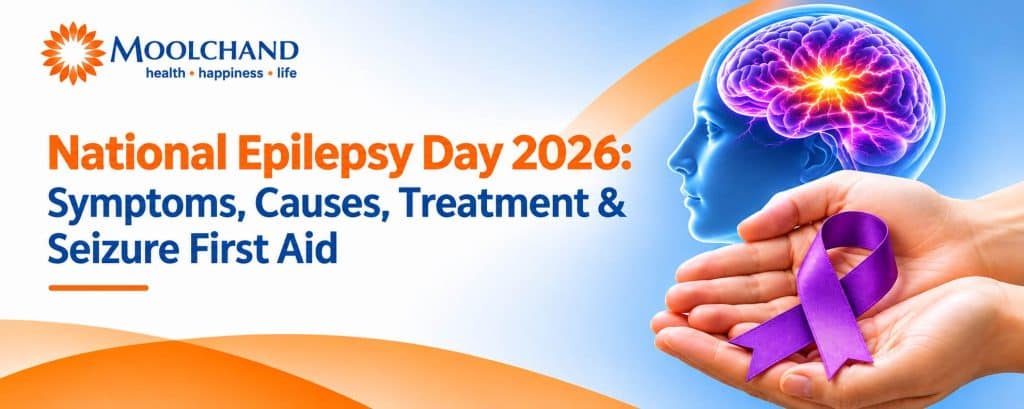
National Epilepsy Day 2026: Symptoms, Causes, Treatment & Seizure First Aid
Dr. Shishir Pandey
Epilepsy is a brain condition that causes repeated seizures. Many people still fear it or hide it. However, most people with epilepsy can live active lives with the right care. National Epilepsy Day 2026 is a chance to learn the facts. This guide explains epilepsy in simple words, from symptoms to treatment.
What Is National Epilepsy Day?
National Epilepsy Day is observed to raise awareness about epilepsy. The Epilepsy Foundation of India began the observance in India. It focuses on understanding seizures, reducing stigma and encouraging early treatment. Schools, hospitals and communities hold talks and screening camps. Please confirm the exact date and theme with the foundation before publishing.
National Epilepsy Day 2026 Theme and Focus
The national epilepsy day 2026 theme is announced by the organisers each year. The campaign usually highlights diagnosis, care and social acceptance. Many awareness messages say that timely treatment prevents many seizures. Share the official theme once it is confirmed. Families and workplaces can use the theme to start conversations.
When Is National Epilepsy Day?
Epilepsy Foundation of India sources point to 17 November for National Epilepsy Day in India.
Important Facts About Epilepsy
The numbers show why awareness matters. The World Health Organization reports more than 50 million people with epilepsy worldwide. India carries a large share of this burden. Most people with epilepsy live in low and middle income countries. Access to diagnosis and treatment can be limited there. Good care can lead many people to become seizure-free.
Epilepsy Meaning and Basic Understanding
Epilepsy meaning refers to a tendency to have repeated, unprovoked seizures. A seizure happens when brain cells send sudden, excess electrical signals. A single seizure does not always mean epilepsy. Doctors usually diagnose epilepsy after two or more unprovoked seizures. Tests help confirm the diagnosis and the type of seizure.
Epilepsy Symptoms: What Seizures Look Like
Epilepsy symptoms depend on the part of the brain involved. Some seizures are brief, while others last longer. Common signs include:
- Staring blankly for a few seconds
- Sudden jerking of arms or legs
- Loss of consciousness or awareness
- Confusion after the seizure
- Unusual taste, smell or feelings before a seizure
- Temporary loss of bladder or bowel control
Many people do not remember the seizure afterwards. Family members often notice the first signs.
Epilepsy Symptoms in Adults
Epilepsy symptoms in adults can appear at any age. Adults may have sudden falls, blank spells or confusion. They may feel very tired after a seizure. Some notice memory problems or mood changes. Seizures during driving or working at heights are dangerous. Adults should discuss safety with their doctor.
Epilepsy Symptoms in Children
Epilepsy symptoms in children may look different from adult signs. A child may stare or stop moving for a short time. Some children have brief jerks in the face or limbs. Learning problems or attention issues can appear in some cases. Parents should record the events and show them to a doctor. Early diagnosis helps children learn and grow well.
Epilepsy Causes: Why It Happens
Epilepsy causes vary widely. Some people have a genetic link. Others develop epilepsy after a brain injury, stroke or infection. Brain tumours and brain development problems can also play a role. Sometimes the cause remains unknown. Doctors investigate the cause with scans and tests. Knowing the cause guides the right treatment.
Epilepsy Treatment Options
Epilepsy treatment aims to stop or reduce seizures. Most people start with anti-seizure medicines. These medicines work best when taken daily and on time. Doctors adjust the dose and type based on response. Some people may need surgery or a special diet. Others may benefit from a device. Never stop medicines suddenly without medical advice.
First Aid During a Seizure
Knowing first aid can protect the person during a seizure. Follow these steps:
- Stay calm and time the seizure.
- Move objects away and cushion the head.
- Turn the person onto one side.
- Do not put anything in the mouth.
- Do not hold the person down.
- Call emergency help if the seizure lasts more than five minutes.
Stay with the person until they recover fully. Offer reassurance and gentle guidance.
Living Well With Epilepsy
Many people with epilepsy work, study and travel normally. Good sleep, regular medicines and stress control help prevent seizures. Avoid known triggers, such as missed doses or alcohol. Follow safety rules around water, heights and driving. Support groups can help people share experiences. Families can also learn about epilepsy together.
Epilepsy Awareness Day: How You Can Help
Epilepsy awareness day reminds everyone to respect people with epilepsy. Speak kindly and avoid myths. Learn basic first aid. Support local epilepsy programmes and campaigns. Encourage people to seek care early. Small actions reduce stigma and fear in the community.
Finding Care You Can Trust Close to Home
When seizures start, finding the right care can feel stressful. Many families begin their search for a neuro hospital in Delhi that understands brain conditions. Look for neurologists, EEG testing and MRI scans in one place. A calm, well-organised team makes every visit easier. Ask how the team plans follow-up care. Clear answers help you feel more in control.
How to Choose the Right Brain and Nerve Specialist
Picking a doctor is a personal decision. Many families search for the best neurology hospital in Delhi after seizures begin. Start by asking whether the hospital runs an epilepsy clinic. Check if EEG and other brain tests are done on site. A good best neurologist in Delhi will explain your reports in plain words. They will also talk openly about medicine side effects. Feel free to ask questions until you feel sure.
Private Hospital in Delhi or Government Hospital?
A Private Hospital in Delhi often offers faster appointments and private rooms. However, costs can be higher. Government hospitals usually charge less, but waiting times may be longer. Compare costs, facilities and urgency before deciding. Do not delay care for repeated seizures while comparing options.
Choosing Among Delhi Hospitals
Many families compare delhi hospitals before choosing care. Ask which hospital offers the best hospital in Delhi service for seizures. Ask whether it has neurology, emergency and imaging services in one place. Check whether the team offers EEG and MRI on site. Ask about the cost estimate in advance. Moolchand Kharaiti Ram Hospital is JCI and NABH accredited. Accreditation means that standards are checked regularly.
When Should You See a Doctor?
Seek medical advice promptly if you notice these signs:
- A first seizure or any new seizure
- Seizures that last longer than five minutes
- Seizures that happen one after another without recovery
- Injury, breathing trouble or confusion after a seizure
- Seizures during pregnancy
Conclusion
National Epilepsy Day 2026 reminds us that epilepsy is treatable for many people. Early diagnosis, daily medicines and kind support change lives. Learn the signs, share accurate facts and encourage timely care.
Talk to our doctors: Call +91 11 4200 0000
Frequently Asked Questions
What is National Epilepsy Day?
It is a day that raises awareness about epilepsy. It focuses on understanding seizures and reducing stigma.
When is National Epilepsy Day in India?
Sources linked to the Epilepsy Foundation of India mention 17 November. Confirm the date with official sources.
What is the epilepsy meaning in simple words?
Epilepsy is a condition with repeated seizures caused by sudden electrical activity in the brain.
What are the main epilepsy symptoms?
Staring spells, jerking movements, loss of awareness and confusion after a seizure are common signs.
What are epilepsy symptoms in children?
Short staring spells, brief jerks and attention or learning problems can appear in children.
What are the common epilepsy causes?
Genetic factors, brain injury, stroke, infection and brain tumours can cause epilepsy. Sometimes the cause is unknown.
What is epilepsy treatment?
Anti-seizure medicines are the main treatment. Some people need surgery, a special diet or a device.
Can people with epilepsy live a normal life?
Yes. Many people work, study and travel normally with proper treatment and care.
What should I do during a seizure?
Stay calm and protect the head. Turn the person on one side. Call for help if it lasts over five minutes.
Which doctor should I see for epilepsy?
Start with a general physician. A neurologist diagnoses and manages epilepsy in detail.