






 We do what's right for you...


Key Diverticulitis Symptoms and When to Seek Treatment
Dr. Prajwal S
Common advice says abdominal pain with a bit of fever is just a bug. That guidance can be risky when the pain is localised, persistent, and coupled with bowel changes. This is where Diverticulitis Symptoms deserve your full attention. This guide clarifies what to look for, how to respond, and how your diet and care plan fit together. It is basically a practical reference you can act on.
Common Diverticulitis Symptoms
1. Abdominal Pain and Tenderness
Lower left abdominal pain is the signature feature most clinicians expect to see. As NCBI summarises, the pain often concentrates in the left lower quadrant and can come with fever and bowel changes. The area may feel tender to touch and sore during movement or coughing.
When inflammation spreads, systemic features may appear. As Mayo Clinic notes, marked left lower quadrant tenderness can accompany signs of infection. If the pain is severe or escalating, you should treat it as urgent.
-
Typical location: left lower abdomen.
-
Character: steady, often sharp with movement.
-
Worsening factors: meals, constipation, or jarring motions.
One simple check helps. Lightly press the area, release, and see if rebound soreness occurs. Significant tenderness warrants medical review.
2. Changes in Bowel Habits
Diverticulitis Symptoms commonly include shifts toward constipation, diarrhoea, or alternating patterns. As StatPearls explains, inflamed diverticula can disrupt normal motility and irritate the colon lining. That irritation changes stool consistency and frequency.
You may notice smaller, harder stools or urgent loose stools. Either pattern can occur, sometimes in the same week. Hydration and short-term diet adjustments help, but persistent change requires evaluation.
-
Constipation with straining or incomplete emptying.
-
Diarrhoea with urgency and mild cramping.
-
Feeling of bloating after bowel movements.
The point is simple. New or worsening bowel changes plus localised pain suggest active inflammation.
3. Fever and Chills
Fever and chills signal an inflammatory response. As Colorectal Emergencies reviews, temperature elevation can track with disease severity and may hint at complications such as perforation. Persistent fevers should not be ignored.
Take a measured approach. Record temperatures twice daily and note any spikes. If the temperature is high, or if you feel increasingly unwell, seek urgent assessment.
-
Fever often accompanies abdominal pain and bowel changes.
-
Shaking chills may indicate deeper infection.
-
Night sweats can appear during flare-ups.
These systemic signs matter. They can mark the pivot from mild inflammation to complicated disease.
4. Nausea and Vomiting
Nausea and vomiting often ride alongside abdominal pain. As StatPearls notes, the symptoms reflect irritation, partial obstruction, or simply the body’s response to pain. Vomiting more than once or twice should prompt clinical advice.
If you cannot keep fluids down, dehydration can follow quickly. Start with sips of water or oral rehydration. Escalate care if intake remains poor.
-
Short episodes may settle with rest and clear fluids.
-
Persistent vomiting risks electrolyte imbalance.
-
Severe pain plus vomiting raises concern for complications.
In practice, nausea with localised pain is a red flag that deserves a lower threshold for medical review.
5. Bloating and Gas
Bloating and excess gas are common during a flare. As Mayo Clinic notes, inflammation can increase gas, slow transit, and cause abdominal distension. The result is pressure, discomfort, and a sense of fullness.
Gentle movement, warm compresses, and a short period on a low-residue plan can help. Avoid carbonated drinks and high-fat meals when bloated, as they can aggravate symptoms.
-
Fullness before or after bowel movements.
-
Audible gut sounds with mild cramps.
-
Clothing feeling tighter through the day.
Bloating alone is non-specific. Bloating plus the other Diverticulitis Symptoms builds a clearer picture.
6. Blood in Stool
Blood in the stool requires prompt attention. As StatPearls explains, diverticular bleeding can be painless and intermittent, yet the volume may be significant. Even small amounts of blood justify a call to your clinician.
Fresh red blood suggests a lower gastrointestinal source. Dark, tarry stools suggest upper tract bleeding, which is a different problem entirely. Either warrants care.
-
Track frequency and estimated volume of bleeding.
-
Note associated symptoms like dizziness or weakness.
-
Avoid NSAIDs until cleared by a clinician.
Heavy bleeding is an emergency. Do not delay care.
Treatment Options for Diverticulitis
Antibiotic Treatment Protocols
Antibiotics are used selectively, not automatically. As AAFP outlines, immunocompetent patients with uncomplicated disease may recover without antibiotics, focusing on bowel rest and hydration. This approach reduces unnecessary antimicrobial exposure.
When indicated, treatment should cover gram-negative and anaerobic organisms. As National Treatment Guidelines detail, common targets include E. coli and Bacteroides fragilis. Outpatient regimens often combine metronidazole with a fluoroquinolone or trimethoprim-sulfamethoxazole.
-
Uncomplicated illness: consider observation plus supportive care.
-
Complicated illness: antibiotics are standard, sometimes intravenous.
-
Reassess after **48** hours for clinical response.
Diverticulitis antibiotics should be tailored to severity and risk factors. Imaging guides that decision in many cases.
Pain Management Strategies
Aim for adequate analgesia without masking deterioration. As Cleveland Clinic advises, paracetamol is preferred, while NSAIDs may increase risks in diverticular disease. A brief clear liquid phase can reduce mechanical strain on the colon.
Adjunct measures can help. As Houston Methodist suggests, rest, heat packs, and gentle mobility can settle spasms and discomfort.
-
Use paracetamol first line for pain control.
-
Reserve opioids for refractory cases and short courses.
-
Revisit pain daily to ensure the trend is improving.
Effective pain control is part of good diverticulitis treatment. It also helps you maintain hydration and nutrition.
Surgical Interventions
Surgery addresses complications or repeated severe attacks. As Mayo Clinic notes, indications include abscess not responsive to drainage, perforation with peritonitis, or obstruction. Laparoscopic procedures are often preferred for faster recovery.
The operation commonly involves resection of the diseased sigmoid colon. As Cleveland Clinic explains, a sigmoid colectomy may be followed by primary anastomosis. Occasionally an ostomy is required, usually temporary.
-
Elective surgery for recurrent complicated episodes.
-
Emergency surgery for perforation or uncontrolled sepsis.
-
Robotic approaches may shorten recovery in selected patients.
Diverticulitis surgery is not one-size-fits-all. Surgical planning should reflect your risks, goals, and anatomy.
Hospital vs Home Treatment
Many stable cases can be managed at home under close review. As Management of Acute Uncomplicated Diverticulitis concludes, outpatient care can be safe with careful monitoring and clear return precautions. Oral regimens, if used, are usually adequate.
Hospital care suits those with severe pain, systemic upset, or complications. As Current Options in Emergency Management notes, outcomes are similar for selected outpatients, while inpatients may need intravenous therapy and fluid support.
-
Outpatients: stable vitals, reliable follow-up, mild symptoms.
-
Inpatients: sepsis, uncontrolled pain, or inability to tolerate fluids.
-
Reassessment window: usually **24 to 72** hours.
Clinical trajectory drives the plan. If your condition worsens, escalate without delay.
Recovery Timeline and Expectations
Uncomplicated flares may improve within a week. As Verywell Health outlines, more complex cases take longer and may require hospital care or procedures. Recovery speed varies with age, comorbidities, and baseline fitness.
After surgery, timelines differ. As Vanderbilt Health notes, laparoscopic approaches often shorten hospital stay and hasten return to activity. Resume normal routines gradually and follow dietary guidance to avoid setbacks.
-
Expect fatigue as inflammation resolves.
-
Scale activity in small increments daily.
-
Adopt fibre intentionally in the later recovery phase.
Think in phases. Settle the flare, then rebuild habits that reduce recurrence.
Diverticulitis Diet Guidelines
Foods to Eat During Flare-ups
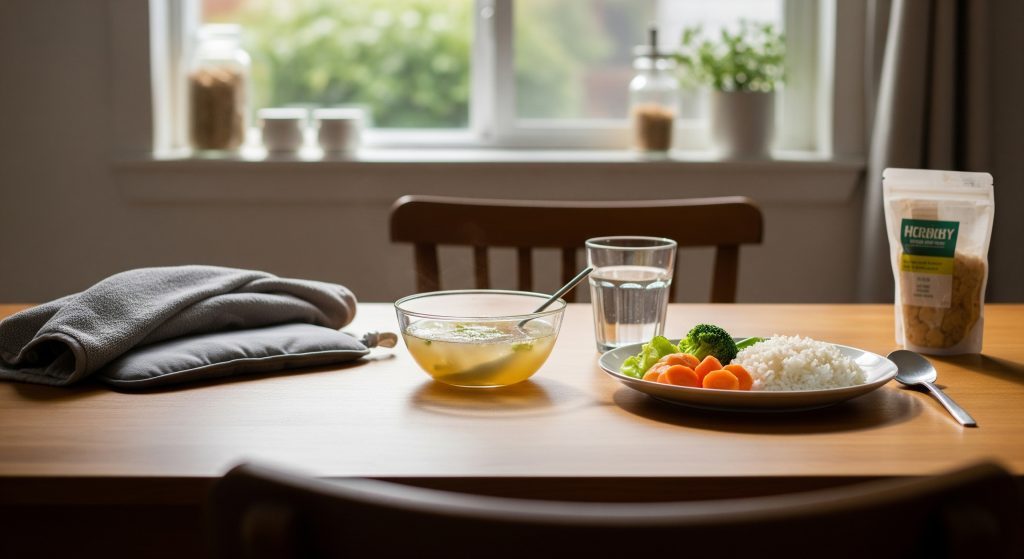
Short-term bowel rest calms inflamed tissue. As NCBI advises, a clear liquid phase with water, broth, and pulp-free juices is a reasonable start. As symptoms ease, move toward low-fibre, soft foods.
The progression is simple and structured. As Northwestern Medicine suggests, use cooked vegetables, soft fruits, white rice, and tender proteins while you recover.
-
Phase 1: clear liquids for symptomatic relief.
-
Phase 2: low-fibre staples like white bread and eggs.
-
Phase 3: gradual reintroduction of tolerated solids.
This is your practical diverticulitis diet during an active flare. Keep it simple.
Foods to Avoid
During a flare, high-fibre foods can be provocative. As Management Guidelines state, whole grains, raw salads, and seeds may worsen symptoms in the short term. Reduce fat and ultra-processed foods as well, which can slow gastric emptying.
There is a persistent myth about nuts and seeds. As Annals of Gastroenterology reports, evidence does not support avoiding nuts, seeds, or popcorn outside of acute flares. Long term, these foods can be part of a balanced plan.
-
Avoid tough skins and raw roughage during flares.
-
Skip spicy, greasy, and heavily fried foods.
-
Limit alcohol until symptoms resolve.
Short-term restriction is tactical. Reintroduction comes later and should be deliberate.
Clear Liquid Diet Protocol
A temporary clear liquid plan supports hydration and rest. As Mayo Clinic notes, suitable choices include water, broth, pulp-free juices, tea, and gelatine. The goal is symptom relief, not long-term nutrition.
Clinical guidance is consistent. As AGA Clinical Update indicates, a clear liquid period can reduce gastrointestinal irritation during acute symptoms. Transition once pain and fever settle.
-
Duration: usually **24 to 72** hours, depending on response.
-
Monitor: hydration status and urine colour.
-
Exit criteria: decreasing pain and improved appetite.
Use this phase purposefully. Then step forward in your diverticulitis diet with low-fibre foods.
Transitioning to Regular Diet
Advance methodically as pain and bloating diminish. As Mayo Clinic advises, move from clear liquids to low-fibre foods, then to higher fibre choices as tolerated. Hydration supports every stage.
During the low-fibre phase, starchy foods and soft proteins work best. As Northwestern Medicine suggests, reintroduce cooked vegetables slowly and watch for bloating or cramps.
-
Stabilise on low-fibre meals for several days.
-
Add cooked vegetables and soft fruit in small portions.
-
Return to your usual high-fibre baseline over **1 to 2** weeks.
This staged approach prevents a bounce back of symptoms. It is cautious and effective.
Long-term Dietary Prevention
Prevention is largely dietary and lifestyle based. As Nutrients reports, higher fibre intake from fruits, vegetables, and cereals is associated with lower risk of diverticulitis and complications. High red meat intake increases risk, at least in many analyses.
Practical tactics matter more than theory. As BMJ Nutrition, Prevention & Health highlights, fibre intake appears inversely related to diverticular complications. Aim for steady daily fibre rather than sporadic high intakes.
|
Goal |
Action |
|---|---|
|
Daily fibre baseline |
Target **25 to 30** grams from whole foods |
|
Hydration |
At least **6 to 8** glasses of water daily |
|
Protein balance |
Favour fish and poultry over processed red meats |
|
Routine |
Regular meals and unhurried chewing |
Build a sustainable baseline. Diet is not everything, but it moves the needle.
When to Seek Medical Treatment
Emergency Warning Signs
Some patterns warrant immediate care. As Cleveland Clinic lists, persistent lower abdominal pain with fever, chills, nausea, or rectal bleeding deserves urgent evaluation. Delays increase the risk of abscess, obstruction, or worse.
Another signal is deterioration after an initial lull. If pain recedes, then returns sharper with fever, escalate care quickly. Trust that change. It often signals a complication.
-
Severe pain unresponsive to paracetamol.
-
High fever or rigors, especially with dizziness.
-
Heavy bleeding or black stools.
These are clear thresholds. Use them without hesitation.
Complications Requiring Immediate Care
Complications can progress quickly. As MD Premier warns, perforation, abscess, or uncontrolled bleeding require urgent intervention to prevent sepsis. Similar symptoms can overlap with appendicitis or malignancy, which raises the stakes.
Complication risk rises with immunosuppression, advanced age, or prior complicated flares. Present early, especially if any of these apply.
-
Peritonitis signs: rigid abdomen, severe constant pain.
-
Abscess signs: high fever with focal tenderness and sepsis markers.
-
Obstruction signs: vomiting with inability to pass gas or stool.
Here is the practical rule. If you think it is bad, it probably is. Seek care.
Chronic vs Acute Symptoms
Acute diverticulitis arrives fast and hits hard. As Cleveland Clinic explains, chronic diverticulitis involves recurring pain and low-grade inflammation between flares. Management differs for each pattern.
Acute episodes demand rest, diet modification, and sometimes antibiotics. Chronic symptoms call for lifestyle work and possibly specialist input to evaluate strictures or smouldering inflammation.
-
Acute: sudden pain, fever, and marked tenderness.
-
Chronic: intermittent discomfort with bowel habit drift.
-
Recurrent complicated disease may justify elective surgery.
Classify the pattern correctly. It shapes the plan and the follow-up.
Diagnostic Tests and Procedures
Imaging clarifies diagnosis and severity. As RadiologyInfo notes, CT scans confirm diverticulitis and stage complications, often with oral and intravenous contrast for clarity. This guides whether to observe, prescribe, drain, or operate.
Ultrasound can be useful, though operator dependent. As Imaging Update reports, CT maintains higher overall accuracy for treatment planning in acute settings.
-
Bloods: full blood count, CRP, electrolytes.
-
CT abdomen and pelvis during significant flares.
-
Colonoscopy only after recovery in complicated cases.
Testing is not about box ticking. It is about choosing the right fork in the road.
Managing Diverticulitis Effectively
Effective management blends timely action, targeted therapy, and consistent habits. Start by recognising Diverticulitis Symptoms early. Stabilise with rest, hydration, and a staged diverticulitis diet. Use diverticulitis treatment options proportionately, reserving diverticulitis antibiotics for the situations where they help most.
Prevention is a daily practice. Build fibre steadily, favour movement, and keep a healthy weight. Alcohol, poor sleep, and erratic meals form a trio that can amplify risk. Fix those first before exotic supplements.
In healthcare terms, learn the jargon that matters. You live and die by your CRP trend (C-reactive protein, a marker of inflammation). If CRP rises with worsening pain, escalate. If it falls alongside symptom relief, the plan likely works.
And yet, there will be exceptions. Some cases smoulder despite textbook care. That is when specialist review, imaging, and possible diverticulitis surgery enter the discussion. Think in pathways and contingencies, not a single rigid plan.
-
Recognise early. Treat proportionately.
-
Recover methodically. Rebuild fibre slowly.
-
Prevent relapse with daily, boring consistency.
The aim is simple. Fewer flares, shorter episodes, better days.
Frequently Asked Questions
Can diverticulitis symptoms come and go?
Yes, Diverticulitis Symptoms can wax and wane, especially in milder cases. Pain and bowel changes may improve with rest and diet shifts, then return if you advance foods too quickly. This pattern also appears in chronic diverticular disease between flares. If symptoms recur repeatedly, discuss imaging and a prevention plan that includes fibre, movement, and careful follow-up.
How long do diverticulitis symptoms typically last?
Uncomplicated episodes often improve within about a week, though recovery varies by age and comorbidities. More complex cases take longer and may require antibiotics, drainage, or surgery. If pain and fever do not ease after **48 to 72** hours of supportive care, seek reassessment. Duration is a clue to severity and the right next step.
What triggers diverticulitis flare-ups?
The exact diverticulitis causes are multifactorial, involving altered gut motility, microbiome changes, and structural weak points in the colon. Triggers can include constipation, low habitual fibre, dehydration, and high red meat intake. Stress and poor sleep may contribute indirectly. No single factor explains every case, but addressing these risks helps lower future flares.
Can you prevent diverticulitis with diet alone?
Diet reduces risk, but it is not a guarantee. A high-fibre pattern with fruits, vegetables, and whole grains supports prevention to a large extent. Hydration and regular activity complement dietary changes. For some, genetics and anatomy still drive flares. Use diet as the foundation, then add medical strategies as needed.
Is diverticulitis hereditary?
There appears to be a familial component, though the degree varies across studies. Shared lifestyle and microbiome patterns likely interact with inherited traits. Treat family history as a risk marker, not destiny. Focus on modifiable behaviours, timely care, and sustained prevention tactics to mitigate that baseline risk.
What’s the difference between diverticulitis and diverticulosis symptoms?
Diverticulosis means diverticula are present but not inflamed, often with no symptoms. Diverticulitis means those pouches are inflamed or infected. Diverticulitis Symptoms include focal pain, fever, bowel changes, and sometimes bleeding. Diverticulosis may cause mild bloating or nothing at all. The management and urgency differ accordingly.
Next steps: If current symptoms align with Diverticulitis Symptoms, contact your clinician for assessment. Use a measured diverticulitis diet during flares, and ask whether diverticulitis antibiotics or imaging are indicated. If you have recurrent disease, discuss preventive strategies and whether diverticulitis surgery should be considered.

