






 We do what's right for you...


How to Use Glaucoma Eye Drops Effectively: A Step-by-Step Guide
Dr. Krishna Vaitheeswaran
Most advice on glaucoma care focuses on the medicine itself. That misses the larger point. Technique, timing, and consistency determine whether glaucoma eye drops deliver their full benefit. I will show the exact method I use and teach, why it works, and how to sustain it day after day.
Step-by-Step Guide to Administering Glaucoma Eye Drops
1. Preparing for Eye Drop Application
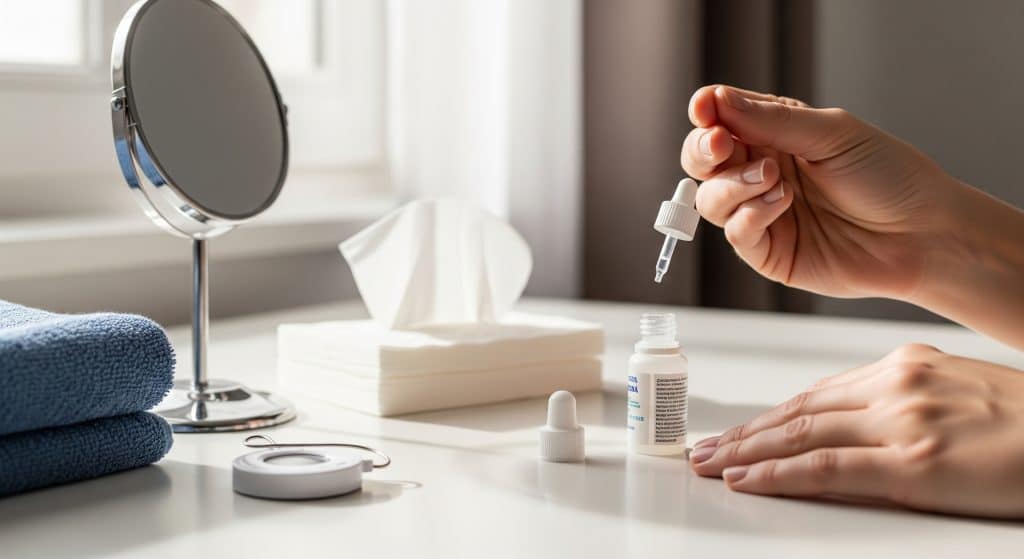
I start by setting up a clean, calm workspace. Good light helps me see the bottle tip and the lower lid pocket. I place tissues nearby and remove any contact lenses first. If the bottle is new, I check the seal and expiry date. I then read the label aloud to confirm the right medicine and eye. It sounds simple. It prevents the most common errors.
-
Confirm the drug name, concentration, and prescribed eye.
-
Shake the bottle if the label instructs it.
-
Remove caps carefully to avoid touching the dropper tip.
-
Keep a mirror ready if hand steadiness varies.
2. Proper Hand Washing Technique
Clean hands matter more than people assume. I wash with soap and water for at least 20 seconds, rinse well, and dry completely. Any residue can sting. I avoid alcohol gel immediately before handling the bottle, as it can irritate the eye if transferred. It is basic hygiene. It stops avoidable infections.
3. Positioning Your Head Correctly
Position sets up accuracy. I either lie flat or tilt my head back in a stable chair. My gaze goes slightly up. The goal is simple control, not speed. I keep my shoulders relaxed and rest my elbow on a firm surface. That stabilises the hand that holds the bottle. Stability first, drop second.
4. Creating a Pocket in Lower Eyelid
I use a clean finger to gently pull the lower eyelid down. This forms a small pocket without pressing on the eyeball. I keep the bottle tip about 1 to 2 centimetres above the pocket. The tip must not touch lashes, skin, or the eye. If it does, I clean it as directed or replace the cap and start again. Contamination risks both infection and reduced efficacy.
5. Instilling the Eye Drop
I look up and squeeze a single drop into the pocket. One drop is enough. Extra drops rarely improve pressure control and often increase waste and irritation. If a second drop is prescribed, I wait the advised interval. Accuracy beats volume.
-
If a drop misses, I do not guess. I repeat once.
-
I avoid blinking hard, which can push medicine out.
-
I recap the bottle immediately to protect the tip.
6. Closing Eye and Applying Pressure
After the drop lands, I close the eye gently. No squeezing. I then apply light pressure with a finger to the inner corner of the eye for 2 minutes. This is punctal occlusion. It reduces drainage into the nose and throat and keeps glaucoma eye drops where they work best. It also lowers the chance of systemic side effects.
-
Gentle eyelid closure preserves the tear film.
-
Punctal occlusion improves local absorption.
-
Set a timer to ensure a full 2 minutes.
7. Waiting Between Multiple Medications
When I use more than one eye drop, I separate them. I leave at least 5 minutes between different bottles. If one is a gel or ointment, I apply that last. Spacing prevents washout and preserves dosing accuracy. It is the most common fix when pressure control slips despite good adherence.
8. Storing Your Eye Drops Properly
I store bottles in a cool, dry place away from sunlight unless the label requires refrigeration. Temperature extremes degrade active ingredients. I keep the original box for instructions and batch details. When travelling, I use a small insulated pouch. Simple discipline protects the integrity of glaucoma eye drops.
Types of Glaucoma Eye Drops and Their Functions
Choosing a medicine is not guesswork. It reflects diagnosis, target pressure, systemic health, and tolerance. To keep this precise, I summarise the major classes below. This is the quick reference I rely on when explaining the options and the logic behind them.
Prostaglandin Analogues
These are once daily in most cases and reduce intraocular pressure by increasing uveoscleral outflow. They suit many patients due to strong efficacy and simple dosing. They can cause lash growth and periocular skin darkening. They may also cause mild redness. In practice, they are often first line.
Beta-Blockers for Glaucoma
These reduce aqueous humour production. They tend to be dosed once or twice daily. I check for asthma, COPD, bradycardia, and certain heart conditions before use. They work well but need careful screening. Respect the systemic profile, and they perform reliably.
Alpha Agonists
These both reduce production and increase outflow to some extent. Dosing is usually two to three times daily. They can cause allergic conjunctivitis in some individuals. I watch for fatigue or dry mouth. When tolerated, they are a useful adjunct.
Carbonic Anhydrase Inhibitors
These lower production of aqueous humour. Topical versions are usually dosed two to three times daily. I separate them from contact lens insertion to avoid lens deposits. They are versatile in combination regimens. Tablets exist but have more systemic considerations, so I prefer topical forms when suitable.
Rho Kinase Inhibitors
These improve trabecular outflow and can complement other classes. Redness is common. Some individuals notice corneal verticillata on examination. The mechanism is modern and promising. Selection depends on response and tolerance.
Combination Eye Drops
Fixed combinations reduce bottle burden and simplify routines. They are not necessarily the best eye drops for glaucoma for every person, but they help adherence. Fewer bottles often means fewer missed doses. Choice rests on individual response and side effect balance.
|
Class |
Primary Action |
|---|---|
|
Prostaglandin analogues |
Increase uveoscleral outflow |
|
Beta-blockers |
Reduce aqueous production |
|
Alpha agonists |
Reduce production and modestly increase outflow |
|
Carbonic anhydrase inhibitors |
Reduce aqueous production |
|
Rho kinase inhibitors |
Improve trabecular outflow |
|
Fixed combinations |
Two mechanisms in one bottle |
Managing Side Effects of Glaucoma Eye Drops
Common Ocular Side Effects
The common ocular reactions are redness, mild burning, tearing, and temporary blur. Lash growth or periocular pigmentation occur with some classes. Preservatives can irritate the surface in sensitive eyes. I assess timing, severity, and dose relationship. Then I adjust technique or agent accordingly.
-
Switch to preservative free options if surface irritation persists.
-
Use punctal occlusion to reduce overall exposure.
-
Review drop order and spacing to limit compounding effects.
Systemic Side Effects to Monitor
Some agents can affect breathing, heart rate, or energy levels. Beta-blockers require particular caution. Alpha agonists can cause fatigue. Carbonic anhydrase inhibitors can alter taste. If symptoms appear after starting new glaucoma eye drops, I record timing and pattern. Then I reassess fit and alternatives.
Reducing Eye Irritation and Redness
I focus first on technique. A single drop, gentle eyelid closure, and punctal occlusion reduce irritation. I also separate the drop from contact lens wear by at least 15 minutes. If preservatives are the likely trigger, I discuss preservative free versions. Cold compresses can help transient redness. Simple steps, meaningful relief.
Dealing with Blurred Vision
Short lived blur is common right after dosing. I plan dosing away from tasks that demand immediate clarity. For example, I instil drops before bedtime. If blur persists beyond several minutes, I evaluate the drop class and any surface dryness. A lubricating tear, timed appropriately, can help.
When to Contact Your Doctor
I escalate promptly for severe redness, eye pain, marked light sensitivity, or sustained vision change. Breathing difficulty or chest symptoms after new drops warrant urgent review. Do not wait. Early review protects sight and health. Safety first. Always.
For completeness, the phrase side effects of glaucoma eye drops is broad. It covers local ocular sensations through to rare systemic effects. The key is pattern recognition and timely adjustment.
Maximising Treatment Effectiveness
Creating a Medication Schedule
I anchor dosing to fixed daily cues. Breakfast. Lunch. Bedtime. An anchored routine beats memory alone. I also separate morning and evening when prescribed twice daily. That evens out pressure control across 24 hours. Consistency is the quiet superpower here.
-
Align drops with immovable habits like brushing teeth.
-
Keep a printed schedule in the medicine cabinet.
-
Note any dose changes on the same sheet for clarity.
Setting Reminders and Alarms
I use a phone alarm and a medication app. It is basically a fail safe. If one reminder is missed, another triggers. For shared care, a family member can receive notifications. I treat reminders as non negotiable. Adherence follows structure.
Travelling with Eye Drops
I pack more than needed. One bottle in hand luggage and one in the main bag. Heat control matters, so I avoid car glove compartments and sunny windows. For time zone shifts, I adjust gradually over a day or two. Priority is maintaining the interval between doses. The result is steady control despite movement.
-
Carry a copy of the prescription when flying.
-
Use a zip pouch to prevent leaks.
-
Respect storage instructions to preserve potency.
Monitoring Eye Pressure
Clinic measurements guide most decisions. Home devices exist, but technique and calibration vary. I focus on trends and symptoms rather than single readings. If control drifts, I review timing, technique, and bottle integrity. Almost always, one of these explains the change.
Regular Follow-up Appointments
I keep follow up dates fixed in the calendar. Pressure control is one part. Optic nerve imaging and visual field tests are the others. Combined, they tell the real story. If progression appears despite target pressure, I reconsider the plan. Options include dose adjustment, different classes, or procedures.
Conclusion
Correct use of glaucoma eye drops is learned skill, not luck. Prepare the space, apply with precision, and hold steady routines. Recognise typical reactions and manage them early. Choose from the types of glaucoma eye drops with a clear clinical rationale. In practice, that is how pressure control translates into preserved vision over time.
Frequently Asked Questions
Can I wear contact lenses whilst using glaucoma eye drops?
Yes, but with timing. I remove lenses before dosing. I wait at least 15 minutes before reinsertion. Preservatives can bind to soft lenses and irritate the eye. If discomfort persists, I discuss preservative free options or altered wear schedules. Comfort and ocular surface health come first.
What happens if I miss a dose of my glaucoma medication?
If it is close to the usual time, I take the dose as soon as possible. If it is almost time for the next dose, I skip the missed one. I avoid doubling. I then reset the schedule and reinforce reminders. One miss is manageable. Repeated misses need a structural fix.
How long do glaucoma eye drops take to work?
Onset varies by class. Many begin reducing pressure within hours, with full effect over several days. I judge efficacy over a stable week unless urgent control is required. Reliable technique and routine are essential for a fair assessment. Patience, then measurement.
Can I use expired glaucoma eye drops?
No. I do not use expired or contaminated bottles. Potency and sterility are uncertain after expiry. I replace them and document the date I opened the new bottle. This is basic risk management. Vision deserves fresh medication.
Should I refrigerate my glaucoma eye drops?
Only if the label specifies refrigeration. Most bottles are stored at room temperature away from sunlight. If chilling reduces stinging for sensitive eyes, I confirm that cold storage is allowed for that product. Instructions take precedence.
Can glaucoma eye drops permanently change my eye colour?
Some prostaglandin analogues can gradually darken iris colour in certain individuals. The change, when it occurs, tends to be permanent. I discuss this effect during selection, especially for single light coloured irides. It is cosmetic but relevant to preference.
A final note on phrasing. People often ask for the best eye drops for glaucoma. The better question is the best fit for a specific person, considering effect, tolerance, and routine. That is where precision lives.

