






 We do what's right for you...


How to Treat External Ear Infection at Home Safely
Dr. Poonam Singla
Conventional wisdom says external ear infections always need antibiotics. That is only partly true. With careful self-care and timely escalation, external otitis treatment at home can ease pain, reduce swelling, and create the conditions for recovery. In this guide, I set out practical steps, what to avoid, and when to stop home measures and seek medical care. The focus is safe methods, clear decision points, and no gimmicks.
Safe Home Remedies for External Otitis Treatment
External otitis treatment at home must prioritise pain control, moisture control, and gentle care of the ear canal. I focus on methods with a sensible risk profile and clear instructions. Where drops or mixtures are mentioned, assume the eardrum is intact and there is no ear surgery history.
Warm Compress Application
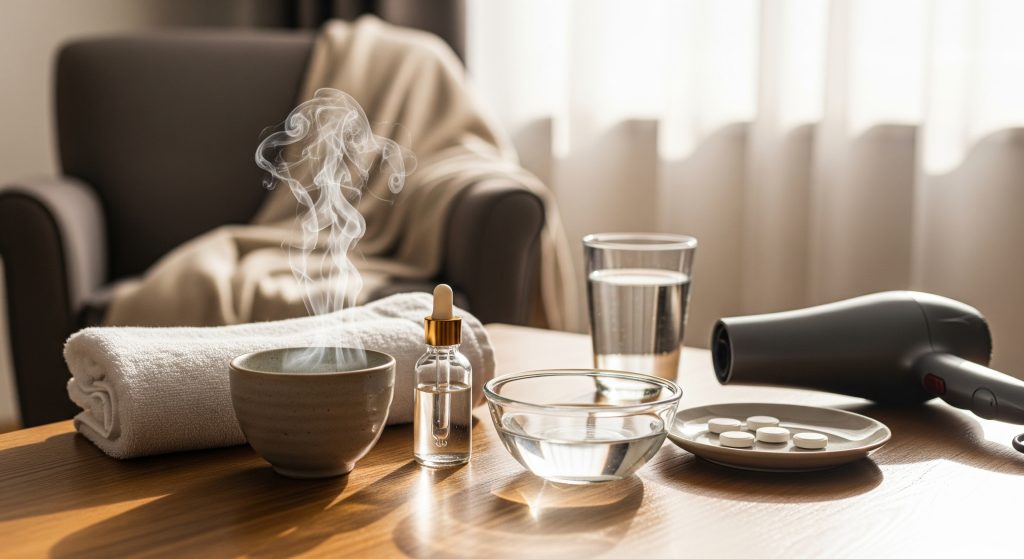
A warm compress can reduce pain and ease that pressurised sensation. As Nationwide Children’s notes, apply a warm washcloth to the affected ear for 10-15 minutes and repeat several times daily. The heat relaxes tissues and may improve local blood flow. I check temperature on the wrist first to avoid burns.
-
Use a clean cloth soaked in warm water. Wring it so it does not drip.
-
Hold still and support the elbow to keep pressure gentle.
-
Rewarm the cloth if it cools quickly. Do not apply scalding heat.
This is a comfort measure. It does not replace otitis externa ear drops if a clinician has prescribed them.
White Vinegar and Rubbing Alcohol Solution
A 1 to 1 mix of white vinegar and rubbing alcohol can help dry the canal and shift the pH. In practice, it is a prevention and early-care option when the eardrum is intact. As Mayo Clinic explains, instil about 1 teaspoon, let it sit briefly, then let it drain out. The alcohol evaporates moisture and the vinegar deters common microbes.
-
Use only if there is no ear pain from a perforation, no ear tubes, and no suspected middle ear disease.
-
Stop if it stings sharply or worsens pain. That can suggest canal irritation.
-
Do not use on children unless a clinician has advised it.
For external otitis treatment that has progressed beyond mild irritation, this solution may be insufficient. It is a bridge, not a cure-all.
Over-the-Counter Pain Relief Options
Pain control is central. Ibuprofen targets pain and inflammation. Paracetamol helps with pain and fever. Both can be appropriate if dosing is correct for age and weight. I avoid duplicate paracetamol across cold remedies and tablets. In children, alternating agents can be considered, but I keep a written schedule to prevent errors.
-
Check maximum daily dose and interval. Adhere strictly.
-
Eat with ibuprofen if the stomach is sensitive.
-
If pain breaks through regularly, reassess the plan. Do not mask severe symptoms for days.
External otitis treatment works better when discomfort is controlled. Patients rest, and drops, if prescribed, are easier to tolerate.
Proper Ear Drying Techniques
Moisture fuels otitis externa. After bathing or accidental splashing, I prioritise gentle drying. Tip the head. Pull the earlobe slightly to straighten the canal and let gravity work. Dry the outer ear with a soft towel. A hair dryer on the coolest, lowest setting, held at least a forearm’s length away, can help. Avoid direct heat and avoid inserting any object into the canal.
-
Use over-the-counter drying drops if the eardrum is intact and there is no current severe pain.
-
Do not use cotton swabs. They push debris deeper and abrade the canal.
-
Pause swimming until symptoms resolve. Water resets healing.
Small habits compound. Every dry ear day reduces bacterial load and irritation. That is how external otitis treatment gains momentum.
Hydrogen Peroxide Ear Drops
Hydrogen peroxide can loosen debris and cerumen when used correctly. I limit it to short courses in adults with intact eardrums and only for gentle bubbling. If it stings or foams aggressively, I stop. Peroxide is not a pain reliever. It is not suitable if there is a perforation, ear tubes, or a history of ear surgery. It can over-irritate the canal when overused.
-
Use low concentration only and for brief periods.
-
Rinse and dry the outer ear after use. Do not flush the canal.
-
If debris persists, ask a clinician for safe cleaning.
External otitis treatment aims to calm the canal. Harsh bubbling against inflamed skin is counterproductive.
Tea Tree Oil Diluted Solution
Tea tree oil has antimicrobial properties, but concentration matters. High concentrations can irritate and, in some contexts, harm the ear. If considered at all, I only use a very dilute preparation and never in a perforated ear. Exposure should be brief, and monitoring should be close. If there is any burning, I stop immediately.
-
Never use undiluted tea tree oil in the ear canal.
-
Avoid in children. The margin for error is narrow.
-
If symptoms worsen, switch to established care pathways.
Put simply, external otitis treatment should reduce risk. Dilute essential oils are not first line and, arguably, not necessary when safer measures exist.
Garlic Oil Application
Garlic derivatives show antimicrobial activity in laboratory settings. That does not guarantee safe or effective outcomes in the ear canal. Prepared garlic oil may soothe some adults with mild irritation, but raw garlic is risky and can burn the skin. I avoid garlic in children and in any ear with severe pain, discharge, or suspected perforation. Medical assessment takes priority in those scenarios.
-
If using a prepared oil, ensure it is made for topical use.
-
Test one drop and watch for irritation before any repeat.
-
Discontinue at the first sign of worsening discomfort.
External otitis treatment succeeds when the canal heals cleanly. Irritants, however natural, can derail that progress.
Recognising Otitis Externa Symptoms and Warning Signs
Spotting otitis externa symptoms early allows faster relief and fewer complications. I advise tracking specific signals and their trend over 24 to 48 hours. Escalation triggers are highlighted below.
Early Stage Symptoms
The first signs are often local. Pain on tugging the earlobe. Itching in the canal. Mild redness or swelling at the entrance. A feeling of fullness. There may be a small amount of clear or slightly cloudy drainage. Hearing can be muffled because swelling narrows the canal.
-
Pain that worsens when the outer ear is pressed or pulled.
-
Itch that shifts to soreness after swimming or showering.
-
New sensitivity to earphones or earplugs.
These are hallmark otitis externa symptoms. Early external otitis treatment focuses on drying, gentle comfort, and avoiding trauma.
Progressive Infection Indicators
Worsening pain suggests deeper canal inflammation. Thick discharge, fever, or swelling that spreads to the outer ear are red flags. Night pain that disrupts sleep is another concern. If the jaw hurts when chewing, swelling may be significant. Hearing loss that increases over days points to more obstruction.
-
Severe, constant pain unresponsive to pain relief.
-
Visible swelling that closes the canal opening.
-
Tender lymph nodes around the jaw or neck.
In those cases, home measures are not enough. External otitis treatment must move to clinical care, usually with prescription drops and possible canal cleaning.
When to Seek Medical Attention
I escalate quickly if any of the following occur. High fever. Severe pain. Spreading redness on the scalp or face. Persistent discharge beyond 48 hours of home care. A history of diabetes, immune compromise, or recent ear surgery. Any suspicion of a perforated eardrum. Children who are very uncomfortable or unwell also need prompt review.
-
New weakness of facial muscles or severe headache.
-
Vertigo, vomiting, or sudden marked hearing reduction.
-
Trauma to the ear or insertion of a foreign object.
These thresholds are conservative by design. The cost of being cautious is low. The benefit can be substantial.
Differentiating External from Middle Ear Infections
Location of pain helps differentiate. With otitis externa, the canal hurts when touched. With a middle ear infection, pain feels deeper, and tugging the lobe changes little. Discharge can occur in both, but perforation of the eardrum is more common in middle ear disease. Fever is more frequent with middle ear infections. A clinician will confirm with otoscopy.
|
Feature |
Suggests |
|---|---|
|
Pain on earlobe tug |
Otitis externa |
|
Fullness and canal itch |
Otitis externa |
|
Deep pressure behind eardrum |
Middle ear infection |
|
Higher fever and systemic malaise |
Middle ear infection |
This distinction matters. External otitis treatment is usually topical. Middle ear infections may require oral therapy, especially in selected groups.
Essential Dos and Don’ts During Treatment
External otitis treatment is a discipline. I combine simple practices that reduce irritation with strict avoidance of canal trauma. The difference is often in these details.
Safe Cleaning Methods
Clean only the outer ear. I use a soft cloth around the entrance to remove visible discharge. I do not insert cotton swabs or tweezers. If debris collects, a clinician can perform gentle microsuction. That is the safer path when the canal is inflamed.
-
Avoid home irrigation. It may force water deeper and prolong infection.
-
Do not use sharp tools or hairpins in the canal.
-
Schedule cleaning if discharge persists or hearing remains muffled.
Cleanliness supports healing. Aggressive cleaning delays it. A useful distinction.
Activities to Avoid
During recovery, I pause swimming and high-sweat activities that soak the ear. I avoid earphones that sit in the canal. I also avoid hair sprays and dyes that could enter the ear. Sleep on the opposite side to limit pressure on the affected ear.
-
No cotton swabs or ear candling. Both cause harm.
-
No shared earbuds. Reduce contamination risk.
-
No hot tubs or unstable water quality.
External otitis treatment thrives in a calm, dry canal. Everything here supports that goal.
Proper Ear Drop Administration
Technique determines effectiveness. If a clinician prescribes otitis externa ear drops, I follow this process to improve penetration:
-
Warm the bottle in the hand for a minute to reduce dizziness.
-
Lie on the side with the affected ear up.
-
Pull the earlobe back and slightly up to straighten the canal.
-
Instil the prescribed number of drops. Do not touch the dropper to the skin.
-
Gently press the tragus several times to pump drops deeper.
-
Remain on the side for 2 to 3 minutes.
I set reminders for dosing times. External otitis treatment is most effective when doses are not missed.
Managing Pain and Discomfort
Pain relief, warm compresses, and head elevation at night can help. I encourage short, frequent rest periods when pain peaks. If pain does not improve within two days of disciplined care, I reassess. Severe or worsening pain is not a badge of resilience. It is a signal.
-
Use simple relaxation techniques during peak discomfort.
-
Keep hydration adequate. Fever increases fluid needs.
-
Limit long calls or tight headwear that press the ear.
Comfort enables adherence. Adherence drives outcomes.
Keeping the Ear Dry
Water exposure prolongs recovery. As Mayo Clinic advises, maintain a dry canal during treatment and avoid swimming until healed. I use a shower cap and keep the head tilted away from water when rinsing hair. If accidental splashing occurs, dry gently and use authorised drying drops if appropriate.
-
Consider vented earplugs once healed if prone to recurrence.
-
After exercise, towel the outer ear and cool the room to reduce sweat.
-
Do not block the canal with cotton balls for hours. That traps moisture.
External otitis treatment is unforgiving about moisture. Retained water resets progress. And yet, with disciplined dryness, recovery often accelerates.
Age-Specific Treatment Considerations
External otitis treatment differs by age due to anatomy, tolerance, and risk. My approach adjusts dose forms, supervision, and escalation speed accordingly.
Treating Toddlers and Young Children
In toddlers, canal skin is delicate and symptoms can escalate quickly. I avoid home mixtures in this group. If otitis externa symptoms appear, I use warm compresses for comfort and seek clinical assessment. Topical antibiotic drops are often first line. Pain relief dosing must be exact for weight. If there is fever, marked swelling, or reduced intake, expedited review is prudent.
-
No essential oils, vinegar mixes, or peroxide in toddlers.
-
Keep objects and fingers away from the ear. Curiosity can worsen injury.
-
Use a hat and careful drying after baths to reduce recurrence.
For this group, caution pays. External otitis treatment is best clinician led, with parents focused on comfort and dryness.
School-Age Children Care
For school-age children, I still avoid canal instrumentation. If a clinician confirms otitis externa, proper otitis externa ear drops and strict water avoidance are standard. Pain control supports sleep and school attendance. I monitor for adherence and watch for signs that suggest progression, such as night pain or persistent discharge.
-
Use fitted swim caps when cleared to return to swimming.
-
Teach them not to scratch or insert objects into the ear.
-
Replace in-ear headphones with over-ear models during recovery.
Here is why the routine matters. Fewer setbacks, faster return to normal routine.
Adult Treatment Modifications
Adults can usually manage disciplined home care early. I apply drying protocols, warm compresses, and pain relief as needed. If symptoms persist beyond 48 hours, or if hearing drops significantly, I seek an examination. Occupational exposures matter. For example, frequent headset use or hot, humid environments may require temporary adjustments.
-
Discuss recurrence prevention if infections repeat during summer.
-
Consider custom-fit plugs if swimming is essential for fitness.
-
Assess skin conditions like eczema that predispose to canal irritation.
External otitis treatment in adults is often straightforward. But still, small risk factors add up. Address them and outcomes improve.
Senior Care Precautions
For older adults, skin fragility and comorbidities matter. I avoid aggressive cleaning and home irrigation. If diabetes or immune compromise is present, I escalate sooner. Hearing aids need special handling. The moulds should be cleaned and kept dry. Hearing aids should be paused or reduced until the canal is calm, then reintroduced gradually.
-
Check medication interactions before choosing pain relief.
-
Ensure drop technique is feasible despite arthritis or tremor.
-
Schedule follow up if symptoms do not improve within 48 hours.
External otitis treatment in seniors benefits from conservative methods and low thresholds for review. Safety first.
Conclusion
Effective external otitis treatment at home is neither exotic nor complex. It is a disciplined combination of pain control, moisture control, and gentle handling. Add clear escalation rules and age-appropriate precautions, and most mild cases settle. The principle is simple. Calm the canal and keep it dry. The practice is in the details.
Frequently Asked Questions
Can external ear infections heal without antibiotics?
Yes, mild cases can improve with careful self-care. Drying the ear, using warm compresses, and managing pain can support recovery. If symptoms persist beyond 48 hours, or if pain is severe, seek assessment. External otitis treatment often uses topical antibiotics when the canal is significantly inflamed or discharging.
How long does otitis externa take to clear with home treatment?
For mild irritation, improvement can begin within two days if moisture is controlled. Full resolution may take a week or more. If there is no improvement by day three, or if symptoms worsen, switch from ear infection home remedies to clinical care. Timely review prevents complications and shortens the total course.
Is it safe to use cotton swabs during an ear infection?
No. Cotton swabs push debris deeper and abrade the canal. That prolongs and worsens the condition. External otitis treatment depends on avoiding trauma. Clean only the outer ear with a cloth and leave canal cleaning to a clinician if required.
Can swimming cause external ear infections?
Yes. Trapped water changes the canal’s pH and supports microbial growth. Repeated exposure raises risk. Prevention focuses on drying immediately after water exposure and using protective gear once fully healed. When symptomatic, avoid swimming until recovered.
What’s the difference between swimmer’s ear and otitis externa?
They refer to the same condition. Swimmer’s ear is the common name for an infection or inflammation of the ear canal. Otitis externa symptoms include canal pain on touch, itch, and fullness. External otitis treatment focuses on topical therapy, drying, and avoiding canal trauma.
Are ear infections contagious to other family members?
Otitis externa is usually not contagious through casual contact. It relates to moisture and local irritation. Do not share earbuds, towels, or earplugs during an active infection. Basic hygiene is sufficient for household safety.
Can I use olive oil for external ear infection treatment?
Olive oil can soften wax and sometimes soothe the canal, but it also leaves residue. That can trap moisture, which is counterproductive. If used at all, a single small amount may be tried in adults with intact eardrums. If there is pain, discharge, or hearing loss, seek medical advice and use targeted therapy instead.
External otitis treatment works best when the canal is calm, clean, and consistently dry. That is the through line.

