






 We do what's right for you...


How to Fix a Deviated Septum Without Surgery: Explained Simply
Dr. Poonam Singla
Standard advice often jumps straight to the operating theatre. That is premature for many people with nasal obstruction. In this guide, I explain how to fix a deviated septum without surgery in practical, clinically sensible ways. I outline evidence‑informed care, realistic expectations, and measured decision points. The aim is straightforward. Improve airflow, reduce symptoms, and preserve options if surgery is later required. If the question is how to fix a deviated septum without surgery, the answer involves smart symptom control, targeted techniques, and disciplined follow‑up. Some methods deliver incremental relief, some are supportive, and a few are decisive for the right patient. Together, they form a structured non‑operative plan that respects both anatomy and outcomes.
Non-Surgical Treatment Options for Deviated Septum
1. Balloon Septoplasty Procedure
Balloon septoplasty is a minimally invasive technique designed to reshape cartilage gently. It uses a small catheter to apply controlled pressure and widen narrowed passages. I discuss it here because many people ask how to fix a deviated septum without surgery while still seeking a procedural option. Strictly speaking, this is a procedure under local anaesthesia, not open surgery. It suits soft cartilage deviation and junctional narrowing rather than severe bony deflection.
-
Best for mild to moderate narrowing with pliable cartilage.
-
Often performed in an outpatient setting with short downtime.
-
Less effective for sharp spurs or marked asymmetry.
People sometimes search for the balloon sinuplasty procedure and assume it corrects the septum. Balloon sinuplasty targets sinus drainage pathways. Balloon septoplasty targets the septum. Similar tools. Different goals.
2. Nasal Decongestants and Sprays
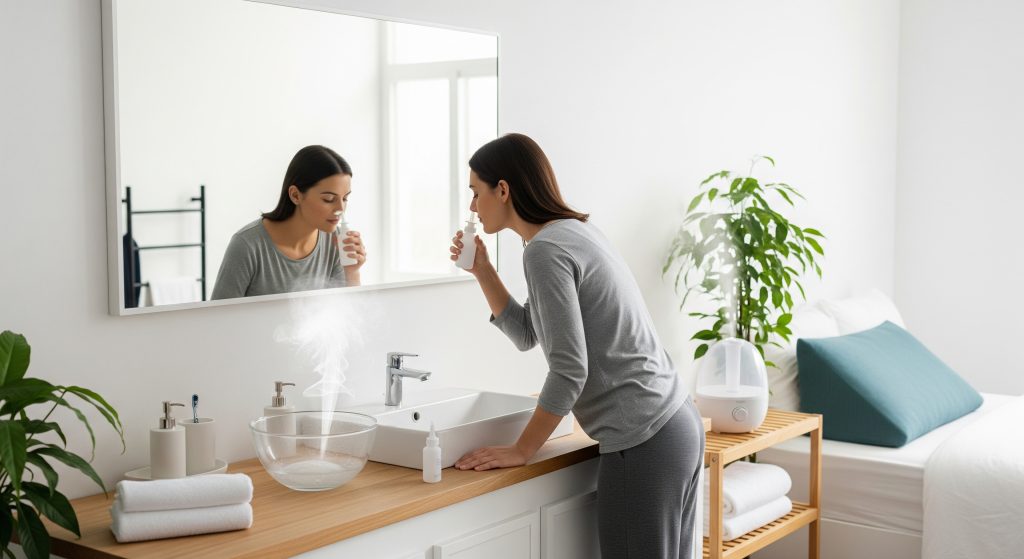
Short courses of topical decongestants can reduce turbinate swelling and improve airflow. They are not a structural fix, but they help test the reversible component of obstruction. This is one way I evaluate how to fix a deviated septum without surgery in the near term. Use them for no longer than three to five days to avoid rebound congestion.
-
Choose oxymetazoline or xylometazoline sparingly and for acute flares.
-
Pair with saline to maintain mucosal hydration.
-
Avoid continuous use to prevent rhinitis medicamentosa.
3. Antihistamines for Allergy Management
Allergic rhinitis amplifies the impact of septal deviation. Reducing histamine‑driven swelling restores space on the better side and partially offsets asymmetry. For many, this is a pragmatic answer to how to fix a deviated septum without surgery during high pollen months. Non‑sedating agents taken once daily are sufficient for most adults.
-
Combine oral antihistamines with allergen control measures.
-
Add an intranasal antihistamine if breakthrough symptoms persist.
-
Reassess after two to four weeks to judge response.
4. Nasal Corticosteroid Sprays
Intranasal steroids reduce mucosal inflammation and inferior turbinate bulk over time. They do not straighten cartilage, yet they meaningfully improve airflow and sleep quality for many patients. When people ask how to fix a deviated septum without surgery, this is often the most effective daily therapy.
-
Use once daily with proper technique, angled away from the septum.
-
Expect benefits after 1 to 3 weeks, with further gains by 6 weeks.
-
Monitor for dryness; saline can offset irritation.
5. External Nasal Strips and Dilators
External strips mechanically lift the nasal sidewall and reduce valve collapse. They work best at night or during exercise. They do not alter the septal line, but they reduce dynamic narrowing that often coexists with deviation. As part of a plan for how to fix a deviated septum without surgery, they provide low‑risk incremental relief.
-
Apply to clean, dry skin for optimal adhesion.
-
Trial different sizes to match nasal width.
-
Use for snoring linked to nasal resistance.
6. Internal Nasal Cones and Devices
Internal dilators brace the nasal valve area from within. They are reusable, discrete, and helpful for sport or sleep. When patients pursue how to fix a deviated septum without surgery, internal cones can complement steroids and rinses. Comfort varies, so product trials are sensible.
-
Select soft silicone options for extended wear.
-
Start with short sessions to adapt the mucosa.
-
Clean regularly to reduce irritation risk.
7. Saline Nasal Rinses
Isotonic or hypertonic saline rinses clear mucus and allergens, reduce crusting, and prime the mucosa for medication. Rinses are foundational in any plan on how to fix a deviated septum without surgery because they restore function without side effects. Technique matters more than brand.
-
Prepare sterile or boiled‑then‑cooled water with premixed salts.
-
Lean forward, mouth open, and irrigate the higher nostril.
-
Let gravity work. Do not force pressure against a blocked ear.
Hypertonic solutions may sting initially. That usually settles within days.
8. Humidifier and Vaporiser Therapy
Dry air thickens secretions and worsens crusting along the deviated edge. Night‑time humidity supports mucociliary clearance and reduces morning blockage. For anyone investigating how to fix a deviated septum without surgery, humidity control is a low‑cost baseline intervention.
-
Target indoor relative humidity of 40 to 50 percent.
-
Clean devices weekly to prevent biofilm growth.
-
Pair with gentle warm showers to mobilise mucus.
Natural Remedies for Nasal Congestion Relief
Hot Shower Steam Therapy
Warm steam loosens secretions and softens crusts that adhere to the deviated ridge. It offers short‑term relief and prepares the nose for medicated sprays. For many, this is the first routine step in how to fix a deviated septum without surgery during flare‑ups.
-
Limit exposure to avoid dizziness or excessive dryness later.
-
Follow steam with saline irrigation for best effect.
Essential Oil Inhalation
Menthol or eucalyptus inhalation can improve the sensation of airflow. The perceived patency rises although objective flow may change modestly. Used judiciously, this supports the broader plan on how to fix a deviated septum without surgery. Keep concentrations low to avoid irritation.
-
Add a single drop to a bowl of hot water and inhale carefully.
-
Avoid direct undiluted application to the nostrils.
Acupuncture for Nasal Congestion
Select patients report symptomatic benefit from acupuncture for nasal congestion, particularly during allergic peaks. Mechanisms likely involve autonomic modulation and reduced inflammatory signalling. It can be one element of how to fix a deviated septum without surgery to some extent, though results vary.
I regard it as complementary rather than central. Combine with medical therapy and environmental control for a fair assessment.
Proper Sleep Positioning
Sleep posture affects nasal resistance. Elevating the head reduces venous congestion and narrows the gap less. Side‑sleeping on the more open side can improve comfort. These tactics are modest yet practical when planning how to fix a deviated septum without surgery at home.
-
Use a wedge pillow or adjust the bedhead by 10 to 15 centimetres.
-
Maintain nasal hygiene before bed to stabilise airflow.
Avoiding Environmental Triggers
Allergens, smoke, and volatile irritants magnify obstruction around the deviated edge. Reducing triggers decreases swelling and allows other measures to work. This is a cornerstone of natural remedies for nasal congestion with structural deviation.
-
Use HEPA filtration during pollen peaks.
-
Control indoor dust with regular laundering of bedding.
-
Eliminate smoke exposure completely.
Deviated Septum Exercises and Breathing Techniques
1. Alternate Nostril Breathing
Nadi shodhana helps balance airflow and reduce subjective blockage. It trains calmer respiratory patterns and may ease valve instability. For those learning how to fix a deviated septum without surgery, it is a disciplined, low‑risk practice.
-
Sit upright. Exhale gently.
-
Close the right nostril. Inhale left. Close left. Exhale right.
-
Inhale right. Close right. Exhale left. Continue for 5 minutes.
2. Diaphragmatic Breathing Exercises
Diaphragmatic control reduces accessory muscle tension and mouth breathing. It supports sleep quality and exercise tolerance. While it does not reposition cartilage, it complements how to fix a deviated septum without surgery by stabilising flow and reducing anxiety around breathlessness.
-
Practice 5 to 10 minutes twice daily.
-
Focus on abdominal expansion with slow nasal inhalation.
3. Nasal Cavity Stretching
Gentle sidewall mobilisation can reduce collapsibility in the nasal valve area. I advise caution and hygiene. Use clean hands and minimal pressure. It is an adjunct within deviated septum exercises rather than a cure, but it can help valve‑related narrowing.
-
Apply a warm compress for 2 minutes.
-
Place a fingertip beside the nostril and lift slightly outward.
-
Hold for 10 seconds, repeat three times per side.
4. Facial Massage Techniques
Focused massage around the maxillary and frontal areas can relieve tension and support drainage. It improves comfort, especially during colds. It is one more supportive step in how to fix a deviated septum without surgery while you await medical therapy to take effect.
-
Use small circular motions along the cheeks and brow.
-
Stop if pain or dizziness occurs.
5. Yoga Poses for Better Breathing
Forward folds and gentle backbends can enhance rib mobility and diaphragmatic range. They help sustain nasal breathing during daily activity. Taken together with other deviated septum exercises, these routines make airflow management more reliable.
-
Consider child’s pose, bridge pose, and supported fish pose.
-
Avoid inversions during acute congestion.
When to Consider Surgical Options
Signs Non-Surgical Methods Aren’t Working
Persistent obstruction despite optimal medical therapy suggests limited reversible swelling. Recurrent sinus infections, sleep disruption, or ongoing mouth breathing despite adherence are key signs. At that point, the plan on how to fix a deviated septum without surgery has likely delivered its maximum benefit.
-
Document symptoms with a brief diary for 4 to 6 weeks.
-
Seek an ENT assessment including nasal endoscopy if available.
Difference Between Septoplasty and Balloon Sinuplasty
Septoplasty straightens the septum by reshaping cartilage and bone. Balloon sinuplasty opens sinus ostia to improve drainage but does not straighten the septum. This distinction matters for anyone researching the balloon sinuplasty procedure while asking how to fix a deviated septum without surgery. They address different problems, sometimes performed together when indicated.
Success Rates and Recovery Times
Non‑surgical care usually improves symptoms to a functional level, though not perfection. Procedural options vary. Septoplasty typically requires 1 to 2 weeks of recovery, while balloon techniques often require only days. Outcomes depend on anatomy, adherence, and coexisting allergies.
Set expectations clearly. Relief, not architectural perfection.
Cost Comparison of Treatment Options
|
Option |
Typical Considerations |
|---|---|
|
Medical therapy |
Low ongoing cost, cumulative over months, high safety. |
|
External or internal dilators |
Low to moderate one‑off spend, variable comfort. |
|
Balloon septoplasty |
Moderate cost, selected cases, shorter downtime. |
|
Septoplasty |
Higher cost, definitive structural correction, longer recovery. |
Healthcare systems and insurance policies differ widely, depending on the jurisdiction. Plan for follow‑up and potential adjuncts.
Making the Right Choice for Your Deviated Septum
Clinical decisions should be staged, conservative first. Start with nasal hygiene, steroid spray, allergen control, and mechanical support if needed. This bundle answers much of how to fix a deviated septum without surgery in everyday life. Add targeted practices like alternate nostril breathing and diaphragmatic work to stabilise airflow and reduce symptom spikes.
If symptoms remain intrusive, consider eligibility for balloon septoplasty after an ENT review. Keep in mind, severe spur or marked S‑shaped deviation usually needs formal septoplasty. I recommend thinking in phases. Stabilise inflammation, measure response, then escalate thoughtfully. That is how to fix a deviated septum without surgery as far as practical, while keeping definitive options available if required. It is basically prudent medicine and careful self‑management.
Frequently Asked Questions
Can balloon sinuplasty fix a deviated septum completely?
No. Balloon sinuplasty opens sinus drainage pathways and does not straighten septal cartilage. It may be paired with septoplasty when both issues coexist. If the goal is how to fix a deviated septum without surgery, balloon sinuplasty is not the solution for the septum itself.
How long do natural remedies take to show results?
Steam, saline, and positioning help the same day. Intranasal steroids may require 1 to 3 weeks for noticeable benefit. A staged approach is sensible when exploring how to fix a deviated septum without surgery across a full season.
Is acupuncture effective for severe nasal congestion?
Acupuncture for nasal congestion can assist some patients, particularly with allergic triggers. It is complementary, not definitive. Severe structural deviation usually needs medical therapy and, occasionally, procedural correction.
Can deviated septum exercises permanently correct the condition?
No. Exercises do not remodel cartilage or bone. They improve airflow mechanics and symptom control. Use them as supportive therapy while considering how to fix a deviated septum without surgery for daily function.
What are the risks of using nasal sprays long-term?
Topical decongestants risk rebound congestion with prolonged use. Intranasal steroids are safe when used correctly, though dryness or minor bleeding can occur. Saline is safe for long‑term daily use.
When should children with deviated septum consider treatment?
Start with conservative care and allergy control. Consider specialist review if sleep, growth, or recurrent infections are affected. Structural surgery is usually timed later, though exceptions exist based on severity and impact.
Quick recap
-
Use saline, intranasal steroids, and allergen control as the core routine.
-
Add mechanical aids and breathing techniques for incremental gains.
-
Escalate to targeted procedures only when conservative therapy plateaus.
-
Keep expectations measured. Relief first, precision corrections later if needed.
If you have reached this point, the priority is consistent execution. That is how to fix a deviated septum without surgery with credibility and care.

