






 We do what's right for you...


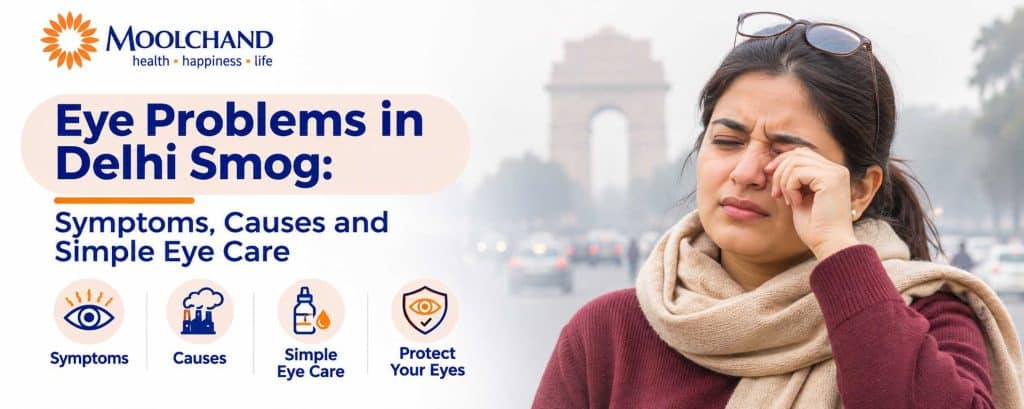
Eye Problems in Delhi Smog: Symptoms, Causes and Simple Eye Care
Dr. Megha Uikey
Why Your Eyes Need Extra Care Right Now
Delhi’s air has turned harsh again this season. Smoke, dust and cold dry air hit the eyes hard. Many people wake up with red, itchy or watery eyes. Some feel a burning sensation through the day. Doctors report a sharp rise in eye complaints during smog spells. The good news is that most eye problems respond well to simple care. This guide explains the common eye problems of the season. It also shares practical steps and clear warning signs. Read it carefully and share it with your family. Many readers look for an ophthalmologist in Delhi when symptoms persist.
Eye Flu Symptoms You Should Recognise
Eye flu symptoms usually begin in one eye and spread to the other. The white of the eye turns pink or red. Eyes feel itchy, gritty or watery. Some people notice a thick discharge in the morning. Eyelids may stick together after sleep. Viral eye infections spread easily through touch. Bacterial infections can cause heavier discharge. Eye flu symptoms often last several days. Most people search for conjunctivitis treatment once redness persists. Most cases improve with hygiene and rest. Doctors should check any case that worsens.
Smog Eye Irritation: Why It Happens
Smog eye irritation comes from fine particles and smoke. These particles stick to the surface of the eye. They cause stinging, tearing and redness. Smoke from crackers and stubble burning adds to the problem. People who wear contact lenses feel the effects more strongly. Children and older adults are also more sensitive. Irritation often eases once you move to cleaner air. Doctors call this smog eye irritation, and it usually fades without lasting harm. Still, repeated exposure can make the eyes more vulnerable. Protect your eyes whenever the air feels heavy.
Dry Eyes in Winter
Dry eyes in winter are very common. Dry eyes feel gritty after long days indoors. Many people notice stinging when they stare at screens. Morning dryness often improves after the eyes warm up. Mild dryness usually settles with simple care at home. Indoor heaters and cold wind reduce tear film. Screen use makes the problem worse, because people blink less. Dry eyes feel scratchy, tired and burning. Eyes may also water as a reaction to dryness. Blurred vision can come and go during the day. Simple habits help a lot. Blink fully and take regular screen breaks. A best eye doctor in Delhi can check persistent dryness. Use a humidifier in the bedroom if possible. Artificial tears can offer quick relief when used as directed. Most people with dry eyes in winter feel better within a few days.
Causes of Eye Infections in Polluted Air
Eye infections from pollution often start with contact. Dirty hands rub the eyes many times a day. Shared towels, pillows and eye cosmetics also spread germs. Polluted air dries and irritates the surface of the eye. Irritated eyes become easier targets for infection. Eye infection from pollution can therefore follow a dusty or smoky week. Good hygiene breaks this chain. Wash hands before touching your eyes. Use a fresh towel every day.
Eye Care Tips in Winter and Smog
Eye care tips can protect your vision every day. Wear wraparound sunglasses when you go outside. Use clean, cool water to rinse your eyes gently. Avoid rubbing your eyes, even when they itch. Stop wearing contact lenses on heavy smog days. Good eye care tips in winter start with clean hands and clean glasses. Use glasses instead until the air improves. Keep your face and eyes clean after coming home. Drink enough water through the day. Sleep well, because tired eyes feel irritated sooner.
Conjunctivitis Treatment: What Helps
Conjunctivitis treatment depends on the cause. Viral conjunctivitis usually clears on its own within a week or two. Cold compresses ease itching and swelling. Keep the compress clean and use it for about ten minutes. Keep the compress clean and use it for about ten minutes. Wash the compress cloth after each use and let it dry in the sun. Use a fresh cloth for each eye to avoid spreading germs. Families also search for the best eye hospital Delhi for quick review. Artificial tears keep the eye moist and comfortable. Bacterial conjunctivitis may need prescription eye drops. Never use antibiotic or steroid drops without a doctor’s advice. Stop sharing towels, pillows and eye makeup. Keep your hands clean during the infection. Avoid school or office contact until the redness fades. Early care speeds recovery and reduces spread.
When to See an Eye Specialist
Some eye problems need prompt specialist care. Seek help quickly for severe eye pain. Sudden vision loss needs urgent attention. Light sensitivity with headache also needs review. Eye injury from crackers or fireworks needs immediate care. Do not rub or press on an injured eye. Cover it loosely and reach a hospital quickly. Pink eyes with heavy discharge that lasts several days also need review. Diabetes patients should have yearly eye checks. Ask your doctor where to find an eye specialist in Delhi when symptoms persist.
Who Is Most at Risk in Smog Season
Some people feel eye problems more strongly than others. Contact lens wearers face higher irritation. People with dry eye disease notice symptoms sooner. Office workers who use screens for long hours feel strain. Diabetes patients need extra care because high sugar can affect the eyes. Older adults often have slower tear production. Children play outdoors and rub their eyes often. Pregnant women may notice more dryness than usual. Anyone with allergies should also take extra care. Knowing your risk helps you plan better protection.
A Simple Daily Eye Routine
A short daily routine protects your eyes through the season. Start the morning by washing your hands with soap. Rinse your eyes with clean, cool water if they feel dusty. Use a fresh towel and avoid sharing it with anyone. Blink fully during screen work and look away every twenty minutes. Drink enough water and eat foods rich in vitamin A. Carry wraparound sunglasses outdoors. Clean your glasses daily with a soft cloth. Remove eye makeup before sleeping. Simple habits like these support long-term eye health. Some patients ask for the best hospital in Delhi for routine eye care.
Choosing Eye Care in Delhi
Many patients search for an eye specialist in Delhi when symptoms last. Look for an ophthalmologist with clear diagnostic tests. Check that the hospital offers emergency eye services. Some families also search for the best eye hospital in Delhi before choosing care. Compare services and ask about follow-up. A private hospital in Delhi may offer faster appointments. Choose a team that explains each step honestly. A second opinion is always reasonable for eye surgery.
What to Expect at an Eye Check-Up
An eye check-up is simple and painless. The doctor first asks about your symptoms and history. Vision tests check how clearly you see at different distances. A slit-lamp examination lets the doctor view the front of the eye closely. Eye pressure may be measured with a gentle puff of air or a light probe. Pupils may be widened with drops for a detailed view of the retina. These drops can blur vision for a few hours. Bring your glasses, lenses and a list of medicines. Ask the doctor to explain each finding before you leave.
Common Myths About Eye Health
Many myths confuse people during smog season. One myth says carrots alone can cure eye problems. Carrots help, but they cannot treat infections or dryness. Another myth says reading in dim light damages the eyes permanently. Dim light causes strain, but it does not cause lasting damage. Some people believe that eye drops always fix redness. Many drops only mask symptoms and need a correct diagnosis. A further myth says eye problems never affect young people. Children and young adults can develop infections and dry eyes too. Trust a qualified doctor rather than internet advice. Compare each Private Hospital in Delhi on eye services before booking.
Protect Your Vision This Season
Your eyes deserve daily care, especially during smog and winter. Watch for dry eyes in winter and act early. Keep your hands clean and protect your eyes outdoors. Treat dryness early and see a doctor for warning signs. Early care prevents small problems from becoming serious. Share these simple steps with family and friends. Healthy eyes help you live fully.
Frequently Asked Questions
Is eye flu contagious?
Yes. Viral eye flu spreads through touch and shared items. Wash hands often and avoid sharing towels.
How long does eye flu last?
Most cases last about one to two weeks. Symptoms often improve within a few days with good hygiene.
Can smog damage my eyes permanently?
Usually not. Smog mainly irritates the eyes. Repeated exposure, however, can worsen dryness and inflammation.
Are eye drops safe for dry eyes?
Plain artificial tears are generally safe. Avoid steroid drops unless a doctor prescribes them.
Should I wear glasses instead of contact lenses in smog?
Yes, on heavy smog days. Glasses protect the eyes from particles better than lenses in polluted air.
What is the best way to clean irritated eyes?
Rinse gently with clean, cool water. Do not rub the eyes or use unclean cloth.
Can children get eye infections easily?
Yes. Children touch their eyes often. Teach them to wash hands and avoid sharing items.
When is eye pain a serious sign?
Severe pain, sudden vision loss or light sensitivity with headache needs urgent review.
Does screen use affect dry eyes?
Yes. People blink less during screen use. Take regular breaks and blink fully.
When should a diabetic patient check the eyes?
Diabetes patients should have a yearly eye check. Early screening protects vision over time.