





 We do what's right for you...


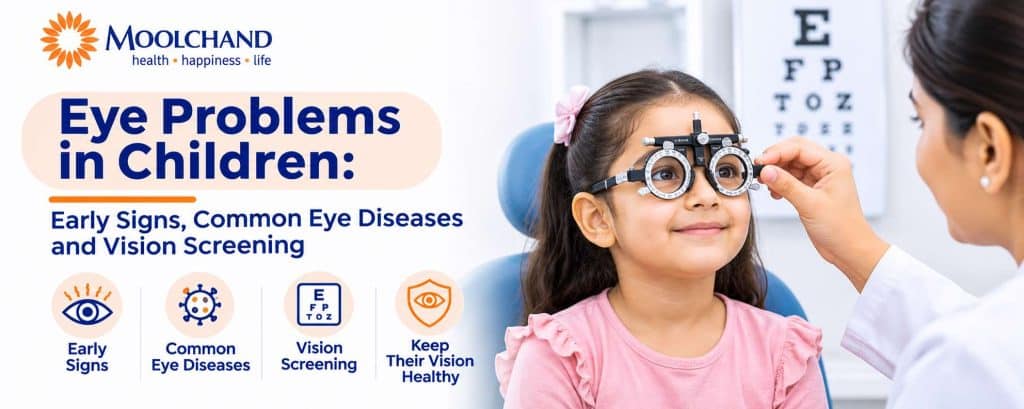
Eye Problems in Children: Early Signs, Common Eye Diseases and Vision Screening
Dr. Megha Uikey
Why Children’s Eye Health Matters
Good vision shapes how children learn, play and grow. Most eye problems in children are easy to treat when found early. Many children do not complain about their eyes. They may not know that their vision is blurry. Parents often notice problems only when school results drop. Early checks can prevent lasting vision loss. Many eye conditions respond well when treated early. This guide explains the signs to watch for. It also covers common eye diseases and simple vision screening steps. Read it calmly and share it with other parents. Let us start with the early signs.
Early Signs of Eye Problems in Children
Children often show clues before they describe a problem. Early signs of eye problems in children often look like everyday habits. Watch for frequent eye rubbing or blinking. Notice if your child closes one eye in bright light. Look for tilting the head to see better. Some children sit very close to the television or board. Others squint when they read or watch from a distance. Headaches after reading can also signal strain. Clumsiness or missing objects may point to poor depth vision. Trust your observations and mention them to a doctor.
Symptoms of Weak Eyesight in Children
Symptoms of weak eyesight in children can be easy to miss. A child may struggle to copy from the board. Reading may feel slow or tiring. Some children avoid sports that need fine tracking. Others complain that letters look blurry or doubled. Teachers often notice these signs first. Ask your child simple questions about what they see. A child who cannot describe distant objects clearly may need a test. Early correction often improves learning and confidence.
Blurry Vision in Children: What It May Mean
Blurry vision in children can have several causes. Uncorrected refractive errors are the most common reason. Eye infections and dryness can also blur vision for a short time. Rarely, blurry vision signals a more serious problem in the eye or brain. If blurring lasts more than a few days, see a doctor. Sudden blurring with headache or vomiting needs urgent care. Do not wait for the symptom to disappear on its own.
Common Eye Diseases in Children
Several eye diseases affect children more often than adults. Common eye diseases in children are often simple to manage. Refractive errors include short sight and long sight. Myopia in children means nearby objects look clear but distant ones look blurred. Myopia is becoming more common with heavy screen use. Lazy eye, also called amblyopia, develops when one eye does not see well. Squint eye in children, or strabismus, happens when the eyes do not align. Conjunctivitis, or eye flu, spreads easily in schools. Eye flu in children needs good hygiene and a doctor’s review. Eye infection in kids often causes redness, discharge and itching.
Lazy Eye and Squint Eye in Children
Lazy eye in children usually develops in early life. Amblyopia treatment in children works best before school age. The brain starts to ignore the weaker eye. Treatment works best when started early. Doctors may prescribe glasses, an eye patch or special eye exercises. Squint eye in children may need glasses or surgery. Strabismus in children often needs early specialist review. Parents should not wait for a squint to correct itself. Early treatment protects vision for life. Regular follow-up checks help the doctor track progress.
Myopia in Children: Causes and Prevention
Myopia in children has increased in many parts of the world. Long hours of close work increase the risk. Too little outdoor play also plays a role. Family history can increase the chance of myopia. Regular breaks from screens help the eyes relax. Children should spend time outdoors every day. Good lighting during reading also reduces strain. A doctor can recommend glasses or lenses if the power is significant.
Vision Screening for Children: Simple Checks
Vision screening for children is quick and simple. An eye checkup for kids should happen every year at school. Newborns should have a basic eye check after birth. Infants should follow objects and make steady eye contact. Toddlers and preschool children benefit from a formal vision test. School-age children should have a check every year. A doctor may use picture charts or simple machines to test vision. Eye screening for children can find problems early. Ask your paediatrician when your child’s next check is due. A paediatric eye specialist also checks eye movement and alignment.
When to See a Paediatric Eye Specialist
Some signs need urgent care from an eye specialist. A white or grey pupil in a photo or in the eye needs immediate review. Sudden eye pain or loss of vision is an emergency. Eye injury from a toy, firework or sports ball needs quick care. A child who keeps squinting or tilting the head needs a check. Persistent redness with pain or light sensitivity also needs review. Ask for a referral to a paediatric ophthalmologist when in doubt. An eye specialist for children can review persistent symptoms.
Choosing Eye Care for Children in Delhi
Many parents search for a pediatric ophthalmologist in Delhi when a child struggles to see. Look for a specialist who treats children regularly. Check that the team uses child-friendly tests. Ask about follow-up and glasses fittings. Some families compare a Private Hospital in delhi before booking. Some parents look for the best eye doctor in Delhi for children. Ask your paediatrician for a trusted referral to a child eye doctor in Delhi. Choose a hospital where staff explain each step kindly. Look for the best eye hospital Delhi families recommend, with child-friendly tests. A second opinion is always reasonable for surgery.
How to Improve Eyesight in Kids
Parents often ask how to improve eyesight in kids. Some causes of poor vision can be corrected with glasses. Others need treatment such as patching or drops. Healthy habits also support good eyes. Encourage outdoor play for at least an hour daily. Keep screen sessions short and take regular breaks. Serve foods rich in vitamin A, such as eggs, carrots and leafy greens. Ensure proper sleep and hand hygiene. These habits support eye health but do not replace an eye check.
Simple Eye Care Tips at Home
Home care supports healthy children’s eyes every day. These kids eye care tips are simple and easy to follow. Wash hands before touching the eyes. Use a separate towel for each child. Do not share eye drops or eye makeup. Keep sharp objects and toys away from the face. Use good light for reading and homework. Protect eyes with sunglasses and hats in strong sunlight. Replace old or broken glasses promptly. These steps reduce the risk of injury and infection.
Eye Checkups at School Age: What to Expect
A school eye checkup is short and gentle. The doctor first asks about your child’s health history. Then the child reads letters from a chart. Each eye is tested separately. Younger children can point to shapes or animals instead. The doctor may add drops to relax focusing. These drops can blur near vision for a few hours. Plan a quiet return home after the visit. Bring any old glasses to the appointment. Mention school complaints, such as losing your place while reading. Write down any family history of glasses or squint. This information helps the doctor decide what to test. Most checkups take less than thirty minutes.
Eye Safety Rules for Active Children
Active children face many eye risks. Cricket balls, kites and fireworks cause many injuries. Sports goggles protect eyes during racket games. Choose glasses with strong, shatter-resistant lenses for active play. Keep pencils and sharp toys away from the face. Never let children play with laser pointers. Store cleaning liquids out of reach. If an object hits the eye, do not rub it. Cover the eye lightly and go to a doctor quickly. Chemical splashes need immediate rinsing with clean water. Call emergency services if there is severe pain or bleeding.
Talking to Your Child About Eye Care
Children learn best through simple talk and play. Explain that eyes help them see friends, books and pictures. Praise them when they wear glasses or take breaks. Make eye drops and checkups feel routine, not scary. Use a timer for screen breaks. Try twenty minutes of screen time, then twenty seconds looking far away. Let children choose their own frames when glasses are needed. Ask what they see on the board. Children often share worries when they feel safe. Stay calm if your child feels upset about wearing glasses.
Protect Your Child’s Vision
Healthy vision helps children learn and enjoy life. Watch for early signs and book a check when in doubt. Keep home eye care simple and consistent. Early treatment often gives the best results. Share these steps with other families. Your child’s future vision starts with today’s care.
Frequently Asked Questions
At what age should a child first have an eye test?
A newborn should have a basic check after birth. Formal vision testing is advised around age three to four.
Can children outgrow a lazy eye?
Lazy eye usually needs treatment. Early treatment works best, so do not wait for it to improve alone.
Is a squint always serious?
Not always, but any squint needs a doctor’s review. Early treatment protects vision and depth perception.
Does screen time cause myopia?
Heavy close screen work is linked to myopia. Outdoor play and screen breaks help reduce the risk.
How do I know if my child needs glasses?
Watch for squinting, headaches and sitting close. A vision test will confirm whether glasses are needed.
Are eye infections common in schoolchildren?
Yes. Eye flu spreads quickly in classrooms. Hand washing and separate towels help prevent it.
Can diet improve a child’s eyesight?
A balanced diet supports eye health. However, diet cannot correct refractive errors or squints.
When is a white pupil an emergency?
A white or grey pupil needs immediate specialist review. It can signal a serious problem.
How often should school children have eye checks?
Yearly checks are a good routine. Check sooner if the child shows warning signs.
Which doctor treats children’s eye problems?
A paediatric ophthalmologist treats children’s eye problems. A general eye doctor can also refer your child.