






 We do what's right for you...


Explainer: Understanding Nasal Polyps and Home Remedies
Dr. Poonam Singla
Disclaimer: The content shared here is for informational purposes only. Always consult a specialist doctor before attempting any treatment, procedure, or taking any medication independently.
Most advice about nasal polyps follows a predictable script: see a doctor, get steroids, consider surgery if needed. Sensible enough. But that guidance misses something crucial – the daily reality of living with these fleshy growths blocking the nasal passages. The constant mouth breathing. The vanished sense of smell. The feeling of pressure that never quite lifts. For many, nasal polyps home remedies offer genuine relief between appointments and can complement medical treatment in meaningful ways.
This explainer cuts through the noise to examine what actually works, what the symptoms look like at each stage, and when medical intervention becomes non-negotiable. Some of these remedies have genuine science behind them. Others are mostly folklore. I’ll be honest about which is which.
Natural Home Remedies for Nasal Polyps
Before diving in, a quick reality check: home remedies won’t cure nasal polyps. They can, however, shrink inflammation, ease congestion, and improve quality of life significantly. Think of them as maintenance tools rather than miracle cures. The single most frustrating part of managing polyps is that they’re chronic – they love coming back. These remedies help manage that ongoing battle.
1. Steam Inhalation with Essential Oils
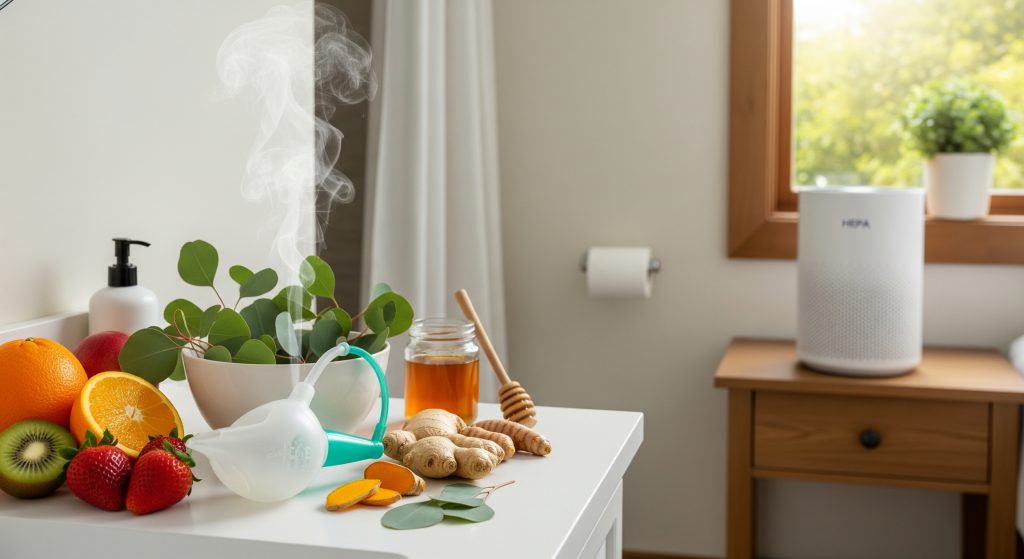
There’s something almost ritualistic about leaning over a bowl of steaming water with a towel draped over the head. It feels medicinal. And to some extent, it is. Sinus Doctor notes that steam inhalation helps loosen thick mucus, providing genuine relief during sinus congestion. The warmth opens up the nasal passages and makes breathing feel less like work.
Adding essential oils takes this up a notch. Peppermint oil may improve breathing by opening airways and reducing inflammation. Eucalyptus and tea tree oil similarly aid in relieving sinus congestion. But here’s what matters – steam doesn’t treat the underlying cause. It eases symptoms. That distinction is critical.
A word of caution: Healthify warns about burn risks. Don’t get too close to the water, and never use boiling liquid directly. Warm is sufficient. Safe beats effective every time.
2. Saline Nasal Rinse and Neti Pot
If there’s one remedy that deserves more attention than it gets, it’s the humble saline rinse. Nasal irrigation effectively clears mucus, moisturises nasal passages, and removes allergens. The relief can be immediate and noticeable.
Using a neti pot properly involves a few key steps:
-
Prepare a saline solution using distilled or properly boiled water – never tap water directly
-
Position the head at a 45-degree angle over a sink
-
Insert the spout into the upper nostril
-
Allow the solution to flow through one nostril and drain from the other
-
Blow the nose gently afterward to clear excess solution
Common mistakes kill the effectiveness. Using unsterilised water can introduce infections – and yes, serious infections have occurred from contaminated rinses. Overusing nasal rinses can irritate the delicate nasal lining. Once or twice daily is typically sufficient.
Cleveland Clinic advises against nasal irrigation for those with ear infections, complete nasal blockages, or recent ear or sinus surgeries. Clean the neti pot after every single use. No exceptions.
3. Turmeric and Ginger Solutions
The golden spice has genuine anti-inflammatory credentials. Turmeric contains curcumin, which research suggests can reduce inflammation throughout the body. For nasal polyps treatment, this means potentially shrinking the growths and easing symptoms.
A simple remedy: mix a teaspoon of turmeric powder with honey and a squeeze of lemon in warm water. The honey soothes, the lemon adds vitamin C, and the turmeric gets to work on inflammation. Drink this once or twice daily.
Ginger works similarly. It contains gingerol, possessing both anti-inflammatory and antimicrobial properties. Fresh ginger tea made by steeping sliced ginger root in hot water can ease sinus congestion remarkably well.
4. Tea Tree Oil Application
Tea tree oil has earned its reputation as an antibacterial and anti-inflammatory powerhouse. For nasal polyps, it can potentially ease obstruction and reduce inflammation when used correctly. The key word being correctly.
Never apply tea tree oil directly to nasal passages undiluted – it’s far too potent and can cause significant irritation. Instead, add a few drops to a bowl of hot water for steam inhalation. The steam carries the beneficial compounds into the sinuses while diluting the oil sufficiently to prevent harm.
Some people use a diluted mixture (one drop of tea tree oil to a tablespoon of carrier oil like coconut) applied around the nostrils. This approach requires caution. Consult a healthcare professional before trying it, particularly if you have sensitive skin or existing nasal conditions.
5. Vitamin C Rich Foods
Vitamin C plays several crucial roles in the body – protecting cells, maintaining healthy skin and blood vessels, and promoting wound healing. For nasal polyps, its antioxidant properties help combat the inflammation driving polyp growth.
Good dietary sources include:
|
Food Source |
Vitamin C Content (approx.) |
|---|---|
|
Red bell peppers (1 medium) |
152mg |
|
Oranges (1 medium) |
70mg |
|
Kiwi (1 medium) |
64mg |
|
Strawberries (100g) |
59mg |
|
Broccoli (100g cooked) |
65mg |
The daily recommended intake sits around 40mg for adults in the UK. Meeting this through diet beats supplements for most people. The body absorbs food-based vitamins more effectively, and you get additional beneficial nutrients along the way.
6. Garlic and Onion Remedies
These pungent kitchen staples do more than flavour food. Both contain compounds with anti-inflammatory and antimicrobial properties that may help reduce nasal polyps symptoms. The real action happens with regular consumption rather than one-off doses.
Raw garlic packs the strongest punch. Crushing or chopping it releases allicin, the compound responsible for most health benefits. Let crushed garlic sit for ten minutes before cooking or consuming – this allows allicin to fully form. Adding it to salads, hummus, or simply eating a clove with food can facilitate mucus drainage and decrease inflammation.
Onions contain quercetin, a natural antihistamine. Including them regularly in meals may help manage allergic responses that contribute to polyp formation. The combination of both ingredients in a warm soup creates something genuinely therapeutic for blocked sinuses – and it tastes good too.
7. Apple Cider Vinegar Treatment
Apple cider vinegar sits in that curious space between genuine remedy and overhyped cure-all. For sinus issues specifically, there’s actual evidence worth considering. Discovery Publication found that inhalation of apple cider vinegar significantly improved symptoms in patients with chronic rhinosinusitis – a condition closely related to nasal polyps.
The vinegar helps loosen mucus and thin respiratory secretions. Methods of use include:
-
Mixing two tablespoons with warm water and honey for drinking
-
Adding to steam inhalation to cleanse nasal passages
-
Diluting and gargling to soothe throat irritation from postnasal drip
Start with small amounts. Undiluted apple cider vinegar can damage tooth enamel and irritate the throat. Always dilute it significantly, and rinse the mouth with plain water afterward.
8. Cayenne Pepper Solution
This one sounds extreme. Putting something spicy anywhere near irritated sinuses seems counterintuitive. But cayenne pepper contains capsaicin, which may reduce inflammation and relieve nasal congestion. It promotes mucus flow, which actually helps symptoms associated with nasal polyps.
A simple approach: add a quarter teaspoon of cayenne pepper to warm water or lemon tea. Drink it slowly. The initial sensation might be intense, but many people report clearer breathing within an hour.
But – and this matters – reliable scientific evidence supporting red pepper for sinus issues remains limited. Anecdotal reports abound, clinical proof less so. It’s worth trying carefully, but don’t expect miracles. Some nasal polyps symptoms respond well; others don’t budge.
Recognising Nasal Polyps Symptoms and Causes
Understanding what these growths are and how they develop makes managing them considerably easier. Think of nasal polyps like persistent houseguests – knowing their habits helps you deal with them.
Common Early Warning Signs
Nasal polyps don’t announce themselves dramatically. They creep in quietly. Early symptoms often get dismissed as a lingering cold or seasonal allergies. The most common early warning signs include:
-
Persistent nasal congestion that doesn’t respond to normal cold remedies
-
Runny nose with clear, watery discharge
-
Postnasal drip – that annoying sensation of mucus draining down the throat
-
Reduced sense of smell (hyposmia)
-
Mild headaches, particularly around the forehead and cheeks
What drives me crazy is how often these symptoms get written off. “It’s just allergies” becomes a mantra while polyps quietly grow larger. If nasal congestion persists beyond three weeks without improvement, something more than a cold is happening.
Progressive Symptom Development
Left unchecked, nasal polyps symptoms worsen. The progression follows a fairly predictable pattern. That mild congestion becomes constant blockage. Reduced smell becomes complete anosmia – the inability to smell anything at all. Tastes flatten because smell and taste are so closely linked.
Facial pressure intensifies. Snoring develops or worsens significantly. In severe cases, polyps can block airflow completely, forcing constant mouth breathing. Sleep quality plummets. Energy drops. The domino effect is real.
Nasal polyps are soft, painless growths that form due to chronic inflammation. They may not cause symptoms until they grow large enough to obstruct breathing. By then, treatment becomes more complicated. Early intervention makes everything easier.
Primary Causes and Risk Factors
Why do some people develop nasal polyps while others never experience them? Several factors increase risk:
-
Chronic sinusitis – ongoing sinus inflammation creates the conditions polyps thrive in
-
Asthma – the conditions frequently coexist and worsen each other
-
Allergic rhinitis – chronic allergic reactions irritate nasal tissue persistently
-
Aspirin sensitivity – AERD (aspirin-exacerbated respiratory disease) is strongly linked to polyps
-
Cystic fibrosis – genetic factors play a significant role
-
Family history – polyps often run in families
Age matters too. Nasal polyps typically appear in adults over 40, though they can develop at any age. Understanding personal risk factors helps identify symptoms earlier.
Difference Between Polyps and Sinusitis
These conditions overlap significantly, which creates confusion. Sinusitis – inflammation of the sinus lining – can exist without polyps. Polyps almost always involve some degree of sinusitis. They’re related but distinct.
Sinusitis typically causes:
-
Facial pain and pressure
-
Thick, discoloured nasal discharge
-
Fever (in acute cases)
-
Symptoms that resolve within weeks
Nasal polyps cause:
-
Persistent congestion without significant pain
-
Clear, watery discharge
-
Progressive loss of smell
-
Symptoms that persist indefinitely without treatment
The key distinction? Acute sinusitis comes and goes. Nasal polyps stay until treated. If symptoms persist beyond several weeks, polyps become a real possibility worth investigating.
Medical Treatments and Surgical Options
Home remedies have their place. They help manage symptoms and may slow polyp growth. But sometimes medical intervention becomes necessary. Knowing when that line gets crossed matters.
Corticosteroid Nasal Sprays
These are typically the first-line medical treatment. Corticosteroid sprays reduce inflammation directly at the source. With consistent use over several weeks, they can shrink polyps significantly – sometimes enough to restore normal breathing.
Common options include fluticasone, budesonide, and mometasone. They’re available by prescription and work best with daily use. Results aren’t immediate. Expect to use them for two to four weeks before noticing real improvement.
Side effects remain minimal for most users – occasional nosebleeds or throat irritation. Long-term use is generally safe when following medical guidance. These sprays represent the intersection between nasal polyps treatment and prevention, controlling inflammation to keep polyps from returning.
Oral Medication Options
When sprays aren’t enough, oral medications enter the picture. Corticosteroids taken by mouth provide rapid improvement but come with significant caveats. They reduce inflammation effectively – polyps often shrink dramatically within weeks. But polyps frequently recur once the medication stops.
Other medications include leukotriene receptor antagonists (like montelukast), which help some patients manage underlying allergic conditions. Newer biologic medications target specific inflammatory pathways. These are expensive and typically reserved for severe cases, but they represent genuine advances in treatment.
Long-term oral steroid use carries real risks: weight gain, bone density loss, blood sugar changes, and mood alterations. Short courses remain the standard approach, with other treatments used for ongoing management.
When Surgery Becomes Necessary
Surgery sounds dramatic. Sometimes it’s the only sensible option. Nasal polyps surgery becomes necessary when medications fail to shrink polyps sufficiently, severe nasal blockage persists, or recurring sinus infections keep happening despite treatment.
FESS – Functional Endoscopic Sinus Surgery – is the standard approach. It’s minimally invasive, performed through the nostrils with no external incisions. The surgeon removes polyps and opens sinus passages to improve drainage. Recovery time is typically one to two weeks for most normal activities.
Here’s the honest truth about surgery: it works brilliantly for immediate relief, but polyps return in roughly 40% of cases within a few years. Surgery isn’t a permanent fix. It’s a reset button that provides breathing room (literally) for ongoing management with medications and home remedies.
Post-Surgery Care and Recovery
The first few days after nasal polyps surgery feel strange. Expect nasal blockage from swelling – this can last up to 40 days, though it improves gradually. Light bleeding for about five days is normal. Headaches and throat discomfort from anaesthesia tubes are common initially.
Recovery protocols include:
-
Regular saline nasal washes starting within the first week
-
Keeping the head elevated while sleeping
-
Avoiding nose blowing for 24 to 48 hours
-
Steering clear of dusty or crowded environments
-
No alcohol for at least a week (it increases bleeding risk)
-
Avoiding strenuous exercise for two weeks minimum
Follow-up appointments matter enormously. The surgeon needs to monitor healing and clean the surgical site. Steroid sprays typically resume soon after surgery to prevent recurrence. This ongoing management is what separates successful outcomes from frustrating returns.
Prevention Strategies and Lifestyle Modifications
Managing nasal polyps long-term requires changing habits. These modifications won’t eliminate polyps entirely, but they can significantly reduce flare-ups and slow regrowth. Prevention beats treatment every time.
Environmental Allergen Control
Allergens drive inflammation. Inflammation grows polyps. Breaking that cycle starts with controlling the environment. Creating an allergy-proof home involves more effort than most people expect, but the payoff is substantial.
Key strategies include:
-
Air filtration – HEPA filters capture pollen, dust mites, and pet dander effectively
-
Humidity control – maintaining levels between 30 to 50% discourages dust mites and mould
-
Regular cleaning – weekly vacuuming with HEPA-equipped machines, washing bedding in hot water
-
HVAC maintenance – changing filters monthly during allergy seasons
-
Reducing indoor plants – soil can harbour mould that triggers reactions
The real change was the air in the bedroom. Switching to a HEPA purifier running constantly meant waking up without that familiar morning congestion. That alone improved quality of life more than expected.
Dietary Changes for Inflammation
What goes in the body affects inflammation levels throughout. A diet rich in anti-inflammatory foods can genuinely help manage nasal polyps. The science here is solid – chronic inflammation responds to dietary intervention.
Foods to embrace:
-
Fatty fish (salmon, mackerel, sardines) – rich in omega-3 fatty acids
-
Leafy greens and colourful vegetables – packed with antioxidants
-
Berries – particularly blueberries and strawberries
-
Nuts and seeds – especially walnuts and flaxseeds
-
Turmeric and ginger – discussed earlier for direct sinus benefits
Foods to limit:
-
Processed foods with high sugar content
-
Refined carbohydrates
-
Excessive dairy (for some people – not universally problematic)
-
Alcohol, which can worsen inflammation
Staying hydrated helps thin mucus and ease congestion. Herbal teas count double – hydration plus anti-inflammatory compounds. Green tea particularly shows promise for reducing allergic responses.
Breathing Exercises and Techniques
This might sound like wellness fluff. It’s not. Breathing exercises genuinely help clear nasal passages and improve respiratory function. They also reduce stress, which indirectly benefits inflammation levels.
Two techniques worth learning:
Alternate Nostril Breathing (Nadi Shodhana): Close the right nostril with the thumb, inhale through the left. Close the left nostril, exhale through the right. Inhale through the right, close it, exhale through the left. Repeat for five minutes daily. This practice clears passages and brings balance to the respiratory system.
Diaphragmatic Breathing: Lie flat, place one hand on the chest and one on the abdomen. Breathe deeply so only the hand on the abdomen rises. The chest stays relatively still. This technique enhances oxygen use and improves lung efficiency significantly.
Consistency matters more than duration. Five minutes daily beats thirty minutes once weekly.
Long-term Management Tips
Managing nasal polyps is a marathon, not a sprint. The most successful approach combines multiple strategies consistently over time. Here’s what actually works for ongoing control:
-
Daily saline rinses – non-negotiable for removing allergens and keeping passages clear
-
Consistent use of prescribed steroid sprays – even when feeling fine
-
Using a humidifier – particularly during winter when indoor air dries out
-
Regular follow-ups with an ENT specialist – catching regrowth early makes treatment easier
-
Tracking triggers – keeping a symptom diary helps identify what worsens flare-ups
Don’t even bother with sporadic treatment. The only approach that really matters is consistency. A daily routine of prevention beats reactive treatment every time. Nasal polyps symptoms respond to sustained effort, not occasional intervention.
Managing Nasal Polyps Effectively
Living with nasal polyps doesn’t mean accepting diminished quality of life. The combination of natural home remedies, medical treatments when needed, and consistent lifestyle modifications creates a management approach that works.
Start with what’s accessible – saline rinses, steam inhalation, anti-inflammatory foods. Layer in medical treatment when home remedies reach their limits. And accept that nasal polyps surgery, while not a permanent cure, can provide relief when nothing else works. The goal isn’t perfection. It’s functional breathing, restored smell, and nights without snoring.
Most people waste time on random remedies without a coherent strategy. The real experts focus on consistent daily habits that compound over time. That’s the difference between managing polyps successfully and fighting them forever.
Frequently Asked Questions
Can nasal polyps disappear without treatment?
Small nasal polyps occasionally shrink on their own, particularly if the underlying cause (like an allergic reaction) resolves. However, most established polyps don’t disappear without intervention. Waiting and hoping typically means larger polyps and more difficult treatment later. Early management prevents complications.
How long do home remedies take to show results?
Expect two to four weeks of consistent use before noticing meaningful improvement. Saline rinses may provide immediate relief from congestion, but actually shrinking inflammation takes time. Steam inhalation and dietary changes work gradually. Patience and consistency matter more than any single remedy.
Are nasal polyps cancerous?
No. Nasal polyps are benign growths. They’re not cancer and don’t become cancer. That said, any unusual nasal mass should be evaluated by a doctor to rule out other conditions. Peace of mind comes from proper diagnosis, not assumption.
Can children develop nasal polyps?
Yes, though it’s uncommon. When polyps do appear in children, doctors typically investigate for underlying conditions like cystic fibrosis or primary ciliary dyskinesia. A child with recurrent sinus problems and nasal blockage should see a specialist for proper evaluation.
What foods should I avoid with nasal polyps?
Foods that promote inflammation deserve caution: processed foods high in sugar, refined carbohydrates, excessive alcohol, and for some people, dairy products. Those with aspirin sensitivity should also avoid foods high in salicylates, which can trigger reactions. An elimination diet supervised by a healthcare provider can identify personal triggers.
Can nasal polyps return after surgery?
Unfortunately, yes. Polyps recur in roughly 40% of cases within a few years of surgery. This doesn’t mean surgery failed – it provided relief and reset the situation. Ongoing management with steroid sprays, nasal rinses, and lifestyle modifications significantly reduces recurrence rates. Surgery combined with consistent aftercare produces the best long-term outcomes.

