






 We do what's right for you...


Explainer: Common Snoring Causes and Their Link to Sleep Apnoea
Dr. Poonam Singla
Disclaimer: The content shared here is for informational purposes only. Always consult a specialist doctor before attempting any treatment, procedure, or taking any medication independently.
Most advice treats snoring as a harmless nuisance. That view overlooks both the underlying snoring causes and the not-so-subtle link with sleep apnoea. I will outline the mechanisms, the practical fixes, and the point where snoring shifts from irritating to medically significant. The goal is simple. Understand what is driving the noise, and apply targeted action rather than generic tips.
Common Causes of Snoring
1. Nasal Congestion and Blocked Airways
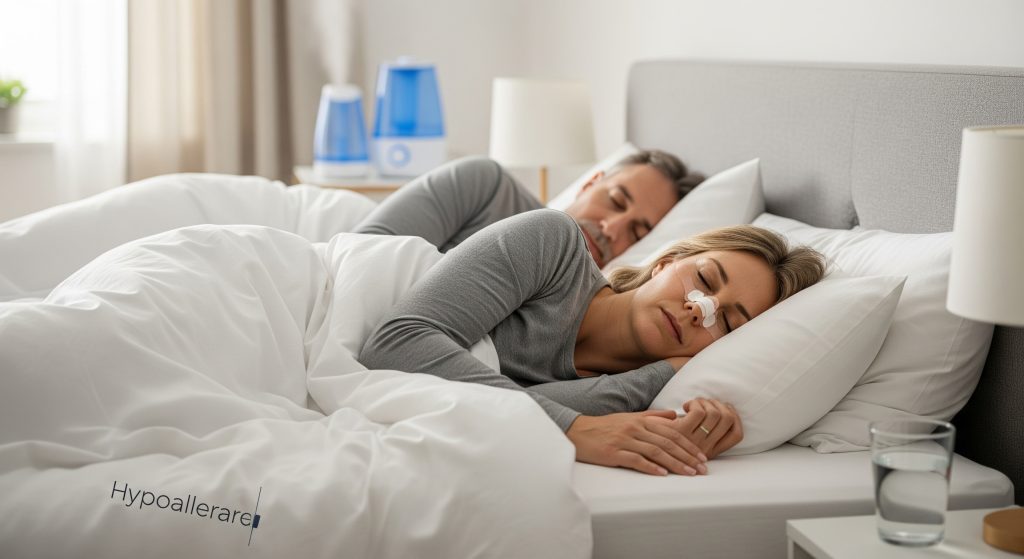
Among the most common snoring causes, nasal congestion is frequently underestimated. When the nose is blocked, airflow diverts to the mouth. The soft palate and uvula then vibrate more. This increases sound intensity and disrupts sleep continuity. In practice, I look for triggers such as seasonal rhinitis, chronic sinus inflammation, or a deviated septum. The remedy depends on the driver. Saline rinses, short courses of decongestants, or allergen control can each improve airflow. A simple example is switching to a hypoallergenic duvet and regular filter changes at home.
2. Obesity and Excess Weight
Weight gain is one of the clearest snoring causes. Fat deposits around the neck and tongue reduce airway calibre at night. The result is turbulent airflow and louder vibration. Elevated BMI also correlates with a higher probability of obstructive patterns during sleep. The implication is clear. Weight loss often reduces snoring loudness and frequency. I advise progressive, sustainable loss rather than extreme diets. A 5 to 10 percent reduction can lower airway resistance to a meaningful extent. The benefit compounds with other measures, including posture changes and nasal care.
3. Sleeping Position
Body position is a modifiable contributor within the wider list of snoring causes. Supine sleep allows the jaw and tongue to fall back. Gravity does the rest. Side sleeping stabilises the airway and reduces collapsibility. I have seen consistent improvements when patients adopt positional therapy. This includes wedge pillows, a tennis ball sewn into the back of a top, or wearable vibratory trainers. Each method aims at the same target. Keep the airway open enough so airflow remains laminar rather than turbulent.
4. Alcohol and Sedative Use
Alcohol and sedatives belong on any serious list of snoring causes. Both depress upper airway muscle tone. The throat becomes more collapsible at precisely the wrong moment, during REM-rich second half of the night. Evening intake has an outsized effect. The practical advice is conservative. Avoid sedatives for sleep unless clinically necessary and timed appropriately. Limit alcohol at least three hours before bed. The concept is simple. Maintain airway tone, and the snoring intensity falls. It is not only about sleep quality. It is also a safety consideration for anyone with borderline airway stability.
5. Age-Related Muscle Relaxation
Ageing changes the airway. That change sits among the quieter snoring causes. Muscle tone diminishes. Soft tissues sag a little more. The same nasal resistance that felt trivial at 30 now matters at 60. In women, menopausal shifts can exacerbate the effect through altered muscle responsiveness. The best response is layered. Optimise nasal airflow, strengthen upper airway with targeted exercises, and avoid anything that relaxes tissue tone at night. I also consider positional adjustments and a careful review of medications that might compound the effect.
6. Anatomical Factors
Anatomical structure often underpins persistent snoring causes. A crowded oropharynx, elongated soft palate, enlarged tonsils, or a deviated septum can each narrow the airway. I prefer a simple map to clarify which feature may be relevant.
|
Anatomical factor |
Likely effect on airflow |
|---|---|
|
Deviated septum |
Higher nasal resistance, mouth breathing at night |
|
Enlarged tonsils/adenoids |
Oropharyngeal narrowing, louder vibration |
|
Elongated soft palate/uvula |
Increased soft tissue flutter |
|
Retrognathia or small jaw |
Posterior tongue displacement in sleep |
These features do not condemn anyone to snoring. But they shift the threshold. Small irritants cause loud outcomes.
7. Allergies and Respiratory Infections
Allergic rhinitis and upper respiratory infections add two relevant snoring causes. Inflammation thickens mucosa and boosts nasal resistance. Mouth breathing follows. The palate vibrates more, and the noise escalates. The plan is straightforward. Treat the inflammation, reduce exposure to allergens, and create a consistent bedtime routine that supports nasal breathing. I recommend HEPA filtration in the bedroom for severe pollen seasons. I also prefer short, well targeted use of intranasal steroids when clinically indicated.
8. Smoking Effects
Smoking irritates and inflames airway tissues. That inflammation sits firmly among behavioural snoring causes. Swollen mucosa shrinks the airway, while chronic cough destabilises sleep. There is also a knock-on effect. Smokers often have more nasal congestion and sinus problems. The most effective intervention is complete cessation. Even partial reduction can improve night-time airflow to some extent. I support this with nicotine replacement, behavioural coaching, and a clean indoor air policy.
Understanding the Connection Between Snoring and Sleep Apnoea
Key Differences Between Simple Snoring and Sleep Apnoea
Many ask whether loud snoring automatically means sleep apnoea. The answer is nuanced. Simple snoring causes sound but not repeated breathing pauses. Obstructive sleep apnoea involves recurrent airway collapse with reduced oxygen levels and arousals. The clinical picture diverges. Apnoea presents with witnessed pauses, choking events, and consistent unrefreshing sleep. Snoring alone is noise without physiological compromise. But. Snoring can be an early signal when risk factors cluster.
Warning Signs of Sleep Apnoea
Snoring causes become more concerning when specific signs appear. The following warrant evaluation:
-
Witnessed breathing pauses or choking during sleep.
-
Persistent morning headaches or dry mouth.
-
Excessive daytime sleepiness and reduced concentration.
-
Nocturia, fragmented sleep, or unexplained blood pressure variability.
Any combination with obesity, resistant hypertension, or atrial fibrillation raises suspicion. I treat these as triggers for diagnostic testing rather than watchful waiting.
Risk Factors for Developing Sleep Apnoea
Several profiles recur in clinic. They also overlap with recognised snoring causes:
-
Elevated BMI and central weight distribution.
-
Male sex, peri-menopausal or post-menopausal status in women.
-
Retrognathia, enlarged tonsils, or a thick neck circumference.
-
Alcohol or sedative use in the evening.
-
Nasal obstruction or chronic rhinitis.
Arguably, the interaction matters more than any single item. Moderate risks stack and produce a marked effect.
Health Complications of Untreated Sleep Apnoea
Untreated apnoea contributes to hypertension, arrhythmias, glucose dysregulation, and mood disturbance. Cognitive performance often suffers. Work accidents become more likely due to microsleeps and lapses. These are not theoretical risks. They are observed consequences of chronic intermittent hypoxia and sleep fragmentation. The protective strategy begins upstream. Address the snoring causes and break the progression curve.
Diagnostic Tests and Medical Evaluation
I consider two broad pathways. Home sleep apnoea testing suits high probability cases without major comorbidity. Full polysomnography is preferable when the diagnosis is uncertain, when conditions overlap, or when therapy titration is needed. Pre-test evaluation must be structured. I use a brief screen that includes body habitus, neck circumference, blood pressure, nasal examination, and a medication review. This structured approach prevents missed signals and speeds the move from suspicion to action.
Effective Remedies and Treatments to Stop Snoring
Lifestyle Changes and Natural Remedies
If the question is how to stop snoring, lifestyle sits at the centre. Behavioural changes address several snoring causes at once. Key measures include:
-
Reduce alcohol intake and avoid it close to bedtime.
-
Establish a regular sleep schedule and a quiet, dark bedroom.
-
Treat nasal congestion with saline rinses and allergen reduction.
-
Prioritise weight control and daily activity.
-
Try targeted oropharyngeal exercises to improve muscle tone.
These are not vague wellness tips. Each step improves airflow or airway stability. Combined, they often deliver a measurable reduction in noise and arousals.
Sleep Position Adjustments
Positional therapy remains one of the most direct snoring remedies. It addresses a mechanical pathway among snoring causes. Practical options include body pillows, anti-snore shirts, and wedge supports. I prefer solutions that are comfortable and repeatable. The best approach is the one a person will use every night. For a simple start, place a firm pillow behind the back to discourage rolling supine. Consistency turns a small adjustment into a reliable gain.
Weight Management Strategies
Weight management is often the decisive answer to how to stop snoring. Fat reduction around the neck and tongue reduces collapsibility. I recommend a structured plan with two phases. First, establish a modest caloric deficit and maintain adequate protein. Second, ensure long-term adherence with resistance training and realistic targets. In practice, even a modest change lowers mechanical load on the airway. Appetite control strategies, including higher fibre intake and earlier dinner timing, also help.
Nasal Strips and Dilators
Nasal dilators can be effective snoring remedies where nasal resistance is prominent. They lift or widen the nasal valves and reduce inspiratory effort. I find them most useful in sportier noses or during allergy seasons. They are low risk and relatively inexpensive. If benefit is partial, combine them with saline rinses or short-term topical therapy. The aim is to convert mouth breathing back to nasal breathing for most of the night.
Anti-Snoring Devices and Mouthpieces
Oral appliances, particularly mandibular advancement devices, target one of the mechanical snoring causes. They move the jaw slightly forward and stabilise the tongue base. Benefits include portability and silent operation. Drawbacks can include jaw discomfort or dental sensitivity. A clinician-fitted device usually outperforms generic versions. For bruxism, a dual-function device can protect teeth and open the airway. Device therapy also pairs well with positional strategies.
Pros
-
Non-invasive and adjustable.
-
Good for travel and bed partner acceptance.
Cons
-
Requires dental review and periodic adjustments.
-
Less effective with severe anatomical narrowing.
Medical Treatments and Procedures
When conservative steps underperform, procedural options can address structural snoring causes. Palatal procedures aim to stiffen the soft palate and reduce flutter. Nasal surgery can straighten a severely deviated septum or open narrow valves. In very selected cases, reduction of enlarged tonsillar tissue is considered. Outcomes depend on careful selection and clear goals. Surgery is not a cure-all. It is a tool to remove a bottleneck so other therapies work better. Long-term follow-up remains essential to sustain results.
CPAP Therapy for Sleep Apnoea
Continuous positive airway pressure remains the gold standard for moderate to severe obstructive sleep apnoea. Many ask whether CPAP is one of the snoring remedies. Yes, when apnoea is present. It splints the airway open and eliminates vibration. I prioritise mask fit, humidity comfort, and patient education. Compliance improves when the device is quiet, the mask is comfortable, and the pressure profile is tuned. Review data after the first fortnight and again at six weeks. Minor tweaks make major differences.
When to Consult a Sleep Specialist
Referral is prudent when snoring causes daytime impairment, when warning signs of apnoea exist, or when self-directed measures fail. I also advise specialist input for patients with cardiovascular disease, arrhythmia, diabetes, or pregnancy. Significant anatomical issues merit ENT assessment. A collaborative plan moves faster and avoids trial-and-error fatigue. It also ensures the right test is chosen the first time.
Taking Action Against Snoring
Snoring is a symptom, not an identity. The route to change is systematic. Identify the dominant snoring causes. Apply one or two high-yield interventions with discipline. Review the effect after two to four weeks. Then add or adjust. If there are red flags for apnoea, organise testing without delay. A practical sequence helps:
-
Reduce evening alcohol and review sedative use.
-
Optimise nasal airflow and allergy control.
-
Adopt side sleeping with positional supports.
-
Begin weight management if BMI is elevated.
-
Trial a mandibular advancement device if oral anatomy suggests benefit.
-
Seek a sleep evaluation if symptoms persist or apnoea is suspected.
This is how to stop snoring in a measured, evidence-led manner. It prevents drift and focuses energy where it counts. Stronger sleep follows. So does better health.
Frequently Asked Questions
Can children develop sleep apnoea from snoring?
Children can develop obstructive events, especially with enlarged tonsils or adenoids. Their snoring causes often include nasal obstruction and allergic inflammation. Behavioural changes may help, but persistent symptoms require paediatric assessment. Growth, learning, and behaviour can all improve after effective treatment. Early evaluation is the safer path.
Is snoring hereditary?
There is a familial component. Craniofacial structure, soft tissue characteristics, and weight patterns run in families. These can influence snoring causes in predictable ways. However, lifestyle and environment modify risk. Shared habits matter as much as genetics in many households. I advise treating heredity as a nudge, not a verdict.
How can I tell if my snoring is serious?
Snoring becomes serious when it clusters with choking events, notable daytime sleepiness, or resistant hypertension. These features suggest more than benign noise. They indicate airway instability at night. If any are present, arrange testing. If none are present, target the modifiable snoring causes and monitor change over a month.
Do anti-snoring pillows actually work?
They can help when position is a major factor. The best designs support side sleeping and align the neck. This reduces collapsibility in those with positional snoring causes. Results vary because anatomy varies. Consider a trial period and combine with nasal optimisation. The combined effect is often greater than either alone.
Can yoga or breathing exercises reduce snoring?
They can, to an extent. Exercises that improve diaphragmatic control and nasal breathing lower inspiratory effort. Oropharyngeal exercises strengthen the upper airway. These address muscular snoring causes. Gains are usually incremental rather than dramatic. Consistency is the differentiator. Ten focused minutes daily outperforms sporadic effort.
What percentage of snorers have sleep apnoea?
Prevalence varies by population and by screening method. As far as current data suggests, a substantial minority of habitual snorers meet diagnostic criteria. The proportion increases with age, weight, and anatomical narrowing. These are the same snoring causes that amplify risk. When in doubt, test rather than guess.

