






 We do what's right for you...


Angiography vs Angioplasty: Key Differences Explained for Indian Patients
Dr. Hriday Kumar Chopra
Common advice says heart tests and heart treatments are the same step in a single visit. That belief causes confusion and anxiety. I prefer a clear distinction. I explain angiography and angioplasty separately first, then show how they often work together in practice. The result is a calmer decision and better outcomes.
Key Differences Between Angiography and Angioplasty
Angiography: Diagnostic Imaging Procedure
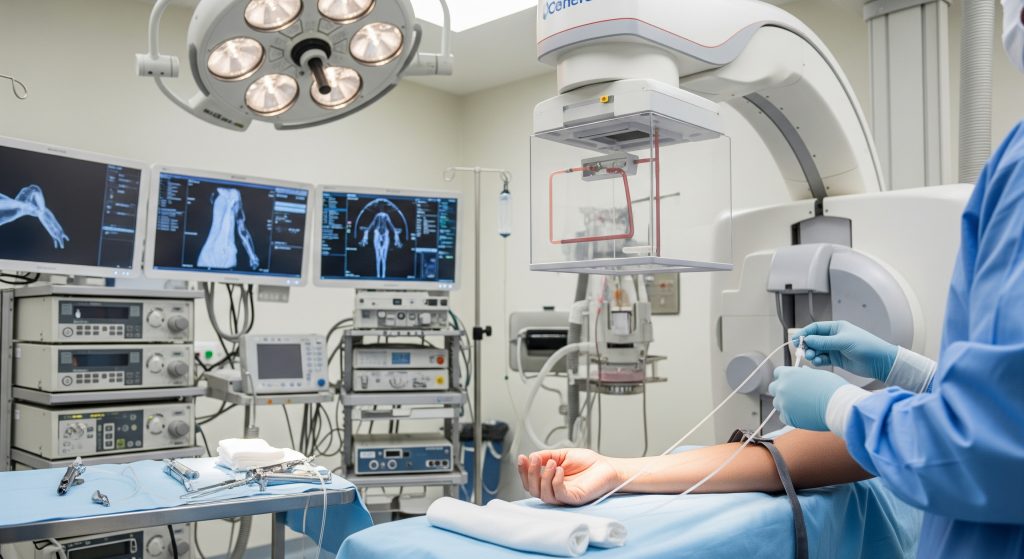
I describe angiography as a map. It shows where the coronary arteries are narrow or blocked. A thin catheter enters through the wrist or groin, contrast dye is injected, and X-ray images guide the assessment. The objective is clarity. I want to know which artery is affected, how severe the narrowing is, and whether medical therapy alone could work. It is minimally invasive and usually a day-care procedure.
-
Primary role: diagnosis and planning.
-
Tools: catheter, contrast dye, X-ray imaging.
-
Outcome: a report and images that guide next steps.
Angioplasty: Treatment Intervention Procedure
Angioplasty is the fix after the map. I pass a balloon and often a stent through the catheter to open the narrowed artery. The goal is to restore blood flow to the heart muscle. It addresses symptoms like chest pain and can limit damage during a heart attack. It is a therapeutic procedure with a clear before and after. When successful, the artery diameter improves immediately.
-
Primary role: treatment and restoration of flow.
-
Tools: balloon, guidewire, and usually a stent.
-
Outcome: widened artery with better blood supply.
Purpose and Goals Comparison
|
Aspect |
Angiography |
Angioplasty |
|---|---|---|
|
Core aim |
Diagnose coronary artery disease |
Treat the identified narrowing |
|
Timing |
Before deciding treatment |
When treatment is indicated |
|
Result |
Images and severity grading |
Reopened artery, symptom relief |
In practice, I use angiography to judge whether angioplasty is appropriate, safe, and proportionate. Diagnosis first. Therapy next.
Procedure Duration and Recovery Time
-
Angiography typically takes 15 to 45 minutes. Observation follows, then discharge the same day in many cases.
-
Angioplasty usually ranges from 30 minutes to 2 hours. Hospital stay is commonly one night, sometimes longer.
Recovery is faster through the wrist. It allows early mobilisation and fewer access-site issues. Groin access remains an option for complex anatomy.
Risk Factors and Complications
No procedure is risk free. With angiography, concerns include bleeding at the access site, dye reactions, and transient kidney strain. With angioplasty, risks include stent thrombosis, vessel dissection, and the need for urgent bypass surgery in rare cases. I assess risk by age, kidney function, diabetes, and clotting status. Balanced judgement matters.
Cost and Practical Considerations for Indian Patients
Treatment Costs in Indian Hospitals
Costs vary by city, hospital category, device choices, and complexity. A single stent costs less than multiple complex stents. Government institutions may price differently from private centres. Day-care angiography is usually more affordable than a full angioplasty. It is prudent to request an itemised estimate that separates procedure fees, consumables, room charges, and professional fees.
-
Ask for a written estimate with inclusions and exclusions.
-
Clarify stent type and count if angioplasty is planned.
-
Confirm follow-up visit costs and post-procedure medicines.
Insurance Coverage and Cashless Options
Most comprehensive policies cover both procedures when medically indicated. Cashless approval depends on documentation, network status, and real-time clinical notes. I advise patients to keep identity proofs, policy details, and previous reports ready. For non-network hospitals, reimbursement is possible with proper invoices and discharge summaries.
A practical tip: pre-authorisation for planned angiography simplifies same-day decisions if angioplasty becomes necessary.
When Your Cardiologist Recommends Each Procedure
I recommend angiography when symptoms, tests, or risk scores suggest coronary disease. If the angiogram reveals significant narrowing that correlates with symptoms, I consider angioplasty. In a heart attack, I proceed to immediate angioplasty when feasible. In stable disease with moderate lesions, I may prefer medicines first and staged reassessment. Clinical context rules.
-
Urgent setting: heart attack with ongoing pain, proceed to angioplasty.
-
Stable setting: confirm severity, weigh medicines vs stent benefit.
Preparation Requirements and Follow-up Care
I ask patients to arrive fasting as instructed, bring current medicines, and share any allergy history. Blood tests and kidney function checks are standard. After angiography, hydration helps flush the contrast. After angioplasty, dual antiplatelet therapy is critical. Missing doses risks a stent clot. Lifestyle steps still matter.
“Pills and procedures support the artery. Daily habits protect the heart.”
-
Follow antiplatelet schedule meticulously.
-
Resume activity as advised, especially after wrist access.
-
Plan cardiac rehabilitation where available.
Making Informed Decisions About Heart Procedures
Think of angiography and angioplasty as complementary. One reveals the problem. The other corrects it. A quick example helps. A 58-year-old with exertional chest pain undergoes angiography, which shows a tight mid-LAD lesion. Based on symptoms and anatomy, we proceed to angioplasty with one drug-eluting stent. Symptoms settle, medicines continue, and cardiac rehab begins. Simple, stepwise, effective.
Some argue for angiography vs angioplasty as an either-or debate. The better question is whether the treatment matches the evidence and the patient profile. That is where shared decision-making shines. My role is to lay out the options, risks, and likely benefits with restraint and clarity. Your role is to align the plan with goals and circumstances. Together, we choose well.
Frequently Asked Questions
Can angioplasty be performed immediately after angiography?
Yes, when the angiogram shows a clear culprit lesion and consent is in place, I often proceed in the same sitting. This avoids a second access, speeds relief, and reduces total hospital time. Safety and indication remain the gatekeepers.
How long does recovery take after angiography vs angioplasty?
After angiography, many return to routine activity within 24 to 48 hours, especially with wrist access. After angioplasty, light activity usually resumes in a few days, with full recovery varying by case complexity. Your cardiology team will personalise milestones.
What are the success rates of angioplasty in India?
Success is high in experienced centres, though it varies by lesion complexity and patient factors. Calcified, long, or bifurcation lesions carry more challenge. Operator experience, imaging, and modern stents improve outcomes. Discuss centre volumes and your specific anatomy.
Is angiography always necessary before angioplasty?
In almost all cases, yes. Angiography defines the anatomy and guides stent sizing. In a heart attack, the diagnostic images form part of the same urgent procedure. Non-invasive tests guide suspicion, but the catheter images make the final call.
Which procedure is covered under health insurance policies?
Both are typically covered when medically indicated and documented. Cashless coverage depends on network status and timely pre-authorisation. Keep all reports and invoices organised for smooth processing.

