






 We do what's right for you...


All about Cardiothoracic and Vascular Surgery in India
Dr. Hriday Kumar Chopra
Common advice claims outcomes hinge mostly on surgeon skill. I disagree. In cardiothoracic and vascular surgery, results reflect systems, technology, and disciplined protocols working in concert. In this review, I outline what I look for when assessing centres in India, from the latest in cardiothoracic procedures to how teams plan for what happens after the operation.
Latest Advances in Cardiothoracic Procedures
1. Robotic Cardiac Surgery Technology
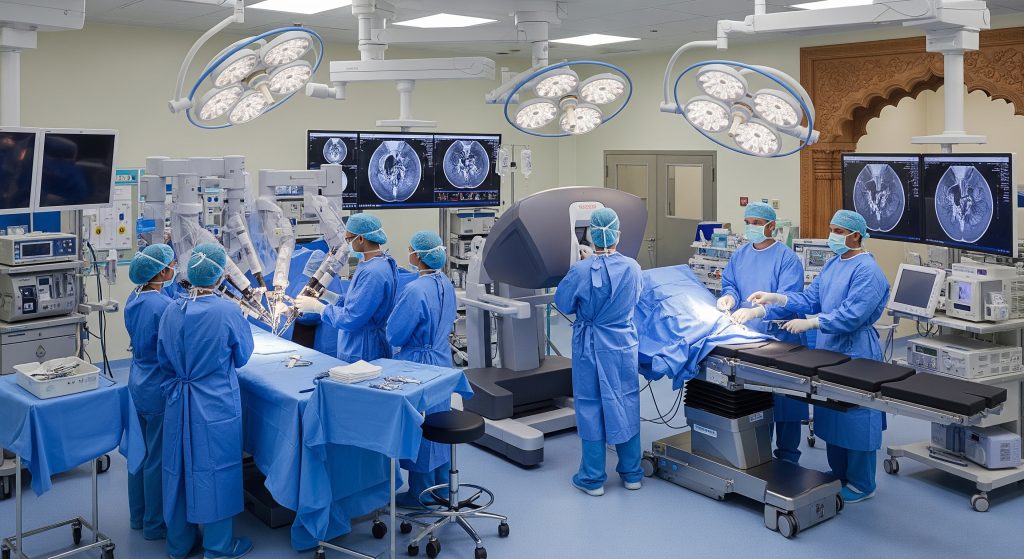
I prioritise programmes where robotics is not a showpiece but a routine adjunct. The best units use articulation, tremor filtration, and 3D visualisation to improve precision. Case selection remains critical. Mitral valve repair, internal mammary harvest, and certain atrial procedures benefit most when anatomy and risk align.
Here is why this matters. Smaller access, less chest wall trauma, and improved manoeuvrability can mean cleaner repairs and fewer transfusions. But robotics is not a panacea. Conversion policies, anaesthesia depth protocols, and perfusion readiness should be explicit and rehearsed.
-
What I ask: annual robotic volume, conversion thresholds, and audited outcomes by procedure type.
-
What I expect: a dedicated console team, not an ad hoc roster.
2. Minimally Invasive Techniques
Minimally invasive spans more than small incisions. It includes endoscopic conduit harvest, mini-thoracotomy valves, and catheter-first approaches where appropriate. In vascular work, hybrid suites allow endovascular plus open repair in one sitting, which is often decisive for complex aortic disease.
|
Technique |
Typical Benefit |
|---|---|
|
Mini-thoracotomy valve repair |
Lower pain scores and earlier mobilisation |
|
Endoscopic vein artery harvest |
Reduced wound morbidity and shorter stay |
|
Hybrid aortic repair |
Single-episode care with tailored sealing zones |
In practice, robust imaging drives success. I look for preoperative CT with gated protocols, and intraoperative TEE that guides decisions rather than documents them.
3. Heart and Lung Transplantation
Transplant capability signals a mature ecosystem. It reflects retrieval logistics, intensive care expertise, and infection stewardship that spill over into complex routine surgery. Programmes with multidisciplinary boards usually handle advanced failure better, even when transplantation is not pursued.
Care continuity is essential. I assess social work integration, donor-recipient matching pathways, and immunosuppression education. A simple example says a lot. If a unit hands over a pocket card with drug timings and red flags, it probably runs a tight ship.
Reliable transplant care is a system property. Surgeons, intensivists, coordinators, and pharmacists move as one.
4. Telesurgery Innovations
True telesurgery is still emerging, but tele-mentoring and remote proctoring are already raising standards. High-fidelity audiovisual streams let senior surgeons supervise complex steps without crowding a theatre. This is safer training, and safer operations.
The enablers are mundane yet pivotal: network redundancy, latency control, and data security. I confirm escalation paths when feeds degrade. It sounds technical because it is. Patient safety depends on it.
Future of Cardiothoracic Surgery in India
India’s next stride will be outcomes transparency coupled with scale. Centres that report risk-adjusted results and publish protocols will likely lead. I expect broader adoption of ERAS pathways for cardiac surgery, with standardised nutrition, early extubation, and physiotherapy baked in.
Two shifts are decisive. First, structured valve repair programmes that protect leaflet tissue and prioritise durability. Second, an endovascular-first mindset for peripheral arterial disease when anatomy allows. Both reduce morbidity to some extent. Both demand skill sharing across cardiac and vascular teams.
I will add one contrarian note. High volume alone does not guarantee better results. Without vigilant infection control and audited transfusion practice, volume can hide variance. The best units invest in data, and in people.
For patients comparing options, I recommend a brief checklist:
-
Ask for mortality and stroke rates by procedure, risk-adjusted where possible.
-
Confirm availability of a hybrid suite and perfusion on standby.
-
Review discharge planning, including cardiac rehab timelines.
-
Ensure consultants handle complications and follow-up, not only the index case.
This is where cardiothoracic and vascular surgery differentiates reputable centres from the rest. The pathway is the product.
Frequently Asked Questions
What is the cost range for heart surgery in India?
Costs vary by procedure complexity, implant choice, surgeon seniority, and hospital tier. Transparent centres provide bundled estimates that include implants, ICU, medicines, and rehabilitation. I recommend a written quote with inclusions and exclusions. It reduces surprises and improves planning.
Which cities offer the best cardiothoracic care?
Major hubs include Delhi NCR, Mumbai, Chennai, Bengaluru, and Hyderabad. These cities host centres with hybrid theatres, advanced imaging, and dedicated cardiac ICUs. Selection should still focus on programme outcomes and your specific diagnosis. Geography helps. Outcomes decide.
How long is recovery after cardiac surgery?
Recovery depends on procedure type, comorbidity, and adherence to rehab. Many patients mobilise within days after minimally invasive approaches. Full recovery can take several weeks. A structured ERAS pathway and home monitoring usually shorten this trajectory.
Are international patients accepted at Indian hospitals?
Yes. Many hospitals run international patient desks that manage visas, medical summaries, and interpreters. I look for dedicated coordinators, not shared desks. Pre-visit teleconsults align expectations and streamline admission, especially for complex cardiothoracic and vascular surgery.
What qualifications do Indian cardiac surgeons have?
Surgeons typically hold MS or DNB in General Surgery followed by MCh or DNB in Cardiothoracic Surgery. Many also complete overseas fellowships and proctorships. I value proof of ongoing CME, society membership, and published outcomes more than titles. Competence shows in practice.

