





 We do what's right for you...


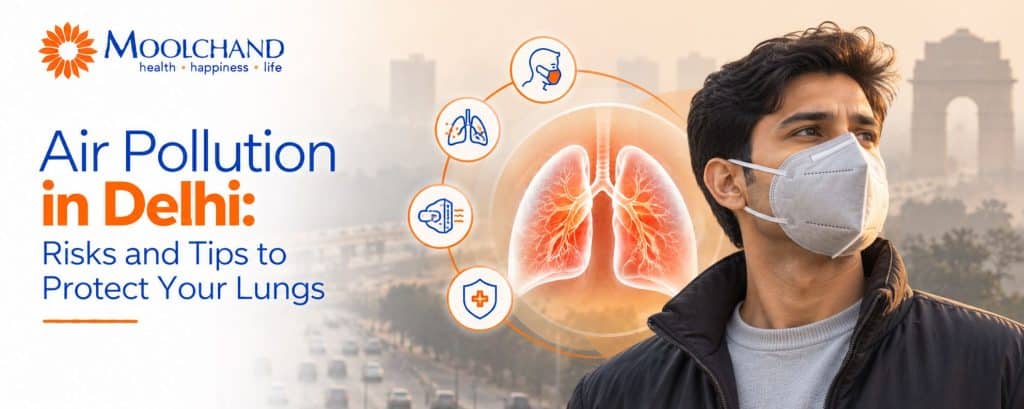
Air Pollution in Delhi: Risks and Tips to Protect Your Lungs
Dr. Kunal Luthra
Delhi’s air can become harmful for days at a time. Tiny particles and gases enter the lungs with every breath. This affects children, older adults and people with heart or lung disease the most. However, simple daily steps can lower the risk. This guide explains the risks and practical tips in plain words.
Why Delhi’s Air Gets So Polluted
Many sources add to the cause of air pollution in Delhi. Vehicle exhaust is a major source. Construction dust and road dust also add particles to the air. Burning of crop residue in nearby areas adds smoke. Industrial emissions and household fuel burning contribute as well. Cold weather traps these pollutants near the ground. The result is thick haze that stays for many days.
How Air Pollution Affects Your Lungs
Air pollution effects on lungs happen in several ways. Fine particles, called PM2.5, are very small. They pass deep into the airways and air sacs. There they cause inflammation and irritation. Over time, this can reduce lung function. Gases such as nitrogen dioxide can also irritate the airways. People with asthma may notice more attacks on polluted days. Those with COPD may feel more breathless.
How Air Pollution Affects Your Whole Body
The effects of air pollution on human health go beyond the lungs. Heart problems can increase on heavily polluted days. Pollution can also affect blood pressure and blood vessels. Children may face slower lung growth with long-term exposure. Pregnant women may face higher risks during pollution spikes. Eyes, nose and throat can feel dry or itchy. Headaches and tiredness are also common.
Short-Term and Long-Term Effects
Air pollution health effects appear in two ways. Some effects are short-term. They include coughing, wheezing and eye irritation. Other effects build up slowly. These include chronic bronchitis, reduced lung capacity and heart disease. Long-term exposure also raises the risk of lung cancer. The effects are stronger for people who already have health conditions.
Diseases Caused or Worsened by Air Pollution
Several air pollution diseases have strong links to polluted air. These include asthma flare-ups, bronchitis and pneumonia. Chronic obstructive pulmonary disease, or COPD, can also worsen. Heart attacks and strokes often rise when pollution levels stay high. Doctors often see more breathing complaints during high-pollution periods. Early care can prevent serious complications.
Air Pollution Symptoms You Should Not Ignore
Air pollution symptoms can seem like a cold or allergy at first. Watch for these signs:
- A dry or persistent cough
- Chest tightness or wheezing
- Shortness of breath during simple activity
- Burning or watery eyes
- Sore throat and runny nose that do not improve
- Frequent headaches or unusual tiredness
Seek medical advice if symptoms last more than a few days. Call a doctor quickly if breathing becomes very hard.
Who Is Most at Risk?
Some people face higher risk from polluted air. These groups include:
- Children and babies
- Adults over 60 years of age
- People with asthma, COPD or heart disease
- Smokers and people exposed to tobacco smoke
- Pregnant women
- Outdoor workers, such as traffic police and delivery riders
Know your risk and plan your day with care.
How to Protect Your Lungs From Air Pollution
Protecting your lungs starts with small daily choices. Check the how to protect lungs from air pollution basics below:
- Check the air quality index before going out.
- Wear a well-fitted N95 or equivalent mask on high-pollution days.
- Avoid outdoor exercise during peak pollution hours.
- Keep windows closed when the air is very poor.
- Use an air purifier in the bedroom and living area.
- Stay hydrated and eat fruits and vegetables rich in nutrients.
These steps lower exposure. They do not remove pollution completely, so combine them.
Air Pollution Prevention Tips for Your Home
Air pollution prevention tips work best at home, where you spend most time. Try these ideas:
- Clean floors with a damp cloth instead of dry sweeping.
- Avoid burning incense, candles or garbage indoors.
- Choose a purifier with a HEPA filter for the room size.
- Replace filters as the manufacturer advises.
- Keep pets’ bedding clean, since dust collects there.
- Do not smoke indoors, and avoid smoky spaces.
Good ventilation on low-pollution days also helps. Open windows briefly when the air outside is cleaner.
Staying Healthy on High Pollution Days in Delhi
Delhi air pollution health effects show up in daily routines. Families may see more sick days at school and work. Morning walks can trigger coughing on bad days. Elderly parents may feel more breathless in the cold. Plan activities around the air quality reading. Keep medicines ready if a doctor has prescribed them.
How to Choose a Chest Hospital in Delhi
Many people search for Chest Hospitals in Delhi when breathing problems begin. Choose a hospital with experienced lung specialists. Look for chest X-rays, lung function tests and oxygen support. Ask whether emergency care is available at all hours. A good centre also explains the plan in simple language.
Lung Care and Breathing Treatment Options
A lungs hospital in Delhi should offer complete care for breathing disorders. Expert teams manage asthma, COPD, pneumonia and pollution-related illness. Ask about follow-up visits and pulmonary rehabilitation programmes. Bring old reports and inhaler details to each visit.
Lung Doctors and Pulmonologists
Chest Specialist Doctors in Delhi help with long-term lung problems. Start with a general physician for first checks. They can refer you when needed. Best Pulmonologists in Delhi focus on lung diseases specifically. Check their training, experience and treatment approach. Ask them how they plan care for pollution-related problems.
Private or Government Care: Making the Choice
A Private hospital in Delhi often offers quicker appointments and private rooms. However, costs can be higher. Government hospitals usually charge less. Their waiting times may be longer during peak seasons. Compare costs, facilities and urgency before you decide. Do not delay care for a serious symptom while comparing options.
Questions to Ask Before You Choose
Many families want the best hospital in Delhi for lung and breathing care. The answer depends on your needs. Ask these questions before you choose:
- Are pulmonologists and critical care doctors available?
- Are chest X-rays and lung function tests done on site?
- Is emergency oxygen support available at all hours?
- Is the cost explained clearly before treatment?
- Does the hospital have recognised accreditation?
Moolchand Kharaiti Ram Hospital is JCI and NABH accredited. Accreditation means that standards are checked regularly. It is one useful factor when you compare options.
When Should You See a Doctor?
Seek medical help quickly if you notice these signs:
- Cough or breathlessness lasts more than a few days
- Chest tightness or wheezing is getting worse
- Lips or fingernails look blue or grey
- Fever comes with difficult breathing
- An inhaler does not give relief
Conclusion
Air pollution in Delhi is a real health concern. Simple daily habits can protect your lungs. Check the air, wear a mask when needed and seek care early. Share these tips with your family today.
Talk to our doctors: Call +91 1142000000
Frequently Asked Questions
What is air pollution in Delhi?
Air pollution in Delhi means harmful particles and gases in the outdoor air. These come from traffic, dust, smoke and industry.
What causes air pollution in Delhi?
Vehicle exhaust, construction dust, crop residue burning and industrial emissions are major causes. Cold weather also traps pollution near the ground.
How does air pollution affect the lungs?
Fine particles irritate the airways and air sacs. Over time, this can reduce lung function and worsen asthma or COPD.
What are the common air pollution symptoms?
A dry cough, chest tightness, breathlessness, watery eyes and sore throat are common symptoms.
Who is most at risk from air pollution?
Children, older adults and pregnant women face higher risk. Smokers and people with lung or heart disease do too.
How can I protect my lungs from air pollution?
Check air quality daily, wear a good mask outdoors and use an air purifier indoors. Avoid exercise during peak pollution.
Do masks help against air pollution?
A well-fitted N95 mask can reduce exposure to fine particles. Cloth masks offer much less protection.
Can air pollution cause long-term diseases?
Yes. Long-term exposure can contribute to chronic bronchitis, COPD, heart disease and lung cancer.
Which doctor should I see for pollution-related breathing problems?
Start with a general physician. A pulmonologist can assess and treat lung conditions in detail.
When should I go to hospital for breathing trouble?
Go immediately if breathing is very hard, lips turn blue, or chest pain is severe.