





 We do what's right for you...


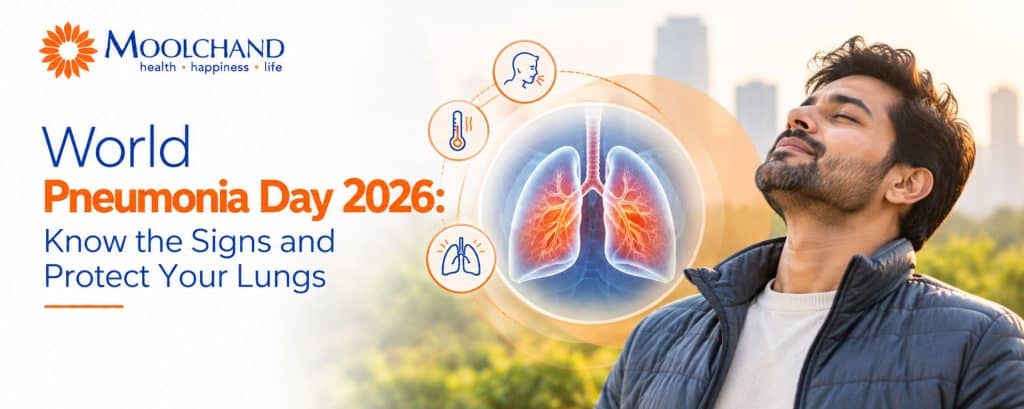
World Pneumonia Day 2026: Know the Signs and Protect Your Lungs
Dr. Kunal Luthra
Pneumonia is a lung infection that can affect anyone. It fills the small air sacs in the lungs with fluid or pus. Breathing becomes hard and painful. Good news: early care and prevention save lives. This guide explains pneumonia in simple words, so you can act early.
What Is World Pneumonia Day?
World Pneumonia Day is observed every year on 12 November. It raises awareness about pneumonia across the world. The day also highlights prevention, early diagnosis and access to treatment. Families, schools and hospitals take part in awareness activities. The 2026 observance is a good time to learn the basics. The day brings doctors, families and communities together. It encourages people to act early. Small steps can prevent serious illness.
Related: निमोनिया क्या है? लक्षण, कारण, इलाज और बचाव के उपाय
Definition of Pneumonia
Pneumonia is an infection of one or both lungs. The infection inflames the alveoli, which are tiny air sacs. These sacs normally carry oxygen into the blood. When they fill with fluid, oxygen passes less easily. The body then struggles to get enough oxygen. Doctors often describe pneumonia as a serious but treatable illness.
What Is Pneumonia and Who Is at Risk?
Pneumonia can develop after a cold, flu or other infection. Anyone can get it. However, some people face a higher risk. These include:
- Young children and infants
- Adults above 65 years of age
- People with diabetes, heart disease or lung disease
- Smokers and people who drink alcohol regularly
- People with weak immunity
Causes of Pneumonia
Several germs can cause pneumonia. The main causes include:
- Bacteria: The most common cause is Streptococcus pneumoniae.
- Viruses: Influenza, RSV and COVID-19 can all trigger pneumonia.
- Fungi: People with weak immunity can develop fungal infections.
Germs usually enter through breathing. Sometimes food or saliva goes into the lungs by mistake. Doctors call this aspiration pneumonia.
Symptoms of Pneumonia
Symptoms can appear slowly or suddenly. Common symptoms of pneumonia include:
- High fever with chills
- Cough that brings up phlegm
- Phlegm that looks yellow, green or blood-stained
- Shortness of breath or fast breathing
- Chest pain, especially when breathing deeply
- Tiredness and weakness
- Loss of appetite
Early pneumonia can feel like a bad cold. Do not ignore a fever and cough that last more than three days.
Pneumonia in Children and Older Adults
Children may show fast breathing, chest pulling inwards or poor feeding. They may also seem unusually sleepy or irritable. Older adults may not have a high fever. Confusion, weakness or a fall can be the first signs. Families should watch these changes closely.
Pneumonia Treatment
Treatment depends on the cause. Bacterial pneumonia needs antibiotics. Doctors prescribe the right medicine and the correct duration. Viral pneumonia often needs supportive care, such as fluids, rest and fever control. Severe cases may need oxygen or hospital admission. Patients should finish the full course of medicine. They should not stop early, even when they feel better. Recovery often takes one to three weeks. Some people feel tired for longer. Rest and good nutrition help the body heal.
Related: Pneumonia Management Explained: Symptoms, Risks and ...
Pneumonia Prevention
Prevention protects both you and your family. Simple steps can lower your risk:
- Wash hands with soap before eating and after using the toilet.
- Cover your mouth and nose while coughing or sneezing.
- Quit smoking and avoid smoky places.
- Keep your home clean and well ventilated.
- Treat colds and flu early, and rest well.
- Get vaccines recommended by your doctor.
Pneumonia prevention also includes a healthy diet and regular exercise. A strong immune system fights germs better. Clean indoor air matters too. Keep rooms airy and free from smoke and dust.
Vaccines That Help Prevent Pneumonia
Vaccines are one of the most effective tools for pneumonia prevention. Pneumococcal vaccines protect against a common bacterial cause. Flu vaccines reduce the risk of severe flu-related pneumonia. Doctors decide the right schedule based on age and health. Ask your doctor which vaccines suit you or your child.
How to Choose a Lung Care Centre
Many people search for a chest hospital in Delhi when breathing problems start. A good chest hospital offers experienced doctors and reliable diagnostic tests. Look for chest X-rays, blood tests and oxygen support. Check whether emergency care is available at all times. Ask about the team that will manage your care. This helps you choose wisely.
Lung Doctors and Breathing Specialists
A pulmonology hospital in Delhi focuses on lung and breathing disorders. Pulmonologists treat pneumonia, asthma, COPD and other lung conditions. Chest specialist doctors in Delhi also manage long-term breathing problems. Visit them if pneumonia keeps returning. Consult them if your cough lasts after recovery. Bring old reports and X-ray films to every visit.
How to Pick the Right Lung Specialist
Choosing the best pulmonologist in Delhi needs careful thought. Check the doctor’s qualifications and clinical experience. Ask how they diagnose and treat lung infections. Read patient reviews, but also ask your family doctor for advice. A good doctor explains the diagnosis clearly. They also explain the treatment plan and possible side effects.
Private or Government Care: Which Fits You?
A private hospital in Delhi often offers faster appointments and more private rooms. However, costs can be higher. Government hospitals usually charge less. Their waiting times can be longer during peak seasons. Compare the cost, facilities and waiting time before you decide. For severe symptoms, do not delay care while comparing options.
Key Questions to Ask Before You Choose
Many families ask which is the best hospital in Delhi for lung care. The answer depends on your needs. Ask these questions before you choose:
- Does the hospital have accreditation from a recognised body?
- Are pulmonologists and critical care doctors available?
- Is there 24-hour emergency and oxygen support?
- Are diagnostic tests, such as chest X-rays, available on site?
- Is the cost explained clearly before treatment begins?
Moolchand Kharaiti Ram Hospital is JCI and NABH accredited. Accreditation shows that standards are checked regularly. It is one useful factor, but not the only one.
When Should You See a Doctor?
Seek medical help quickly if you notice these signs:
- Fever and cough last more than three days
- Breathing feels fast, hard or painful
- Chest pain does not go away
- Lips or nails look blue or grey
- A child feeds poorly or breathes very fast
- An older adult becomes confused or very weak
What is World Pneumonia Day?
World Pneumonia Day is observed on 12 November each year. It raises awareness about pneumonia prevention and treatment.
What is pneumonia in simple words?
Pneumonia is a lung infection. It fills the air sacs with fluid, which makes breathing difficult.
What are the main causes of pneumonia?
Bacteria, viruses and fungi can cause pneumonia. Streptococcus pneumoniae is a common bacterial cause.
What are the symptoms of pneumonia?
Common symptoms include fever, cough with phlegm, shortness of breath and chest pain.
How is pneumonia treated?
Treatment depends on the cause. Bacterial pneumonia needs antibiotics, while viral cases need supportive care.
Can pneumonia be prevented?
Yes. Hand hygiene, not smoking, healthy living and recommended vaccines reduce the risk.
Which vaccines help prevent pneumonia?
Pneumococcal and flu vaccines help reduce the risk. Your doctor will suggest the right schedule.
Who is at higher risk of pneumonia?
Young children, older adults, smokers and people with chronic illnesses face higher risk.
Which doctor should I see for pneumonia?
Start with a general physician or internal medicine doctor. A pulmonologist helps with lung problems.
When should I go to the hospital for pneumonia?
Go immediately if breathing is very hard, lips turn blue, or confusion develops.