






 We do what's right for you...


A Complete How-To Guide for ICD Surgery: Preparation to Aftercare
Dr. Hriday Kumar Chopra
Standard advice for cardiac device procedures often focuses on the day of surgery. That misses where outcomes are most influenced. Careful preparation, clear expectations about icd insertion, and disciplined aftercare shape recovery and long-term confidence. This guide lays out the practical steps I give patients and colleagues, from pre-admission checklists to recognising red flags.
Pre-Surgery Preparation for ICD Insertion
Medical Tests and Evaluations Required
I confirm cardiac status and overall fitness for anaesthesia before scheduling. Typical assessments include:
-
Clinical review of symptoms, medications, and allergies.
-
Electrocardiogram and echocardiogram to document rhythm and cardiac function.
-
Blood tests for clotting, kidney profile, and infection screening.
-
Chest imaging where indicated to understand lung and venous anatomy.
-
Specialist input if there is complex comorbidity (for example, anticoagulation management).
Medications to Stop Before Surgery
I align therapy with bleeding and arrhythmic risk. In practice:
-
Some blood thinners may be paused or bridged after consultant review.
-
Certain diabetes medicines are adjusted to reduce hypoglycaemia risk while fasting.
-
Over-the-counter supplements that affect clotting are avoided pre-procedure.
Never alter medication without explicit instructions. Precision here prevents avoidable issues during icd insertion.
Fasting and Dietary Instructions
Hospitals provide clear fasting windows for food and fluids. I ask patients to follow those exactly (no last-minute snacks). Light water intake may be permitted until a cut-off. The goal is simple. Reduce aspiration risk and ensure safe sedation.
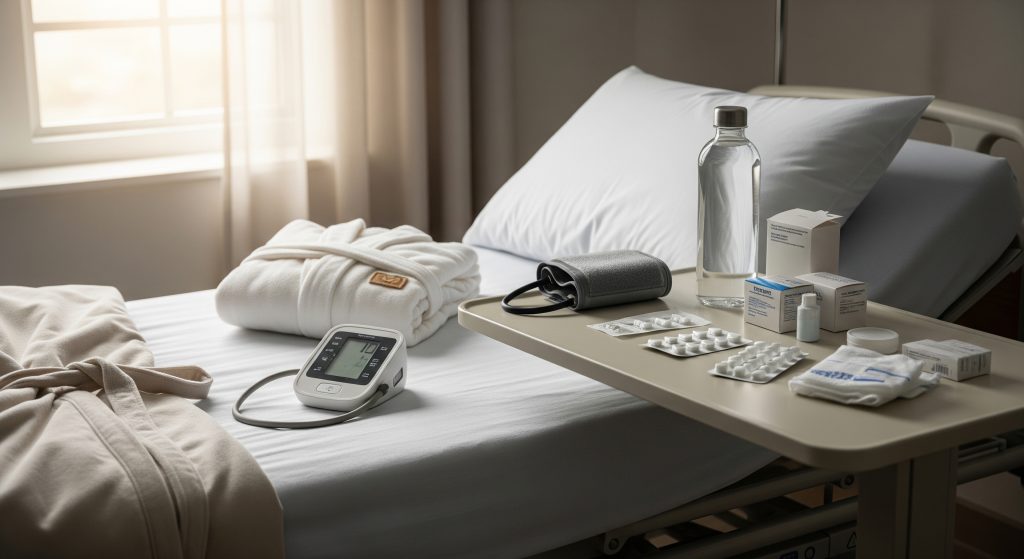
What to Bring to Hospital
-
Photo identification, insurance details, and medication list.
-
Comfortable front-opening clothing to protect the incision site.
-
Phone, charger, and an updated contact number for a family member.
-
Any home monitoring equipment requested by the team.
Managing Pre-Procedure Anxiety
Concern is rational. I recommend a short, structured plan:
-
Discuss the procedure steps with the clinical team. Clarity reduces rumination.
-
Practice slow breathing the night before and en route to theatre.
-
Use a written question list, then tick items off during consent.
Calm is not the absence of fear. It is a rehearsed response to it.
Understanding ICD Insertion Complications and Risks
Common Surgical Risks and Their Percentages
Percentages vary by centre and patient profile. Rather than quote figures that differ by methodology, I classify risks by likelihood bands.
|
Risk |
Typical likelihood band and note |
|---|---|
|
Bruising or haematoma |
Common. Usually settles with local care and observation. |
|
Bleeding requiring intervention |
Uncommon. Higher with certain blood thinners. |
|
Pneumothorax |
Uncommon. Related to venous access near the lung apex. |
|
Lead displacement |
Uncommon. Most often identified early on the ward or clinic. |
|
Infection |
Uncommon to rare. Risk rises with diabetes or repeated procedures. |
These are the icd surgery risks I explain at consent. Transparency supports safer choices.
Lead Displacement and Repositioning
Lead movement can reduce sensing or therapy delivery. Clues include new discomfort, twitching in the chest or shoulder, or device alerts. I request prompt review with device interrogation and imaging. Many cases are corrected with repositioning. Early reporting matters.
Infection Prevention and Management
Prevention begins before the first incision. I prioritise sterile technique, targeted skin preparation, and appropriate antibiotics. At home, patients keep the wound clean and dry, avoid submerging it, and monitor for redness or discharge. If infection is suspected, rapid assessment and culture-guided therapy protect the system. Occasionally, device extraction is necessary to fully clear infection.
Long-term Device-Related Complications
Over time, the generator battery depletes, leads can fatigue, and pocket tissue may thicken. None is inevitable, yet all are manageable with routine follow-up and remote monitoring. Software updates, threshold adjustments, or generator exchange restore performance. A measured approach prevents small issues from becoming system problems.
Emergency Warning Signs to Watch For
-
Repeated shocks or a single shock with persistent symptoms.
-
Syncope, new chest pain, or breathlessness at rest.
-
Fever with wound redness, swelling, or discharge.
-
Sudden swelling of the device pocket or arm on the implant side.
Seek urgent care if any of these occur. Speed protects heart and hardware.
Successfully Managing Your ICD Journey
Recovery starts with restraint. I advise gentle arm use on the implant side and avoidance of heavy lifting until cleared. A simple rule helps. Move the arm regularly, yet do not strain overhead early on. Scar care, good posture, and short walks support healing and mood.
Follow-up is the backbone. Scheduled checks confirm lead position, battery status, and therapy logs. Remote monitoring reduces clinic visits and catches trends earlier. It is basically preventive maintenance for a device that guards life.
Daily life usually resumes smoothly after icd insertion. Modern devices are well shielded from common electronics. Airports, smartphones, and household appliances are generally safe when used as advised. If uncertain, bring the device card and ask security for alternative screening.
Two final points. Build confidence with a brief emergency plan, and rehearse it with family. A pocket card with symptoms and contacts turns worry into action. And yet, stay pragmatic. Perfection is not required. Consistent, simple habits are enough.
Frequently Asked Questions
How long does ICD surgery typically take?
Most procedures complete within a single theatre session. Preparation and recovery add time on either side. I plan the day accordingly so no one feels rushed.
When can I return to work after ICD insertion?
Return depends on job demands and healing. Desk roles resume sooner than manual work. I individualise advice after the first check to balance safety and momentum.
What activities should I avoid during recovery?
Avoid heavy lifting, abrupt overhead motions, and contact sports until cleared. Gentle range-of-motion exercises are encouraged to prevent stiffness and reduce icd insertion complications.
How often will my ICD need checking?
There is a structured schedule of in-person and remote reviews. Frequency is tailored to clinical status and device findings. Reliability improves when checks are regular and simple.
Can I use electronic devices with an ICD?
Yes, in most everyday situations. Keep strong magnets and industrial fields away from the device site. If in doubt, I review specific equipment and advise practical spacing.

