






 We do what's right for you...


A Complete Explainer on Your Pregnancy Diet Plan by Trimester
Dr. Manju Hotchandani
Conventional advice says to eat for two. That slogan collapses under scrutiny. A precise, trimester-wise pregnancy diet plan does more for maternal energy, foetal growth, and long-term health than blanket calorie loading ever could. I will set out a clear framework, then translate it into practical menus and a simple pregnancy diet chart you can adapt. The goal is a healthy pregnancy diet that works in daily life, not a theoretical list that gathers dust.
Trimester-Wise Pregnancy Diet Plan
First Trimester Nutritional Requirements
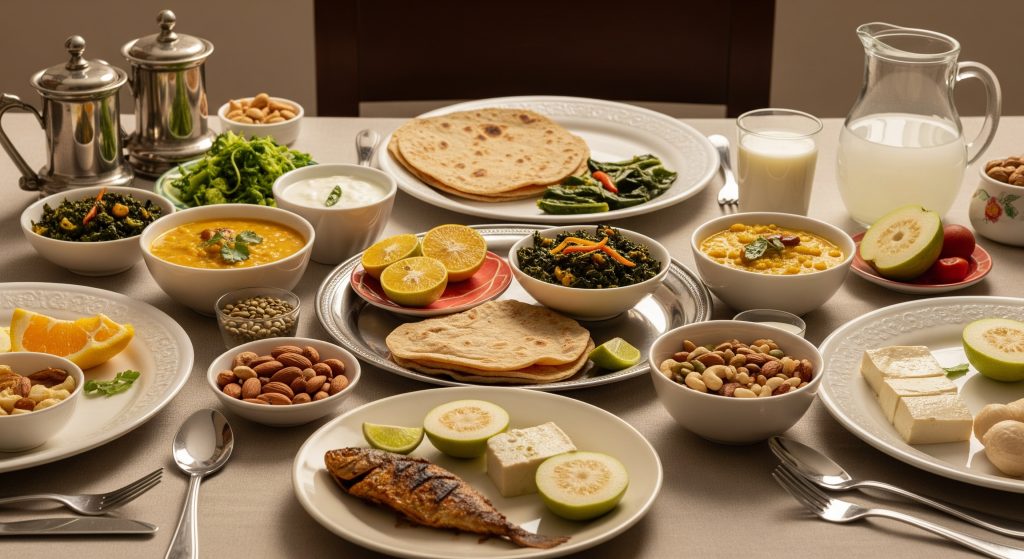
In the first trimester, I prioritise folate, steady protein, and gentle hydration. Appetite often fluctuates, so I structure small, frequent meals to stabilise blood sugar. A pragmatic pregnancy diet plan here includes cooked pulses, eggs or tofu, citrus or guava for folate, and whole grains. I keep fat moderate and avoid very spicy, greasy meals that may worsen nausea. A simple pattern works: breakfast, mid-morning snack, lunch, evening snack, and a light dinner.
-
Core targets: folate focus, light protein at each meal, and steady fluids.
-
Easy wins: fortified cereals, dal with rice, spinach-chickpea sabzi, yoghurt.
Second Trimester Dietary Guidelines
The second trimester usually brings better appetite. I raise protein and calcium, and I introduce iron synergy. That means I pair iron sources with vitamin C foods for better absorption. The pregnancy diet plan evolves from nausea management to growth support. I add one extra high-protein snack and rotate oily fish or flax for omega-3, where culturally suitable. Portion sizes increase modestly, but quality still beats quantity.
-
Protein target at each main meal with one protein snack.
-
Iron plus vitamin C pairings, such as chana and lemon.
Third Trimester Eating Plan
In the third trimester, I lean on fibre, magnesium, and steady protein to counter reflux, constipation, and night cramps. Meals become smaller, more frequent, and earlier in the evening to reduce heartburn. I prioritise cooked vegetables, soft roti or rice, and calcium sources at least twice daily. The pregnancy diet plan also includes an extra glass of milk or fortified plant milk if tolerated, and a firm eye on salt to limit swelling.
-
Small, early dinner and a light pre-bed snack if hunger persists.
-
Lean protein, soft textures, and gentle spices.
Essential Daily Nutrients Across All Trimesters
The following table summarises daily essentials. I use it as a quick cross-check when planning a healthy pregnancy diet.
|
Essential |
Role and Practical Sources |
|---|---|
|
Folate |
Neural development; spinach, beans, peas, citrus, fortified grains. |
|
Iron |
Red blood cell support; chana, rajma, lean meats, sesame, paired with lemon or amla. |
|
Calcium |
Bone development; milk, curd, ragi, tofu, sesame, fortified plant milks. |
|
Protein |
Tissue growth; dal, eggs, dairy, soy, fish, lean poultry, nuts. |
|
Omega-3 |
Brain and eye development; oily fish, flax, chia, walnuts. |
|
Fibre |
Gut health; whole grains, fruits, vegetables, pulses. |
|
Fluids |
Circulation and digestion; water, buttermilk, soups, coconut water. |
Portion Control and Meal Frequency
I recommend three structured meals and two to three snacks, adjusted for appetite. Smaller plates help moderate portions without fuss. In practice, I fill half the plate with vegetables, a quarter with protein, and a quarter with whole grains. It is basically the simplest plate model for a pregnancy diet plan. If nausea is present, I use snacks every two to three hours to prevent dips in blood sugar.
-
Eat slowly and stop when comfortably full.
-
Front-load daytime calories if reflux worsens at night.
Weight Gain Recommendations by Trimester
I approach weight gain as a range, not a scoreboard. The aim is steady progress aligned with clinical advice. This table provides a practical, general framework to discuss with a clinician.
|
Trimester |
Typical Pattern |
|---|---|
|
First |
Minimal change, sometimes slight loss with nausea. |
|
Second |
Gradual, consistent increases as appetite improves. |
|
Third |
Continued steady gain, then plateau close to term. |
I focus on nutrient density rather than chasing weekly numbers. Progress, not perfection.
Foods to Avoid During Pregnancy
High-Risk Raw Foods
Raw or undercooked items carry avoidable risk. I exclude raw eggs, runny yolks, raw sprouts, and undercooked meats. I also avoid unwashed produce and pre-cut fruit that has sat out. A disciplined pregnancy diet plan leaves no room for guesswork with hygiene.
-
Cook eggs until whites and yolks are firm.
-
Reheat leftovers thoroughly before eating.
Unpasteurised Dairy Products
I remove unpasteurised milk, soft cheeses made from raw milk, and homemade dairy that is not boiled adequately. Pasteurised products are acceptable within the healthy pregnancy diet when well refrigerated. If uncertain, I default to yoghurt and hard cheeses from clear, reputable sources.
High Mercury Seafood
Large predatory fish can carry higher mercury levels. I choose small oily fish or plant omega-3 sources like flax and chia. If fish is part of the routine, I keep portions moderate and select low-mercury species. It keeps the pregnancy diet plan safe while preserving omega-3 benefits.
Processed Meats and Deli Items
Processed meats may contain preservatives and variable handling risks. I either avoid them or cook them till steaming hot. Freshly cooked lean meats or legumes provide a cleaner protein route. The decision is simple and conservative.
Excess Caffeine and Alcohol
I limit caffeine intake and exclude alcohol. For tea and coffee drinkers, I reduce serving size and choose earlier timings to protect sleep. Herbal infusions that are pregnancy safe are reasonable alternatives. They support a healthy pregnancy diet without stimulants.
Street Food and Outside Meals
Street food is tempting but unpredictable. I avoid items with raw sauces, reused oil, or poor refrigeration. If eating out, I select freshly cooked, piping hot dishes and skip raw salads. Safety is non negotiable in any serious pregnancy diet plan.
Building Your Healthy Pregnancy Diet
Vegetarian Protein Sources
Reliable vegetarian protein is entirely achievable. I rotate dal, rajma, chana, soy chunks, tofu, paneer, curd, quinoa, nuts, and seeds. I spread protein across meals rather than relying on a single large portion. This keeps energy stable and supports growth.
-
Combine pulses and grains for a complete amino acid profile.
-
Include nuts or seeds as a compact snack option.
Iron-Rich Foods and Combinations
For iron, I lean on legumes, leafy greens, sesame, jaggery in moderation, and lean meats where included. I improve absorption by pairing with lemon, tomato, or amla. I avoid tea or coffee with iron rich meals. It dulls absorption and undermines a careful pregnancy diet plan.
Calcium Sources Beyond Dairy
Dairy is not the only route. I use ragi, sesame, soy, tofu, leafy greens, almonds, and fortified plant milks. I separate high calcium meals from iron supplements when possible. That simple timing tweak reduces competition for absorption and helps a healthy pregnancy diet work harder.
Folate-Rich Indian Foods
Folate is easily sourced from daily Indian staples. I include spinach, methi, moong, chana, peas, drumstick leaves, and citrus fruits. Fortified atta or breakfast cereals also help. I fold these into a consistent pregnancy diet plan rather than sporadic bursts.
Managing Morning Sickness Through Food
For nausea, I recommend small, bland snacks on waking. Dry crackers, toast, banana, or plain idli can help. Ginger tea or lemon water may ease queasiness. Heavy, spicy, or oily meals often aggravate symptoms. Light, cold, and simple foods usually land better in sensitive mornings.
Hydration Guidelines During Pregnancy
Hydration needs rise gradually during pregnancy. I spread water intake throughout the day to avoid reflux at night. If plain water is unappealing, I rotate buttermilk, soups, infused water, or coconut water. Consistent fluids support digestion, circulation, and temperature control.
-
Keep a bottle visible and refill at set times.
-
Increase intake during heat or after exercise.
Sample Pregnancy Diet Charts
First Trimester Daily Menu
The aim is calm stomach, steady energy, and folate focus. Here is a realistic pregnancy diet chart for a workday routine.
-
Upon waking: Dry cracker or toast, warm water.
-
Breakfast: Poha with peas, or vegetable upma, plus yoghurt.
-
Snack: Orange or guava.
-
Lunch: Moong dal, rice or phulka, spinach sabzi, salad if tolerated.
-
Snack: Roasted chana or curd with fruit.
-
Dinner: Soft khichdi with vegetables and paneer or tofu.
-
Optional: Ginger tea before bed if nausea persists.
Second Trimester Daily Menu
With appetite improving, I move to protein anchored meals. This sample supports a healthy pregnancy diet without overcomplication.
-
Breakfast: Besan chilla with paneer, or eggs with whole grain toast.
-
Snack: Buttermilk and a small handful of nuts.
-
Lunch: Rajma, rice, mixed vegetable sabzi, lemon wedge.
-
Snack: Fruit and yoghurt, or soybean chaat.
-
Dinner: Grilled fish or tofu, roti, beetroot and carrot poriyal.
-
Optional: Warm milk or fortified plant milk.
Third Trimester Daily Menu
Meals become lighter and earlier. I double down on fibre and calm flavours. The pregnancy diet plan remains nutrient dense, just gentler.
-
Breakfast: Oats porridge with banana and chia.
-
Snack: Coconut water and roasted makhana.
-
Lunch: Chana dal, jeera rice, lauki or tori sabzi, curd.
-
Snack: Fruit smoothie or soft paneer cubes with pepper.
-
Dinner: Vegetable soup, soft roti, spinach tofu stir fry.
-
Optional: Small bowl of curd if hunger returns.
Special Diet Charts for Gestational Diabetes
For blood glucose control, I balance carbs with protein and fibre at every sitting. I avoid juices and sweetened drinks. I choose whole grains, legumes, lean protein, and measured fruit portions. Spacing meals every three hours helps. A disciplined pregnancy diet chart here reduces spikes and supports steady energy.
-
Plate model: half non starchy veg, quarter protein, quarter whole grain.
-
Test, record, and adjust portions with clinician guidance.
Post-Workout Meals for Active Pregnancies
For those cleared to exercise, I plan a light carb plus protein snack within **30** to **60** minutes. Examples include yoghurt with fruit, paneer and roti, or boiled eggs and toast. Hydration follows immediately. Training days deserve a small bump in calories to respect recovery. Performance is not the priority, but comfort and safety are.
Creating Your Personalised Pregnancy Diet Journey
Blueprints matter and personal context matters more. I begin with medical guidance, cultural preferences, and cooking capacity at home. Then I map a simple pregnancy diet plan with two constants: protein at every meal and one leafy portion daily. I audit the pantry and prep simple bases on weekends. I schedule groceries and block **20** minutes for bulk prep midweek. And yet, flexibility remains essential. Travel, fatigue, and taste changes will happen. The answer is a living plan that swaps items in without drama. That is how a healthy pregnancy diet survives the real world.
-
Build a two week rotation of meals you actually enjoy.
-
Use a shared list to track staples and reduce last minute gaps.
-
Pre-portion snacks to avoid random grazing.
-
Keep a short list of safe, reliable takeout options.
A final note on mindset. Progress, not perfection. Missed meals occur, preferences shift, and some days are simply hard. The job is to return to the plan with calm consistency. That is the quiet advantage.
Frequently Asked Questions
Can I eat papaya during pregnancy?
Ripe papaya is generally acceptable when eaten in moderate portions as part of a balanced plan. I avoid unripe or semi ripe papaya due to latex content. If there is any doubt or a specific medical history, I choose alternative fruits. The pregnancy diet plan stays effective without it.
How much water should I drink daily while pregnant?
Fluid needs vary with climate and activity. I aim for clear urine most of the day as a practical guide. For many, that means regular sips across **8** to **10** glasses daily, sometimes more in heat. I also include soups, buttermilk, and fruit with high water content.
Is it safe to follow a vegetarian diet during pregnancy?
Yes, a vegetarian approach can fully meet needs with planning. I include pulses, soy, dairy or fortified alternatives, nuts, seeds, and varied vegetables. I also check B12 and iron status with a clinician where relevant. A vegetarian pregnancy diet plan is entirely viable and robust.
What foods help reduce pregnancy nausea?
Light, bland options often help: dry crackers, toast, banana, idli, or plain yoghurt. Ginger tea and lemon water may ease queasiness. I avoid large, greasy, or intensely spiced meals. Frequent small portions stabilise the stomach and calm symptoms.
How many extra calories do I need per trimester?
Needs increase modestly and depend on starting status and activity. I treat calories as a range and emphasise quality. In practice, I add one snack in the second trimester and keep two nutrient dense snacks in the third. The emphasis remains a healthy pregnancy diet, not numbers alone.
Can I continue intermittent fasting during pregnancy?
I do not advise extended fasting windows during pregnancy. Long gaps can trigger nausea, low energy, and reflux. Instead, I recommend regular meals every **2** to **4** hours with balanced macros. The pregnancy diet plan benefits from consistency over restriction.

