




 We do what's right for you...


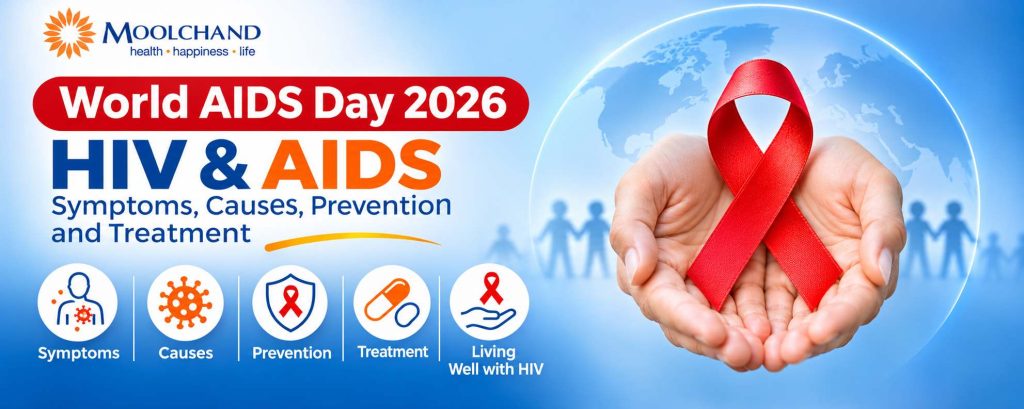
World AIDS Day 2026: HIV & AIDS Symptoms, Causes, Prevention and Treatment
Every year on 1 December, the world observes World AIDS Day. It reminds us that HIV is still a health issue. It also reminds us that HIV is manageable today. Many people still feel confused about HIV and AIDS. This guide explains the basics in simple words. You will learn the symptoms, causes, ways of spread, prevention, testing and treatment. HIV AIDS remains a serious health topic, but it is no longer a death sentence. Read it carefully, and talk to a doctor if you have concerns.
What Is HIV and AIDS?
HIV full form: Human Immunodeficiency Virus. AIDS full form: Acquired Immunodeficiency Syndrome. HIV is a virus that attacks the body’s immune cells. These cells help the body fight infections. Without treatment, HIV can weaken the immune system over time. AIDS is the later stage of HIV infection. At this stage, the immune system fails badly. Many people use these terms as one. But they describe different things. Knowing the difference reduces fear and wrong beliefs.
HIV and AIDS Difference
HIV and AIDS difference is important to understand. HIV is the virus. AIDS is a condition that can develop from untreated HIV. A person with HIV is not always at AIDS stage. Modern treatment can keep HIV under control for many years. With regular treatment, many people never reach AIDS stage.
World AIDS Day 2026 Theme
The World AIDS Day 2026 theme is access. The slogan is “Ending AIDS starts with access.” UNAIDS leads this campaign. The message is simple. Everyone needs access to HIV testing, treatment and prevention. Access also means legal protection and freedom from stigma. World AIDS Day awareness helps people learn these facts and speak openly.
Some key facts from UNAIDS are worth knowing. About 32.1 million people were on HIV treatment. In 2025, about 570,000 people died of AIDS-related causes. Still, nearly 9 million people living with HIV had no treatment access. Since 2010, new infections have fallen by 42 percent.
HIV Symptoms and Early Symptoms of HIV
HIV symptoms often appear in stages. Early symptoms of HIV can look like a common flu. Many people do not notice any symptoms at all. Some people feel fine for years. That is why testing matters so much.
Early Symptoms of HIV
Early symptoms of HIV usually appear within two to four weeks. They may include:
- Fever and chills
- Swollen lymph nodes in the neck or armpits
- Sore throat and body ache
- Rash on the body
- Tiredness and weight loss
These symptoms often go away in a few weeks. The virus stays in the body even after they disappear.
HIV Positive Symptoms Over Time
HIV positive symptoms may appear slowly without treatment. A person may get frequent infections. Thrush in the mouth is common. Long-term fever and night sweats can also occur. Weight loss may continue. Some people develop skin problems and repeated cold sores. Only a test can confirm HIV status. Symptoms alone cannot confirm HIV. Many other illnesses cause similar signs. So a blood test is the only sure step.
AIDS Symptoms
AIDS symptoms appear when the immune system becomes very weak. The body struggles to fight even mild infections. Common AIDS symptoms include:
- Rapid weight loss over a few months
- Fever that lasts for weeks
- Severe tiredness that does not improve
- Long-lasting diarrhoea
- Repeated pneumonia or tuberculosis
- Skin infections and rashes that keep returning
AIDS is serious. But treatment can still help. Doctors also check for infections linked to AIDS during care. Early treatment prevents most people from reaching this stage.
AIDS Causes
AIDS causes trace back to untreated HIV infection. HIV damages the immune system slowly. Over time, the body cannot defend itself. Several factors increase the risk of HIV infection. These include unsafe sex, sharing needles, and blood transfusion with unscreened blood. Mother-to-child spread can also happen during pregnancy, birth or breastfeeding. Late diagnosis is another major reason for AIDS. Ignoring symptoms can delay care. Early care protects the immune system and overall health.
HIV Transmission and How HIV Spreads
HIV transmission happens through specific body fluids. These include blood, semen, vaginal fluid, and breast milk. How does HIV spread? It spreads through unprotected sex with an infected person. It also spreads through shared needles and syringes. Blood transfusion with infected blood is another route. A mother can pass HIV to her baby during pregnancy or breastfeeding.
HIV does not spread through hugging or shaking hands. It does not spread through sharing food or toilets. Mosquitoes and insects cannot transmit HIV. Casual contact is completely safe.
HIV Prevention
HIV prevention is possible with simple and proven steps. Knowledge is the first step. Safe choices protect both partners. Here are the main prevention methods:
- Use condoms correctly every time during sex
- Never share needles, syringes or razors
- Insist on screened blood for transfusions
- Get tested regularly, especially before new relationships
- Take pre-exposure prophylaxis, called PrEP, if a doctor advises it
- Start post-exposure prophylaxis, called PEP, as early as possible after risky exposure
PEP works only when started quickly. Doctors advise starting it within 72 hours. Waiting longer reduces its benefit.
HIV Test
An HIV test is the only way to know your status. Testing is quick and widely available. Condoms are a simple and effective barrier. Use them from start to finish of sex. Doctors use blood tests for accurate results. A fourth generation test checks for both antigen and antibody. This test detects infection earlier than older tests. Many clinics also offer rapid tests with quick results. Some people feel afraid to get tested. Remember that testing protects you and your partner. Many centres keep results private.
HIV Test Window Period
HIV test window period means the wait time after exposure. During this time, tests may miss the virus. The fourth generation test is reliable from about 18 days after exposure. The nucleic acid test, called NAT, can detect HIV earlier. It works from about 10 to 33 days after exposure. Testing too early can give a false negative. In that case, a repeat test is important.
HIV Test After Exposure
HIV test after exposure should follow a clear plan. Get a first test as soon as possible after a risky event. Doctors may suggest a repeat test after the window period. A final test is usually done after about three months. Until then, use condoms and avoid sharing needles. Also seek PEP within 72 hours if the exposure is recent.
HIV Testing in Delhi
HIV testing in Delhi is available at many hospitals and clinics. Ask about the cost before you go. Ask if the test needs a counsellor. Some centres offer confidential counselling along with the test. Ask whether the test is confidential before you visit. Ask about the test type and the time for results. Also ask what follow-up support the centre provides. A general physician or an internal medicine doctor can guide you to the right test.
HIV Treatment
HIV treatment uses daily medicines called antiretroviral therapy, or ART. ART stops the virus from multiplying. It protects the immune system. Treatment must continue every day for life. Doctors decide the exact medicines and dose for each person. Treatment also protects partners. Talk to your doctor about every medicine you take.
Modern treatment brings excellent results. A person with a very low viral load cannot pass HIV sexually. Doctors call this undetectable means untransmittable. People on treatment can live long, healthy lives. Missing doses can lead to drug resistance. So, take medicines on time and attend follow-up visits.
Choosing the Right Care in Delhi
The right care depends on your needs. A general physician in Delhi can start the first check-up. Some hospitals run an Internal Medicine Hospital department for long-term care. An internal medicine doctor manages long-term illness and infections. Specialists handle complex cases. Choosing the best hospital in Delhi means checking the facilities, doctors and follow-up services. Compare cost, location and waiting time too. A private hospital in Delhi may suit those who want quicker access. Ask about the doctor’s experience before you book.
This section does not rank any hospital. Your doctor can explain the best option for your situation.
When to See a Doctor Right Away
Some situations need quick medical care. Anyone worried about exposure should not wait for symptoms. Do not wait if you notice these signs:
- Fever, rash or swollen glands lasting more than two weeks
- Sudden weight loss without a clear reason
- Repeated infections that do not heal
- Possible exposure within the last 72 hours
- Pregnancy with a possible HIV risk
Conclusion
HIV is a manageable health condition today. Knowledge removes fear and stigma. Stigma stops many people from getting tested. Speak kindly, and support friends who test positive. Test early, protect yourself and seek treatment without delay. Ending AIDS starts with access to care for everyone. Share this message with someone who needs it this World AIDS Day.
Frequently Asked Questions
What is the theme of World AIDS Day 2026?
The theme is access, with the slogan “Ending AIDS starts with access.” It focuses on testing, treatment, prevention and legal protection for everyone.
What are the early symptoms of HIV infection?
Early symptoms include fever, swollen glands, sore throat, rash and tiredness. They often appear within two to four weeks of exposure. Many people have no symptoms.
What is the difference between HIV and AIDS?
HIV is the virus that weakens the immune system. AIDS is the advanced stage of untreated HIV. Modern treatment can stop HIV from reaching the AIDS stage.
How does HIV spread, and how can it be prevented?
HIV spreads through blood, semen, vaginal fluid and breast milk. Safe sex, clean needles, screened blood and regular testing prevent it.
When should someone get tested for HIV after possible exposure?
Get a first test as soon as possible after exposure. Repeat testing after the window period, and seek PEP within 72 hours if exposure was recent.
Can HIV be cured?
There is no cure yet. But daily treatment controls the virus and allows a long, healthy life.
Does HIV spread through hugging, sharing food or toilets?
No. HIV does not spread through casual contact. It spreads only through specific body fluids during certain activities.
Is HIV testing free in Delhi?
Many government centres offer free testing. Private clinics usually charge a fee. Ask the centre about costs and confidentiality before the visit.
Can a person with HIV have a healthy baby?
Yes. With regular treatment, the risk of passing HIV to the baby can fall very low. Pregnant women should get tested early and follow their doctor’s advice.
Which doctor should I see for HIV concerns?
Start with a general physician or an internal medicine doctor. They can order tests and refer you to an HIV specialist if needed.