






 We do what's right for you...


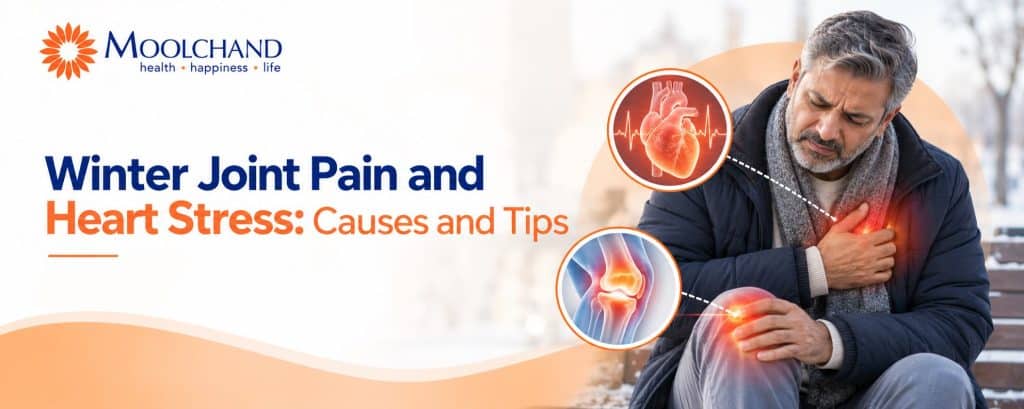
Winter Joint Pain and Heart Stress: Causes and Tips
Introduction
Every winter, the same complaints fill the OPD: stiff knees in the morning, aching fingers, and a heart that seems to work harder on cold days. Winter knee pain and joint pain in the winter are among the most common reasons people visit an orthopaedics hospital in Delhi. If this sounds familiar, you are not imagining it. Cold weather changes how your joints and cardiovascular system behave. Understanding why helps you stay comfortable and safe through the season.
Causes of joint pain: where winter fits in
Winter is one of several causes of joint pain. The most common reasons for joint pain include arthritis, old injuries, overuse, and joint muscle pain from strain. Pain in leg joints, such as the hips and knees, is often linked to body weight, age and inactivity. Winter and joint pain are closely connected because cold adds a seasonal layer on top of these causes, which is why many patients notice joint pain getting worse in the colder months. Identifying the underlying cause is the first step towards effective joint pain treatment.
Why cold weather makes joints stiffer
Joints are cushioned by cartilage and lubricated by synovial fluid. When temperatures drop, that fluid becomes thicker, and the muscles and tendons around the joint tighten. Many people with arthritis notice longer morning stiffness and more discomfort after sitting still. Cold also makes nerves more sensitive to pain signals, which is why an old knee injury can feel worse in December.
In Delhi-NCR, night temperatures can drop sharply in December and January, and many people reduce their daily movement during those months. Less movement means more stiffness. Winter knee pain is especially common for this reason, because the knees carry body weight and stiffen quickly when they are not moved.
How cold affects your heart and blood pressure
When your body is exposed to cold, your blood vessels narrow. This process, called vasoconstriction, helps conserve body heat, but it also pushes blood pressure upward. Your heart then has to pump against narrower vessels, which means more work.
Winter habits add to the strain. People exercise less, wear heavy clothes that restrict movement, and sometimes shovel snow or walk on icy paths. Cardiologists often advise extra care in winter because cardiac events, including heart attacks, are reported more often during colder months, particularly in older adults.
Related : Understanding Heart Disease: Causes, Symptoms
Joints vs heart: what cold does to each
| Joints | Heart and blood vessels | |
| What happens in cold | Joint fluid thickens; muscles and tendons tighten | Blood vessels narrow; blood pressure can rise |
| Common signs | Morning stiffness, aching fingers and knees, pain after sitting | Higher BP readings, breathlessness on exertion, chest discomfort |
| Who is affected most | People with arthritis or past joint injury | People with hypertension, heart disease, older adults |
| Helpful action | Warm up, gentle daily movement, physiotherapy | Check BP regularly, take medicines as prescribed, cardiology review |
Who is most at risk
Some people need to pay closer attention in winter:
- Adults with high blood pressure, heart disease, or a past heart attack or stroke.
- People with arthritis, especially rheumatoid arthritis or osteoarthritis that limits daily movement.
- Older adults, who often have less muscle mass and slower circulation.
- People who have recently had surgery or an injury to a joint.
- Anyone who is physically inactive during the colder months.
If you belong to one of these groups, speak to your doctor before winter starts about your medicines, your blood pressure target and an activity plan you can keep.
Joint pain symptoms to watch for
Common joint pain symptoms include:
- Pain or stiffness in the knees, hips, fingers or back, often worse in the morning
- Swelling, warmth or redness around a joint
- Reduced range of movement, or difficulty climbing stairs
- Muscle ache or pain in the leg joints after activity or long rest
Joint muscle pain that eases with rest and warmth is usually less worrying than pain that keeps getting worse.
Warning signs you should not ignore
Some symptoms need emergency care, not a wait-and-see approach. Call 112 right away if you have chest pain or pressure, pain spreading to the arm, jaw or back, shortness of breath, sudden dizziness or fainting. Do not drive yourself to hospital in these situations.
Joint pain with redness, heat, swelling or fever may signal infection or inflammation and needs prompt medical review.
Practical steps to protect your joints and heart
- Dress in layers. Keep your head, hands, feet and core warm. Heat loss through the extremities drives much of the vessel narrowing.
- Warm up indoors. Spend five to ten minutes on gentle movement before a walk or outdoor chores.
- Stay active at home. Stretching, walking around the house, or short low-impact exercise keeps joints mobile.
- Check your blood pressure regularly. Record readings at the same time each day and share them with your doctor.
- Take medicines as prescribed. Do not stop or change blood pressure or arthritis medicines without speaking to your doctor, even when the weather improves.
- Avoid heavy snow shoveling. Where it is relevant, take breaks, push rather than lift, and stop at any chest discomfort.
When to see a specialist
A general physician is a good first stop. Joint pain treatment depends on the cause and may include medicines, physiotherapy, activity changes and, in some cases, procedures or surgery. For persistent joint pain, an orthopaedic doctor can assess the joint, and a physiotherapist in Delhi can design a movement programme that builds strength and reduces stiffness. If you have heart symptoms or a known heart condition, see a cardiologist or heart doctor in Delhi, especially if your blood pressure is hard to control in winter. For a full heart check-up, a Heart Hospital in Delhi with dedicated cardiac services is the right place to start.
Physiotherapy is often underused. A few targeted sessions can teach exercises you continue at home, which many people find more effective than rest alone.
[Internal link: Orthopaedics department] · [Internal link: Cardiology department] · [Internal link: Physiotherapy services]
When to see a doctor: checklist
- Joint pain has lasted more than a few days
- Morning stiffness lasts longer than an hour
- Pain is disturbing your sleep or daily tasks
- Your home blood pressure readings are consistently high
- You have chest discomfort during exertion or cold exposure
- Joints are red, hot, swollen, or you have fever
Conclusion
Winter joint pain and heart stress share the same root: cold-driven narrowing of blood vessels, stiffer joints and reduced activity. Stay warm, move every day, take medicines as prescribed and know the warning signs. If symptoms persist or worry you, speak to a doctor and ask for a referral to the right specialist.
Looking for the best hospital in Delhi for joint or heart care?
Start with a team that examines the cause before recommending treatment. A good Orthopaedics Hospital team will also refer you to a heart doctor in Delhi if your symptoms need it.
Why do my joints hurt more in winter?
Cold makes joint fluid thicker, tightens the muscles around joints and can increase pain sensitivity. Lower activity adds to stiffness.
Does cold weather really raise blood pressure?
Yes. Cold narrows blood vessels, which can push blood pressure higher, particularly in people who already have hypertension.
Is it safe to exercise outdoors in cold weather?
For most healthy adults, yes, with a proper warm-up and layered clothing. People with heart disease should check with their doctor first and avoid exercising in very cold or icy conditions.
Can cold weather trigger a heart attack?
Cold exposure is linked to more cardiac events, mainly through blood pressure changes and physical strain. Recognising warning signs and acting quickly matters most.
Does weather really affect arthritis?
Many people report it, but research is not conclusive. Cold, damp conditions may increase symptoms for some people, and staying active helps whatever the weather.
What is the best exercise for winter joint stiffness?
Gentle, low-impact movement such as walking, swimming in a heated pool, indoor cycling and daily range-of-motion stretches. A physiotherapist can tailor a plan.
Should I take pain relievers for winter joint pain?
Some over-the-counter pain relievers help, but they are not suitable for everyone, especially people with heart or kidney conditions or those on blood thinners. Ask your doctor or pharmacist before using them regularly.
What is the treatment for joint pain?
Treatment depends on the cause. Options include medicines, physiotherapy, activity changes and, in some cases, procedures or surgery. An orthopaedic doctor can recommend the right plan after examining the joint.
How do I know if my heart symptoms are serious?
Chest pain, pressure, breathlessness or fainting should always be treated as urgent. Call 112 rather than waiting to see if symptoms pass.