






 We do what's right for you...


What Is the Best Thyroid Diet Plan for Weight Loss and Energy?
Conventional advice says to pick a single diet and follow it rigidly. That approach rarely fits thyroid physiology. I prefer a thyroid diet plan that prioritises hormone balance first, then weight loss. Energy follows when nutrition, timing, and recovery sit in the right order. The goal is simple. Eat in a way that supports the thyroid, stabilises glucose, and calms inflammation.
Top Thyroid Diet Plans for Weight Loss and Energy
1. Anti-Inflammatory Diet for Hypothyroidism
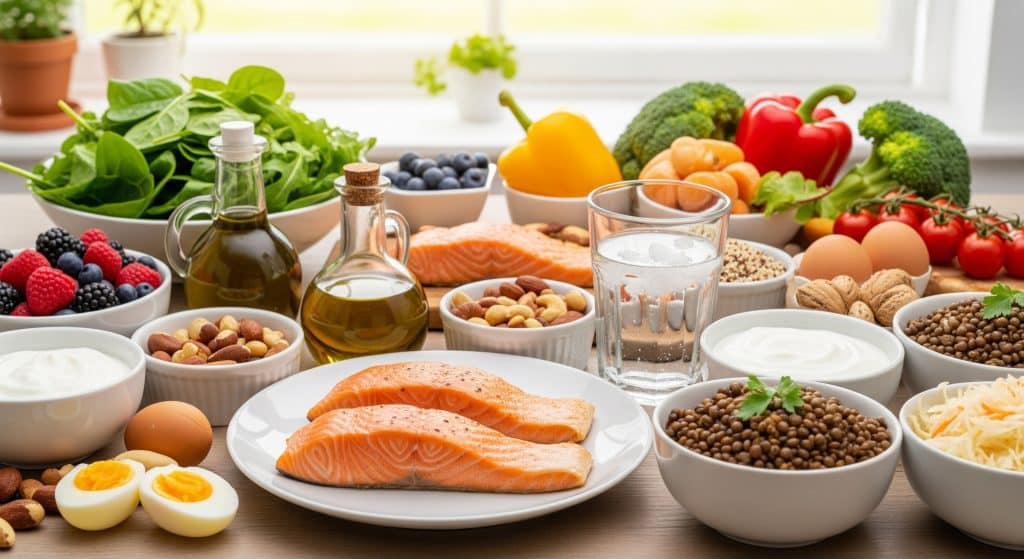
I start with inflammation control because the thyroid is highly sensitive to immune noise. A pragmatic anti-inflammatory framework reduces reactive foods, improves micronutrient density, and moderates blood sugar swings. In practice, I emphasise vegetables, berries, extra virgin olive oil, oily fish, legumes, nuts, and gentle spices. I limit ultra-processed foods and refined oils. Protein anchors each meal to keep hunger and cortisol in check.
There is a mechanistic link between dietary inflammation and thyroid signalling. As Medicine reports, higher dietary inflammatory scores correlate with higher TSH and altered thyroid hormones in Hashimoto’s cohorts. The implication is straightforward. Lower the inflammatory load and the signalling environment often becomes more favourable for a hypothyroidism diet plan.
-
Focus on colour variety for polyphenols.
-
Choose slow carbs such as oats, quinoa, and lentils.
-
Use olive oil as the default cooking fat for everyday meals.
None of this is exotic. It is basically targeted common sense with a clinical edge.
2. Mediterranean-Style Thyroid Diet
The Mediterranean template suits long-term adherence. It is generous, flexible, and cardiometabolic friendly. I use it as the backbone of a sustainable thyroid diet plan for weight loss when medication is stable. The approach prioritises plants, seafood, olive oil, fermented dairy, and modest whole grains. Red meat appears occasionally. Sweets remain as treats, not staples.
The anti-oxidant and omega-3 profile matters for the thyroid. In a broad review of autoimmune thyroid disorders, the Mediterranean pattern showed immunomodulatory properties by reducing oxidative stress and inflammatory tone, a useful feature for Hashimoto’s management as Nutrients summarises. Cardiovascular risk also improves with adherence, which complements metabolic stability in thyroid conditions.
-
Base meals on vegetables, legumes, and fish twice weekly or more.
-
Use extra virgin olive oil liberally in cooking and salads.
-
Keep wine optional and small, and skip it when energy is low.
The framing is not restrictive. It is adaptive and precise enough for clinical goals.
3. Paleo Thyroid Protocol
A paleo-style protocol removes grains, dairy, and most processed foods for a time-boxed period. I use this selectively for clients with persistent symptoms, bloating, or skin issues despite a balanced plan. The mechanism is reduction of potential irritants and a visible increase in protein and vegetables. Some patients report clearer energy and less brain fog within two to three weeks.
I do not view paleo as a forever diet. It functions as a structured elimination and reintroduction. Here is how I run it:
-
Eliminate grains, dairy, legumes, refined sugar, and seed oils for 21 to 30 days.
-
Reintroduce dairy and gluten separately, observing symptom changes for 72 hours each.
-
Retain the best-tolerated foods and reintroduce the rest cautiously.
The outcome is clarity. Keep what helps. Discard what does not.
4. Autoimmune Protocol (AIP) Diet
AIP is a stricter branch designed for autoimmune flares. It removes a wider range of potential triggers such as eggs, nuts, seeds, nightshades, and coffee. I reserve AIP for refractory cases or short diagnostic windows. The objective is targeted calm, not indefinite restriction.
In practice, I run AIP for 4 to 6 weeks, then reintroduce systematically. A standard sequence might be seeds, then eggs, then nightshades, each spaced by several days. If symptoms return, the signal is strong. Remove that category again and reassess after two weeks. This method is disciplined. It is also humane when it includes a clear exit plan.
5. Intermittent Fasting with Thyroid Support
I treat intermittent fasting as a tool, not a doctrine. Used well, time-restricted eating can reduce late-night snacking and improve insulin sensitivity. For thyroid patients, I prefer gentle windows such as 12:12 or 14:10. Longer fasts risk fatigue or under-eating. As Nutrients notes, intermittent fasting can support the HPT axis and energy expenditure under specific conditions.
Protocols that work in clinic:
-
Finish dinner by 19:00 and break the fast by 09:00 or 11:00.
-
Keep protein high at the first meal to stabilise appetite.
-
Avoid stacking fasting on heavy training days at the outset.
Caveat. Those with adrenal symptoms, pregnancy, or a recent dose change should defer fasting until stable.
Essential Foods for Your Thyroid Diet Chart
Iodine-Rich Foods for Thyroid Function
Iodine enables thyroid hormone synthesis. I aim for food-first iodine unless a clinician prescribes otherwise. Sea fish, dairy, and iodised salt are practical sources. Seaweed is potent. Use it sparingly to avoid overshooting.
|
Food |
How I use it |
|---|---|
|
White fish, prawns |
Two portions weekly for iodine and lean protein |
|
Greek yoghurt |
One small pot with nuts and berries |
|
Iodised salt |
A pinch at cooking, not at the table |
|
Seaweed flakes |
Occasional sprinkle over rice or eggs |
I avoid high-dose iodine supplements unless there is a documented deficiency. More is not better here.
Selenium Sources for Hormone Conversion
Selenium supports conversion of T4 to T3 and protects the thyroid from oxidative stress. Brazil nuts are convenient. One to two kernels provide a physiologically useful amount. Other options include eggs, sardines, and whole grains.
-
Rotate sources to avoid reliance on a single food.
-
Keep portions modest to prevent excess intake.
Consistency beats sporadic megadoses.
Zinc and Iron Foods for Metabolism
Zinc and iron underpin thyroid hormone function and oxygen transport. I assess ferritin and haemoglobin in collaboration with the medical team. When low, I increase iron-rich foods and pair them with vitamin C for better absorption.
|
Nutrient |
Food examples |
|---|---|
|
Iron |
Lean red meat, mussels, lentils, spinach |
|
Zinc |
Oysters, pumpkin seeds, chickpeas, cheddar |
Tea and coffee reduce iron absorption. I separate them from iron-heavy meals by at least 60 minutes.
Probiotic Foods for Gut-Thyroid Connection
The gut-immune-thyroid axis is not speculative. It is clinically relevant. I include fermented foods for microbial diversity and modest SCFA support. Practical choices include kefir, live yoghurt, sauerkraut, kimchi, and miso.
-
Start with 1 to 2 tablespoons of fermented vegetables daily.
-
Build tolerance gradually to avoid bloating.
Prebiotic fibres such as oats, onions, and legumes complement this approach. It is the tandem that works.
Foods to Avoid with Thyroid Conditions
I do not impose blanket bans. I manage timing and preparation. Raw crucifers are fine in small amounts, but cooking reduces goitrogenic potential. Soy can be consumed by most patients. I simply keep levothyroxine separate from soy, calcium, and high fibre by several hours to protect absorption. Millet remains the one grain I often reduce in low-iodine diets.
-
Limit ultra-processed snacks, sweetened drinks, and trans-fat sources.
-
Cook crucifers and rotate varieties rather than excluding them.
-
Space thyroid medication from high-fibre meals and supplements.
The result is flexibility with guardrails.
Weekly Thyroid Diet Plan for Weight Loss
Morning Rituals for Thyroid Support
My mornings prioritise medication timing, hydration, and protein. If on levothyroxine, I take it with water on waking, then wait 30 to 60 minutes before food. I hydrate with 300 to 500 ml of water and a pinch of iodised salt if training later. Breakfast contains at least 25 grams of protein to stabilise blood sugar and reduce mid-morning cravings.
-
Light exposure outdoors for 5 to 10 minutes resets circadian rhythm.
-
Walk for 10 minutes after breakfast to aid glucose control.
These habits appear small. They compound into steadier energy by noon.
Sample 7-Day Hypothyroidism Diet Plan
I use the following template as a practical thyroid diet plan for weight loss. Adjust portions to your requirements and current activity. It aligns with a balanced thyroid diet chart and integrates Mediterranean principles.
|
Day |
Breakfast |
Lunch |
Dinner |
Snack |
|---|---|---|---|---|
|
Mon |
Greek yoghurt, berries, pumpkin seeds |
Grilled salmon, quinoa, steamed broccoli |
Chicken stew with carrots and potatoes |
Apple with cheddar |
|
Tue |
Protein oats with cinnamon and walnuts |
Lentil salad with olive oil and feta |
Turkey mince chilli, brown rice |
Carrot sticks with hummus |
|
Wed |
Spinach omelette, tomatoes, olive oil |
Sardines on wholegrain toast with rocket |
Cod, sweet potato mash, green beans |
Kefir smoothie |
|
Thu |
Chia pudding, kiwi, almond butter |
Chicken Caesar bowl, extra greens |
Beef stir fry with mixed vegetables |
Handful of mixed nuts |
|
Fri |
Buckwheat pancakes, blueberries, yoghurt |
Quinoa tabbouleh with chickpeas |
Prawn and vegetable curry, basmati rice |
Orange and dark chocolate |
|
Sat |
Scrambled eggs, mushrooms, sourdough |
Roasted vegetables with tahini and halloumi |
Grilled mackerel, new potatoes, salad |
Sauerkraut and avocado on rice cakes |
|
Sun |
Cottage cheese bowl with pineapple |
Chicken soup with barley and greens |
Roast lamb, root veg, green salad |
Berry bowl with pumpkin seeds |
This template sits comfortably within a hypothyroidism diet plan that respects medication timing and supports steady energy.
Portion Control Guidelines
Portions are context specific. The following ranges suit most adults who aim for gradual fat loss while protecting performance.
-
Protein: 1.2 to 1.6 g per kg body weight daily, split across meals.
-
Carbohydrate: higher on training days, lower on rest days, with a preference for whole sources.
-
Fats: fill the remainder with olive oil, nuts, seeds, and oily fish.
-
Vegetables: at least two handfuls per main meal for fibre and micronutrients.
I avoid chronic under-eating. It backfires and drags energy with it.
Meal Timing for Optimal Energy
Meal timing shapes cortisol, appetite, and sleep quality. I prefer three main meals with an optional snack. Front load calories earlier in the day when possible. For those who train in the evening, add a small protein and carbohydrate meal post-session to support recovery.
-
Space meals by 3 to 5 hours to allow insulin to settle.
-
Finish dinner at least 2 hours before bed.
-
Keep caffeine before midday to protect sleep.
Simple structure reduces decision fatigue. It also improves adherence to the thyroid diet plan.
Maximising Results with Lifestyle Changes
Exercise Strategies for Thyroid Patients
Training should build capacity, not exhaust it. I combine resistance training with low-intensity cardio. Strength sessions drive muscle retention and metabolic resilience. Cardio supports mitochondrial health and mood.
-
Strength: 2 to 3 sessions weekly, full-body, 6 to 10 quality sets per pattern.
-
Zone 2 cardio: 90 to 150 minutes weekly, conversational pace.
-
Walks: short daily walks post-meal for glucose control.
On low-energy weeks, reduce volume, not frequency. Keep the habit alive. The thyroid diet plan then does its job with less friction.
Sleep Optimisation for Hormone Balance
Sleep debt amplifies hunger and blunts thyroid support. I set a fixed wake time, then reverse plan bedtime. Bedroom cool, dark, and quiet. Devices parked outside. A short wind down routine beats late-night scrolling.
-
Aim for 7 to 9 hours in bed.
-
Use a small protein snack if night waking is linked to hunger.
-
Reserve alcohol and heavy meals for earlier in the evening.
Good sleep makes every dietary intervention more effective. It is a multiplier.
Stress Management Techniques
Chronic stress narrows caloric tolerance and pushes cravings. I prefer brief, repeatable practices over grand plans. A 10 minute walk outdoors, box breathing, or a short body scan works. On demanding days, I replace a high-intensity workout with mobility and light cardio.
-
Breathing: 4-4-6 pattern for three minutes.
-
Sunlight: morning exposure for circadian anchoring.
-
Boundaries: an end-of-work ritual to switch cognitive gears.
Stress will not vanish. It can be managed so the thyroid diet plan remains sustainable.
Making Your Thyroid Diet Plan Sustainable
Perfection is fragile. Systems endure. I build systems around planning, shopping, batch cooking, and feedback. The feedback loop matters most. Check energy, sleep quality, bowel regularity, and hunger once a week. Adjust portions and timing based on those signals.
-
Plan three anchor dinners and repeat leftovers for lunches.
-
Keep a default breakfast and a travel-friendly backup.
-
Stock a protein, a vegetable, and a starch for emergency meals.
A brief example helps. Monday is salmon with quinoa and broccoli. Tuesday lunch repeats salmon with a side salad. Wednesday uses cod with sweet potato and green beans. Simple. Predictable. Effective.
I also recommend one short review each month. Confirm medication, labs, and training. Then refine the thyroid diet chart and the weekly plan. Small corrections prevent large detours.
Frequently Asked Questions
Can I eat cruciferous vegetables on a thyroid diet plan?
Yes, with sensible preparation and portions. I recommend cooked crucifers such as broccoli, cabbage, and kale. Cooking reduces goitrogenic potential. Rotate varieties and avoid very large raw servings when iodine intake is low. Integrate them alongside iodine and selenium sources for balance.
How long before I see weight loss results on a hypothyroidism diet plan?
Roughly speaking, visible changes appear within 3 to 6 weeks if medication is stable and adherence is high. Early shifts are often improved energy and reduced bloating. Fat loss then follows at a measured pace. As far as current data suggests, gradual losses are more durable and less disruptive to hormones.
Should I take supplements alongside my thyroid diet chart?
Only to cover documented gaps. I prioritise food-first iodine, selenium, zinc, and iron. If blood tests show deficiencies, consider targeted supplementation under medical guidance. I keep multivitamins modest and separate levothyroxine from minerals such as iron and calcium by several hours.
Is intermittent fasting safe with thyroid conditions?
It can be safe when applied conservatively. I prefer 12 to 14 hour overnight fasts, with adequate protein at the first meal. As Nutrients indicates, intermittent fasting may support HPT axis dynamics, though not without exceptions. Those with recent dose changes, pregnancy, or adrenal symptoms should delay fasting until stable.
Can a thyroid diet plan replace medication?
No. Nutrition supports therapy but does not replace indicated treatment. A thyroid diet plan improves energy, weight management, and overall wellbeing. Medication remains the foundation when hypothyroidism is confirmed. Diet and training optimise the environment in which the medication works.
What breakfast options work best for thyroid support?
Choose protein-rich, fibre-friendly meals with slow carbs. Examples include Greek yoghurt with berries and seeds, spinach omelette with tomatoes, or protein oats with walnuts. Separate thyroid medication from breakfast by 30 to 60 minutes. Add a short walk after eating for better glucose control.
A final note. Diets can be rigid or they can be strategic. The thyroid diet plan works best when it feels repeatable, data informed, and kind to your routine.

