






 We do what's right for you...


What Causes Overactive Bladder? Everything You Should Know
Dr. Mohammed Tabish Rayee


Common advice blames weak willpower or too much water for bladder urgency. That is misplaced. Overactive bladder is a clinical syndrome with clear mechanisms, identifiable triggers, and practical ways to take control. In this explainer, I map the evidence on overactive bladder causes, show how symptoms cluster, and outline what to do next. It is deliberately clear. No euphemisms, no myths.
Primary Causes of Overactive Bladder
I use overactive bladder, or OAB, as shorthand for urgency with or without leakage, usually with frequency and nocturia. When I discuss overactive bladder causes, I separate neural drivers, tissue and muscle factors, hormonal influences, external substances, infection, and load on the bladder. The mix differs by person, but the categories help.
Nerve Damage and Neurological Conditions
Neural control fails when pathways between the brain, spinal cord, and bladder are disrupted. That disruption drives detrusor overactivity, which is involuntary bladder muscle contraction. In practice, this presents as sudden urgency, frequent trips, and sometimes leakage before the toilet. As International Journal of Medical Arts reported, over **42%** of people with neurological disorders experience significant lower urinary tract symptoms, with urge incontinence the most common type.
Multiple sclerosis, stroke, spinal cord injury, and Parkinson’s disease often appear in the case notes when I review overactive bladder causes. Lesion site matters. Suprapontine conditions can release reflex voiding, while spinal lesions disrupt coordination and sensation. The result is urgency, frequency, and sometimes retention or incomplete emptying. Two truths can coexist. Reduced sensation may delay awareness, yet detrusor contractions still occur.
-
Mechanism summary: impaired inhibitory control over the detrusor muscle.
-
Clinical clue: urgency with or without urge leakage plus neurologic signs.
-
Implication: pelvic floor work helps, but neural-specific therapy is often required.
Abdominal Trauma and Pelvic Floor Weakness
Pelvic floor muscles guard the urethra and contribute to reflex control. After abdominal or perineal trauma, or childbirth, coordination suffers. As pelvic support falters, the bladder neck loses dynamic closure. This can amplify urgency and precipitate leakage under stress. I see this pattern frequently after complex deliveries or pelvic surgery.
Pelvic floor dysfunction is not only weakness. It can also be poor timing or overactivity of the wrong muscles. Urgency rises when the pelvic floor fails to counter a detrusor surge in time. The fix is rarely a single exercise. It is a targeted programme that restores reflex control and endurance, not just strength.
-
Mechanism summary: reduced urethral support and delayed reflex inhibition.
-
Clinical clue: urgency worse with exertion or after fatigue.
-
Implication: supervised physiotherapy outperforms unsupervised Kegels.
Hormonal Changes and Estrogen Deficiency
Hormones influence urethral tone, urogenital blood flow, and the quality of the urothelial lining. When oestrogen declines in perimenopause and postmenopause, tissues thin and become more sensitive to irritants. That shift raises urgency and frequency risk. As far as current data suggests, this effect varies by individual biology and timing.
One figure stands out in the literature. As PubMed summarises, roughly **70%** of women link the onset of urinary incontinence to their final menstrual period. That does not prove causation for every case, but it signals hormonal change as a material contributor among overactive bladder causes. Topical oestrogen may help selected patients, though systemic therapy has mixed signals for urinary outcomes (and needs a risk review).
-
Mechanism summary: atrophic changes and altered sensory signalling in the lower urinary tract.
-
Clinical clue: new urgency emerging around menopause, often with vaginal dryness.
-
Implication: consider local oestrogen, pelvic floor therapy, and lifestyle measures together.
Medications and Substance Effects
Not all overactive bladder causes are internal. Some are iatrogenic or behavioural. Caffeine increases detrusor activity and urine output. Alcohol does both and reduces cortical inhibition. Spicy foods, acidic fruits, artificial sweeteners, and fizzy drinks can irritate urothelium and magnify urgency. Diuretics are obvious contributors. So are some antidepressants and cholinesterase inhibitors, which can tilt detrusor signalling.
The principle is simple. Identify substances that worsen urgency and test a structured reduction. Remove one variable at a time, track symptoms for two weeks, then decide. Precision beats guesswork.
-
Mechanism summary: increased urine volume, heightened detrusor sensitivity, or reduced inhibition.
-
Clinical clue: predictable flares after coffee, wine, or certain foods.
-
Implication: a food and fluids log guides targeted changes without needless restriction.
Bladder Infections and Urinary Tract Issues
Infection, stones, and outflow obstruction irritate the bladder lining and can mimic or amplify OAB. Acute cystitis often causes intense urgency and frequency that settle with treatment. Recurrent infections, interstitial cystitis, and post-radiation changes can leave a hypersensitive bladder. I count these among reversible or partly reversible overactive bladder causes when the underlying trigger is addressed.
Screening is practical. A dipstick, a culture when indicated, and a scan if obstruction or stones are suspected. When inflammation is present, urgency calms once the trigger is removed. Not always immediately. But close.
Weight and Metabolic Factors
Excess abdominal weight adds constant pressure to the bladder and pelvic floor. That load reduces functional capacity and makes urgency harder to contain. Metabolic syndrome and insulin resistance may also alter smooth muscle and nerve function. The net effect is more frequent urges and a lower threshold for leakage.
Weight reduction and increased activity reduce that mechanical stress and improve control. The change is rarely dramatic overnight. It is a steady improvement that compounds over months. In my experience, a 5 to 10 percent weight loss often yields a measurable symptom drop, though not every case behaves the same way.
Recognising Overactive Bladder Symptoms
Labels help people seek the right help. Overactive bladder symptoms cluster into urgency, frequency, nocturia, and urgency incontinence. The pattern and severity matter as much as the raw counts. I assess both.
Urinary Urgency Episodes
Urgency is a sudden, hard-to-defer need to pass urine. It is not just strong desire. It overrides other tasks. Patients describe a switch, not a dial. When I evaluate urgency within overactive bladder causes, I probe triggers, fluid type, and context. Cold environments, arrival at the front door, or the sound of running water are common cues. These are conditioned reflexes layered on top of bladder physiology.
-
Track frequency, intensity, and triggers for two weeks.
-
Note coexisting pain, which points to different diagnoses.
Frequency Patterns Throughout Day and Night
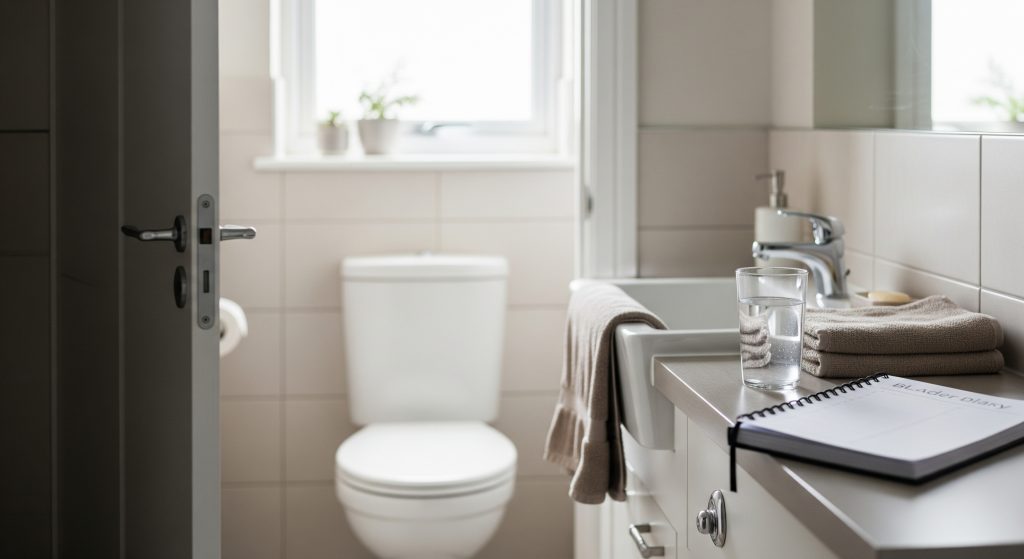
Frequency is typically more than eight voids by day, with nocturia defined as one or more voids at night that disturb sleep. Context matters. High fluid intake, pregnancy, and diuretics skew numbers. I assess capacity using a bladder diary. This clarifies whether the issue is small functional capacity, high intake, or overactive signalling.
Patterns tell a story. Daytime frequency with little nocturia suggests behavioural drivers. Night-time predominance suggests nocturnal polyuria or sleep disturbance. Nuance prevents wrong conclusions.
Urgency Incontinence Events
Urgency incontinence occurs when leakage follows an urgent need. The term is often shortened to UUI. It differs from stress incontinence, which occurs with cough or exertion. Many patients have mixed symptoms. That overlap complicates attribution of overactive bladder causes, but it does not block progress. It just needs a plan that addresses both components.
A brief anecdote. A patient with two months of UUI cut evening caffeine, added urge suppression drills, and re-timed a diuretic. Leakage halved within three weeks. Small, precise changes. Real gains.
Impact on Daily Activities
Symptom burden is more than pad counts. People restructure commutes, avoid long meetings, and sleep poorly. Performance drops because attention is split. That is why I make the impact explicit in care plans. Effect on work, exercise, travel, intimacy. The real life outcomes anchor the plan and motivate adherence.
-
Document disruptions in a short list.
-
Set one or two functional goals, not ten.
Current Treatment Options
Treatment follows a ladder. Behavioural therapy first. Then medicines, then procedures. Combination care is common. I pair choices with the person’s triggers and goals. It is basically precision medicine, but practical and accessible.
First-Line Behavioural Therapies
These are the foundation and often the only required steps. They directly target physiologic drivers identified among overactive bladder causes.
-
Bladder training: scheduled voiding, gradual interval increase, and urge suppression drills.
-
Pelvic floor muscle training: coordinated contractions to inhibit detrusor reflexes.
-
Fluid timing: front-load daytime fluids, taper late evening, and align with diuretic dosing.
-
Trigger control: reduce caffeine and alcohol, adjust spicy or acidic foods, manage constipation.
-
Sleep hygiene: treat sleep apnoea if present and stabilise bedtime routines.
An eight to twelve week programme with a physiotherapist outperforms ad hoc self-help. The return is better control without side effects. For many, this is the most effective treatment for overactive bladder.
Anticholinergic Medications Available
When behavioural therapy is insufficient, I consider overactive bladder medications. Anticholinergics reduce detrusor contractions by blocking muscarinic receptors. Common options include oxybutynin, tolterodine, solifenacin, and darifenacin. Extended-release formulations tend to have fewer dry mouth issues. Cognitive effects are a consideration in older adults. I keep anticholinergic burden in view, especially with polypharmacy.
-
Typical benefits: fewer urgency episodes and reduced frequency.
-
Common effects: dry mouth, constipation, possible blurred vision.
-
Practical step: start low, reassess at four to six weeks, adjust or switch.
Beta-3 Agonists and Newer Drugs
Beta-3 adrenergic agonists such as mirabegron relax the detrusor during filling. They avoid many anticholinergic effects. They can raise blood pressure slightly, so I monitor. Vibegron is another option in some regions. In practice, these agents suit patients who cannot tolerate anticholinergics or prefer a different mechanism. They are core overactive bladder medications in modern care.
-
Expected gains: improved capacity and fewer urgency events.
-
Checks: baseline blood pressure and drug interactions.
OnabotulinumtoxinA Injections
For refractory OAB, intradetrusor botulinum toxin A reduces involuntary contractions. The effect lasts months, and repeat injections are common. The trade-off is a small risk of urinary retention that may require intermittent self-catheterisation. I counsel carefully and choose candidates with clear urgency not explained by obstruction.
-
Outcome: meaningful reduction in urgency and leakage when first-line steps fail.
-
Considerations: retention risk, need for repeat procedures.
Nerve Stimulation Techniques
Neuromodulation restores inhibitory control. Two approaches are used. Percutaneous tibial nerve stimulation applies weekly sessions over several weeks, then maintenance. Sacral neuromodulation uses an implanted lead near S3 with a test phase, then a permanent device if successful. These methods are powerful when neural contributors feature among overactive bladder causes.
-
Benefits: durable symptom relief in candidates who respond to test stimulation.
-
Considerations: device management, occasional reprogramming, and cost.
Combination Therapy Approaches
Combination therapy often outperforms monotherapy. Behavioural training plus medicine is a frequent and effective pair. Anticholinergic combined with a beta-3 agonist can help when monotherapy plateaus. The principle is additive effect with tolerable risk. I prefer to layer changes slowly and measure each addition.
-
Gains: higher response probability and better quality of life.
-
Guardrails: track side effects, review interactions, and define stop points.
Managing Triggers and Prevention
Prevention means fewer flares and steadier control. The following measures target common triggers that sit alongside overactive bladder causes. They are practical, measurable, and sustainable when tailored.
Dietary Modifications Required
I prioritise targeted trials rather than sweeping restrictions. This reduces frustration and protects nutrition. Start with the most plausible irritants, adjust for two weeks, and review the diary. Reintroduce to confirm the effect. Simple, testable, and reversible.
-
Trial caffeine reduction by 50 percent for 14 days.
-
Replace two alcoholic drinks per week with non-irritating alternatives.
-
Swap acidic fruits for neutral options and reassess urgency.
List of Bladder Irritant Foods
The following items commonly worsen urgency and frequency. The effect size varies, but the pattern is consistent across clinics.
-
Coffee and energy drinks
-
Black tea and green tea
-
Alcoholic beverages
-
Carbonated drinks
-
Spicy foods and hot sauces
-
Citrus fruits and juices
-
Tomato products
-
Artificial sweeteners
-
Very chocolate-rich desserts
Do not remove everything at once. Isolate two items, test, then decide. Control comes from what you keep as much as what you cut.
Fluid Management Strategies
People often drink too little or too much. I aim for a steady pattern that supports health and reduces nocturia.
-
Target pale straw coloured urine by day.
-
Front-load fluids in the morning and early afternoon.
-
Limit large volumes two to three hours before bed.
-
Align diuretic timing to avoid evening surges.
-
Use a 3-day bladder diary to calibrate intake and output.
These steps reduce random spikes in bladder filling. Fewer spikes. Fewer urgent sprints to the toilet.
Pelvic Floor Exercises
Pelvic floor muscle training is not just repetition. It is skill work with three parts: identification, coordination, and endurance. I coach three-second holds, full relaxation, then longer holds with functional drills like the preemptive squeeze before a trigger. This is often called the Knack. It works.
-
Daily plan: 3 sets of 8 to 12 contractions, progressing over 8 to 12 weeks.
-
Quality over quantity: avoid breath holding and glute clenching.
-
Biofeedback or supervised sessions when technique is uncertain.
For neural contributors, pelvic training complements neuromodulation or medicines. It does not replace them. But still, it raises the floor of control for almost everyone.
Understanding Your Overactive Bladder Journey
A single label hides many paths. Overactive bladder causes differ by age, hormones, neural health, habits, and comorbidities. The journey is iterative. Identify triggers, apply first-line measures, choose medicines when needed, and escalate selectively. Review what changes the data and what changes nothing. Then adjust with intent.
Here is a concise map that I share in clinic.
-
Confirm symptoms: urgency dominant, frequency, nocturia, with or without urgency leakage.
-
Screen for red flags: pain, fever, haematuria, recurrent infections, obstruction signs.
-
Identify contributors: diary review for substances, timing, and functional capacity.
-
Act on foundations: bladder training, pelvic floor work, trigger control, fluid timing.
-
Reassess at 6 to 8 weeks: add medicine if needed, matching profile and preference.
-
Consider procedures if refractory: botulinum toxin or neuromodulation after proper workup.
-
Maintain: continue effective steps and taper what adds no value.
Two last points. Relief is often incremental and then sudden. And yet, small wins compound. That is how most people regain confidence and time.
Frequently Asked Questions
What medical conditions most commonly trigger overactive bladder symptoms?
Neurological diseases such as multiple sclerosis, Parkinson’s disease, stroke, and spinal cord injury are frequent drivers. They disrupt inhibitory control and cause detrusor overactivity. Hormonal change around menopause, pelvic floor dysfunction after childbirth or surgery, and urinary infections also feature. Metabolic factors like obesity add pressure and lower the threshold for urgency. Earlier, I noted a **42%** prevalence of significant urinary symptoms with neurological disorders. That figure underscores the neural contribution.
Which medications effectively treat overactive bladder with minimal side effects?
Beta-3 agonists such as mirabegron are well tolerated for many, with monitoring of blood pressure. Among anticholinergics, extended-release formulations reduce dry mouth and central effects. Combination therapy can improve outcomes at modest doses. Always consider existing anticholinergic burden and drug interactions. Tailor choice to comorbidities and personal goals.
Can overactive bladder symptoms improve without prescription medications?
Yes. Behavioural therapy, pelvic floor training, and trigger control often reduce urgency and frequency substantially. Structured bladder training can widen intervals between voids. Fluid timing and caffeine reduction decrease flares. For many people, these steps deliver durable gains and may avoid medicines entirely.
How do hormonal changes affect bladder control in different age groups?
Perimenopause and postmenopause bring oestrogen decline that thins urogenital tissues and alters sensory signalling. Urgency and frequency often rise. As PubMed notes, about **70%** of women associate symptom onset with the final menstrual period. Younger age groups see hormonal effects during pregnancy and postpartum due to pelvic load and tissue change. The mechanisms differ, but the outcome is similar: a lower threshold for urgency.
What foods should be avoided to reduce bladder irritation?
Common irritants include coffee, tea, alcohol, carbonated drinks, spicy foods, citrus, tomato products, and artificial sweeteners. The response is individual. Test two items at a time for two weeks, track changes, and reintroduce to confirm. Precision prevents unnecessary restriction while still reducing urgency.
When should someone seek medical help for overactive bladder symptoms?
Seek care when urgency or leakage disrupts daily activities, persists beyond a few weeks, or is associated with pain, fever, blood in urine, or recurrent infections. Also seek help if symptoms begin after pelvic surgery or neurological events. Early assessment clarifies overactive bladder causes and speeds effective, tailored treatment.
Appendix: Quick Reference Table
|
Cause |
Typical Mechanism |
|---|---|
|
Neurological disease |
Loss of inhibitory control leading to detrusor overactivity and urgency |
|
Pelvic floor dysfunction |
Reduced urethral support and delayed reflex inhibition |
|
Hormonal changes |
Atrophic urothelium and altered sensory signalling |
|
Medications and substances |
Increased urine volume or heightened detrusor sensitivity |
|
Infection or stones |
Urothelial irritation and inflammatory hypersensitivity |
|
Excess weight |
Raised intra-abdominal pressure and reduced functional capacity |
Practical Checklist
-
Record a 3-day bladder diary before changes and after 6 weeks.
-
Identify two likely triggers and test reduction.
-
Start bladder training with timed voids and urge suppression.
-
Begin pelvic floor work with supervised technique if possible.
-
Discuss overactive bladder medications if foundations are insufficient.
-
Escalate to procedures only after a fair trial of conservative steps.
Throughout this guide, I have described overactive bladder causes in practical categories and offered a measured approach to management. The intent is simple. Link specific overactive bladder symptoms to their most likely drivers. Then select the least invasive, most effective step that addresses those drivers. When behavioural care is not enough, add overactive bladder medications or consider neuromodulation. People recover time, sleep, and confidence when plans match their personal overactive bladder causes rather than a generic template.
If a colleague asked for one line of advice, I would say this. Map overactive bladder causes with a diary and targeted tests, apply foundational therapy without delay, and escalate thoughtfully. That order protects quality of life and makes every next decision clearer.

