






 We do what's right for you...


What Are the Best Home Remedies for GERD?
Dr. Urvashi Gupta
The advice to simply pop an antacid and wait it out has been passed around for decades. And for decades, it has failed millions of people who wake up at 3 AM with that familiar burn creeping up their chest. The truth is that GERD home remedies – the ones that actually work – require more than a quick fix. They demand understanding the mechanics of what’s happening inside and then addressing it systematically. This isn’t about masking symptoms. It’s about reclaiming control over something that can genuinely wreck sleep, appetite, and quality of life. The solutions exist. They’re surprisingly accessible. But they require commitment and a willingness to experiment until the right combination clicks into place.
Top Home Remedies for GERD Relief
Not all remedies carry equal weight. Some have genuine science behind them, others are folklore dressed up in wellness packaging. Here’s what actually deserves attention – and what probably doesn’t.
1. Ginger Tea and Fresh Ginger
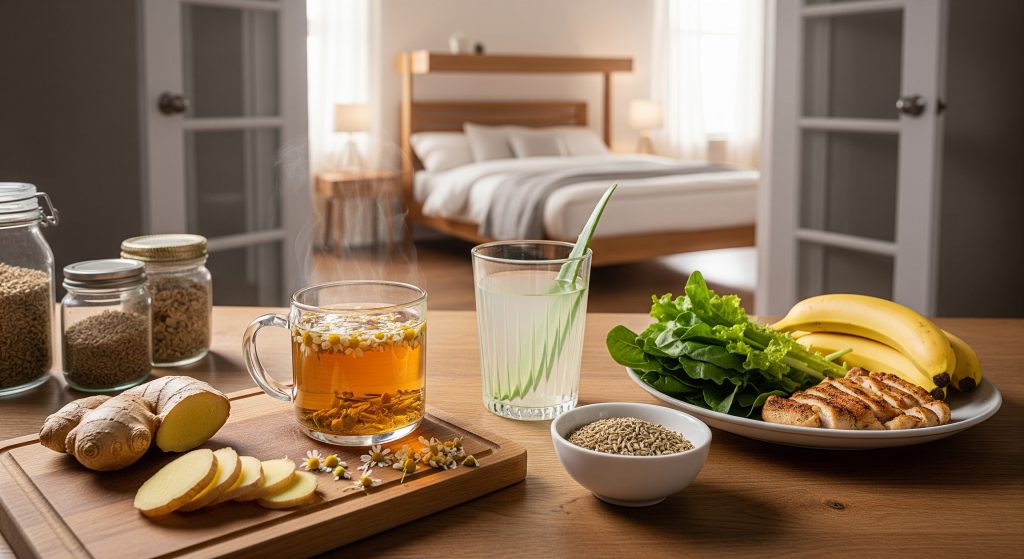
Ginger has earned its reputation. A 2011 study highlighted its potential to ease gastrointestinal irritation, making it a sensible starting point for anyone exploring natural relief. The key is consistency and moderation. Medical News Today notes that consuming up to 4 grams of ginger daily may provide digestive benefits without exacerbating reflux symptoms. That’s roughly a thumb-sized piece of fresh ginger or two cups of ginger tea. Start with one cup after meals and observe how the body responds over a week. The warmth itself can feel soothing, but the real benefit comes from ginger’s anti-inflammatory properties working on the digestive tract.
2. Aloe Vera Juice
Think of aloe vera juice as a cool, protective film sliding down an irritated oesophagus. Healthline explains that the juice may reduce symptoms by creating a protective barrier for the oesophagus and stomach lining, minimising irritation caused by acid. The catch? Not all aloe vera products are created equal. Look for decolourised and purified versions – the laxative compounds in unpurified aloe can create entirely different problems. Two tablespoons before meals is a reasonable starting dose. Some people find relief within days. Others notice gradual improvement over weeks.
3. Apple Cider Vinegar Solution
Here’s where things get controversial. The internet swears by apple cider vinegar for everything, GERD included. The theory goes that low stomach acidity might actually cause reflux, so adding acid could help. Sounds logical, right? But Harvard Health points out there is no scientific research verifying the use of apple cider vinegar for treating heartburn despite its popularity as a natural remedy. What’s more frustrating is that for some people, the acidity triggers symptoms rather than relieving them. If someone insists on trying it, dilute one tablespoon in a full glass of water and consume it before meals. Monitor closely. If symptoms worsen even slightly, stop immediately.
4. Baking Soda Water
This is the quick-relief option in the home remedy toolkit. Half a teaspoon of baking soda dissolved in a glass of water can neutralise stomach acid almost instantly. The sensation is unmistakable – that burning subsides within minutes. But this isn’t a long-term solution. Baking soda is high in sodium, and regular use can disrupt electrolyte balance. Reserve it for occasional emergencies, not daily management. It’s the fire extinguisher, not the fire prevention system.
5. Slippery Elm Supplements
Slippery elm contains mucilage, a gel-like substance that coats and soothes the digestive tract. Available as lozenges, capsules, or powder, it works similarly to aloe vera by providing a protective layer. The practical approach is to take it about 30 minutes before meals or at bedtime. Many people combine it with other remedies rather than relying on it alone. It’s gentle enough for regular use and rarely causes side effects.
6. Chewing Gum After Meals
This one surprises people. Chewing sugar-free gum for 30 minutes after eating stimulates saliva production, which naturally neutralises acid and promotes swallowing. More swallowing means more clearance of any acid that’s crept up. Avoid mint-flavoured varieties though – mint can relax the lower oesophageal sphincter (LES), that muscular valve meant to keep stomach contents where they belong. Fruit flavours or cinnamon work better.
7. Liquorice Root Extract
Not the sweets – the actual root extract, specifically deglycyrrhizinated liquorice (DGL). The glycyrrhizin in regular liquorice can raise blood pressure, but DGL versions have that compound removed. DGL supports the mucous lining of the stomach and may help heal damaged tissue. Chewable tablets taken before meals are the most common form. It tastes surprisingly pleasant, like mild aniseed.
8. Chamomile Tea
Chamomile does double duty. It calms the mind and soothes the stomach. For people whose GERD flares with stress – and that’s a significant proportion – this becomes particularly valuable. A cup in the evening creates a ritual that signals the body to wind down. The anti-inflammatory properties help, but honestly, the psychological component of having a calming routine shouldn’t be underestimated.
9. Fennel Seeds
Fennel seeds have been used for digestive complaints for centuries. Chew half a teaspoon after meals or brew them into tea. They help relax the digestive tract and reduce bloating, which can otherwise put pressure on the LES. The slightly sweet, anise-like flavour makes this remedy genuinely pleasant to use.
10. Elevating Head During Sleep
Gravity is free. Use it. Elevating the head of the bed by 6 to 8 inches – not just using extra pillows, which can actually make things worse by bending the body – keeps stomach acid from travelling upward during sleep. Bed risers or a wedge pillow designed specifically for this purpose work best. This single change can transform nights from miserable to manageable.
Foods to Avoid with GERD and Dietary Modifications
Managing GERD through diet isn’t about deprivation. It’s about strategic choices that reduce the pressure on an already stressed system.
Trigger Foods to Eliminate
The usual suspects include:
-
Citrus fruits and juices – oranges, lemons, grapefruits
-
Tomato-based products – sauces, ketchup, soups
-
High-fat foods – fried items, fatty cuts of meat, full-fat dairy
-
Spicy foods – chilli, hot sauce, pepper-heavy dishes
-
Chocolate – unfortunately, yes
-
Caffeine – coffee, certain teas, energy drinks
-
Carbonated beverages – the bubbles increase stomach pressure
-
Alcohol – relaxes the LES significantly
-
Mint – including peppermint and spearmint
Here’s the frustrating reality: triggers vary enormously between individuals. What destroys one person’s evening might be completely fine for another. The only way to know is systematic elimination and reintroduction.
Alkaline Foods for GERD Relief
Alkaline foods help neutralise stomach acid naturally. Consider building meals around:
|
Food Category |
Examples |
|---|---|
|
Vegetables |
Broccoli, cauliflower, leafy greens, cucumbers, asparagus |
|
Non-citrus fruits |
Bananas, melons, apples, pears |
|
Whole grains |
Oatmeal, brown rice, whole wheat bread |
|
Lean proteins |
Chicken breast, fish, egg whites, tofu |
|
Low-fat dairy |
Skimmed milk, low-fat yoghurt |
Meal Timing and Portion Control
The stomach handles smaller quantities more efficiently than large meals that stretch its capacity. Five smaller meals throughout the day often work better than three large ones. And timing matters enormously. Eating within three hours of bedtime is asking for trouble – gravity can’t help when lying horizontal with a full stomach. Finish dinner early. Make it a hard rule.
Beneficial Herbs and Spices
Not all flavourings need to be abandoned. Turmeric, with its anti-inflammatory properties, can be incorporated into cooking. Basil, parsley, and coriander add flavour without triggering symptoms. Fresh herbs generally work better than dried, and moderation remains key. Building flavour profiles around these alternatives makes the dietary changes sustainable rather than punishing.
GERD-Friendly Meal Plans
A practical day might look like this:
-
Breakfast: Oatmeal with sliced banana and a drizzle of honey
-
Mid-morning snack: Low-fat yoghurt with melon chunks
-
Lunch: Grilled chicken salad with cucumber, lettuce, and olive oil dressing
-
Afternoon snack: Whole grain crackers with hummus
-
Dinner: Baked fish with steamed broccoli and brown rice (finished by 7 PM)
The pattern is clear: lean proteins, non-acidic vegetables, whole grains, minimal fat. Boring? Perhaps initially. But the absence of pain creates its own reward.
How to Stop Acid Reflux at Night
Nighttime reflux is a different beast. It’s not just uncomfortable – it can damage the oesophagus over time and wreck sleep quality. Getting control requires addressing multiple factors simultaneously.
Optimal Sleeping Positions
Left-side sleeping reduces pressure on the lower oesophageal sphincter, as Aster Hospitals explains. The anatomy works in your favour in this position – the stomach sits below the oesophagus rather than at the same level. Right-side sleeping and back sleeping both allow acid to flow more easily upward. Training oneself to stay on the left side takes time. Some people sew a tennis ball into the back of their sleep shirt to prevent rolling over unconsciously. Sounds extreme, but it works.
Pre-Bedtime Routine Adjustments
The evening routine needs restructuring. No eating within three hours of sleep – non-negotiable. Avoid alcohol entirely in the evenings, regardless of how small the amount. Loosen any tight clothing around the abdomen. Take a gentle walk after dinner rather than collapsing onto the sofa. These adjustments feel minor individually but compound significantly.
Evening Dietary Guidelines
Evening meals should be the lightest of the day. High-fat dinners take longer to digest and increase stomach acid production. A simple rule: if it’s fried, fatty, or acidic, save it for lunch. Dinner should be bland-ish and small. Grilled fish, steamed vegetables, maybe some rice. Not exciting, but effective.
Bedroom Environment Modifications
Beyond bed elevation, consider the bedroom environment itself. Temperature plays a role – cooler rooms promote better sleep, which reduces nighttime waking that can trigger awareness of reflux symptoms. Keep water nearby for the dry mouth that sometimes accompanies reflux. And remove screens – the stress of late-night scrolling doesn’t help anyone’s digestion.
Natural Night-time Remedies
Herbal remedies like chamomile and ginger tea can assist in soothing digestive discomfort before sleep, though timing matters. Drink them at least 30 minutes before lying down to allow liquid to clear the stomach. Sleep Foundation notes that incorporating lifestyle changes like weight management and avoiding late-night eating can further aid in enhancing sleep quality for GERD sufferers. Specialised wedge pillows offer an alternative for those who can’t modify their bed frame – they maintain the required elevation whilst remaining comfortable enough for actual sleep.
Long-term Solutions: How to Cure GERD Permanently
Managing symptoms is one thing. Actually resolving the underlying dysfunction requires sustained effort across multiple lifestyle areas. The good news? It’s genuinely achievable for many people.
Weight Management Strategies
Excess weight around the abdomen puts direct pressure on the stomach, forcing acid upward. Even modest weight loss – 5 to 10 percent of body weight – can produce noticeable improvement. This isn’t about crash diets. Sustainable, gradual weight reduction through portion control and increased activity creates lasting change. The relationship is so direct that for some people, reaching a healthy weight essentially resolves their GERD without any other intervention.
Stress Reduction Techniques
The gut-brain connection is real, not some wellness buzzword. Centro Trabucco explains that mindfulness practices can enhance self-awareness and reduce stress, which in turn benefits individuals suffering from GERD by decreasing acid reflux episodes. The diaphragm, which plays a crucial role in breathing, can be stabilised through mindfulness, alleviating pressure on the stomach. Cognitive-Behavioural Therapy (CBT) has also shown effectiveness for stress-related GERD. The mechanism makes sense: stress increases stomach acid production and muscle tension throughout the digestive tract. Address the stress, address the symptoms.
Exercise Guidelines for GERD
Exercise helps. But not all exercise. Orlando Health advises that low-impact activities such as walking, swimming, and yoga are beneficial, while high-impact exercises may worsen symptoms. Timing matters enormously – avoid exercising within two hours after eating. Heavy lifting, crunching movements, and anything that increases abdominal pressure should be approached cautiously. Yoga can be particularly effective, as certain poses improve digestion, though inverted poses or those compressing the abdomen should be avoided. The ideal exercise routine combines regular moderate activity with awareness of personal limits.
Lifestyle Habit Changes
Beyond diet and exercise, other habits demand attention. Smoking relaxes the LES and damages the oesophageal lining – quitting is essential. Tight belts and clothing restrict the abdomen. Bending after meals increases reflux risk. Even posture matters: slouching compresses the stomach. NYU Langone Health recommends maintaining an upright position post-meal to prevent acid reflux. These micro-adjustments accumulate into significant relief.
Tracking Symptoms and Triggers
Here’s where most people fail to follow through. Without systematic tracking, it’s nearly impossible to identify personal triggers. Apps like StomachSense and mySymptoms allow users to log meals, medications, and symptoms to help pinpoint reflux triggers based on logged data. The 7-Day Food and Symptom Diary from About GERD offers a structured approach for those preferring pen and paper. But what does this actually mean in practice? It means writing down everything consumed and noting when symptoms appear, for at least two weeks. Patterns emerge that wouldn’t be visible otherwise. Common triggers include citrus, tomato products, high-fat foods, and caffeine, which can relax the LES – but individual variation is substantial.
When Home Remedies Aren’t Enough
Some cases simply won’t respond to lifestyle modifications alone. Persistent symptoms despite consistent effort warrant medical evaluation. Red flags include difficulty swallowing, unexplained weight loss, vomiting blood, or symptoms occurring more than twice weekly despite home management. Long-term GERD can lead to complications including oesophageal damage that requires professional intervention. Recent advancements in treatment, including new medications like vonoprazan, offer options for patients unresponsive to traditional remedies. Surgical approaches like Nissen fundoplication remain viable when everything else fails. The goal isn’t to avoid medical care – it’s to maximise what can be achieved naturally first, then seek additional help when needed.
Taking Control of GERD Naturally
The path to managing GERD without constant medication isn’t mysterious. It’s methodical. It requires identifying what triggers symptoms individually, implementing the remedies that work best for one’s specific situation, and maintaining consistency even when symptoms temporarily improve. The temptation to abandon the routine once feeling better is enormous. Don’t. GERD management is ongoing, not a one-time fix. But the reward – sleeping through the night, eating without fear, simply existing without that constant awareness of the chest and throat – makes the effort worthwhile. Start with the simplest interventions: head elevation, meal timing, trigger food elimination. Add remedies like ginger tea or aloe vera juice. Track everything. Adjust based on results. It’s not glamorous. But it works.
Frequently Asked Questions
Can GERD be completely cured with home remedies?
For many people with mild to moderate GERD, consistent application of lifestyle changes and natural remedies can effectively eliminate symptoms long-term. Complete cure depends on individual factors including the severity of LES dysfunction, presence of hiatal hernia, and underlying conditions. Some people achieve lasting resolution; others manage their condition effectively without medication. The key is sustained lifestyle modification rather than expecting quick fixes.
How quickly do natural remedies work for acid reflux?
Acute remedies like baking soda water work within minutes. Ginger tea and chamomile may provide relief within 30 minutes to an hour. However, meaningful long-term improvement from dietary changes and lifestyle modifications typically takes two to four weeks of consistent application. Patience matters – the body needs time to heal and adapt to new patterns.
Is apple cider vinegar safe for daily GERD treatment?
Safety varies by individual. Some people tolerate diluted apple cider vinegar well; others find it worsens symptoms. Given the lack of scientific evidence supporting its effectiveness and the potential for oesophageal irritation, it’s best approached cautiously. Always dilute it significantly, start with small amounts, and discontinue immediately if symptoms worsen.
What is the fastest home remedy for heartburn relief?
Baking soda dissolved in water typically provides the fastest relief, often within minutes. Half a teaspoon in a full glass of water neutralises stomach acid quickly. However, this should be reserved for occasional use due to high sodium content, not used as a regular management strategy.
Can children use these GERD home remedies safely?
Many natural remedies require modification for children. Ginger tea in small amounts, dietary changes, and head elevation are generally safe. However, remedies like apple cider vinegar, baking soda, or certain supplements should be discussed with a paediatrician before use. Children’s bodies respond differently, and dosing requires careful consideration.
Should I stop medication whilst trying natural remedies?
Never discontinue prescribed medication without consulting a healthcare provider. Natural remedies can be introduced alongside medication under medical supervision. As symptoms improve, a doctor may recommend gradually reducing medication. Stopping proton pump inhibitors or other GERD medications abruptly can cause rebound acid production that worsens symptoms significantly.

