






 We do what's right for you...


Understanding the Gastrology Department: Services, Treatment, and Experts
Conventional advice says a referral is the only gateway to specialist digestive care. That is too slow for many patients with escalating symptoms. I outline how a modern gastrology department actually works, what is offered on day one, and where advanced care fits. It is basically a practical map for anyone who wants clarity on services, specialists, and the standard of care.
Core Services and Procedures in a Gastrology Department
Diagnostic Endoscopic Procedures
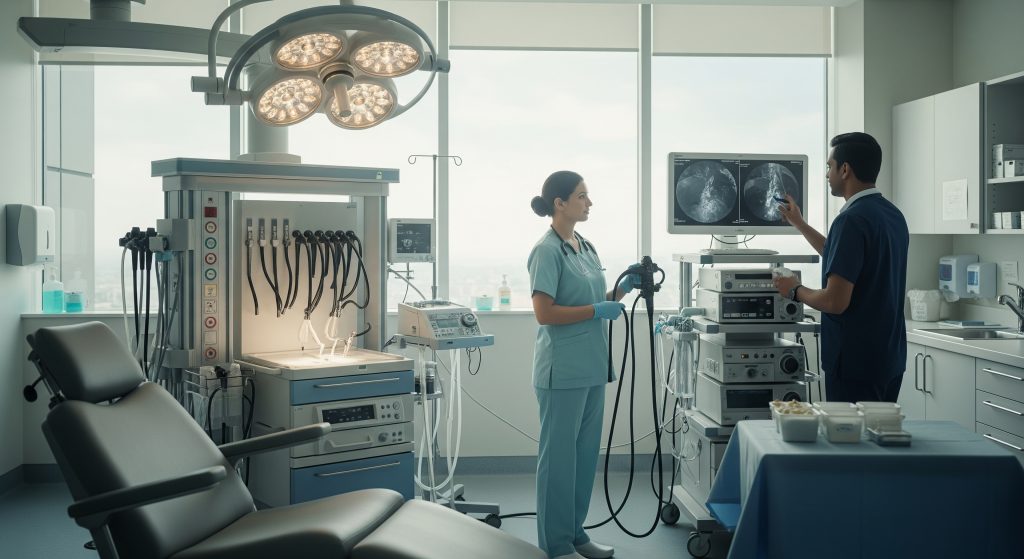
I use the term endoscopy to cover direct visual assessment of the gut using a flexible scope. In practice, core endoscopic procedures include oesophagogastroduodenoscopy, colonoscopy, and sigmoidoscopy. Each answers a different clinical question. The gastrology department triages indications, checks fitness for sedation, and books the appropriate study. The aim is to reach a diagnosis quickly and safely.
-
Typical indications: bleeding, weight loss, anaemia, dysphagia, chronic diarrhoea, and polyp or cancer surveillance.
-
On-table options: biopsy, polypectomy, haemostasis, dilatation, and stent placement when required.
-
Safety: informed consent, checklists, allergy review, and recovery monitoring after sedation.
Skilled units standardise reporting with image capture and structured biopsy labelling. That discipline shortens time to treatment. It also improves continuity between the gastrology department and surgical teams.
Colonoscopy and Sigmoidoscopy Services
Colonoscopy examines the entire large bowel and rectum. It detects and removes polyps during the same sitting. As Cleveland Clinic notes, typical procedure time is 30 to 60 minutes, with diagnostic and therapeutic options available. Sigmoidoscopy is shorter and inspects only the distal colon. It can be performed without sedation in many cases.
-
Colonoscopy: full-colon evaluation, cancer screening, polypectomy, targeted biopsy.
-
Sigmoidoscopy: focused view for rectal bleeding or distal pain when a full study is not needed.
-
Preparation: tailored bowel prep and a light diet to ensure visibility.
Selection matters. For high-risk screening, a full colonoscopy is usually preferred. For a discrete distal symptom set, sigmoidoscopy can suffice. Good prep and calm technique do most of the heavy lifting.
Upper GI Endoscopy
Upper GI endoscopy evaluates the oesophagus, stomach, and duodenum. I use it to clarify anaemia, dyspepsia, dysphagia, and upper abdominal pain. It also treats bleeding, strictures, and selected early lesions. Sedation is standard, vital signs are monitored, and biopsies are taken when indicated. Recovery is swift, though patients rest until sedation has worn off. The gastrology department documents findings with images and a clear plan. That creates momentum for care.
ERCP and Advanced Interventions
Endoscopic retrograde cholangiopancreatography combines endoscopy and fluoroscopy to diagnose and treat biliary and pancreatic disease. Stone extraction and stent placement are typical therapeutic steps. This is highly specialised work. As PMC reports, post-ERCP complications occur in roughly 5 to 10 percent of cases, which underscores the need for experienced teams.
-
Common indications: choledocholithiasis, strictures, cholangitis, and post-surgical leaks.
-
Pre-procedure: fasting, antibiotic cover in selected cases, and review of prior imaging.
-
Alternatives or adjuncts: MRCP for imaging only, EUS for detailed evaluation and sampling.
Patient selection is the critical skill. A well-run gastrology department aligns ERCP with clear therapeutic intent and contingency planning.
Capsule Endoscopy
Capsule endoscopy offers a non-invasive view of the small bowel. The patient swallows a disposable camera capsule that transmits images for several hours. It is particularly helpful for obscure bleeding and suspected small bowel disease. The trade-off is clear. There is excellent visual reach but no option for biopsy or therapy in the same sitting.
Pros vs Cons
-
Pros: non-invasive, no sedation, access to distal small bowel, normal daily activity during study.
-
Cons: no real-time intervention, retention risk in strictures, and large data sets to review.
In practice, I combine capsule results with targeted enteroscopy or radiology when intervention is needed. That staged approach reduces unnecessary invasive work.
Liver Function Testing
Liver workups in a gastrology department follow a clear pathway. I start with a panel of enzymes, bilirubin, albumin, and clotting tests. If abnormal, I layer on ultrasound, elastography, and viral serology. Non-invasive fibrosis scores guide the next step. The objective is to separate transient injury from evolving chronic disease. Early clarity prevents avoidable admissions.
|
Test |
What it indicates |
|---|---|
|
ALT, AST |
Hepatocellular injury pattern |
|
ALP, GGT |
Cholestatic pattern |
|
Bilirubin |
Excretory function |
|
Albumin, INR |
Synthetic function |
|
Elastography |
Fibrosis staging |
Motility Studies
When symptoms point to transit or coordination problems, motility workups add precision. Oesophageal manometry characterises peristalsis and sphincter function. pH or impedance studies quantify reflux events. Colonic transit testing helps in chronic constipation. These tests are protocol-driven and targeted. They prevent guesswork in complex cases.
Breath Testing Services
Hydrogen and methane breath tests identify carbohydrate malabsorption and small intestinal bacterial overgrowth. As Cleveland Clinic describes, the test is non-invasive and simple, with fasting and medication holds to improve accuracy. Different sugars, such as lactose or lactulose, are used depending on the clinical question.
|
Breath test |
Primary use |
|---|---|
|
Lactose breath test |
Lactose intolerance confirmation |
|
Lactulose breath test |
SIBO assessment via early hydrogen rise |
|
Fructose breath test |
Fructose malabsorption evaluation |
Preparation is strict because background fermentation skews results. The gastrology department provides a written prep plan and a clear post-test pathway.
Common Digestive System Diseases Treated
1. Inflammatory Bowel Diseases
Inflammatory bowel diseases cover Crohn’s disease and ulcerative colitis. They present with relapsing symptoms and variable severity. I combine clinical assessment with colonoscopy and targeted imaging to define the phenotype. Treatment escalates from aminosalicylates and steroids to immunomodulators and biologics. Surgery remains critical for strictures, refractory disease, and complications. A coordinated gastrology department keeps flare protocols tight and vaccinations up to date.
-
Core goals: induce remission, maintain remission, protect mucosa, and preserve function.
-
Adjuncts: dietitian input, bone health checks, and infection risk management.
Incidence patterns are shifting, depending on the source, with rising cases in newer industrial regions. Service planning must adapt to that change.
2. Acid Reflux and GERD
Gastro-oesophageal reflux becomes GERD when symptoms are frequent or complications arise. I assess for alarm features and use endoscopy selectively. First-line management focuses on diet, weight, and timing of meals. Proton pump inhibitors remain effective for many patients. Refractory cases need pH studies, impedance testing, and surgical referral if warranted. The gastrology department standardises review points to prevent long hauling on ineffective regimens.
-
Triggers: large meals, late eating, alcohol, smoking, and central adiposity.
-
Risks: erosive oesophagitis, strictures, Barrett’s changes, and quality-of-life loss.
3. Irritable Bowel Syndrome
IBS is a disorder of gut-brain interaction with fluctuating symptoms. There is no single test that confirms it. I diagnose using Rome criteria and basic exclusion tests. Management is subtype specific: fibre and osmotic laxatives for IBS-C, antidiarrhoeals for IBS-D, and antispasmodics for pain. A low FODMAP plan can reduce symptoms for many patients. Psychological therapies help when stress and symptoms amplify each other.
IBS requires thoughtful communication. Patients need confidence that serious disease has been excluded. That reassurance enables consistent self-management.
4. Liver Diseases and Hepatitis
Liver disease spans viral, metabolic, autoimmune, and toxin-mediated injury. Jaundice, pruritus, and fatigue are common presentations. As PMC highlights, liver disease contributes to about 2,000,000 deaths annually worldwide, which signals the scale of need. The gastrology department integrates serology, imaging, and fibrosis assessment with vaccination and antiviral pathways.
-
Chronic viral hepatitis: staging, antiviral therapy, and hepatocellular carcinoma surveillance.
-
Alcohol-related and metabolic fatty liver: sustained lifestyle change and metabolic risk control.
-
Autoimmune hepatitis: immunosuppression with careful monitoring.
Early referral protects outcomes. Delays convert reversible injury into entrenched disease.
5. Pancreatic Disorders
Acute pancreatitis needs prompt pain control, fluids, and complication surveillance. Gallstones and alcohol remain the usual triggers. Chronic pancreatitis requires enzyme replacement and nutritional support. For obstructive pathology, EUS and ERCP define the plan. A capable gastrology department coordinates surgical input without losing time.
6. Peptic Ulcers
Ulcers stem from Helicobacter pylori or NSAID exposure in most cases. I confirm with testing and treat with eradication therapy where indicated. Bleeding ulcers need endoscopic haemostasis and clear follow up. Relapse prevention rests on H. pylori clearance and avoidance of unnecessary NSAIDs. Simple, consistent steps reduce recurrence.
7. Coeliac Disease
Coeliac disease is an immune-mediated response to gluten. It ranges from silent iron deficiency to classical malabsorption. Serology and duodenal biopsy confirm the diagnosis. The main treatment is a strict gluten-free diet, with dietitian support and micronutrient review. A structured gastrology department pathway ensures adherence and symptom tracking.
8. Gallbladder Conditions
Biliary colic and cholecystitis are common presentations. Ultrasound confirms stones quickly. For choledocholithiasis, EUS or MRCP defines ductal stones before ERCP. Elective cholecystectomy resolves recurrent symptoms. When sepsis threatens, early antibiotics and drainage save lives. Rapid escalation protocols are non-negotiable.
Specialists and Healthcare Team in Gastroenterology Department
Consultant Gastroenterologists
Consultant gastroenterologists lead diagnosis, procedures, and complex decision making. I anchor care plans, review red flags, and decide when to intervene. Structured MDT meetings align oncology, surgery, radiology, and nutrition. A high-functioning gastroenterology department relies on consistent consultant leadership.
Hepatologists
Hepatologists manage chronic liver disease, antiviral treatment, and transplant pathways. Their focus is disease staging, complications, and prevention. Clear thresholds for variceal screening, ascites care, and encephalopathy reduce admissions. It is specialised work and time critical.
Endoscopy Nurses
Endoscopy nurses are the backbone of safe procedures. They handle pre-assessment, sedation checks, and recovery monitoring. They also standardise instrument traceability and infection control. Their vigilance catches small problems before they escalate. That consistency protects the entire gastrology department.
Nutritionists and Dietitians
Nutritionists and dietitians convert broad advice into workable plans. They set protein targets, micronutrient checks, and phased reintroduction schedules. In IBD, IBS, and liver disease, their input changes outcomes. I see better adherence and fewer relapses when dietitians are embedded.
Support Staff Roles
Schedulers, healthcare assistants, and decontamination staff keep lists safe and efficient. Administrators close the loop with results and follow up calls. A dependable support line reduces avoidable visits. Patients notice that reliability. It builds trust.
Treatment Approaches and Patient Care
Medical Management Options
I prioritise evidence-based medication and clear stop-start rules. For GERD, trial PPIs and review in weeks, not months. For IBD, define induction and maintenance early. For IBS, reduce polypharmacy and match drug to subtype. Written plans help patients understand the sequence. A gastrology department that writes it down sees fewer missteps.
-
Medication safety: check renal function, interactions, and vaccination status.
-
De-escalation: avoid indefinite therapy without review markers.
-
Outcomes: track symptoms, labs, and quality-of-life scores.
Minimally Invasive Procedures
Endoscopic therapy treats many problems without open surgery. Polypectomy prevents cancer. Dilatation relieves dysphagia. ERCP clears duct stones. EUS samples lesions with precision. This is where a gastrology department delivers maximum value with minimal trauma. Good selection and meticulous technique are non-negotiable.
Dietary Modifications
Diet is both intervention and prevention. Low FODMAP diets can ease IBS symptoms. Protein-first strategies stabilise cirrhosis. In reflux, smaller meals and earlier dinners outperform pills alone. I set two or three changes at a time. Patients can actually follow that.
-
IBS: low FODMAP trial under dietitian supervision.
-
Liver disease: consistent protein intake and sodium control.
-
Reflux: meal timing and trigger reduction before escalating medication.
Post-Procedure Care
Recovery pathways are standardised to reduce risk and worry. After sedation, patients rest and leave with an escort. Written instructions cover warning signs and diet. I include a phone contact for urgent questions. The gastrology department schedules result reviews and next steps within a predictable window. Reliability lowers anxiety. It also prevents complications.
Emergency Services
GI emergencies do not wait. Oesophageal variceal bleeds, cholangitis, and severe colitis require rapid protocols. A consultant-led pathway triggers antibiotics, resuscitation, and endoscopy slots. Radiology and surgery align behind a single plan. The goal is simple. Stabilise first and treat the cause without delay.
Making the Most of Gastrology Department Services
Specialist care works best when preparation is strong. I advise patients to bring a concise symptom timeline and a full medication list. Past reports and images help more than any single test. Clear questions at the start of the appointment focus the plan. The gastrology department can then match the right test and the right timing.
-
For endoscopic procedures, follow prep instructions exactly. Visibility determines accuracy.
-
For chronic conditions, agree measurable goals and a review date.
-
For diet changes, request written plans and a follow up with the dietitian.
Use digital portals where available. Message the team about side effects early. Small adjustments now prevent large problems later. The gastrology department is most effective when information flows both ways.
Frequently Asked Questions
When should I visit a gastrology department?
Seek specialist input for persistent abdominal pain, weight loss, bleeding, anaemia, or swallowing difficulties. Chronic reflux more than twice weekly also merits review. For rapid changes in bowel habit, escalate sooner. A gastrology department will triage and advise on appropriate tests.
What happens during my first gastroenterology appointment?
I take a focused history, review risks, and examine the abdomen. Prior tests are checked for patterns. The plan usually includes blood tests and, if needed, endoscopic procedures. A clear summary and follow up timeline conclude the visit. The gastroenterology department coordinates bookings immediately.
How do I prepare for endoscopic procedures?
Follow the written instructions exactly. For colonoscopy, complete the bowel prep and stick to the specified diet. For upper endoscopy, fast for the stated hours. Bring an escort if sedation is planned. The gastrology department provides a contact for preparation questions.
Are gastrology department services covered by insurance in India?
Coverage varies by insurer and policy. Diagnostic endoscopy and hospital day-care are commonly included. Prior authorisation is often required for advanced interventions. Confirm limits and network status before booking. The gastrology department billing team can help with documentation.
What’s the difference between a gastroenterologist and hepatologist?
A gastroenterologist covers the full digestive tract, including diagnostic and therapeutic endoscopy. A hepatologist focuses on liver disease and its complications. Many consultants train in both areas. The key difference is depth in liver-specific care pathways.
Can children receive treatment in gastrology departments?
Yes, but paediatric units or paediatric-trained teams should lead care. Equipment sizes, sedation protocols, and conditions differ in children. Ask for a paediatric service referral when appropriate. A well organised gastrology department will guide that process.
Quick reference
-
Primary access point: the gastrology department outpatient clinic.
-
Core tools: endoscopic procedures, targeted imaging, and structured labs.
-
Mainstay outcomes: accurate diagnosis, timely therapy, and sustained follow up.
One last thought. Strong systems and steady communication are as therapeutic as any procedure. The right gastrology department builds both on day one.

