






 We do what's right for you...


Understanding Severe Neck Pain: Symptoms, Causes, and Treatments
Dr. Vishal Nigam
Conventional advice often treats all neck pain the same. That approach fails when symptoms escalate and function drops. I address when neck pain severe patterns demand prompt action, what typically drives them, and how to manage care safely and effectively. The aim is practical clarity and measured guidance, not alarm.
Common Symptoms and Warning Signs of Severe Neck Pain
Sharp Stabbing Pain Patterns
When neck pain severe symptoms present as stabbing episodes, I consider nerve irritation or acute joint locking. The pain may spike with rotation, extension, or sudden movement. It can feel localised at one facet joint, then settle into a deep ache. Short ice application and relative rest help control the flare.
-
Pain that catches mid turn can indicate facet joint overload.
-
Locking sensations suggest a protective muscle spasm.
-
Severe night pain warrants careful screening for red flags.
Brief spikes are common after a minor strain. Persistent stabbing pain that limits basic tasks for days suggests escalation and merits assessment.
Neck Pain and Headaches Connection
Cervicogenic headaches arise when neck structures refer pain to the head. The pattern often starts in the neck then tracks behind one eye. I see neck pain and headaches cluster with upper cervical stiffness and trigger points in the suboccipitals. When the neck pain severe picture includes morning headaches, pillow height and sleep posture deserve review.
Aggravators include prolonged desk work, jaw clenching, and rapid head turns. Gentle mobility and load management usually help. If headache intensity surges or vision changes appear, medical review is prudent.
Radiating Pain to Shoulders and Arms
Neck pain that radiates into the scapula, triceps, or forearm can signal nerve root involvement. When neck pain severe symptoms pair with arm pain on cough or sneeze, I suspect disc or foraminal narrowing. The distribution offers clues. Lateral arm tingling suggests C5-6, while index finger symptoms hint at C7.
Two checks help triage:
-
Arm pain that exceeds neck pain often points to radicular features.
-
Weak grip, triceps weakness, or dropping objects needs urgent review.
Early unloading strategies and careful positioning reduce irritability while diagnostics are arranged.
Muscle Stiffness and Limited Movement
Guarding and stiffness restrict rotation and side bend. The body is protecting sensitive tissue. When neck pain severe stiffness limits driving or checking blind spots, I prioritise gentle movement within tolerance. Heat can ease muscle tone before mobility work. I avoid forced end range during the hot phase.
Typical features include a head tilt away from pain and asymmetric tightness on palpation. Improvements across 48 to 72 hours usually indicate strain, not structural failure.
Numbness and Tingling Sensations
Pins and needles suggest neural involvement. When neck pain severe cases include dermatomal numbness, I monitor strength and reflexes alongside sensation. Transient tingling after awkward sleep may settle with posture correction. Persistent or progressive sensory change demands medical assessment.
Provocation with neck extension or side bend toward symptoms can reveal foraminal compression. Relief with arm up position may indicate nerve tension, not just compression.
Red Flag Symptoms Requiring Emergency Care
Some features require immediate medical care. I treat the following as urgent:
-
New limb weakness or difficulty walking.
-
Loss of bowel or bladder control.
-
Fever, unexplained weight loss, or night sweats with neck pain.
-
Severe trauma, especially with neurological signs.
When neck pain severe symptoms accompany these signs, urgent imaging and specialist input are indicated. Do not delay. Early escalation protects function and safety.
Primary Causes and Risk Factors
Poor Posture and Ergonomic Issues
Sustained forward head posture increases compressive load on the lower cervical spine. When neck pain severe patterns appear in desk professionals, workstation setup is often the missing link. I assess screen height, chair support, and keyboard reach. Even small changes in monitor level can cut strain materially.
-
Chin poke increases lever arm forces on the neck.
-
Arm support reduces trapezius overactivity.
-
Regular micro breaks reset tissue load.
Ergonomics does not fix everything. It reduces the baseline irritant so tissue can recover.
Muscle Strain and Overuse Injuries
Overuse arises from repetition and insufficient recovery. Heavy lifting, overhead work, or sudden sport increases can trigger strain. When neck pain severe stiffness follows weekend DIY, I expect micro tears and spasm. The early window needs load reduction, not complete rest. Gentle isometrics protect strength while pain settles.
I avoid fast stretches in the first 48 hours. Controlled breathing and scapular retraction drills often reduce guarding and support posture.
Cervical Disc Problems
Discs can bulge and irritate nearby nerve roots. When neck pain severe symptoms include arm pain that worsens with cough, a disc is likely involved. Positions that open the foramen may ease symptoms. I use graded unloading, traction trials, and careful progression of flexion or extension based on response.
Most disc-related pain improves with structured care. A minority of cases progress and need specialist input if weakness emerges or pain remains intractable.
Arthritis and Degenerative Conditions
Ageing changes the disc, joints, and ligaments. Spondylosis and facet arthropathy can narrow foramina. When neck pain severe flares arise from arthritis, the pattern often waxes and wanes. Morning stiffness improves with movement. Heat, mobility, and strength keep joint nutrition healthy and symptoms contained.
Degeneration is common and not always the cause of pain. Correlating imaging with clinical findings prevents over treatment driven by incidental changes.
Whiplash and Trauma-Related Causes
Acceleration injuries strain multiple tissues at once. When neck pain severe symptoms follow a collision, I screen for concussion and fracture risk. Whiplash can present with dizziness, visual strain, and sleep disturbance. Early education and graded return to activity reduce chronicity risk.
Heavy collars are rarely helpful outside specific injuries. Movement within tolerance supports recovery and confidence.
Age-Related Risk Factors
Age correlates with cumulative load and comorbidity. Osteoporosis, diabetes, or inflammatory conditions can alter healing. When neck pain severe patterns present in older adults, I adjust loading, medication review, and balance training. Bone health and falls risk also matter.
Strength remains protective at any age. Light resistance for the neck and scapular muscles is safe when progressed thoughtfully.
Treatment Options and Management Strategies
Immediate Pain Relief Methods
For an acute flare, my priorities are comfort and protection. When neck pain severe pain spikes, I use the following sequence:
-
Unload. Support the forearms and allow the neck to settle.
-
Apply ice or heat based on relief, typically 10 to 15 minutes.
-
Begin gentle pain free movement to prevent stiffness.
-
Introduce short walks for systemic circulation.
Over the counter analgesia may assist, subject to medical advice. I also recommend a soft scarf for warmth, not a rigid collar, unless medically prescribed.
Neck Pain Relief Exercises
Exercise is central. When neck pain severe symptoms limit motion, I still start with low dose drills. These are examples, not prescriptions. Adjust to tolerance.
-
Chin nods: Small nod to engage deep neck flexors. Hold 5 seconds, repeat 8 to 10 times.
-
Scapular setting: Gentle squeeze and lower the shoulder blades. Hold 5 seconds, repeat 10 times.
-
Cervical rotations: Turn to comfortable range, pause, return. 6 to 8 each side.
-
Isometrics: Press the palm into the head lightly in four directions. 5 second holds.
I integrate neck pain relief exercises into daily routines. Short, frequent sets beat single long sessions. Progress range and load as symptoms settle.
Physical Therapy Approaches
Manual therapy can modulate pain and improve motion. When neck pain severe irritability is high, I favour gentle techniques first. Soft tissue release, graded mobilisations, and nerve glides reduce threat without provoking a spike. Education on pacing and flare control is essential.
Programming typically blends mobility, motor control, and strength. I track response with simple scales and function tests. Consistency beats intensity.
Medical Interventions and Medications
Medication choice depends on pain severity and comorbidity. When neck pain severe symptoms persist despite conservative care, a physician may consider targeted options. These can include non steroidal anti inflammatories, muscle relaxants, or neuropathic agents. Short courses often assist rehabilitation.
In selected cases, image guided injections address facet or nerve root pain. I align any intervention with a concurrent rehab plan to preserve gains.
Alternative Therapies
Some patients prefer adjunct therapies. Acupuncture, yoga based mobility, or mindfulness can reduce pain perception. When neck pain severe distress drives muscle guarding, relaxation training helps. I encourage approaches that are low risk and support active recovery.
Any passive modality should complement, not replace, progressive exercise and load management.
Surgical Options for Chronic Cases
Surgery is reserved for specific indications. When neck pain severe cases include progressive neurological deficit, structural instability, or refractory radicular pain, surgical opinion is appropriate. Procedures range from anterior cervical discectomy and fusion to foraminotomy or arthroplasty.
Decision making weighs symptom burden, imaging, and response to rehabilitation. Post operative rehab restores mobility and strength while protecting the repair.
Prevention and Long-term Care
Workplace Ergonomics Setup
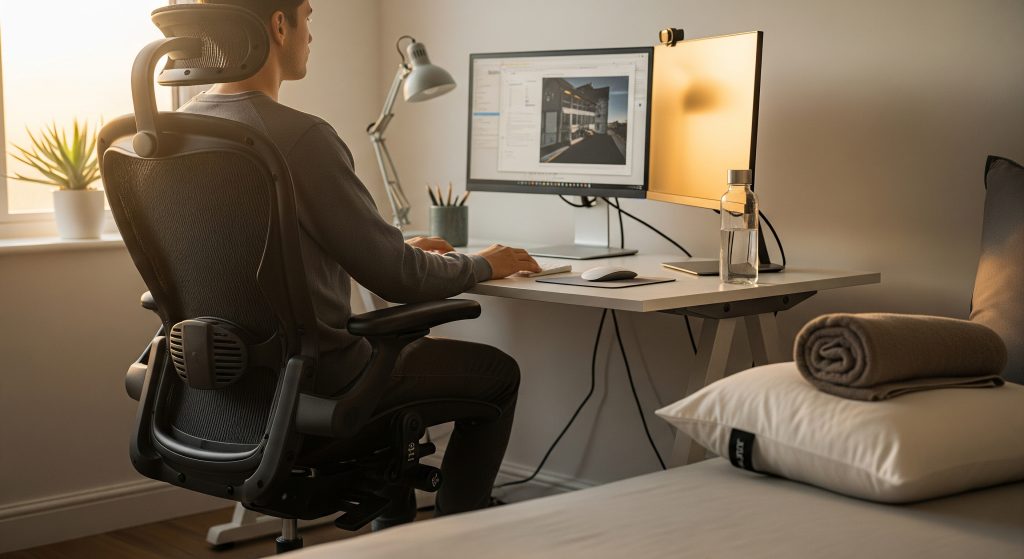
I treat the desk as clinical equipment. When neck pain severe patterns relate to work, adjustments matter. Set eye line to top third of the screen. Keep the keyboard close and the elbows at 90 degrees. Use a chair that supports lumbar and thoracic posture.
|
Item |
Practical standard |
|---|---|
|
Screen height |
Top of screen at eye level |
|
Reach |
Elbows by sides, wrists neutral |
|
Breaks |
1 to 2 minutes every 30 minutes |
|
Phone use |
No shoulder cradling, use headset |
Small adjustments compound over long days and long weeks. That is the point.
Daily Stretching Routines
Regular mobility prevents stiffness. When neck pain severe episodes are history, maintenance matters. I prefer short morning and mid afternoon sequences:
-
Upper trap stretch: 20 seconds each side.
-
Levator scapulae stretch: 20 seconds each side.
-
Thoracic extension over a towel roll: 60 seconds.
-
Gentle rotations: 10 each side.
Consistency protects more than occasional intensive sessions. Breathing control helps ease tone and improves range.
Sleep Position Adjustments
Sleep rebuilds tissue. When neck pain severe flares follow poor sleep, I audit pillow height and mattress firmness. Side sleepers generally need a higher pillow to fill the shoulder gap. Back sleepers need support under the neck without pushing the head forward.
A soft towel roll inside the pillowcase can fine tune support. Stomach sleeping loads the neck into rotation and extension, which often aggravates symptoms.
Lifestyle Modifications
Recovery depends on broader habits. When neck pain severe persists, I look at stress, activity, and nutrition. Aerobic exercise improves circulation and pain modulation. Strength work builds resilience. Protein supports tissue repair.
Two more levers matter: smoking cessation and managing workload. Both influence healing to a measurable degree (and confidence as symptoms ease).
Managing Severe Neck Pain Successfully
Success follows a plain sequence. Identify the driver. Reduce the irritant. Move within tolerance. Strengthen what protects the neck. When neck pain severe symptoms spike, escalate care early rather than waiting. I combine objective progress markers with subjective relief, then refine the plan as function returns.
Frameworks help under pressure. So does patience. The goal is stable capacity, not just a quiet neck today.
Frequently Asked Questions
When should I see a doctor for severe neck pain?
Seek medical care if pain follows trauma, if weakness or numbness appears, or if symptoms escalate rapidly. When neck pain severe patterns persist beyond two weeks despite sensible care, arrange a clinical review. Immediate attention is required for bowel or bladder changes, fever, or unremitting night pain.
Can severe neck pain cause permanent damage?
Most cases do not lead to permanent harm when managed promptly. Risk rises with untreated nerve compression, instability, or significant trauma. When neck pain severe symptoms are paired with progressive weakness or sensory loss, early specialist input reduces the chance of lasting deficit.
How long does severe neck pain typically last?
Recovery varies by cause. Simple strains improve within 2 to 6 weeks. Disc related or arthritic flares can take longer. When neck pain severe features persist beyond 6 to 8 weeks without improvement, I consider imaging and escalation to multidisciplinary care.
What sleeping positions help with neck pain?
Back or side sleeping with a supportive pillow generally helps. The aim is neutral alignment. When neck pain severe flares occur overnight, adjust pillow height and consider a small towel roll for cervical support. Avoid stomach sleeping due to sustained rotation and extension.
Are neck pain and dizziness related?
They can be associated after whiplash or with upper cervical dysfunction. Dizziness may also arise from other systems, including vestibular causes. When neck pain severe episodes include new dizziness, seek assessment to rule out non cervical drivers and to guide safe rehabilitation.
Which exercises should I avoid with severe neck pain?
Avoid high load neck movements, fast end range stretches, and heavy overhead lifting during a flare. When neck pain severe irritability is present, choose low dose, controlled drills. Progress range and load once pain settles and motor control improves. Technique beats intensity during early recovery.

