






 We do what's right for you...


Understanding NGO Plastic Surgery: Services, Eligibility, and Impact
Dr. Shiv Chopra
Free surgery is often framed as charity. That framing misses the point. In practice, ngo plastic surgery operates more like targeted public health: focused procedures delivered at scale, with defined eligibility and measurable outcomes for patients, families, and communities. I outline how these programmes work, who qualifies, and what impact they create over time. The goal is clarity. It is basically a field guide for anyone assessing access, equity, and results in reconstructive care.
Top NGO Plastic Surgery Services in India
1. Bharatiya Jain Sanghatana (BJS) Free Plastic Surgery Camps
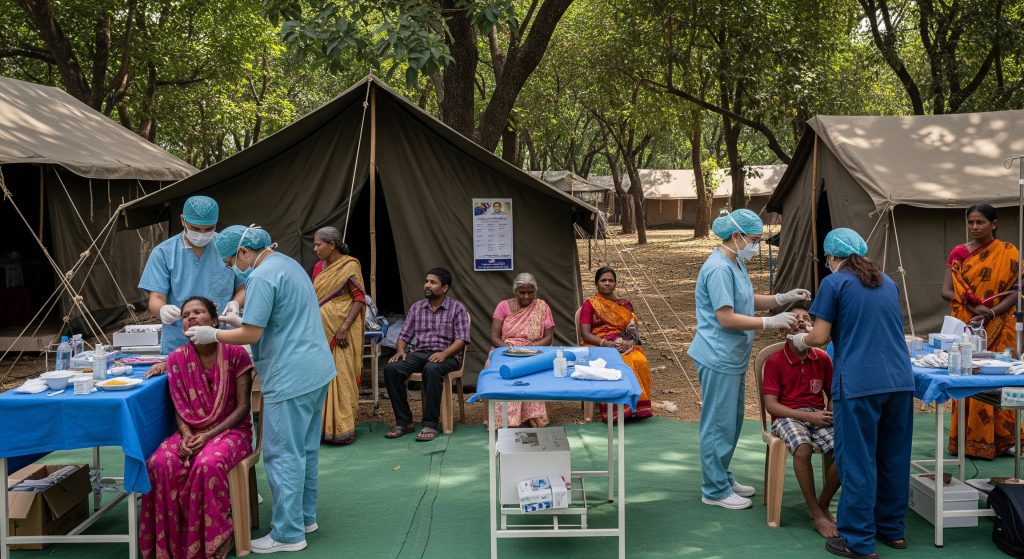
BJS runs large, structured camps that deliver ngo plastic surgery to under-served patients. The model is straightforward. Screen intensively, prioritise functionality and social reintegration, and run tightly managed surgical lists. As BJS reports, the initiative has delivered over 300,000 surgeries since 1990, with camps often handling about 800 check-ups and 500 procedures per event.
Typical indications include cleft lip and palate, squint correction, and post-burn scar revision. I have seen the practical benefit of this focus. A child with a complete cleft moves from feeding difficulty to effective speech therapy pathways. A burn survivor regains elbow extension and returns to skilled work. These are not cosmetic margins. They are functional wins.
Operationally, BJS combines pre-operative counselling, anaesthesia safety protocols, and defined post-operative follow-up. That coordination matters. It reduces complications and preserves capacity. For patients who qualify, ngo plastic surgery here is fast, structured, and life-changing. A simple truth. Systems beat one-off events.
2. Smile Train India Cleft Surgery Programme
Smile Train India concentrates on cleft care, partnering with hospitals to fund and scale ngo plastic surgery for children. The engine is decentralised. Surgeons work within accredited centres, which keeps training local and outcomes consistent. Coverage includes primary repair, speech therapy referrals, and nutrition support where indicated.
Two points set this apart. First, centre-led quality assurance maintains surgical standards. Second, long-term follow-up supports growth, orthodontics, and revision decisions. In practice, that continuum prevents the common gap between initial repair and later functional needs. It is a complete arc of care, not a single episode.
3. Mission Smile Comprehensive Cleft Care
Mission Smile operates camp and centre models, both geared to comprehensive cleft services. I rate their social integration lens highly. The clinical work is strong, and the wraparound support is practical. Hearing screens, speech therapy linkage, and parent counselling make the surgical outcome stick.
For many families, travel and accommodation are the real blockers. Mission Smile often helps address those logistics through local partners. That quiet work expands access. ngo plastic surgery succeeds when these operational details are resolved early. Otherwise, patients drop off the pathway despite eligibility.
4. Rashtriya Bal Swasthya Karyakram (RBSK)
RBSK is a government programme, but it intersects with ngo plastic surgery via referrals for congenital conditions. The strength is reach. School and community screenings identify children with cleft, congenital hand anomalies, and other correctable conditions. Many are then channelled to partner hospitals or NGO teams.
For a parent, that single referral unlocks the entire journey. Assessment, documentation, scheduling, and follow-up become tractable. In low-resource settings, this structured handoff prevents attrition. In effect, RBSK functions as a demand signal and a conduit for ngo plastic surgery providers.
5. Hyderabad Cleft Society
The Hyderabad Cleft Society is a specialised network that pairs surgical skill with allied services. Cases include bilateral clefts, secondary palate repairs, and speech-focused revisions. The society often collaborates with speech therapists and orthodontists, which helps achieve stable functional outcomes.
What I value most here is case selection discipline. Not every patient benefits from immediate intervention. Timing matters for dento-maxillary growth, speech development, and airway. The team strikes that balance. ngo plastic surgery is most effective when timing and technique align with growth milestones.
6. GAPIO-ASIPS Collaborative Camps
GAPIO and ASIPS bring Indian and international surgeons together for focused camps. The collaborations are well suited to complex backlogs. They combine high-volume lists with skill transfer, so capacity remains after the camp closes.
The case-mix usually spans cleft, post-burn contractures, and traumatic deformities. I have observed a clear emphasis on anaesthesia safety and post-anaesthesia care unit protocols. That discipline is non-negotiable when scaling ngo plastic surgery. Volume without safety is a false economy.
Common Procedures Offered Through NGO Plastic Surgery
Cleft Lip and Palate Repair
Cleft care dominates ngo plastic surgery for a reason. Early lip repair restores facial balance and feeding. Palate repair supports speech development and reduces ear infections. The pathway is staged and data-driven. Age windows and multidisciplinary follow-up ensure durable results.
Two practical notes. Bilateral clefts often require thoughtful sequencing. And velopharyngeal dysfunction may need secondary procedures. A well-run NGO centre will plan for both, not improvise later.
Burn Reconstruction and Skin Grafting
Post-burn reconstruction aims to release contractures and restore range of motion. Skin grafting remains the workhorse procedure. As LWW documented, the Hope after Fire project completed 304 procedures for 192 patients, demonstrating structured surgical delivery at scale.
In practice, I weigh graft choice against function first. Autografts are standard. Local flaps or regional flaps are chosen when joints or web spaces need robust coverage. ngo plastic surgery programmes now also prioritise splinting and therapy. Without those, recurrence is too common.
Facial Deformity Correction
Facial deformity work ranges from scar revisions to orthognathic planning. NGO settings focus on function that also improves appearance. That balance reduces stigma and restores confidence. Cases include post-traumatic deformity, hemifacial microsomia stages, and nasal reconstruction following injury.
The technical step often overlooked is scar maturation timing. Operating too early can waste a result. I counsel patients explicitly on this point. Patience saves reoperation.
Congenital Hand Deformities
Hand anomalies like syndactyly and polydactyly are routinely addressed. The functional gain is outsized compared to theatre time. Early release improves dexterity and independence at school. For complex cases, staged procedures and therapy are essential.
In ngo plastic surgery camps, I ensure robust consent about scars, grafts, and expected motion. Parents handle post-operative splints better when counselled with simple, specific instructions.
Post-Trauma Reconstructive Surgery
Post-trauma reconstruction restores form and function after road injuries or falls. Typical work includes fracture-associated soft tissue coverage, scar revision, and nerve decompression. The aim is return to work and dignity. That goal is explicit in most ngo plastic surgery missions.
Timing is critical. Acute wounds need stable coverage. Late reconstructions benefit from realistic functional targets. Overpromising creates problems later.
Squint Eye Correction
Strabismus surgery appears in several camp lists. While ophthalmic, it sits alongside plastic work in integrated missions. Alignment improves binocular function and reduces visible stigma for children.
The screening step matters. Not every misalignment needs immediate surgery. NGO teams coordinate with ophthalmology colleagues to define the threshold and plan follow-up. Good triage protects outcomes.
Eligibility Criteria and Application Process
Economic Status Requirements
Most programmes restrict access to low-income households. The rationale is equity. Free capacity must reach those without alternative funding. I state this plainly during counselling. ngo plastic surgery is not a shortcut to bypass standard queues for those who can pay.
-
Means-tested thresholds set by the NGO or partner hospital.
-
Local certificates or government ID linking to income brackets.
-
Exceptional approvals for hardship cases, documented carefully.
Required Documentation for Application
Documentation is simple but non-negotiable. It ensures fairness and auditability.
|
Document |
Purpose |
|---|---|
|
Identity proof |
Verification and medical record creation |
|
Income certificate |
Economic eligibility confirmation |
|
Address proof |
Follow-up coordination and camp allocation |
|
Medical records |
Clinical history and anaesthesia planning |
|
Photographs (select cases) |
Pre-operative planning and prioritisation |
I advise families to carry originals and copies. It prevents repeat travel and delays.
Age-Based Eligibility Guidelines
Age windows vary by procedure. For cleft lip, early months are preferred. Palate repair is planned to support speech development. Hand deformities can be addressed in early childhood, but complex reconstructions may wait.
Adults are not excluded. ngo plastic surgery programmes routinely treat adult burn contractures and trauma sequelae. The key is overall fitness for anaesthesia and benefit outweighing risk.
Medical Assessment Procedures
Assessment includes anaesthesia fitness, haematology, and specialist review. For burns and hand cases, functional tests guide priority. Cleft patients may receive ENT and speech referrals.
The assessment is not gatekeeping for its own sake. It keeps the theatre safe. I insist on this standard for every camp. One preventable complication can compromise an entire mission.
Geographic Coverage and Camp Locations
Coverage shifts with partnerships and funding cycles. Major cities host anchor hospitals. Satellite camps then extend reach to districts. Some teams use mobile screening to reduce travel for first contact.
Patients should expect a hub and spoke model. Screening and counselling may occur locally. Surgery happens at the hub. ngo plastic surgery relies on this structure to balance access and quality.
Waiting Period and Priority System
Waiting periods depend on case volume and theatre capacity. Triage is explicit.
-
Life-altering function first: airway, feeding, limb contracture release.
-
Developmental windows next: palate timing, school readiness, speech.
-
Appearance-oriented revisions last, unless stigma is severe.
This structure is fair and necessary. ngo plastic surgery must deliver the greatest functional gain per session while remaining humane.
Social and Economic Impact of NGO Plastic Surgery
Reduction in Social Stigma
Visible differences invite unfair judgement. Corrective surgery reduces that exposure and resets social interactions. A repaired cleft or released neck contracture changes the first impression at school, at work, and in public spaces.
I have heard teachers report immediate shifts in peer behaviour after surgery. That aligns with observed outcomes in many programmes. Stigma falls when visibility and function improve together.
Educational Opportunities for Children
School attendance improves when speech and feeding issues are addressed. As MDPI notes, children with untreated cleft face lower attendance and higher dropout risk, while surgical care improves educational outcomes.
In plain terms, ngo plastic surgery clears hurdles that block learning. Better articulation helps oral exams. Less teasing means fewer absences. Small changes, real effect.
Marriage Prospects and Social Integration
Appearance often shapes marital prospects in many communities. Post-reconstruction, social acceptance tends to rise. There is debate about this linkage, and it is not universal. But the direction of change is clear in many testimonials.
Here is the ethical line. ngo plastic surgery prioritises function. Improved appearance is welcome, but not the primary driver. Still, integration benefits are real, and families recognise them.
Employment and Livelihood Enhancement
Function enables work. After elbow release or hand reconstruction, craft workers return to trade. Following cleft repair, customer-facing roles become more viable. Employers respond to capability and confidence.
-
Reduced time off due to infections and pain.
-
Higher productivity with restored range of motion.
-
Broader role options where communication matters.
One case still guides my approach. A tailor regained finger spread after syndactyly release and doubled output. Simple surgery. Significant livelihood gain.
Community Awareness and Acceptance
Community sessions run alongside many camps. These briefings dispel myths about cleft, burns, and congenital differences. When communities understand causes and cures, stigma softens.
Awareness, timely referral, and reliable follow-up create trust. Trust sustains access.
That cycle holds. ngo plastic surgery succeeds when communities become advocates, not just beneficiaries.
Long-term Quality of Life Improvements
Quality of life rises across multiple domains: pain reduction, independence, communication, and social participation. The change is not just clinical. It is daily life.
Measure this with simple markers. School retention. Return to work. Fewer clinic visits for preventable issues. Over a year, these markers show durable benefit. That is the standard I look for in ngo plastic surgery reviews.
Conclusion
Effective programmes share a pattern. Clear eligibility. Focused procedures. Strong follow-up. And a bias for functional wins that restore dignity. ngo plastic surgery is, at its best, structured public health delivered through surgical care and thoughtful logistics. For families evaluating options, look for multidisciplinary teams, transparent triage, and documented outcomes. Those signals indicate care that will not only operate well but also stand the test of time.
Frequently Asked Questions
How can I register for free plastic surgery camps organised by NGOs?
Begin with the NGO’s official helpline or partner hospital. Submit basic details, then attend a screening. Registration for ngo plastic surgery is confirmed after medical fitness and documentation checks.
What types of congenital deformities qualify for free treatment?
Commonly accepted conditions include cleft lip and palate, syndactyly, polydactyly, and selected facial deformities. Many programmes also accept post-burn contractures. ngo plastic surgery prioritises functional benefit.
Are transportation and post-operative medicines provided free?
Policies vary. Some missions cover travel stipends and essential medicines, others do not. Ask the coordinator at screening. In ngo plastic surgery settings, these supports are often need-based.
How long is the waiting period for NGO plastic surgery procedures?
Waiting times depend on case mix and capacity. Priority goes to functional urgency and developmental windows. Expect scheduled dates after screening, with clear triage rules in ngo plastic surgery camps.
Can adults apply for NGO plastic surgery services?
Yes. Adults are eligible for many indications, especially burn reconstructions and trauma sequelae. Eligibility rests on medical fitness and expected functional gains in ngo plastic surgery programmes.
What documents are needed to prove economic eligibility?
Carry identity proof, income certificate, address proof, and relevant medical records. Some centres request photographs for planning. These are standard across ngo plastic surgery providers.
Do NGO plastic surgery camps provide speech therapy for cleft patients?
Many do through partner therapists or referral networks. Availability varies by location. Ask about speech assessments during screening for ngo plastic surgery so that therapy can begin promptly.
Where to start
-
Shortlist centres with multidisciplinary teams and proven outcomes.
-
Prepare documentation early to avoid delays.
-
Confirm follow-up and therapy support before committing to a camp.
-
If needed, look for non-profit organizations offering free plastic surgery that also fund travel.
I will end with a simple call to action. If a family qualifies, act within the recommended surgical window. ngo plastic surgery works best when timing, technique, and follow-up are aligned. That alignment is the difference between a procedure and a new start.
Note: non-profit organizations offering free plastic surgery vary by region and season. Verify current schedules with official channels.

